Support

Gualeguaychu

About

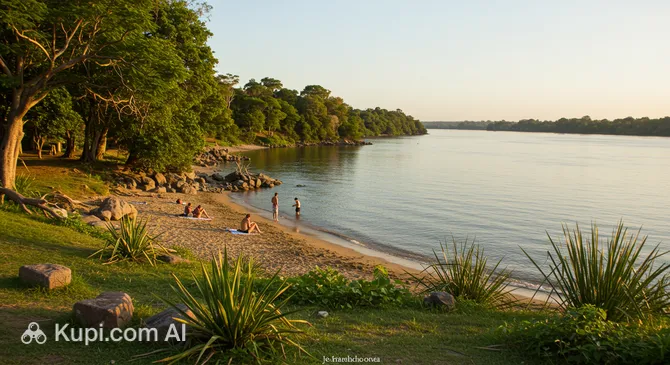
Gualeguaychú is a true gem of the Entre Ríos province, nestled on the picturesque banks of the river of the same name. The city attracts travelers with its amazing atmosphere of eternal celebration and serenity. Located about 230 kilometers north of Buenos Aires, Argentina reveals one of its most hospitable facets here, offering tourists an ideal combination of riverside relaxation and cultural events.
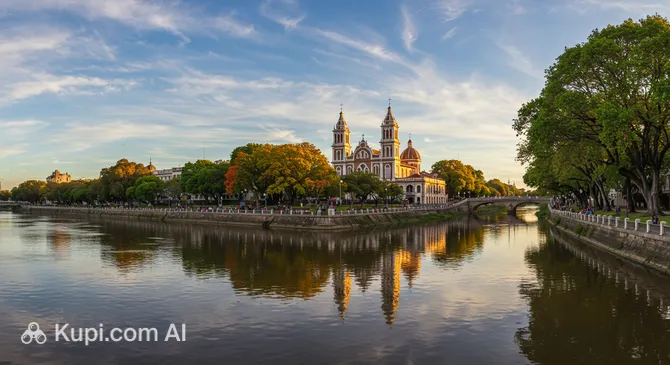
Gualeguaychú. Illustration.
Source: Kupi.com AI

With a population of about 109,000, this city successfully balances being a lively center and a peaceful resort. Gualeguaychú literally breathes freshness: numerous green parks, wide embankments, and well-kept beaches create a feeling of endless summer. The rich history of Gualeguaychú and its favorable location at a crossroads have made it a popular holiday destination not only for Argentines but also for guests from neighboring Uruguay.

The main point of attraction for thousands of tourists is, undoubtedly, the famous Carnival of the Country. This grandiose show, in terms of its scale, costumes, and energy, is capable of overshadowing even many Brazilian counterparts. However, the city is beautiful even outside of the festivals: here you can enjoy boat trips on catamarans or go on an excursion through the picturesque surroundings.

Gualeguaychú is a place where everyone will find something to their liking, from relaxed rest on the sand to fiery dancing. If you are looking for a city with a welcoming atmosphere and beautiful nature, be sure to include it in your travel itinerary.
Weather Overview

The climate in Gualeguaychú can be described as pleasant and temperate, making the city attractive for visits almost year-round. Summer here is truly hot: in January, the average temperature is about 25.5°C, and during daytime hours, the air often warms up to 30.7°C, which is ideal for river swimming and sunbathing.

With the arrival of winter, coolness envelops the city, but there are no severe frosts here. The coldest month is July with an average temperature of 11.9°C, while nighttime figures can drop to 7.6°C. Expect a warm, sometimes sweltering summer and cool winters with moderate humidity. Rains occur periodically throughout the year: statistics show from 6 to 9 rainy days per month, so an umbrella may come in handy in any season.

To make your stay as comfortable as possible, we recommend checking the forecast in advance before your trip. Detailed weather in Gualeguaychú will help you better plan excursions and choose suitable clothing for walks around this picturesque corner of Argentina.

Average monthly temperature

Average monthly precipitation

Interesting Facts

Beyond its vibrant festivals and picturesque landscapes, Gualeguaychú holds many fascinating secrets and legends that make it special. This city lives not only by the rhythms of samba but also through amazing stories passed down from generation to generation.

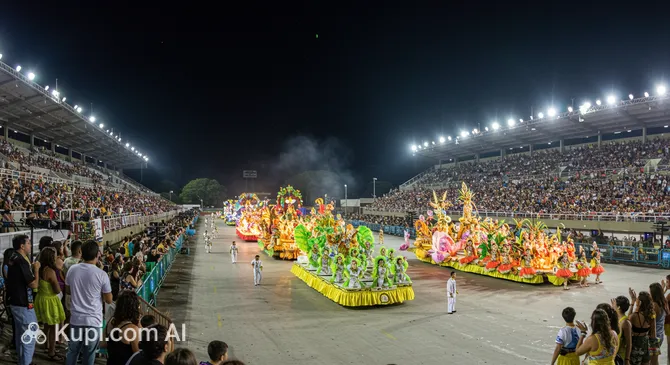
  • Carnival Capital. Gualeguaychú became famous throughout South America for its grandiose show, which lasts two months and is considered the longest in Argentina. The epicenter of the events is the José Luis Hestro Corsódromo, where parades feature floats as high as a five-story building.

  • Secret Sanctuary. Locals begin preparing for the main event of the year well in advance: sewing costumes and crafting decorations from foam and fabric. Before the premiere, the most valuable outfits are kept in a special place where only the chosen are admitted, and you can learn more about this painstaking work by visiting the Carnival Museum.

  • City of Bridges. Gualeguaychú earned this unofficial name thanks to its many river crossings connecting different districts. Bridges here are not just infrastructure, but real cultural spaces where photoshoots and street concerts are often held.

  • Home of a Champion. The city is proud that the famous footballer Jorge Burruchaga grew up here. It was his decisive goal in the 1986 World Cup final that brought Argentina the coveted trophy, forever inscribing the athlete's name in history.

  • Legend of the Water Spirits. Local folklore says that mysterious entities inhabit the rivers around the city. Belief holds that these "water spirits" protect Gualeguaychú from natural disasters and grant luck to travelers who sincerely admire the beauty of this region.

Jose Luis Gestro Corsódromo. Illustration.
Source: Kupi.com AI

Traveler photos:

How to Get There

When planning a trip to this picturesque corner of Entre Ríos province, it's worth thinking through your route in advance. Gualeguaychú is conveniently located relative to the national capital, making it accessible for tourists arriving on international flights. You can find more details on how to get to Gualeguaychú by exploring all available transport options, including buses and car routes.

The city of Gualeguaychú itself does not have its own airport, so the gateways for travelers are usually the transport hubs of nearby major cities. The most convenient option is to fly into Jorge Newbery Airfield (AEP), located in the city of Buenos Aires. It is about 172 km from Gualeguaychú, and the journey by car or bus will take about 3–4 hours. This is one of the busiest airports in the country, handling many domestic and regional flights.

Another popular choice, especially for intercontinental flights, is the international Ezeiza Airport (EZE), also serving Buenos Aires. The distance to Gualeguaychú is about 201 km, which will require approximately 3.5–4.5 hours of ground travel. You can also consider Fisherton Airport (ROS) in Rosario, located 211 km away. However, the capital's airports usually offer more transfer options.

For convenience, here is summary information on the main airports:

AirportPassenger trafficDistance
Jorge Newbery Airport13.5 mln172 km
Ministro Pistarini Airport10.3 mln201 km
Fisherton Airport530 000211 km
General Justo Jose de Urquiza Airport38 000228 km
Santa Fe Airport95 000259 km

Rail service in this region is significantly less developed for tourists. There is no active passenger railway station in the city of Gualeguaychú itself. The closest station available in the database is Bragada, located in the city of Bragado. It is located at a significant distance — approximately 298 km from Gualeguaychú. Given such a distance, using the train is unlikely to be the optimal way to reach your destination unless you are planning a complex route through the province.

Below is information about the nearest railway station:

StationPassenger trafficDistance
Bragado18 199298 km

Main Attractions

Gualeguaychú offers tourists not only vibrant carnival nights but also picturesque spots for a quiet getaway. The city is famous for its green areas, cozy walking routes, and historical monuments that let you feel the true spirit of the Argentine province.

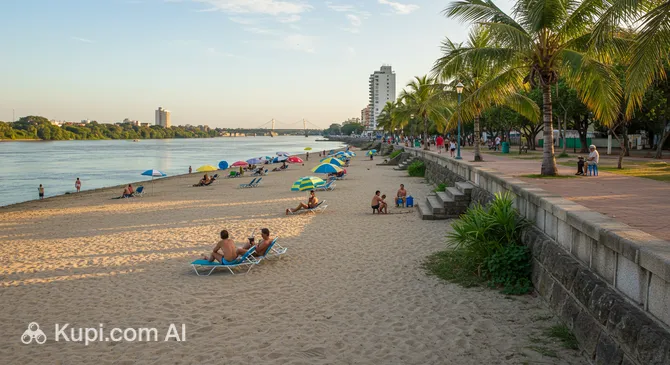
The heart of the city's social life is rightfully considered the Gualeguaychú Waterfront (Costanera). This is a favorite spot for both locals and travelers for leisurely strolls along the river. Here you can enjoy beautiful sunsets, drink traditional mate on a bench, or have dinner at one of the many restaurants overlooking the water. The atmosphere on the waterfront is always lively and friendly.

Gualeguaychú Riverside Promenade. Illustration.
Source: Kupi.com AI

Traveler photos:

If you cross the river via the famous Méndez Casariego Bridge, you will find yourself in Unzué Park. This huge green oasis is the perfect location for picnics, morning jogs, and connecting with nature. The park has many shady alleys and open spaces, and its inner lagoon adds a special touch of scenic beauty, creating a peaceful landscape away from the city's hustle and bustle.

In the historical center, it is worth visiting San Martín Square. This green square is surrounded by important administrative and cultural buildings, including the cathedral. The square serves as an excellent starting point for exploring the city's architecture and a place to rest in the shade of trees during an excursion.

An absolute symbol of the city is the José Luis Hestro Corsódromo — the first stadium in Argentina built specifically for carnival parades. This impressive open-air venue can accommodate tens of thousands of spectators. Nearby is a museum where you can see fantastic costumes from past years, making a visit interesting even outside the festival season.

Local Cuisine

The cuisine of Gualeguaychú is a true celebration of taste, where, as in all of Argentina, the cult of meat reigns supreme. The main gastronomic ritual here is asado — juicy meat slowly roasted over an open fire. On Sundays, the appetizing aroma of smoke spreads throughout the city, inviting guests to try beef generously seasoned with piquant chimichurri sauce.

The city's geographical position on the riverbank brings its own adjustments to the local menu, making fish an important part of the diet. It is definitely worth trying dorado or surubí. These river dwellers are caught in local waters and prepared with special skill: most often grilled with aromatic herbs or served with lemon and fresh herbs to emphasize the delicate flavor.

For a quick and hearty snack, the famous empanadas are perfect — traditional pastries with a variety of fillings, from minced meat to cheese with vegetables. At local farmers' markets, we recommend paying attention to homemade sausages and fresh cheeses produced in the surrounding areas. And, of course, any friendly conversation here is accompanied by mate — a tonifying herbal drink that has become a symbol of Argentine hospitality.

The city's gastronomic scene offers options for every taste: from cozy family cafes to lively bars. In the evening, you can head to Maldita Birra to enjoy good food and a relaxed atmosphere. Lovers of brews and bar culture should drop by BAUM Gualeguaychú, where you can spend a pleasant time after a busy day of sightseeing.

A real treat for gourmets occurs during festival days. During the famous carnival, the streets are filled with culinary fairs offering dishes from different parts of the country. In the summer months, the city often hosts festivals dedicated to wine and river fish, gathering lovers of good food from all over Argentina.

Travel Tips

A trip to Gualeguaychú promises to be a vibrant event, but a little preparation will make it worry-free as well. We have gathered practical recommendations for you that will help you easily navigate the city, understand local customs, and feel at home in this welcoming corner of Argentina.

  1. Clothing and gear. In summer (December–February), the city is hot and humid, so prefer light clothing made of natural fabrics and be sure to wear a hat. Since the city is on a river, bring swimwear and mosquito spray — it will be indispensable by the water in the evening. For walking on cobblestones and the waterfront, comfortable flat shoes are best.
  2. Transport. The center of Gualeguaychú is compact and pleasant to explore on foot. For longer distances, such as to the thermal springs, it is most convenient to use a taxi or "remis" — private cars with fixed rates ordered by phone or through a hotel. City buses run, but their schedules can be difficult for a tourist, so a taxi will save you time.
  3. Finances. The official currency is the peso. Although cards are accepted in many places in Argentina, in small provincial towns like Gualeguaychú, cash is still king. Always have small bills with you for payments in kiosks, taxis, and souvenir shops. Tipping in restaurants is welcome and usually amounts to about 10% of the bill.
  4. Health and safety. Gualeguaychú is a fairly safe and quiet city, but in crowded places, especially during carnival parades, you should keep a close eye on your personal belongings. Pharmacies (Farmacias) are frequent; if you need help at night or on the weekend, look for a pharmacy with a de turno (on duty) sign. It is recommended to drink only bottled water.
  5. Communication. The main language of communication is Spanish. English is not spoken everywhere, so download an offline translator and learn a few basic polite phrases. A SIM card from local operators (Claro, Movistar, Personal) can be purchased in specialized stores or kiosks by presenting your passport. Free Wi-Fi is available in most cafes and on the main square.
  6. Local etiquette. Argentines are very open and friendly. When meeting, it is customary to kiss acquaintances (and even new friends) on the cheek once. Don't be surprised by late dinners: restaurants only start filling up with people after 9:00 PM or 10:00 PM. Attempting to have dinner at 6:00 PM may result in you finding the kitchen closed.
  7. What to avoid. You should not compare the local carnival with the Brazilian one in a negative way or call it a "copy." For the residents of Gualeguaychú, it is a unique cultural phenomenon into which they put their heart and immense labor. Also, avoid showing impatience: the rhythm of life here is measured, and rushing can be perceived as disrespect.
  8. Consider the siesta. This is an important feature of the local way of life: many shops and institutions close for a break from approximately 1:00 PM to 5:00 PM. Plan your shopping for the morning or evening, and the hot afternoon hours are best spent resting in the shade of Unzué Park or relaxing in local thermal complexes.

We hope these tips help you get the most out of your trip. Gualeguaychú knows how to charm with its provincial simplicity combined with festive energy, so relax, tune into the local rhythm, and enjoy every moment!

Entertainment & Nightlife

Entertainment and nightlife:

Gualeguaychú's nightlife is a vibrant continuation of its famous carnival spirit. Even when the festival season ends, the city doesn't sleep after sunset. The epicenter of evening activity is traditionally the waterfront (Costanera). It is here, along the river, that most of the venues are concentrated, where the music doesn't stop until morning, and the warm air is filled with laughter and the clinking of glasses.

An evening in Argentine style starts late. Locals don't head out for dinner before 9:00 PM or 10:00 PM, and bars begin to fill up closer to midnight. For the start of the night, venues with craft beer and a relaxed atmosphere are ideal. A great choice is the bar Maldita Birra, where you can try various types of brews and get into a festive mood. Another popular spot among youth and tourists is BAUM Gualeguaychú. A friendly atmosphere reigns here, live music is often played, and an extensive drink menu will satisfy any taste.

Bikini Disco. Illustration.
Source: Kupi.com AI

Traveler photos:

If you're in the mood for dancing, the activity moves to nightclubs after two in the morning. One of the most famous places for dance lovers is Bikini Disco. This is a classic nightclub with infectious rhythms, where a stylish crowd gathers to party until dawn. The dress code in most of the city's venues is democratic — "smart casual" is quite appropriate, but you shouldn't come to clubs in beachwear or flip-flops.

Regarding daytime entertainment, Gualeguaychú offers a more measured kind of relaxation. Shopping enthusiasts can drop by Gualeguaychú Shopping Mall to buy souvenirs or simply browse the stores. The city also features a beautiful theater that has preserved its architectural charm from the early 20th century, where plays and concerts are periodically held. For family holidays, numerous parks and, of course, beach areas by the river are perfect.

Practical tips for the tourist:

  • Safety. The waterfront area and central streets (25 de Mayo street) are considered safe for night walks as they are always crowded. However, avoid unlit outskirts alone.
  • Transport. Public transport runs rarely at night. The most reliable way to get to your hotel is to call a taxi or a remis. This is inexpensive and safe. It's better to save the numbers of local services in your phone in advance.
  • Prices. The cost of cocktails and club entry in Gualeguaychú is generally lower than in the capital, Buenos Aires, making nightlife here very affordable.

Parks & Museums

Gualeguaychú harmoniously combines picturesque green zones and rich cultural traditions, offering tourists not only carnival fun but also places for quiet contemplation. The city carefully preserves its history in museums and invites you to rest in the shade of ancient trees in its parks, creating an ideal balance for a fulfilling journey.

The city's main natural treasure is rightfully considered Unzué Park. This extensive green area is located on the left bank of the Gualeguaychú River and covers more than 100 hectares. You can get here by crossing the Méndez Casariego Bridge. The park is famous for its eucalyptus groves, which create medicinal air, and its picturesque lagoon. It is a favorite spot for family picnics, morning jogs, and bird watching. An atmosphere of peace reigns here, which is so necessary after noisy city festivals.

In the heart of the historical center lies San Martín Square. This is not just a square, but an important cultural hub of the city, surrounded by iconic buildings. The square is bathed in greenery and flowers, and in its center stands a monument to national hero José de San Martín. It is pleasant to walk here in the evening when the fountain lighting comes on, or simply rest on a bench, observing the measured life of the province.

The city's cultural life is inextricably linked to its main tradition, and the best place to get acquainted with it is the Carnival Museum. The exhibition, located in the Parque de la Estación, immerses visitors in the magic of creating the largest show in the country. Here you can see luxurious costumes from past years, learn the secrets of their tailoring and the history of the carnival clubs. This is a unique opportunity to look behind the scenes of the holiday at any time of the year.

For those interested in the history of everyday life, the Azotea de Lapalma museum will be of interest. This is an old manor house built in the first half of the 19th century, which allows you to travel back in time and see how noble families of that era lived. Another important site is Casa de Haedo — the oldest surviving building in the city, which witnessed the founding of Gualeguaychú and houses a collection of colonial-era artifacts.

Among the architectural landmarks, a special place is occupied by the San José Cathedral, located opposite San Martín Square. Its majestic facade and stained glass windows attract the attention of all visitors to the city. Also worth noting is the Gualeguaychú Theater building, which is considered one of the most beautiful in the province due to its exquisite style and excellent acoustics.

Insider tip: If you want to take a classic commemorative photo, be sure to find the Gualeguaychú Sign. The large letters of the city's name, set against the backdrop of the river or park, have become a popular photo zone. The best time for a photo is the "golden hour" before sunset, when the light becomes soft and warm.

Getting Around

Gualeguaychú's transport system is quite simple and compact, perfectly matching the measured pace of life in this provincial city. There is no metro, trams, or trolleybuses here. The main and only form of public transport is city buses, which locals traditionally call "colectivos." The route network connects the city center with the waterfront, the bus station, Unzué Park, and residential areas.

To pay for travel on public transport, a unified national system is used — the contactless SUBE card. If you have already traveled to other major cities in the region, your card will work here too. You can purchase the "plastic" or top up your balance at kiosks (kioscos), lottery agencies, and stores marked with the blue SUBE logo. It is important to remember that paying in cash to the driver is usually not possible, so you should take care to have a charged card in advance.

Buses run regularly, but intervals can be noticeably longer than in megacities, ranging from 20 to 40 minutes. Special attention should be paid to siesta time (approximately from 1:00 PM to 4:00 PM) and weekends, when the number of trips is reduced. Entry to the transport is through the front door: you need to tell the driver your destination (as the cost may vary by distance) and tap the card on the validator.

The most popular and convenient alternative to buses for tourists are remises. This is a type of private taxi that does not have "checkered" markings and does not pick up passengers on the street. The car must be ordered by phone or via an app, or taken at special dispatch points (agencias). The cost of a trip in a remis is often fixed or zoned, which makes the price predictable and often more advantageous than a classic taxi with a meter.

Given the flat terrain and picturesque views, a bicycle is an excellent way to get around. In tourist zones, especially near the waterfront, you can find rental points. The city center is quite conducive to walking: distances here are small, and the main attractions are within walking distance of each other.

Accommodation

Gualeguaychú offers travelers a wide range of accommodation options that will satisfy both budget tourists and those looking for enhanced comfort. A feature of this region is the immense popularity of "cabañas" and bungalows — cozy small houses, often located in green areas with swimming pools. In addition, the city features classic mid-range hotels, inexpensive hostels for youth, and several resort complexes focused on relaxed relaxation by the water.

When choosing an area, you should start from the goals of your trip. If you want to be in the thick of things, enjoy river views and proximity to restaurants, choose accommodation in the Waterfront (Costanera) area. For lovers of peace and nature, the Unzué Park area on the opposite bank of the river is ideal, where many campsites and cottages are concentrated. Those who prefer urban infrastructure and proximity to shops should consider options in the historical Center, near San Martín Square.

Among the well-known places for a comfortable stay is the resort hotel Playa del Puente. This complex is successfully located on the riverbank, offering guests picturesque views and direct access to the beach area, which makes it an excellent choice for a summer holiday.

Playa del Puente. Illustration.
Source: Kupi.com AI

Traveler photos:

Booking tip: Gualeguaychú is a seasonal destination, and the demand for housing here rises sharply in the summer months (January–February), especially during the Carnival dates. During this period, prices can rise 2–3 times, and the best options are booked months in advance. If you are planning a trip for the carnival weekend, book your accommodation as early as possible.

The price range in the city varies from budget to mid-range. There are virtually no luxury five-star international hotels here; high-quality local service prevails. Popular international online platforms can be used for booking, but many private bungalow complexes and apartments prefer direct booking via messengers or their own websites, often offering better terms.

Nearby Cities

For those who want to explore the surrounding area, Gualeguaychú serves as an excellent starting point for day trips to several interesting nearby locations:

Just 65 km to the north is Concepción del Uruguay, often called the "Historical City." This is an ideal destination for lovers of the past and beach relaxation: here you can visit ancient buildings associated with national history or relax at the famous Banco Pelay river resort. In addition, the city is famous for its thermal complexes, which perfectly complement a trip.

If you are ready to drive a little further (about 129 km), it is worth looking into San Pedro. This picturesque town on the banks of the Paraná is known for its orange groves and delicious pastries — ensaimadas. It's pleasant to walk through the parks with river views and enjoy the calm atmosphere here. Also interesting is the city of Zárate, known for its impressive cable-stayed bridge and lively waterfront, where cultural events are often held.

CityPopulationDistance
Fray Bentos24 40625 km
Urdinarrain8 98649 km
Mercedes41 97454 km
Concepcion del Uruguay72 52865 km
Dolores15 75365 km

These nearby destinations provide insight into the diverse culture and landscapes of the region.

Shopping & Souvenirs

Shopping in Gualeguaychú is a calm and pleasant activity, devoid of the hustle and bustle of giant metropolises. The city does not claim to be a fashion capital but charms guests with its cozy shops and high-quality local products. Here, the emphasis is shifted from international brands to products from local artisans, leather accessories, and regional delicacies that will serve as an excellent reminder of the trip.

The heart of the city's commercial life is 25 de Mayo Street (Calle 25 de Mayo). This lively artery running through the center is literally dotted with a variety of shops: from clothing and shoe boutiques to jewelry stores and bookstores. A stroll along this street allows you not only to update your wardrobe but also to feel the rhythm of the townspeople's daily life, stopping by small coffee shops along the way.

For those who prefer a more concentrated shopping experience under one roof, there is the Gualeguaychú Shopping Mall. Although it is smaller in size than the capital's malls, you can find everything you need here: shops of popular Argentine brands, rest areas, and a food court. It is a convenient place to hide from the summer heat or rain and shop in a comfortable setting.

A special color is added to the city by artisanal fairs, which often open on weekends and holidays. The most popular places for such markets are the Waterfront area and the old port area (Paseo del Puerto). Here, local craftsmen offer unique handmade products: jewelry, ceramics, textiles, and wooden toys. These are the best spots to find authentic gifts made with soul.

When choosing souvenirs from Gualeguaychú, pay attention to leather products — Argentina is famous for their quality, and Entre Ríos province is no exception. A great gift would be mate sets (calabash and bombilla), often decorated with silver or carvings. Also, don't forget the gastronomy: local alfajores (traditional cookies) and homemade jams, especially citrus ones, are in great demand. And, of course, in the city of carnival, you can always find bright masks or figurines reminiscent of the region's main holiday.

When planning a shopping trip, it is important to remember the local daily routine. Most retail outlets close for siesta from approximately 12:30 PM to 4:30 PM or 5:00 PM. Evening trade continues until 8:30 PM or 9:00 PM. Large supermarkets and shopping centers may work without a daytime break. Regarding payment, Visa and Mastercard are accepted in many places, but in small shops and at markets, cash pesos are preferred — sometimes this even allows you to get a small discount.

Argentina has a Tax Free system for foreign tourists when purchasing national products in stores that are part of the Global Blue system. However, in smaller towns like Gualeguaychú, the number of such stores may be limited. Look for the "Tax Free" logo in windows or check the possibility of issuing a tax-free form at the checkout before purchasing.

Reached the end of the page?

That means the route is fully explored