Support

Lujan

About

Luján is not just a city, but the true soul of the Buenos Aires province in Argentina, nestled just 68 kilometers northwest of the nation's capital. Founded in 1755 and home to about 107,000 residents, this charming city is one of the country's most important pilgrimage centers, attracting travelers with its unique atmosphere and rich history.
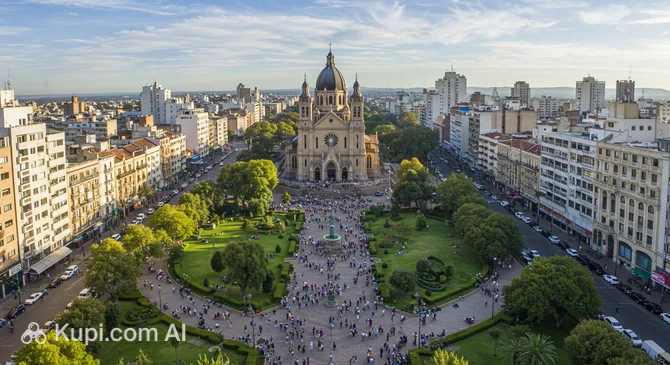
Luján. Illustration.
Source: Kupi.com AI

Luján stretches along the scenic banks of the river that shares its name, and its air is filled with the tranquility of the Argentine countryside, yet there is a special, almost mystical energy here. This is primarily due to its dominant landmark—the majestic Basilica of Our Lady of Luján, a stunning Neo-Gothic cathedral visible from afar that serves as the heart of the city. It is not only an architectural masterpiece but also one of the most revered shrines in the country.

Beyond the basilica, Luján invites guests to explore its rich local culture and experience famous Argentine hospitality. Here, you can take a leisurely stroll through ancient streets, visit the Enrique Udaondo Historical Complex—one of the most significant museums in the province—or simply enjoy the beauty of the surrounding nature. The city is famous for its traditions, and a journey here is an opportunity to taste the authentic dishes of the Pampa region.

Luján is the ideal destination for those seeking not just standard tourist routes, but genuine experiences. It is perfect for a day trip from Buenos Aires, a family vacation, or a pilgrimage tour. Come to Luján to touch history, spirituality, and the true Argentine soul.

You can find more interesting facts on the history of Luján page.
Weather Overview

The climate in Luján features warm summers and mild winters. During the summer months, especially in January, the average temperature stays around 24.8°C, with maximums reaching 30.3°C. In winter, for example in July, the average temperature is about 10.6°C, with minimums down to 6.2°C. Rainfall in the city is generally low, with the number of rainy days ranging from 5 to 9 per month, and precipitation levels typically between 1-3 mm. Expect a warm summer with occasional rain and cool, relatively dry winters. You can find more detailed weather information on the Luján Climate page.

Average monthly temperature

Average monthly precipitation

Interesting Facts

Beyond its main shrines and well-known pilgrimage routes, Luján holds many surprising stories and noteworthy details. Here are just a few that will allow you to look at this Argentine city from a new and unexpected perspective:

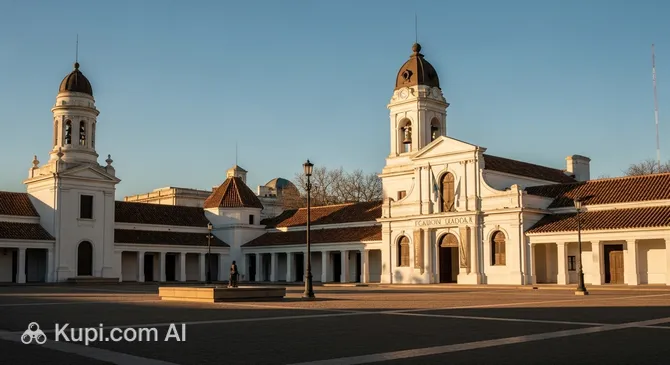
Enrique Udaondo Provincial Museum Complex. Illustration.
Source: Kupi.com AI

Traveler photos:

  • It is believed that Luján's history as Argentina's spiritual center began in the 17th century with a miraculous event. Legend has it that a wagon carrying a small statue of the Virgin Mary stopped on the banks of the Luján River, and no amount of effort could make the oxen move it. This was taken as a sign that the Virgin wished to remain in that exact spot.

  • Every year, on the first weekend of October, tens of thousands—and sometimes hundreds of thousands—of pilgrims set off on a walking journey from Buenos Aires to Luján. This Camino de la Fe (Way of Faith), spanning about 60 kilometers, is one of the most massive and significant religious events in Latin America.

  • One of the places to delve deeper into the history of the city and the cult of the Virgin of Luján is the Enrique Udaondo Provincial Museum Complex. Among its exhibits, according to some records, is the original wagon that, as legend says, transported the miraculous statue.

  • Although Luján is known primarily as a religious center, the city is also famous for its artisanal traditions. At local fairs, you can find unique items made of silver, leather, and other materials created by hereditary craftsmen, adding another layer to Luján's cultural profile.

How to Get There

When planning a trip to this historical and spiritual center, it's important to think through your route in advance. Since the city is located in close proximity to the capital, getting here is quite simple. You can find out more about how to get to Luján by familiarizing yourself with the region's main transport hubs.

There is no airport in the city of Luján itself that accepts regular passenger flights. Travelers usually fly into Buenos Aires airports and then continue by land. One of the main options is Ezeiza Airport (IATA: EZE), Argentina's largest international hub. It is located in Greater Buenos Aires, about 61 km from Luján. A trip by car or taxi from there takes about an hour to an hour and a half, depending on traffic.

Another convenient option is Jorge Newbery Airfield (IATA: AEP), also located in Buenos Aires, about 65 km from central Luján. This airport primarily handles domestic flights and flights from neighboring countries. Thanks to high passenger traffic, the transport infrastructure here is well-established, allowing you to quickly find a transfer or a bus toward the province.

For clarity, here is a summary of the main airports:

AirportPassenger trafficDistance
Ministro Pistarini Airport10.3 mln61 km
Jorge Newbery Airport13.5 mln65 km
Fisherton Airport530 000240 km
Carrasco International Airport1.8 mln285 km

Regarding long-distance rail connections, there are few major junction stations in the immediate vicinity from the provided list. The Bragado station (IATA: QRF), located in the city of Bragado, can be noted. However, keep in mind that it is located at a considerable distance—about 140 km from Luján—so using it as a primary arrival point is not always practical without a private vehicle.

Below is information on the nearest station from the available data:

StationPassenger trafficDistance
Bragado18 199141 km

In addition to the options listed, most tourists get to Luján from Buenos Aires via intercity buses (such as line 57) or suburban trains on the Sarmiento line (with a transfer in Moreno). These are the most budget-friendly and common ways to reach the city, allowing you to enjoy views of the Buenos Aires province along the way.

Main Attractions

Luján, known as Argentina's "Capital of Faith," attracts not only pilgrims but also tourists interested in history, culture, and nature. The city offers a variety of attractions that can satisfy the interests of many different types of travelers.

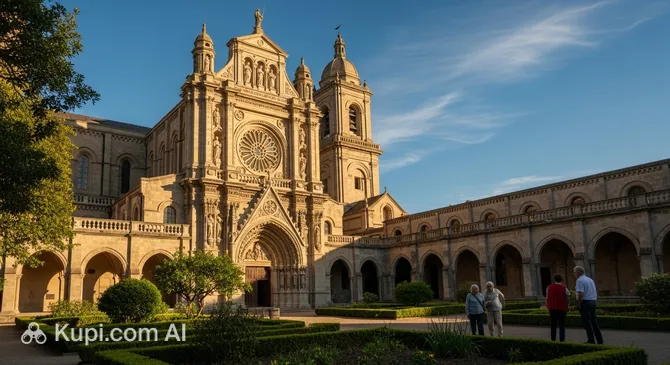
One of the city's main gems is the Enrique Udaondo Provincial Museum Complex. It is one of the largest and most significant historical museums in Argentina, located next to the famous Luján Basilica. The complex includes several buildings, including the former town hall (Cabildo) and the Viceroy's house. The museum's exhibits cover colonial history, 19th-century daily life, transportation, and Argentine culture. Visitors can see vintage carriages, weapons, artworks, and much more, making it a must-visit for those who want to delve into the country's past.

Enrique Udaondo Provincial Museum Complex. Illustration.
Source: Kupi.com AI

Traveler photos:

For those seeking spiritual peace or interested in religious architecture, San Benito Abbey in Luján is an essential stop. This active Benedictine monastery offers visitors a chance to learn about monastic life, admire the architecture, and enjoy the silence and tranquility of the grounds. The abbey is also known for its products, such as honey and liqueurs, which can be purchased in the local shop.

Abbey of San Benito of Luján. Illustration.
Source: Kupi.com AI

Traveler photos:

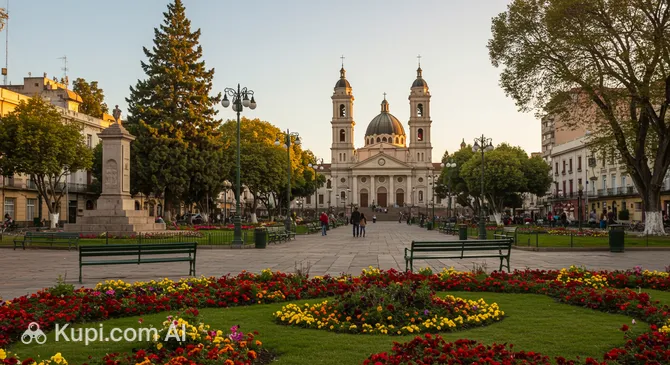
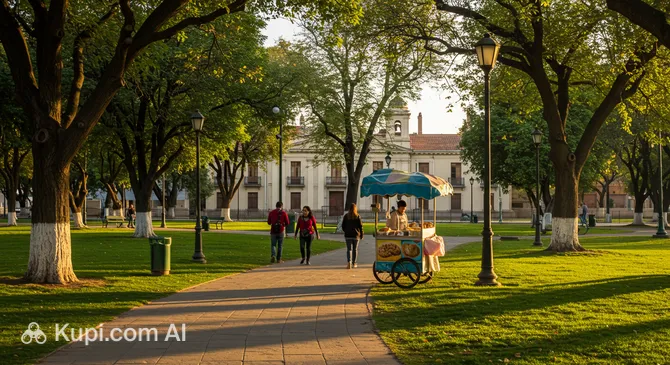
The heart of Luján's social life is Plaza Colón. It is not just an open space, but a meeting point for walks and city events. Surrounded by historical buildings, the square is an excellent starting point for exploring the city. Here, you can relax on a bench, watch the locals, or simply soak up the atmosphere of an Argentine town.

Colón Square. Illustration.
Source: Kupi.com AI

Traveler photos:

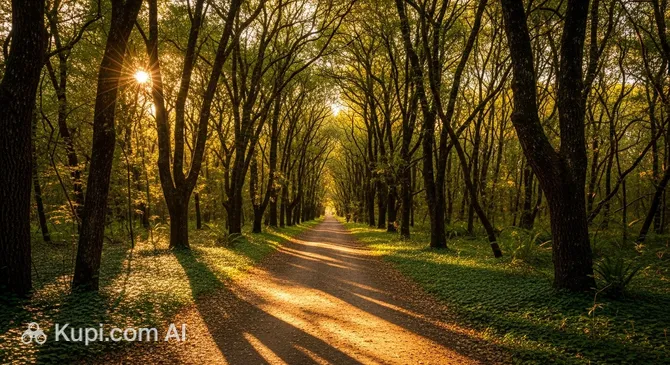
Nature lovers and outdoor enthusiasts should visit the Quinta de Cigordia Forest Reserve. This green oasis offers wonderful opportunities for walking, picnics, and observing local flora and fauna. The reserve is an important ecological space that preserves the region's biodiversity. It is a great place to take a break from the city bustle and enjoy the beauty of nature.

Quinta de Cigordia Forest Reserve. Illustration.
Source: Kupi.com AI

Traveler photos:

Local Cuisine

The gastronomy of Luján is a true immersion into the flavors of the Argentine Pampas, where culinary traditions are carefully preserved and passed down through generations. The city offers travelers an authentic experience based on the freshest local products and time-tested recipes.

The star of the local cuisine is undoubtedly asado—succulent meat slowly cooked over an open fire or coals. This is not just a dish, but an entire ritual that brings families and friends together. Asado is usually served with chimichurri sauce and fresh vegetable salads. Equally popular are empanadas—savory Argentine pastries with various fillings, most commonly meat, but also chicken, cheese, or vegetables. Another iconic dish worth trying is pastel de papa, a hearty casserole made of mashed potatoes and ground meat.

The region around Luján is famous for its pastures, producing high-quality beef that forms the basis of many dishes. It is also worth trying the fresh dairy products and cheeses often found at local farmers' markets. For those with a sweet tooth, Luján offers traditional desserts such as pastelitos (flaky pastries with quince or sweet potato filling), honey donuts, and, of course, famous Argentine ice cream with its incredible variety of flavors.

As for drinks in Luján, as in all of Argentina, mate is popular—a stimulating herbal tea drunk from a special gourd (calabash) through a metal straw (bombilla). Among alcoholic beverages, Argentine wines stand out, especially red Malbec, which perfectly complements meat dishes.

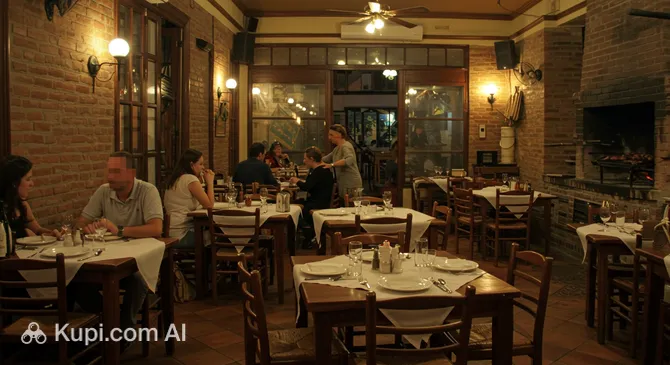
The dining culture in Luján is diverse. Locals and tourists often choose traditional restaurants where they can enjoy asado and other national dishes. One such place to sample Argentine cuisine is La Catalina Grill and Restaurant. Farmers' markets are excellent places to buy fresh produce, homemade sweets, and pastries. Additionally, gastronomic festivals are periodically held in the city, where you can get acquainted with the best examples of regional cuisine and soak up the festive atmosphere. Luján's culinary scene is characterized by authenticity and the high quality of local ingredients, offering an unforgettable culinary experience.

La Catalina Grill & Restaurant. Illustration.
Source: Kupi.com AI

Traveler photos:

Travel Tips

Planning a trip to Luján, one of the most important spiritual centers in Argentina? To ensure your journey goes smoothly and leaves only pleasant impressions, we have prepared some practical tips to help you better navigate this unique city.

  1. Clothing and Essentials:

    The climate in Luján is temperate. In summer (December-February), it is warm and sunny, so bring light clothing, sunscreen, a hat, and sunglasses. In winter (June-August), it can be chilly, so sweaters, a jacket, and trousers will be useful. Be sure to bring comfortable shoes, as you will be walking a lot, especially if you plan to visit the Basilica and its surroundings. For visiting the Basilica of Our Lady of Luján, the main pilgrimage site, choose modest clothing that covers shoulders and knees. Don't forget an adapter for electrical appliances—Argentina uses Type I sockets.

  2. Transportation in the City:

    Luján is a relatively small city, and its central part is easy to explore on foot. For longer trips, you can use local buses (colectivos). Taxi and remis services (private cars with drivers often ordered by phone with fixed rates) are also popular. Major ride-hailing apps may be less common than in Buenos Aires. Renting a car might be justified if you plan to explore the outskirts of the Buenos Aires province, but for Luján itself, it is not necessary.

  3. Finances:

    The local currency is the Argentine Peso (ARS). You can exchange currency at banks or exchange offices (casas de cambio), but it's better to have some cash on hand, especially for small purchases, public transport fares, or markets. Credit and debit cards (Visa, Mastercard) are accepted in many hotels, restaurants, and large stores, but not everywhere. ATMs (cajeros automáticos) are available but may have withdrawal limits and charge fees. Tipping in restaurants is usually around 10% of the bill if you enjoyed the service.

  4. Health and Safety:

    Luján is considered a fairly safe city, especially in the tourist areas around the Basilica. Nevertheless, always follow standard precautions: watch your belongings, especially in crowded places, and avoid walking in poorly lit areas after dark. Pharmacies (farmacias) are easy to find; some of them are open 24/7 (farmacia de turno—on-call pharmacy). For medical assistance, tourists are recommended to have travel insurance. If necessary, you can visit a local public hospital (hospital público) or a private clinic.

  5. Communication:

    The official language is Spanish. In tourist areas such as hotels and large restaurants, staff may speak English, but in general, knowing at least a few basic phrases in Spanish (e.g., "Hola" - hello, "Gracias" - thank you, "Por favor" - please, "¿Cuánto cuesta?" - how much does it cost?) will be very helpful and appreciated by locals. A local SIM card (Claro, Movistar, Personal) can be purchased at mobile phone shops by presenting your passport. Wi-Fi is available in many cafes, restaurants, and hotels.

  6. Local Etiquette:

    Argentines are generally friendly and open. Greetings usually involve a handshake, or a kiss on the cheek among well-known people. Politeness (using "por favor" and "gracias") is always welcome. When visiting the Luján Basilica, show respect: do not speak loudly, do not use flash photography during services, and follow the dress code.

  7. What to Avoid:

    Try not to openly display expensive items or large sums of money to avoid attracting unnecessary attention. Also, avoid discussing sensitive political topics if you are unsure of the other person's reaction. Special respect should be shown to religious symbols and traditions, given Luján's status as an important pilgrimage center.

  8. Luján's Feature – Pilgrimages:

    Luján is the largest pilgrimage center in Argentina, and it is especially crowded on weekends and during major religious holidays (for example, the annual youth pilgrimage in October). If you prefer a quieter atmosphere for viewing the Basilica, plan your visit for a weekday. If you are interested in seeing the city in all its spiritual power, visiting during a holiday can be an unforgettable experience.

We hope these tips help you feel more confident and enjoy every moment of your stay in welcoming Luján. Have a great trip!

Entertainment & Nightlife

When the sun sets over Luján, the city offers its guests a variety of opportunities for evening relaxation and entertainment. Although Luján might not be as bustling as major metropolises, you can find cozy spots to enjoy your time after a busy day of sightseeing. Evening Luján has its own special charm, perfect for leisurely strolls and sitting in local establishments.

Most of Luján's nightlife is concentrated in its central part and along the main streets, where numerous bars and several clubs are located. Here, you can enjoy drinks, socialize, and dance. The atmosphere in these venues is usually friendly and relaxed. Those who enjoy spending the evening in a stylish bar with a good selection of cocktails might like Kuwait Resto Bar. If you're in the mood to dance until morning to popular music, look out for places like Kalahari Disco, where young people often gather. Another popular spot for those seeking a club atmosphere and various musical events is the CCP Complex — Luján. Nightlife here, as in many Argentine cities, comes alive quite late, usually after midnight, especially on weekends. Some restaurants also stay open late, offering visitors not just dinner but a pleasant evening atmosphere.

Kuwait Resto Bar. Illustration.
Source: Kupi.com AI

Traveler photos:

Kalahari Disco. Illustration.
Source: Kupi.com AI

Traveler photos:

CCP Complex - Luján. Illustration.
Source: Kupi.com AI

Traveler photos:

When planning an evening out in Luján, keep in mind that most clubs start filling up closer to one or two in the morning. The dress code in most places is quite casual, though some clubs might require a more polished look (smart casual). Prices in Luján's bars and clubs are generally moderate, making evening leisure accessible. To get around the city at night, it is recommended to use official taxis or book a car in advance through well-known services. While Luján is generally considered a safe city, you should always take standard precautions: watch your belongings and avoid poorly lit or deserted streets late at night.

During the day, Luján also offers plenty of interesting activities for tourists. You can immerse yourself in the region's history and culture by visiting the Enrique Udaondo Provincial Museum Complex, or enjoy nature and fresh air in one of the city's parks, such as Luján Park. For family fun with children, places like the Argenpark amusement park or the educational El Arca Aquarium are ideal.

Parks & Museums

Luján offers its guests not only world-famous pilgrimage sites but also wonderful opportunities for outdoor recreation and exploring a rich cultural and historical heritage. Here, you will find well-kept parks and significant museum collections that can interest even the most demanding tourist.

For nature lovers and those who enjoy quiet walks, Luján offers several attractive green zones. One popular spot is Luján Park, where you can escape the city bustle, have a picnic, or simply enjoy the fresh air. Equally interesting is the Quinta de Cigordia Forest Reserve, which offers visitors the chance to immerse themselves in a natural environment and observe local flora and fauna. Ameghino Park is also great for outdoor relaxation, while the central Plaza Colón serves as a pleasant place for a short break in the heart of the city.

Parque Luján. Illustration.
Source: Kupi.com AI

Traveler photos:

Quinta de Cigordia Forest Reserve. Illustration.
Source: Kupi.com AI

Traveler photos:

The main center of cultural attraction in Luján is undoubtedly the Enrique Udaondo Provincial Museum Complex. It is one of the largest and most significant historical museums in Argentina, housed in several historical buildings, including the former town hall and the Viceroy's house, near the famous Luján Basilica. The complex's exhibits cover a wide range of topics: from colonial history and daily life to the development of transport (including the famous "La Porteña" - Argentina's first locomotive) and Argentine art. Here you can see vintage carriages, weapons, household items, and artworks that tell the story of the country's and region's past.

Enrique Udaondo Provincial Museum Complex. Illustration.
Source: Kupi.com AI

Traveler photos:

Not far from the main attractions is the San Benito Abbey in Luján (Abadía de San Benito). This is an active monastery that attracts visitors with its peaceful atmosphere, beautiful Romanesque-style architecture, and the opportunity to purchase products made by the monks. This site offers a chance for quiet contemplation and an introduction to the spiritual side of life.

Abbey of San Benito of Luján. Illustration.
Source: Kupi.com AI

Traveler photos:

For families with children or simply to diversify your cultural program, El Arca Aquarium (Acuario El Arca de Noé) can be an interesting place to visit. Various species of freshwater and marine life are presented here, which can be especially exciting for young travelers.

The Ark Aquarium. Illustration.
Source: Kupi.com AI

Traveler photos:

To feel the atmosphere of Luján more deeply, take a walk along the banks of the Luján River, where you can often see locals relaxing by the water. Peek into the small artisan shops near the Basilica—there you can find authentic souvenirs and handmade items that will serve as a pleasant reminder of your trip to this iconic Argentine city.

Getting Around

There are several ways to get around Luján and its surroundings. The main form of public transport in the city is buses, known locally as "colectivos." They connect various districts of the city and provide links to nearby settlements. For many tourists and pilgrims, the Luján railway station plays an important role, served by the Sarmiento Line (Línea Sarmiento), which connects the city with Buenos Aires. This is a convenient way to reach Luján from the capital.

To pay for bus fares in most of the Buenos Aires province, including Luján, a unified transport card called SUBE (Sistema Único de Boleto Electrónico) is used. This card can be purchased and topped up at kiosks ("kioscos"), lottery outlets, or at some railway stations. It is recommended to purchase a SUBE card upon arrival, as paying with cash directly to the driver may not always be available or can be more expensive. Fare costs are usually low but depend on the distance traveled.

Buses in Luján run on a schedule that can vary depending on the day of the week and the time of day. During peak hours and on weekends, especially during major religious holidays, transport can be more crowded. Train tickets to Buenos Aires are purchased at the railway station. SUBE card validation occurs when entering the bus—simply tap the card against the reader.

As an alternative to public transport, taxi and "remis" services are available in Luján—these are private cars with drivers that operate at fixed rates and are usually ordered by phone or through a dispatcher. This can be a convenient option for trips to more distant sites or for groups. Traveling on foot is also a good way to see the central part of the city, especially the area around the famous Luján Basilica. There is currently no information about a developed bike-sharing or car-sharing system in Luján, but private bicycle rentals may be available at some hotels or tourist points.

Accommodation

When planning a trip to Luján, you will find various accommodation options to suit different preferences and budgets. Budget options such as hostels and guest houses are available in the city, as well as mid-range hotels. You can also consider renting apartments or rooms, which can be a convenient option for families or long-term stays.

The most convenient areas for tourists to stay are traditionally considered to be those near the main attractions, such as the famous Luján Basilica, and in the central part of the city. Staying here provides easy access to tourist sites, restaurants, and shops. It is also worth looking at areas with good transport accessibility if you plan to move around the surroundings actively.

While specific data on well-known hotels is not provided in the information, you can generally find cozy family hotels, modern inns, and more traditional lodging options in Luján. When choosing, you should rely on reviews from other travelers and the location relative to the places that interest you.

General booking tip: if your trip falls during popular tourist seasons or major religious holidays that attract many pilgrims to Luján, it is highly recommended to book your accommodation in advance. This will help you secure a better selection and more favorable prices.

The price range for housing in Luján varies from budget to mid-range, with the possibility of finding more expensive options as well. Booking accommodation is convenient through popular online platforms like Booking.com, Agoda, and Expedia, or by directly contacting hotels and apartment owners. Comparing offers on different resources will help you find the best option for your trip.

Nearby Cities

For those wishing to explore the surrounding area, Luján serves as an excellent starting point for day trips to several interesting nearby locations:

CityPopulationDistance
General Rodriguez85 31516 km
Pilar81 12022 km
La Reja47 83928 km
Capilla del Señor9 24430 km
Mercedes63 28430 km

One popular destination is Merlo, located about 38 km away. This lively city attracts visitors with its green spaces, such as Néstor Kirchner Municipal Park, and a variety of shopping and leisure opportunities. You can also find local markets and cultural centers here that offer a glimpse into life in the Buenos Aires suburbs.

A trip to José C. Paz, located about 33 km away, will allow you to explore a dynamic commercial and residential area. The city is an important transport hub and offers visitors the chance to experience the authentic atmosphere of local life, visit its squares, and shopping streets.

Nearby, about 38 km from Luján, is San Miguel. This city is known for its Cathedral of San Miguel Arcángel, beautiful central square, and bustling commercial zone. San Miguel is also an important educational center, which gives it a special atmosphere.

These nearby destinations provide an insight into the region's diverse culture and landscapes. Each trip promises new experiences and discoveries, complementing your visit to Luján.

Shopping & Souvenirs

Shopping in Luján offers tourists the opportunity to purchase both traditional Argentine goods and modern products. As an important pilgrimage center, the city is known for its wide selection of religious items, but you can also find high-quality leather goods, textiles, and local delicacies here.

The main shopping spots are concentrated in the central part of Luján, especially on the streets adjacent to the Basilica of Our Lady of Luján and the main squares. Here you will find many small shops, souvenir stalls, and boutiques. Walking through these busy streets will allow you to soak up the local atmosphere and choose memorable gifts.

For those who prefer a more modern shopping format, there are shopping centers in Luján. One notable place is Luján Walk, where shops of various brands offering clothing, shoes, accessories, and other goods are gathered under one roof. It is a convenient place for one-stop shopping.

Luján Walk. Illustration.
Source: Kupi.com AI

Traveler photos:

While Luján is not famous for large permanent markets in the traditional sense, artisan fairs are held periodically, especially on weekends and holidays. At these fairs, you can find unique handmade items, local products, and souvenirs directly from the producers. Keep an eye out for announcements of such events during your visit.

For souvenirs from Luján and Argentina as a whole, consider leather goods (bags, belts, shoes), traditional ponchos, alpaca wool products, mate sets (calabashes and bombillas), as well as local sweets like dulce de leche. Religious souvenirs related to the Basilica of Our Lady of Luján are also very popular with pilgrims and tourists.

Shops in Luján typically operate from Monday to Saturday, from approximately 9:00-10:00 AM to 8:00-9:00 PM, often with a siesta break in the middle of the day (roughly from 1:00 PM to 4:00 PM). Major shopping centers may have longer hours and operate without a break. Most shops accept both cash (Argentine pesos) and bank cards. However, in small stalls and markets, it is preferable to have cash on hand.

In Argentina, there is a VAT refund system (Tax Free) for foreign tourists on certain categories of goods purchased in participating stores. Check for Tax Free availability directly when making a purchase and keep your receipts to present at customs when leaving the country.

Reached the end of the page?

That means the route is fully explored