Support

Malargue

About

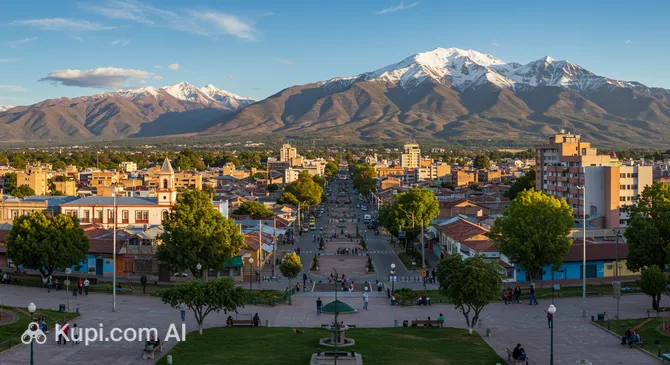
Malargüe is a cozy town hidden in the south of Mendoza province, right at the foot of the majestic Andes. Its geographical location is unique: it serves as a bridge between the rugged beauty of Patagonia and the sunny vineyards for which Argentina is so famous. Situated at an altitude of over a thousand meters above sea level, the city offers travelers breathtaking views of mountain plateaus and endless steppes.

Malargüe. Illustration.
Source: Kupi.com AI

It is home to about 27,660 people, giving the place a special atmosphere of intimacy and friendliness. Life in Malargüe flows at a measured pace, far from the hustle and bustle of major metropolises. Despite its relatively small population, the city is the administrative center of a vast department where the population density is one of the lowest in the country, creating a sense of space and freedom.

This destination is attractive at any time of year. In winter, fans of alpine skiing and snowboarding flock here due to its proximity to the famous Las Leñas resort, one of the best in South America. In summer, the region transforms into a gateway to natural wonders: volcanoes and mysterious caves. Malargüe's fascinating history and diversity of landscapes make it an ideal place for those who want to feel like a true explorer and enjoy the authentic culture of the region.

Weather Overview

The climate in Malargüe is characterized by pronounced seasonality, which is typical for mountain regions at the foot of the Andes. Summer (from December to February) is quite warm and pleasant: in January, the air warms up to an average of 24.2°C during the day, although nights remain cool with temperatures around 9°C. This is the most popular time to visit the region's natural attractions.

The winter months, especially June and July, bring cold weather. The average temperature in July drops to -0.3°C, and night frosts can reach -5.6°C. Expect warm summers and cold winters with a small amount of precipitation, which falls in the form of light rain or snow but happens quite often—up to 12 days a month.

The shoulder seasons are characterized by a gradual change in temperatures. For example, in April and October, daytime figures hover around 14–16°C, creating mild conditions for travel. To pack your suitcase correctly, we recommend checking the current weather in Malargüe before your trip.

Average monthly temperature

Average monthly precipitation

Interesting Facts

In addition to its main attractions, Malargüe holds many fascinating secrets and natural wonders that make this region truly special. Here are a few facts that will help you see this city in a new light:

  • It is home to one of the most mysterious natural attractions Argentina is famous for—Caverna de Las Brujas ("Witches' Cave"). This place is shrouded in myths: they say that deep within the halls, you can hear strange sounds, and the bizarre shapes of stalactites and stalagmites resemble frozen fairy-tale creatures.

  • The city's surroundings are a unique volcanic park. In the La Payunia Reserve, more than 800 extinct and dormant volcanoes are gathered in one area. This is one of the largest volcanic fields on Earth, where "Martian" landscapes create an incredible backdrop for photos.

  • Malargüe is a living center of Gaucho culture. The city regularly hosts a colorful festival dedicated to Argentine cowboys. Guests can see traditional horse parades, riding competitions, and folk dances, through which locals proudly demonstrate their heritage.

  • The water in this region is exceptionally pure thanks to glacial feeding. In addition, the Termas de Cajon Grande thermal springs are located here. It is an ideal place to relax in hot water under the open sky while admiring the majestic mountains.

How to Get There

Planning your route is an important part of a trip to the foothills of the Andes. Since the city is located in a remote part of Mendoza province, the journey here often becomes an adventure in itself. You can find out more about all the ways to get to the city to choose the most convenient option, and below we will look at the main transport hubs nearby.

Malargüe itself does not have a large civilian airport accepting regular long-haul flights, so travelers usually fly into neighboring cities. The closest convenient option for domestic flights within Argentina is San Rafael Airport (AFA). It is located in the city of San Rafael, about 146 km from Malargüe. This is a small regional airport that accepts flights from Buenos Aires. The journey from there by taxi or rental car takes about 2.5 hours.

If you are considering an international flight, check out Arturo Merino Benítez Airport (SCL). It is important to note that it is located in Santiago (Chile), on the other side of the Andes. Although the straight-line distance is about 257 km, the actual path along mountain roads will be longer and will require crossing a national border. This is the largest aviation hub in the region, accepting flights from all over the world.

For clarity, here is a summary of the main airports:

AirportPassenger trafficDistance
San Rafael Airport48 000146 km
Arturo Merino Benitez Airport26.3 mln257 km

As for rail connections, there are currently no direct passenger trains to Malargüe. The railway in this region is used primarily for freight or is not operational for tourists. Intercity buses and cars remain the primary ground transport. Traveling by car along the legendary Ruta 40 will give you unforgettable views of the steppes and mountain peaks.

Main Attractions

Malargüe is rightfully considered the capital of scientific and eco-tourism, a title Argentina is proud of. Unlike the province's traditional wine routes, the focus here is on unique geological formations and space exploration. Travelers will find sites that make them feel like explorers of undiscovered worlds.

One of the most unusual attractions is the Pierre Auger Observatory (Observatorio Pierre Auger). It is the world's largest experiment to study ultra-high-energy cosmic rays. Visitors can stop by the visitor center, which clearly demonstrates how scientists "catch" invisible particles from the depths of the universe. The space theme continues at the modern Malargüe Planetarium, which offers exciting digital shows and observations of the southern hemisphere's starry sky.

Fans of natural phenomena should head to Castillos de Pincheira. These majestic rock formations, resembling the ruins of an ancient castle, were shaped by the wind and the waters of the Malargüe River. Located just 27 km from the city, it is perfect for light trekking, picnics, and photo sessions against the backdrop of a picturesque canyon.

A special place on the list of attractions is held by the La Payunia Reserve. Although the trip here takes time, it is worth it: you will find yourself in the middle of the "black pampa"—a surreal landscape formed by the eruptions of dozens of volcanoes. Tours of this reserve allow you to see herds of wild guanacos against the backdrop of black lava fields, creating the feeling of a journey to another planet.

For wildlife watching, we recommend visiting the Laguna de Llancanelo Reserve. This extensive wetland is home to huge colonies of pink flamingos, black-necked swans, and hundreds of other bird species. It is one of the key ornithological areas in South America, attracting birdwatchers and photographers from all over the world.

Local Cuisine

Malargüe's gastronomy is a real feast for foodies, where high-quality meat takes center stage. The basis of the local cuisine consists of beef and lamb dishes cooked over an open fire—the famous asado. Meat from young animals raised on ecologically clean mountain pastures is particularly valued here. Thanks to this, steaks and ribs turn out incredibly tender, aromatic, and literally melt in your mouth, leaving an unforgettable impression of the region's culinary traditions.

If you want a quick snack on the go, be sure to try empanadas—popular pastries with various fillings of meat, cheese, or vegetables. Another local specialty often found in markets is chipá, a traditional Argentine cheese-flavored bread. Fans of natural farm products should look for homemade goat cheese, cured meats, and mountain honey. These delicacies will not only decorate your table but also make excellent gastronomic souvenirs.

An integral part of the culture Argentina is famous for is mate. In Malargüe, this invigorating drink is consumed everywhere: on the streets, in parks, in the mountains, and even during excursions. Mate here is a symbol of hospitality and friendship, often served with homemade flatbreads. Among alcoholic beverages, it is worth tasting local wines and liqueurs. They are produced at small family wineries, so the drinks have a special, "homemade" character and naturalness.

The food culture in the city is closely linked to outdoor recreation. Locals and tourists often organize picnics with a view of the Andes, enjoying simple but tasty food: hot sausages, empanadas, and sweets made from local fruits. In summer, life is in full swing at gastronomic festivals, where you can get acquainted with the full variety of Malargüe's cuisine and even learn how to cook traditional dishes yourself.

Travel Tips

Traveling to Malargüe is an immersion into a world of wild nature, volcanoes, and incredible starry skies. To make your trip to the foot of the Andes as comfortable as possible and leave only pleasant memories, we have prepared a list of practical recommendations to help avoid common mistakes.

  1. Clothing and equipment. The climate here is changeable, and the winds from the mountains can be piercing even in summer. Be sure to use the "layering principle": bring a fleece jacket and a windbreaker. For excursions to volcanic fields and caves, comfortable trekking shoes with thick soles are necessary. Don't forget sunglasses and a cream with high SPF—at high altitudes, the sun is very active.

  2. Transport. Public transport in the city is poorly developed and rarely goes to remote natural attractions. The best option is to rent a car, preferably a crossover or pickup, as many roads to interesting places are gravel. Taxis and "remises" (private transport at a fixed price) also work in the city, but apps like Uber may be unavailable or unstable here.

  3. Finances. The national currency is the peso. Although large supermarkets and hotels accept cards, Argentina is a country where cash still plays a key role, especially in small towns. Always carry a supply of cash for payments in small shops, at gas stations in remote areas, or at souvenir stalls. Tipping in restaurants is customary at around 10% of the bill.

  4. Health and safety. Malargüe is a very quiet and safe city where you can walk even in the evening. The main health risk is related to dry air and altitude: drink more water to avoid dehydration and headaches. Pharmacies (farmacias) operate on a standard schedule, but there is always one "de turno" (on call) open 24/7.

  5. Communication and language. The main language is Spanish; not everyone speaks English, so download an offline translator. Mobile connection and internet work well in the city itself, but outside it, in mountains and canyons, the signal often disappears completely. Download offline maps of the region to your navigator in advance.

  6. Local etiquette. Residents of Mendoza province are friendly and unhurried. An important part of the culture is the siesta: many shops and institutions close for a break from 1:00 PM to 5:00 PM. Don't try to resolve important matters during this time—better to rest as the locals do. When meeting, even people who barely know each other often kiss on the cheek—this is the standard greeting.

  7. What to avoid. It is strictly forbidden to collect and remove fossils, stones, or archaeological finds from protected areas. This is considered a serious violation of the heritage protection law. Also, avoid driving fast on gravel roads ("ripio")—the car can easily skid, and stones can damage the glass.

  8. Important tip for excursions. If you plan to visit the famous "Witches' Cave" (Caverna de las Brujas), tickets must be purchased in advance at the tourist center in Malargüe itself. There is no ticket office at the entrance to the reserve, and without a prior reservation, you simply won't be allowed in.

By following these simple tips, you can focus on the main thing—enjoying the majestic landscapes and unique atmosphere of this corner of South America. Malargüe is hospitable to those who respect its nature and rhythm of life!

Entertainment & Nightlife

Nightlife in Malargüe, like the city itself, is characterized by a quiet and cozy nature. You won't find noisy metropolitan clubs open until morning or huge entertainment complexes here. Instead, the city offers a warm "après-ski" atmosphere or relaxation after long hikes, where the main focus is on delicious food, good wine, and lively conversation. Most activity is centered along the city's main artery—San Martín Avenue (Avenida San Martín).

The magnets for evening leisure are restobars and pubs. In Argentina, dinner starts late, so establishments only begin to fill with people after 10:00 PM. The atmosphere here is democratic and relaxed: there is practically no dress code, and tourists in trekking boots feel just as comfortable as locals in casual wear. This is the perfect time to try craft beer, the production of which is actively developing in the region.

Among the specific places to spend a pleasant evening, Vobar is worth highlighting. This is a popular bar with an excellent selection of drinks and snacks, where young people often gather and modern music plays. If you are looking for more excitement, check out Casino de Mendoza (Malargüe branch). It is not just a place for roulette or slot machines, but also a venue where small concerts and shows often take place on weekends. Another well-known establishment is La Barraca, which often combines a pub format with a dance floor, attracting those who want to have fun until late at night.

In winter, during the ski season, the nightlife becomes noticeably livelier thanks to the proximity of the Las Leñas resort. Many tourists return to the city in the evening, filling the bars with energy and an international buzz. At this time, establishments often host themed parties and wine tastings from local bodegas.

In terms of safety, Malargüe is one of the quietest cities in the province. Walking through the center in the evening poses no threat, and the streets are well-lit. However, if you stay out late or your accommodation is on the outskirts, it is recommended to call a taxi or a "remis" (a private taxi with a fixed fare). This is inexpensive and saves you from having to navigate an unfamiliar neighborhood in the dark.

Speaking of daytime entertainment, the city offers interesting cultural leisure activities. Be sure to visit the Malargüe Regional Museum (Museo Regional Malargüe), which houses paleontological and archaeological finds. It is also worth stopping by Plaza San Martín or "Parque del Ayer" (Yesterday's Park), where craft fairs and outdoor city festivals often take place.

Parks & Museums

The cultural and natural landscape of Malargüe offers tourists a surprising contrast: here you can enjoy the silence of green oases in the middle of arid foothills, and then plunge into the mysteries of the universe and ancient history. The city harmoniously combines places for relaxed outdoor recreation with advanced scientific and historical exhibits.

Among the green zones, a special place is held by Parque del Ayer (Yesterday's Park). This is the true "lungs" of the city—a dense man-made forest that provides saving coolness on hot summer days. The park is perfect for leisurely walks, picnics, and morning jogs. Located on its territory are the historic buildings of a former estate, giving the place a special atmosphere of antiquity and comfort.

Another unique open-air attraction is the Labyrinths of Carmona (Laberintos de Carmona). This complex consists of two living shrub labyrinths: one square and one round. It is not just a park, but a fascinating attraction for the whole family where you can test your sense of direction. An observation tower offers a magnificent view of the green corridors and the majestic peaks of the Andes on the horizon.

The museum life of the city is closely intertwined with science and paleontology. The main guardian of history is the Malargüe Regional Museum (Museo Regional Malargüe Jorge Luna). It is located in a historic building in Parque del Ayer. The museum's collection is rich in archaeological and paleontological finds, including fossils of marine reptiles that lived here millions of years ago when this area was an ocean floor. It is a must-visit if you want to understand the geological past of the region.

A completely different experience is offered by the Malargüe Planetarium. This is a modern complex with a digital dome that is part of a scientific tourism program. It hosts fascinating shows about space, stars, and galaxies. The planetarium works closely with the world-renowned Pierre Auger Observatory, making complex astrophysical phenomena understandable and interesting for the general public.

Architecture and history buffs should take note of the Rufino Ortega Historical Mill (Molino Histórico). Built at the end of the 19th century, it is a national historical monument and a symbol of the region's agricultural past. The mill was the first of its kind in this part of the province and played a key role in the development of local farming. Today, this picturesque site serves as a reminder of the first settlers' times.

For those looking for authentic experiences, we suggest a stroll to the Clock Tower (Torre del Reloj) in the city center. This is a popular meeting place for locals and a great photo spot. In the evening, the tower is beautifully lit, creating a romantic atmosphere in the main square.

Getting Around

The transport system of Malargüe corresponds to the measured pace of life in this small city. You won't find subways, trams, or trolleybuses here. The city is compact, and many distances in the center are easily covered on foot; however, for trips to remote areas or to the start of tourist routes, you will need transport.

The main form of public transport is buses (colectivos). The route network within the city is not very extensive, but it connects the center with residential neighborhoods and key sites. It's worth considering that intervals can be quite long, especially on weekends and during the siesta. Schedules at stops are not always up-to-date, so it's better to check departure times with locals or at the bus station.

To pay for travel on public transport, as in many regions, a unified SUBE card is used. If you have come from Buenos Aires or Mendoza, your card will work here as well. You can purchase it and top up your balance at kiosks with the corresponding logo or at lottery agencies. It is important to remember: bus drivers do not accept cash, so you should take care of having a charged card in advance.

The most popular and convenient alternative to buses are remises. This is a type of taxi that is even more common in Argentina than classic "checkered" cars. The main difference is that a remis does not pick up passengers on the street but is ordered by phone or through messengers, or taken from a special stand (remisería). Fares here are often fixed or depend on the travel zone, making the cost predictable and often more advantageous than a regular taxi.

Given the specifics of the region, where the main beauties are outside the city limits, many tourists prefer renting a car. This gives freedom of movement along the famous Ruta 40 and the ability to reach volcanic fields or ski slopes at your own pace. There are several rental agencies in the city, offering, among other things, the SUVs necessary for dirt roads.

For moving directly through the streets of Malargüe during the warmer months, a bicycle is an excellent choice. The city's terrain is fairly flat and the traffic is calm, making cycling safe and pleasant. Some hotels and hostels offer bicycle rental services for their guests.

Accommodation

Where to stay:

Malargüe offers travelers a variety of accommodation options that perfectly match the adventurous spirit of this region. You won't find skyscrapers with global brand hotel chains here, but the city is famous for its cozy and atmospheric places to stay. The most popular format of accommodation here is cabañas—individual cottages or bungalows with their own kitchen and parking. They are ideal for families and groups traveling by car, creating a home-away-from-home feeling.

For those who prefer classic service, middle-class hotels and small inns (posadas) operate in the city. They offer comfortable rooms, breakfast, and often assistance in organizing excursions. Budget travelers and young people can stay in hostels, where a friendly atmosphere reigns and it is easy to find travel companions for trips to the mountains. Renting private apartments is also gaining popularity, which is convenient for longer stays.

The geography of accommodation in Malargüe is quite simple and convenient. Most hotels and hostels are concentrated along the main transport artery—San Martín Avenue (Ruta 40) and its adjacent streets. Staying in the center provides walking distance to restaurants, shops, the tourist office, and the bus station. If you are looking for peace and harmony with nature, consider options on the outskirts of the city or in the countryside (zona rural), where windows offer panoramic views of the Andes and poplar alleys.

When planning a trip, it is important to consider seasonality. Malargüe is a strategic point for skiers heading to the Las Leñas resort, so in the winter season (especially in July and August), demand for housing rises sharply, and prices peak. The second high season falls in January and February, when Argentines go on summer vacations. During these periods, it is highly recommended to book accommodation several weeks or even months before arrival.

The price range varies from democratic options in campsites and hostels to more expensive offers in boutique hotels and comfortable cottage complexes. You can book accommodation through popular international online platforms; however, many small cabañas and family hotels prefer direct communication via messengers or phone. It is worth noting that when booking directly and paying in cash pesos, owners are often ready to offer a small discount.

Nearby Cities

For those who want to explore the surroundings, Malargüe serves as an excellent starting point for day trips to several interesting nearby locations:

CityPopulationDistance
San Rafael118 009149 km
Chimbarongo33 446159 km
Teno27 532159 km
Molina40 329160 km
Curicó136 954162 km

San Rafael is the most convenient option for a busy day trip, as it is located closest to Malargüe. This city is called the "heart of Mendoza" due to its picturesque landscapes. The main attraction here is the Atuel Canyon (Cañón del Atuel) with its majestic rocks and river, perfect for rafting. San Rafael is also famous for its wineries and olive groves, where you can enjoy tastings of local products.

The provincial capital, Mendoza, although requiring a longer journey, is a must-visit in the region. It is a green oasis with wide avenues and the famous General San Martín Park. The city is known as the world capital of Malbec wine. Tourists come here to enjoy fine dining, visit historic squares, and feel the rhythm of a large city against the backdrop of the snow-capped Andes.

Godoy Cruz, which is part of the Greater Mendoza metropolitan area, is interesting for its combination of history and modernity. Here you can see old winery buildings transformed into cultural centers and visit popular shopping districts. This place is great for those who want to get to know the urban culture of the region and see how winemaking traditions are woven into modern architecture.

These nearby destinations provide an insight into the diverse culture and landscapes of the region.

Shopping & Souvenirs

Shopping in Malargüe is not about chasing global brands in huge shopping centers, but rather a cozy immersion into local traditions and crafts. The city cannot boast massive malls, but it more than makes up for it with authenticity. Here, the shopping process resembles a friendly visit: shop owners are often behind the counter themselves, ready to tell the story of each product and offer a tasting. It is an ideal place for those looking for unique things with a "soul," created by the hands of local artisans, rather than mass production.

The main shopping artery of the city is San Martín Avenue (Avenida San Martín). It is along this central street that most of the shops, pharmacies, banks, and souvenir stalls are concentrated. Walking down the avenue is the easiest way to find everything you need: from tourist equipment for mountain hiking to cozy little shops with clothing and gifts. Unlike the confusing streets of large metropolises, navigation here is intuitive, and you are unlikely to get lost.

There are no large shopping centers in the conventional sense (with cinemas and food courts) in Malargüe. Their role is played by so-called "Casas de Regionales"—large stores for regional goods. These are a kind of department store for tourists, where everything the province is rich in is gathered under one roof: from wines and delicacies to clothing and interior items. Such places are very convenient if you have little time and want to buy gifts for all your friends and relatives in one place.

For those looking for true local color, the Mendoza Craft Market (Mercado Artesanal Mendocino), which has a branch in the city, is definitely worth a visit. Here, the best masters of the region, who have passed a strict selection, exhibit their works. Also, on weekends and holidays, an open-air craft fair often unfolds in Parque del Ayer. This is a lively, colorful space where you can buy knitted items, ceramics, and chat with the artisans themselves in an informal setting.

When choosing souvenirs, pay attention to the region's gastronomic brands. The "king" of local purchases is goat (chivito) products, such as pâtés or pickled meat (escabeche). Those with a sweet tooth will enjoy homemade jams, especially those made from local berries, and, of course, Argentine honey of exceptional quality. Among non-edible souvenirs, look for leather and wool products made in the traditional Gaucho style, as well as jewelry made of semi-precious stones, which the local mountains are rich in.

When planning a shopping trip, it is important to remember the local daily routine. Malargüe sacredly observes the tradition of the siesta. Most shops are open from 9:00 AM to 1:00 PM, then close for a long break and only resume work after 5:00 PM, remaining open until 9:00 PM or 10:00 PM. Large supermarkets may work without a break, but this is rather an exception.

As for payment, despite the development of technology, cash pesos remain the most reliable means of payment, especially in markets and small souvenir shops. Cards are accepted in hotels, restaurants, and large shops on the main street, but terminals may work intermittently due to connection problems. The Tax Free system (VAT refund) is practically non-existent in the city, as it is mainly oriented toward large tourist hubs like Buenos Aires.
Reached the end of the page?

That means the route is fully explored