Support

Presidencia Roque Saenz Pena

About

Presidencia Roque Sáenz Peña is the second largest and most significant city in the Chaco Province, located in the north of the country. Often referred to by locals simply as "Sáenz Peña," this vibrant center attracts travelers with its unique character, combining urban comfort with proximity to wild nature. Located on the plains of the Gran Chaco, the city serves as an excellent starting point for exploring how diverse and amazing Argentina truly is.
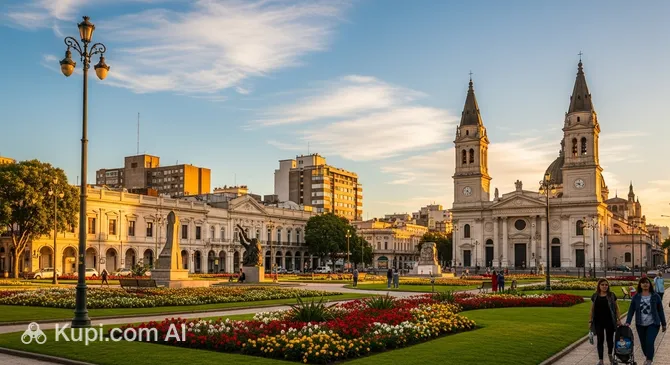
Presidencia Roque Sáenz Peña. Illustration.
Source: Kupi.com AI

With a population of about 110,000, the city boasts a developed infrastructure while maintaining a cozy atmosphere. The climate here is subtropical, with warm summers and mild winters, which is perfect for walking and outdoor activities. Although the history of Presidencia Roque Sáenz Peña spans just over a hundred years, in that time the settlement has grown from a small railway stop into an important agro-industrial and tourist hub for the region.

The city is widely known as the "Thermal Capital" of the province. The main point of attraction for tourists is a modern thermal spring complex, where you can enjoy healing waters and spa treatments. Another unique landmark is the Municipal Ecological Complex — a vast park and reserve where vital work is carried out to preserve rare species of South American fauna. Here, animals live in spacious enclosures amidst natural vegetation, making a visit to the park an unforgettable experience for nature lovers.

If you are planning a route through the north of the country, be sure to include a stop in Presidencia Roque Sáenz Peña. This place will give you the chance to relax in healing waters and see rare animals while enjoying the hospitality of the Argentine hinterland.

Weather Overview

The climate in the city is typical for the Chaco region: a subtropical weather prevails here with distinct seasons. Summer is usually hot, while winters offer pleasant coolness and less rain. Before your trip, check the current weather in Presidencia Roque Sáenz Peña to properly plan your wardrobe and activities.

The hottest period is in January, when average temperatures reach 28.6°C, and the thermometer often rises to 34°C during the day. This time of year also features the highest number of rainy days — up to 10 days per month. Transitional seasons, such as April and October, offer more moderate conditions with average temperatures around 23–24°C, creating a comfortable atmosphere for excursions.

Winter months, from June to August, bring noticeable relief from the heat. In July, the coolest month, the average temperature is about 16.9°C, and nights become quite crisp, with a minimum around 11.6°C. Expect a hot summer with occasional rain and mild, mostly dry winters, which are great for visiting the thermal springs.

Average monthly temperature

Average monthly precipitation

Interesting Facts

In addition to its main attractions, Presidencia Roque Sáenz Peña holds many fascinating secrets and historical features that reveal themselves only to inquisitive travelers. Here are a few facts to help you better understand the character of this place:

  • Accidental discovery of a treasure. The city gained its status as the "thermal capital" thanks to a stroke of luck. In 1937, engineers were drilling in search of ordinary drinking water for the population. To their surprise, instead of fresh water, hot mineral springs with healing properties gushed from the well.

  • A tribute to democracy. The city bears the name of the country's president, Roque Sáenz Peña, who played a key role in the history of the region's democracy. He was the initiator of the famous law of 1912, which established universal, secret, and compulsory suffrage in the state.

  • More than just a zoo. The local Municipal Ecological Complex is considered one of South America's largest centers for the rehabilitation of wild animals. On more than 150 hectares, specialists don't just keep animals; they treat and rehabilitate injured individuals, many of whom are later returned to the wild.

  • European flair in the heart of Chaco. Strolling through the streets, you might notice an unusual cultural mix. The city became home to large communities of immigrants from Eastern Europe, particularly Czechs, Bulgarians, and Montenegrins. Their influence is still felt in the local gastronomy and traditional festivals, which are celebrated here with special flair.

How to Get There

When planning a trip to this corner of Chaco Province, it is important to think through the logistics in advance, as there are no direct flights to the city itself. Most often, the route includes a flight to the provincial capital or a neighboring region, followed by a transfer. You can find all the details, schedules, and alternative routes on the page how to get to Presidencia Roque Sáenz Peña.

The closest and most convenient hub for travelers is Resistencia Airport (RES). It is important to note that it is not located in Presidencia Roque Sáenz Peña itself, but in the province's administrative center — the city of Resistencia, located about 154 km away. This is a fairly busy regional airport. A trip from here to your final destination by taxi or intercity bus will take about 4 hours.

As an alternative, you can consider Cambá Punta Airport (CNQ), located in the city of Corrientes. It is approximately 180 km from Presidencia Roque Sáenz Peña. The journey by land transport from this airport will take about 5 hours. Both airports regularly receive flights from Buenos Aires, making them the main gateways to the region.

For clarity, here is summary information on the main airports:

AirportPassenger trafficDistance
Resistencia Airport285 010154 km
Camba Punta Airport186 000180 km
El Pucu Airport105 000229 km

Regarding rail services, they are practically irrelevant for tourists in this region. The primary way to travel by land is comfortable intercity buses (micros). The city is located on the strategically important National Highway 16, which connects it to the eastern part of the country. The Presidencia Roque Sáenz Peña bus station receives many services from Resistencia, Córdoba, and Buenos Aires, offering travelers a budget-friendly and reliable way to reach the city.

Main Attractions

The city offers travelers a unique combination of wellness recreation and immersion in the nature of the Chaco region. Although the list of attractions here is not as extensive as in major metropolises, each site has its own unique character and deserves attention.

The Thermal Complex (Complejo Termal) is undoubtedly the city's hallmark. It is thanks to these springs that Presidencia Roque Sáenz Peña gained its reputation as one of the region's main spa resorts. The water here is highly mineralized and is considered therapeutic for the musculoskeletal system and skin. Tourists come here to relax in the warm pools, visit the sauna, or book a massage session. It is an ideal place to recharge after a long journey across Argentina.

The Municipal Ecological Complex (Complejo Ecológico Municipal) is impressive in its scale and approach to animal care. It is not just a zoo, but a huge reserve of over 150 hectares where tapirs, jaguars, anteaters, and many bird species live in conditions as close as possible to their natural habitat. The complex performs an important function in preserving the rare fauna of the Gran Chaco. For visitors, there are convenient walking paths and picnic areas, making the park a great place for a full day of family fun.

The Foundation Museum (Museo de la Fundación) will be of interest to those who want to learn more about the history of the development of these lands. Housed in a historical building, the museum's exhibition tells the story of the first settlers, the development of the cotton industry, and the construction of the railway that gave life to the city. Here you can see old photographs, tools, and everyday objects that allow you to touch the past of this hardworking region.

San Roque Cathedral (Catedral San Roque) is the main religious and architectural monument in the central part of the city. This elegant building draws attention with its simple beauty and peaceful atmosphere. The cathedral serves not only as a place of prayer for locals but also as an important landmark for tourists strolling through the central streets.

Local Cuisine

The gastronomic scene of Presidencia Roque Sáenz Peña is a vivid reflection of the cultural diversity of the Chaco region. Here, the traditions of indigenous peoples and Creole cuisine are harmoniously intertwined with the culinary customs of immigrants from Eastern Europe. The basis of the menu, as in all of Argentina, is meat, but local cooking styles and side dishes give the dishes a unique northern flavor.

The main dish on any table remains asado — an assortment of various types of grilled meats. However, in this region, it is worth paying special attention to river fish dishes. Due to the proximity of large rivers, local restaurants often serve pacú or surubí. This fatty and tender fish is prepared over coals with lemon and herbs or baked in dough. Instead of the usual potatoes, boiled or fried mandioca (cassava) is often offered as a side dish, which is a staple food in the north of the country.

The influence of immigrants from the Czech Republic, Bulgaria, and Montenegro brought a love for smoked meats and homemade sausages to the local cuisine, which can be found in markets or specialized shops. For dessert, be sure to try sweets made from local fruits, such as mamón (a type of papaya) or cayote (a type of squash) preserves, often served with slices of cheese. This simple but surprisingly delicious combination is called "postre vigilante."

Due to the hot subtropical climate, the drink culture here has its own characteristics. While hot mate is drunk throughout the country, in Presidencia Roque Sáenz Peña, the king of drinks is tereré. This is a cold version of mate, brewed with ice water or fruit juices with the addition of refreshing herbs like mint or lemon balm. It is not just a drink, but a true ritual for escaping the heat and an occasion for socializing with friends.

Locals prefer to have dinner late, when the heat subsides. The most popular places to eat are traditional parrillas (steakhouses), where a relaxed family atmosphere prevails. The craft brewing culture is also developing in the city, and you can try decent local varieties in small bars that pair perfectly with meat snacks.

Travel Tips

A trip to Presidencia Roque Sáenz Peña will offer you a unique experience of getting to know Chaco Province, but it requires a little planning due to climate and cultural characteristics. These tips will help you prepare for your trip and feel at home during your visit to this city in northern Argentina.

  1. Clothing and Climate Protection. Given the subtropical climate, opt for light clothing made from natural fabrics such as cotton or linen. Be sure to bring a swimsuit and flip-flops for visiting the famous thermal springs. It is also critical to carry sunscreen with a high SPF and a strong repellent: there are many insects in the Chaco region, especially in the evening and when visiting nature parks.

  2. Getting Around Town. While city buses run here, their routes can be confusing for a tourist. The most convenient and inexpensive way to get around is by remises (private taxis with a fixed fare), which are best ordered by phone or through a hotel receptionist. The city center is quite compact and pleasant for walking, especially in the evening.

  3. Finances and Cash. The official currency is the Argentine peso. Large supermarkets and hotels accept cards, but in small shops, kiosks, and taxis, cash is king. There are ATMs in the city, but they may run out of cash on weekends. It is recommended to always carry a supply of small bills for tips and minor expenses.

  4. Siesta and Business Hours. This is perhaps the most important aspect of the local lifestyle. From 1:00 PM to 5:00 PM, the city practically grinds to a halt: shops, banks, and many institutions close. Do not plan any active shopping or important business for this time. Use these hours to relax by the pool or have lunch at one of the few restaurants that remain open.

  5. Communication and Language. The main language of communication is Spanish; English is not widely spoken. Download an offline translator and a city map to your phone. For stable internet, it is better to buy a local SIM card (e.g., Personal or Claro) at official stores or kiosks, as public Wi-Fi can be unreliable.

  6. Health and Water. Despite the presence of thermal waters, drinking tap water is not recommended. Buy bottled water in supermarkets. Pharmacies (farmacias) in the city are well-stocked, and you can always find a 24-hour duty pharmacy if you need assistance.

  7. What to Avoid. Don't refuse if locals offer you tereré (a cold herbal infusion) from a shared vessel — it's a sign of trust and friendship. Refusing can be seen as disrespectful. Also, avoid walking through unlit outskirts of the city at night; stick to central streets and tourist zones.

  8. Tip for Visiting the Eco-park. If you plan to visit the Municipal Ecological Complex, it's best to arrive early in the morning. It's not as hot then, and the animals are much more active, allowing you to take great photos and have a better experience.

The city of Sáenz Peña has a way of making you fall in love with its measured pace and the sincere warmth of its residents. Let these simple recommendations make your stay here easy, safe, and filled with only pleasant moments and discoveries.

Entertainment & Nightlife

Nightlife in Presidencia Roque Sáenz Peña, as in many cities of the Argentine north, wakes up late and is characterized by a warm, friendly atmosphere. Thanks to the subtropical climate, locals love to spend their evenings on open terraces, enjoying the cool air after a hot day. The city is a student hub due to the presence of a university, so there are always many young people around, and entertainment can be found for every taste — from quiet dinners to dancing until dawn.

The epicenter of evening activity is the city center, especially the area around the main square and pedestrian zones. The main "artery" of entertainment is 12th Street (Calle 12) and the surrounding blocks. This is where most cafes, bars, and restaurants are concentrated, filling up with people closer to 10:00 PM. On weekends, the streets come alive: music echoes from every establishment, and the sidewalks turn into places for meetings and long conversations.

For those looking for excitement and bright shows, the main attraction is Casino Platinum. This is part of the well-known Gualok hotel complex, considered one of the most prestigious spots in the city. Here you can not only try your luck at slot machines or roulette tables but also visit a bar with excellent cocktails. The casino often hosts live music concerts and entertainment programs, making it a popular spot for a more mature and respectable audience. The dress code here is smart casual.

Fans of a more informal setting should check out the numerous pubs and beer bars (cervecerías) that have become very popular in recent years. They serve locally produced craft beer and traditional snacks. The atmosphere in such places is democratic and cheerful. If you want to dance, keep in mind that nightclubs (boliches) open their doors after midnight, and the real peak of the fun doesn't arrive until 2:00–3:00 AM.

In addition to bars and clubs, the city offers quieter leisure options. The Municipal Cultural Center (Centro Cultural Municipal) and the historical cinema often offer evening performances, movie screenings, or exhibitions. This is a great way to start the evening before dinner. During the day, entertainment is more educational: you can visit museums dedicated to the history of the city and the railway or walk along the shaded alleys of the main square.

Practical tips for tourists:

  • Safety: The city center and tourist zones are considered safe for evening walks. However, as elsewhere, it is worth staying vigilant and not leaving things unattended. Avoid unlit streets on the outskirts.
  • Transport: Public transport runs infrequently at night. The most reliable way to get to your hotel is to book a remis (a private taxi with a fixed price). They can be called by phone or found at special stands in the center.
  • Prices: The cost of dinner and drinks here is significantly lower than in the country's capital, Buenos Aires, which will pleasantly surprise travelers.

Parks & Museums

Presidencia Roque Sáenz Peña offers travelers an immersion into an atmosphere where the history of land development intertwines with the lush nature of the Chaco region. The city's green zones serve not only as places for relaxation but also as important centers for biodiversity conservation, while museums carefully preserve the memory of the efforts that turned this corner into a thriving agro-industrial center.

The main natural attraction is undoubtedly the Municipal Ecological Complex (Complejo Ecológico Municipal). This place goes far beyond a typical zoo: a true flora and fauna reserve has been created on a massive 150-hectare territory. Tourists can stroll along shaded paths, observing animals in spacious enclosures that closely mimic their natural habitat. The park is perfect for a family picnic: there are recreation areas with grills, playgrounds, and a lake where you can feed the ducks. It is truly the "green lung" of the city, where it's easy to spend an entire day.

In the heart of the city lies Plaza San Martín — the central park and a favorite meeting spot for locals. This well-maintained space features fountains, sculptures, and majestic trees characteristic of the region. It is especially beautiful here in the spring when the lapacho trees bloom, painting the alleys in bright pink tones. The square is surrounded by historical buildings and cafes, making it an excellent starting point for walking tours of the center.

To get acquainted with the cultural heritage, visit the Foundation Museum (Museo de la Fundación). Housed in a historic building, it tells the fascinating story of the city's origins. The exhibition is rich with photographs of the first settlers, household items from the early 20th century, and tools used for tilling the soil and growing cotton. The museum allows you to understand how a multinational community of immigrants built a life in the harsh conditions of the Chaco.

No less interesting is the Railway Museum (Museo Ferroviario), located on the station grounds. The railway played a key role in the region's development, and this museum pays tribute to the era of steam locomotives. Here you can see old engines, signal lanterns, telegraphs, and uniforms of railway workers from years past. This atmospheric place will be particularly interesting for fans of technology and transport history.

If you are looking for authentic experiences, check out the Municipal Cultural Center (Centro Cultural Municipal). Temporary exhibitions by local artists and photographers are often held here, conveying the spirit and color of life in the province through art. Attending such events is a great way to see Argentina through the eyes of its residents, away from standard tourist routes.

Getting Around

The transport system in Presidencia Roque Sáenz Peña is quite simple and functional, typical for cities of this size in the region. You won't find a metro, trams, or trolleybuses here — the city is fairly compact, and main passenger transport is handled by land vehicles. For a tourist, this means no complex navigation: you can figure out the routes in just a couple of minutes.

The foundation of public transport consists of city buses, which locals call "colectivos." The route network covers the center, residential areas, and key tourist sites such as the Thermal Complex and the Ecological Park. Buses run regularly, but it's worth noting that during siesta hours (roughly from 1:00 PM to 5:00 PM) and on weekends, the intervals between buses can increase significantly. This is a budget-friendly way to get around and immerse yourself in the rhythm of local life.

The public transport payment system in Argentina is unified, and the SUBE contactless card is generally used here. Tourists are strongly encouraged to purchase this card immediately upon arrival in the country (at kiosks or lottery points) and top up the balance. Validators are installed at the bus entrance next to the driver. In some cases, cash or local cards might still be accepted in small towns, so it's best to check the current payment method with the driver or at your hotel before your first trip.

The most popular and convenient alternative to buses are remises. This is a type of private taxi that differs from a regular taxi in that it doesn't have a meter, and fares are often fixed or depend on the travel zone. An important feature: you cannot hail a remis on the street with a wave of your hand. You must order the car by phone, through a hotel receptionist, or take one at special stands (remiserías). This is the safest and most comfortable way to reach distant attractions or return to your hotel late at night.

For those who prefer independence, car rental services are available in the city. This is a great option if you plan to travel outside the city limits and explore the province. Bicycle rentals are less common, but thanks to the flat terrain, a bike can be a good means of transport if you're prepared for high temperatures. Walking is comfortable mainly in the central part of the city and in the evening when the heat dies down.

An interesting feature of the region's transport landscape is the presence of a railway. A regional train line operated by the SOFSE company passes through the city, connecting Sáenz Peña with the settlement of Chorotis. While this train is rarely used by tourists as urban transport, it represents a colorful and very cheap way to see the province's landscapes from a train window. It's best to check the schedule at the station in advance, as trips are infrequent.

Accommodation

Accommodation options in the city of Presidencia Roque Sáenz Peña are primarily oriented towards practical travelers and those coming for wellness. It is difficult to find international luxury chain resorts here; however, the city offers a decent selection of cozy mid-range hotels, budget guesthouses, and apartments that provide a comfortable stay after a busy day.

When choosing an area, you should focus on the purpose of your visit. Most tourists prefer to stay in the central part of the city, around Plaza San Martín and the Calle 12 pedestrian street. This is a strategically convenient location: all the city's life is concentrated here, with the best restaurants, banks, and shops nearby, and you can walk safely in the evening. Another popular location is the area in the immediate vicinity of the Thermal Complex. Hotels in this area are ideal for those who have come specifically for therapeutic spa treatments and want to be within walking distance of the springs.

The city's hotel infrastructure is quite diverse. The hallmarks are the hotels at the thermal and entertainment complex, which offer guests a high level of service, pools, and spa access. For more budget-conscious travelers and transit tourists, many small family-run hotels and hostels operate in the center. They offer clean rooms, basic breakfast, and Wi-Fi at very affordable prices. In recent years, short-term apartment rentals have also been gaining popularity, which is convenient for families or groups of friends.

The price range in the city can be described as moderate and accessible, especially compared to Buenos Aires or the tourist centers of Patagonia. Most options belong to the budget and mid-range segments. As for booking methods, large and well-known hotels are featured on popular international online platforms. However, for renting small apartments or rooms in private mini-hotels, it is often more effective and cheaper to contact the owners directly through local websites or messengers.

While a critical shortage of housing rarely occurs here, experienced travelers recommend booking rooms in advance if your trip coincides with major regional events, such as the National Cotton Festival (Fiesta Nacional del Algodón), or long weekends. During such periods, demand increases sharply, and the best options disappear quickly.

Nearby Cities

For those who want to explore the surroundings, Presidencia Roque Sáenz Peña serves as an excellent starting point for day trips to several interesting nearby locations:

Just an hour and a half away is Villa Ángela — the third most important city in the province. It is especially famous for its vibrant carnivals, which take place in the summer months (usually February) and are considered among the best in the region. This is a great option for getting to know Chaco's festive traditions and immersing yourself in an atmosphere of unrestrained fun.

If you are up for a longer trip, it is worth visiting the province's administrative center — the city of Resistencia. It is often called the "City of Sculptures" (Ciudad de las Esculturas), as more than 600 works of art are installed on its streets, squares, and in open-air parks. It is a true museum without walls, where cultural life is in full swing.

Very close to Resistencia, on the banks of the majestic Paraná River, lies the historical city of Corrientes. It attracts travelers with its famous waterfront (Costanera), one of the most beautiful in the country, and colonial architecture. Here you can enjoy river views, try fresh fish, and get to know the birthplace of the chamamé musical genre.

CityPopulationDistance
Quitilipi32 08322 km
Machagai21 99741 km
Campo Largo10 74341 km
Tres Isletas24 74751 km
Villa Berthet12 02954 km

These nearby destinations provide a glimpse into the diverse culture and landscapes of the region.

Shopping & Souvenirs

Shopping in Presidencia Roque Sáenz Peña is an opportunity to get to know the authentic life of Chaco Province. You won't find massive shopping malls or global luxury brand boutiques here as you would in the capital. Instead, the city offers cozy shops with quality local goods, handicrafts, and regional products. Shopping here is a calm process, free from the bustle of metropolises, allowing you to find unique items that reflect the soul of this agricultural land.

The heart of the city's commercial life is 12th Street (Calle 12), also known as San Martín Street. This is the main commercial artery, where life hums from morning until late evening (with a break for siesta). Strolling along it and the adjacent blocks in the center, you will find shops for clothing, shoes, sporting goods, electronics, and perfumes. It is an ideal place for a walk: storefronts alternate with ice cream parlors, creating a pleasant atmosphere for shopping.

There are no large shopping and entertainment centers in the usual sense in the city. Trade is concentrated in small galleries and passages along the central streets, as well as in large supermarkets where you can buy groceries and basic necessities. The lack of giant malls is compensated for by the attentive service in private shops, where owners often stand behind the counter themselves and are ready to help with choices.

Special attention should be paid to local markets and craft fairs, which often set up on the central Plaza San Martín or in designated areas on weekends. Here you can meet artisans from the indigenous Qom and Mocoví communities selling their traditional products. This is the best place to find truly unique handmade items created using techniques passed down through generations.

When choosing souvenirs, remember that Chaco Province is the country's cotton capital. Therefore, natural cotton textiles here are of excellent quality and available at affordable prices, from T-shirts and dresses to home textiles. It is also worth looking for wood carvings (especially from algarrobo), woven baskets, and ceramics with ethnic patterns. Popular gastronomic souvenirs include local honey, tropical fruit jams, and sweets made from carob fruit.

When planning your shopping, it is critical to take the local daily routine into account. In Presidencia Roque Sáenz Peña, the siesta is strictly observed. Most shops open around 8:00–9:00 AM, work until 12:30 or 1:00 PM, and then close for a long break. Business resumes only after 5:00 PM and continues until 9:00 or 10:00 PM. On Sunday, most shops are closed, except for large supermarkets.

Regarding payment, the national currency is the peso. In supermarkets and large stores on the main street, credit and debit cards are accepted without issue. However, in small souvenir shops, kiosks, and at fairs, cash is preferred. It is recommended to always carry small bills. The Tax Free system (VAT refund) is practically non-existent in the city, as it is oriented towards major tourist centers like Buenos Aires, so don't count on tax refunds here.

Reached the end of the page?

That means the route is fully explored