Support

Port Augusta

About

Port Augusta is not just a point on the map, but a true crossroads opening the way to amazing adventures. Located at the head of the Spencer Gulf, this city is often called the "Gateway to the Outback," as many tourists begin their exploration of the continent's wilderness from here.

Situated in the state of South Australia, Port Augusta serves as a vital transport hub, bringing together travelers journeying across the country. Despite its modest population, the city boasts a well-developed infrastructure and a unique character shaped by its hot semi-arid climate and proximity to the ocean.

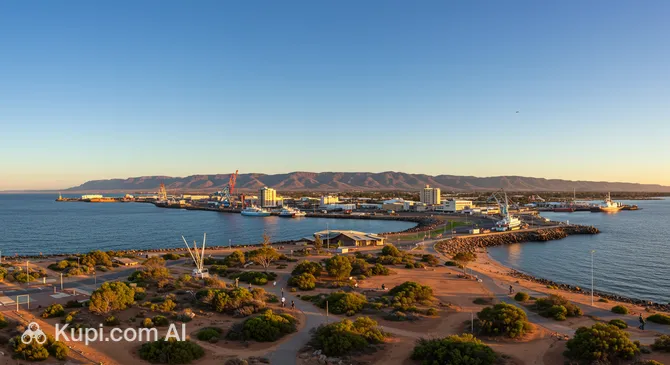
Port Augusta. Illustration.
Source: Kupi.com AI

The rich history of Port Augusta is inextricably linked to the sea and the railways. Walking through the streets, you can feel the spirit of the past when the city was a key port for wool and wheat exports. Today, it is an ideal destination for those who want to learn more about the region's culture and nature.

Among the main attractions, the Wadlata Outback Centre stands out, where interactive exhibits tell the story of geology and Indigenous peoples. A visit to the Australian Arid Lands Botanic Garden, showcasing the desert's surprising flora, is also a must. Additionally, the city serves as an excellent starting point for trips to the picturesque Flinders Ranges.

If you are planning a major journey across the continent, be sure to make a stop in Port Augusta. Here, you can enjoy magnificent sunsets over the gulf, experience local hospitality, and prepare for further discoveries.

Weather Overview

The climate in this region is typical for the semi-arid zones of South Australia: dry and sunny weather prevails. Summer, which lasts from December to February, can be quite hot. January is considered the warmest month, with average daytime temperatures reaching 32.8°C, so sunscreen and a hat will be your main companions.

Winter (from June to August) brings a welcome coolness but remains comfortable for travel. In July, the coldest month, daytime temperatures stay around 16.4°C, and at night they can drop to 5.7°C. This is an ideal time for those who do not tolerate heat well and plan for long outdoor excursions.

Rainfall is rare here at any time of year, and humidity levels remain low. Expect a hot summer with almost no rain and cool, mostly dry winters. To plan your travel wardrobe as accurately as possible, we recommend checking the current weather in Port Augusta before your flight.

Average monthly temperature

Average monthly precipitation

Interesting Facts

In addition to its main attractions, Port Augusta holds many fascinating secrets and unique features that can surprise even experienced travelers. Here are a few facts that reveal this city from a new perspective:
  • The city is home to the futuristic Sundrop Farms, which grows tomatoes in the middle of the desert using only solar energy and desalinated seawater. A giant field of mirrors concentrates the sun's rays, creating conditions for sustainable agriculture without the use of soil or pesticides.

  • Inside the famous Wadlata Outback Centre is the unique "Tunnel of Time." This attraction takes visitors back millions of years, allowing them to walk through the dinosaur era, learn about Aboriginal Dreamtime legends, and discover the continent's first explorers.

  • Port Augusta serves as an important base for the Royal Flying Doctor Service (RFDS). From here, medical teams fly out to help residents in the most remote corners of South Australia, covering an area larger than many European countries.

  • Historically, the city was known as a key point for camel drivers from Afghanistan and India, who helped develop Australia's interior. Their contribution to the development of transport routes through the desert is still honored in local culture and place names.

Wadlata Outback Centre. Illustration.
Source: Kupi.com AI

Traveler photos:

How to Get There

Port Augusta is a major transport hub in South Australia, so it can be reached in various ways. Most often, travelers combine a flight with a car or bus trip. You can find out more about how to get to Port Augusta on our dedicated page, which lists all available route options.

Port Augusta itself does not have a large passenger airport that handles regular long-haul flights. Most tourists fly into Adelaide Airport (IATA: ADL), located in the state capital, Adelaide. This is the region's largest international hub, situated about 281 km from Port Augusta. The journey from there by rental car or bus takes about 3–3.5 hours.

If you are looking for a closer option, you might consider the regional Whyalla Airport (IATA: WYA). It is located in the city of Whyalla, just 67 km from Port Augusta. This is the closest airport to your destination that accepts domestic flights. A taxi or transfer from here will take about 50–60 minutes, making it a convenient option for those who want to reduce ground travel time.

For clarity, here is a summary of the main airports:

AirportPassenger trafficDistance
Whyalla Airport50 00067 km
Olympic Dam Airport103 589238 km
Adelaide Airport8.7 mln281 km
Port Lincoln Airport172 500293 km

Rail travel also plays a role in the region's accessibility. The nearest major hub is the Adelaide Parklands Terminal (IATA: XHX), located in Adelaide, approximately 281 km from Port Augusta. Famous trains such as "The Ghan" and "Indian Pacific" depart from here, and their routes pass through Port Augusta. However, if considering the station as an arrival point for a further road transfer, the journey to the city will take over 3 hours.

Below is information about the nearest railway station:

StationPassenger trafficDistance
Adelaide Parklands Terminal281 km

Main Attractions

Port Augusta is where history intersects with the majestic nature of the Australian Outback. The city offers travelers a unique opportunity to experience the region's culture, see rare desert plants, and touch the heritage of the early settlers. Here is a list of the main attractions worth visiting.

The absolute leader among tourist sites is the famous Wadlata Outback Centre. It is not just a museum, but a true portal to the past. The center's pride and joy is the "Tunnel of Time," an interactive journey that transports you from the age of dinosaurs to the era of early European explorers and the lives of Indigenous peoples. Here you can learn everything about the region's geology, Dreamtime legends, and the harsh realities of desert life.

For nature lovers, the Australian Arid Lands Botanic Garden is an essential stop. This vast park, spanning over 250 hectares, demonstrates the incredible ability of flora to survive in extreme conditions. Stroll along the scenic trails to see rare species of eucalyptus and vibrant Eremophila flowers, and enjoy panoramic views of the Flinders Ranges.

Western Hotel. Illustration.
Source: Kupi.com AI

Traveler photos:

To feel the atmosphere of old Australia, stop by the historical Western Hotel. The building, which has preserved the character of years gone by, is an excellent example of classic Australian pub architecture. It is a wonderful place to relax after a busy day, appreciate local hospitality, and feel the spirit of a city that was once a bustling port hub.

Another city landmark is the Matthew Flinders Red Cliff Lookout. Located on a high bank, it offers breathtaking views of the Spencer Gulf and the red cliffs, which are particularly beautiful at sunset. This historic site is named after the famous navigator who explored these waters in the early 19th century and is perfect for memorable photos.

Local Cuisine

Port Augusta’s culinary map is as unique as its geographic location: here, at the junction of the ocean and the desert, seafood delicacies meet traditional Outback cuisine. Thanks to its location at the head of the Spencer Gulf, the city is famous for its fresh seafood. Tourists should definitely try the local pride—Spencer Gulf King Prawns, known for their sweet taste, as well as tender King George Whiting fillets, often served battered or grilled.

Of particular interest to foodies is "bush tucker"—dishes using ingredients traditional to Australia's Indigenous peoples. In local cafes, you can find pies and jams made from quandong (the "wild peach") that grows in the arid lands around the city. For those seeking exotic flavors, it's worth ordering a kangaroo or emu steak—this meat is masterfully prepared here, often complemented by sauces made from local berries and herbs.

The food culture in Port Augusta is inextricably linked to classic Australian pubs. These are places where life is bustling day and night. They serve hearty "counter meals": huge portions of schnitzels (parmigiana), meat pies, and steaks. An excellent example of such an establishment is the historic Western Hotel. In its atmospheric halls, you can not only have a filling lunch but also feel the spirit of old Australia while enjoying simple but delicious food surrounded by locals.

As for drinks, proximity to South Australia’s famous wine regions, such as the Clare Valley, ensures a rich selection of wines. We recommend trying a local Shiraz or Riesling. On hot days, ice-cold Australian beer is popular, and among non-alcoholic drinks, the refreshing "Lemon Lime and Bitters" is considered the country's unofficial national cocktail.

Travel Tips

Welcome to the "Gateway to the Outback"! To ensure your trip to Port Augusta is as comfortable as possible and free of unexpected surprises, we have prepared a list of useful practical recommendations to help you enjoy your visit.

  1. Clothing and Gear. Given the semi-arid climate, in summer (December–February) you will need light, natural clothing, a reliable hat, and sunglasses—the sun here is very intense. In winter, evenings can be cold, so be sure to bring a warm fleece or windbreaker. For walks in the botanic garden, comfortable closed-toe shoes are essential. Also, don't forget an adapter for Type I power outlets (Australian standard).
  2. Transport. Public transport in the city is limited, so for freedom of movement, it's best to rent a car. This will allow you to easily reach remote natural attractions. Taxis operate within the city limits, but they are not suitable for trips to the Flinders Ranges.
  3. Finance. The official currency is the Australian dollar. Cards are accepted almost everywhere, including supermarkets and gas stations, but it's worth having some cash for small shops. ATMs are available in the city center. In Australia, mandatory tipping is not expected, but rounding up the bill or adding 10% for excellent service in a restaurant will be received with gratitude.
  4. Health and Safety. Port Augusta is a quiet city, but follow basic precautions. The main danger for tourists here is dehydration and heatstroke; always carry a supply of water. Pharmacies operate during standard hours and there may not be any open 24/7, so bring specific medications with you. The emergency telephone number is 000.
  5. Communication. English is the primary language. Wi-Fi is available in most hotels and cafes. If you plan to travel outside the city deeper into the continent, we highly recommend purchasing a SIM card from a provider with maximum coverage (such as Telstra), as signals from other providers can drop out in the desert.
  6. Local Etiquette. Locals are known for being friendly and informal. A simple "G'day" will help establish rapport quickly. In pubs, it's customary to wait your turn when ordering at the bar. Respect the cultural heritage of Indigenous peoples, especially when visiting heritage centers.
  7. What to Avoid. It is strongly recommended to avoid driving on rural highways at dawn and dusk. This is when kangaroos and emus are most active and frequently run onto the road, creating a high risk of serious accidents.
  8. Important Road Tip. Port Augusta is the last major settlement with large supermarkets before a long journey north or west. Use this opportunity to refill fuel, water, and provisions at reasonable prices, as the cost of goods in the remote Outback will be significantly higher.

By following these simple tips, you can avoid everyday troubles and focus on the main thing—exploring the unique nature and history of this amazing region. We wish you a safe and exciting journey!

Entertainment & Nightlife

Entertainment and nightlife in Port Augusta have their own special, calm rhythm, characteristic of towns in the Australian outback. Here, you won't find bustling metropolitan nightclubs with neon signs or raves until dawn. Evening leisure in the "Gateway to the Outback" is primarily about the soulful atmosphere of traditional Australian pubs, a delicious dinner in good company, and the chance to chat with locals over a cold drink after a hot day.

In the evenings, the social life of the city centers around historical hotels and bars, located mainly along the central streets like Commercial Road and Tassie Street. The style of these venues is as casual and relaxed as possible: a casual dress code is welcomed everywhere, and you will feel comfortable even in shorts. The crowd here is diverse—from tourists crossing the continent to local farmers and workers—creating a colorful and friendly environment.

One of the most prominent representatives of the local bar culture is the Western Hotel. This establishment with a rich history offers a classic Australian pub experience. In the evening, you can order a pint of local beer or a glass of South Australian wine, play a game of pool, or watch sports broadcasts. The atmosphere encourages leisurely conversation, and live music occasionally plays on weekends, adding to the coziness.

If you are looking for a place for dinner that turns into an evening hangout, check out the motel restaurants, such as the Standpipe Golf Motor Inn, which is famous for its cuisine (especially Indian and BBQ). Many establishments close their kitchens quite early, around 8:30–9:00 PM, so it's worth planning your dinner in advance. Bars may stay open until midnight or slightly later on Fridays and Saturdays, but on weekdays, the city goes to sleep early.

As for daytime entertainment, the city's cultural program is quite rich for its size. The main point of interest remains the Wadlata Outback Centre, which every tourist should visit to understand the region's history. Walks along the foreshore and picnics in the parks are also popular. For art lovers, there are small galleries exhibiting works by local and Aboriginal artists.

Practical tips for evening outings:

  • Safety: The central areas of the city and the territories around major hotels are considered safe. However, as in any unfamiliar place, avoid walking alone in unlit outskirts late at night.
  • Transport: Public transport practically doesn't run in the evening. If you stay late at a bar and your hotel is far away, it's better to call a taxi (Des's Cabs) in advance, as there may not be many cars on the line.
  • Prices: The cost of drinks and food is average for Australia. Dinner with a drink will cost approximately 30–50 AUD per person.

Parks & Museums

Despite its reputation as the "gateway to the desert," Port Augusta can surprise travelers with well-kept green zones and a rich cultural program. The city offers a great balance between educational museum visits and relaxing outdoor strolls, where harsh Outback landscapes meet the sea breeze.

The city's main natural gem is undoubtedly the Australian Arid Lands Botanic Garden. This unique site, covering over 250 hectares, is a place where you can see the desert bloom with vibrant colors. There are convenient walking trails leading through thickets of Eremophila and eucalyptus to lookouts with views of the Flinders Ranges. The garden is particularly interesting for birdwatchers: the local shrubs are home to many species of rare birds.

For a more relaxed break by the water, the Eastside Foreshore is ideal. This popular green space stretches along the Spencer Gulf and features picnic spots, barbecues, and playgrounds. Tourists come here to walk along the long jetty, admire the historic Joy Baluch AM Bridge, and enjoy the cool ocean air after a hot day.

The cultural heart of the city beats in its museums. A must-see is the Wadlata Outback Centre. This is not just an information point, but a multi-award-winning interactive museum. Its "Tunnel of Time" exhibit fascinatingly tells the story of the region from the continent's formation to the present day, with a special focus on Aboriginal culture and the feats of early European settlers.

Art lovers should stop by the Yarta Purtli Cultural Centre. The gallery is located in the historic former courthouse building and is famous for its exhibitions. It frequently showcases works by local artists, including Indigenous art reflecting the spirit and character of South Australia.

Those interested in the history of technology will enjoy the Homestead Park Pioneer Museum. This open-air museum features a collection of vintage agricultural machinery, steam engines, and railway equipment. The main exhibit is the historic steam locomotive "Judah," which once worked on the construction of the city's levees.

Insider Tip: If you find yourself at the botanic garden, be sure to visit the on-site cafe. They serve unique ice cream infused with Australian wattleseed and desserts featuring wild quandong peach—a great way to literally taste the local flora.

Getting Around

The public transport system in Port Augusta reflects the leisurely pace of life in a small regional city. You won't find subways, trams, or trolleybuses here. The only form of municipal transport is the bus, with a network covering the main areas, linking residential neighborhoods with the central shopping zone, the hospital, and the foreshore.

Bus services are operated by local companies (specifically Des's Transport). The route network is quite simple, but it's important for tourists to consider the schedule specifics: buses do not run as frequently as in major cities. Service usually ends in the early evening, and on weekends and public holidays, the number of trips is significantly reduced or may be non-existent.

Fare payment is set up as simply and conservatively as possible. There are no complex systems with transport cards or mobile apps for validation here. Tickets are purchased directly from the driver upon boarding the bus. It is highly recommended to have cash on hand, preferably in small bills or coins, as credit card payment is not always an option. The fare is fixed and quite affordable.

Given the limited bus service, the main alternative for tourists is the taxi. This is the most reliable way to get where you need to go, especially if you're traveling with luggage or in the evening. It's best to call for a car by phone via a local dispatcher (such as Des's Cabs), as hailing a free car on the street or using popular international ride-sharing apps can be difficult due to the small number of drivers.

For complete freedom of movement, most travelers prefer to rent a car. This is particularly relevant if you plan to visit attractions on the outskirts, such as the Arid Lands Botanic Garden, which is difficult to reach on foot. In the city center itself, around Commercial Road and the foreshore, distances are small, and many sites are within walking distance, allowing for comfortable exploration on foot.

Accommodation

Port Augusta is primarily a strategically important transport hub, known as the "crossroads of Australia." The local hospitality sector fully reflects this status: it is oriented towards practicality, functionality, and convenience for transit travelers. Here you won't find luxury five-star resorts or high-rise hotels of international chains. The accommodation stock consists mainly of classic roadside motels, cozy caravan parks, and historic pubs offering budget accommodation in the spirit of the real Australia.

Most accommodation options in the city can be divided into three main categories:

  • Motels. The most popular and common type of accommodation. They offer comfortable rooms with parking right at the door, which is ideal for road trippers looking to quickly unload their luggage and rest after a long journey.
  • Caravan Parks. An excellent choice for those traveling with a tent or in a motorhome. Many complexes also rent out small cabins with their own kitchens, which is convenient for families and large groups.
  • Pub Hotels. An option for unpretentious tourists looking to save money and immerse themselves in the atmosphere of the past. Rooms here are often located on the second floor above the bar. A prime example of such accommodation is the historic Western Hotel, which has preserved the charm of bygone eras.

When choosing an area, you should consider the goals of your trip. If your priority is a quick exit onto the highway in the morning, look for properties located along the main thoroughfares—Augusta Highway and Victoria Parade. Most motels are concentrated here. For those who want to be closer to shops, cafes, and attractions, it's better to stay in the city center, around Commercial Road. There are also scenic accommodation options near the foreshore, offering pleasant views of the Spencer Gulf.

The price range in Port Augusta varies from budget to mid-range. A night in a historic pub or caravan park will be inexpensive, while modern motels with a swimming pool and restaurant will cost slightly more, yet still more affordable than in the state's major metropolises.

Booking tip: Although the city is often perceived as a transit point, demand for accommodation rises sharply during peak seasons. This applies to school holiday periods and the winter months (June to August), when the weather is most comfortable for trips to the Outback. It is highly recommended to book rooms in advance, especially if you plan to arrive late in the evening. You can do this through popular online platforms or by calling the hotel directly.

Nearby Cities

For those who want to explore the surrounding area, Port Augusta serves as an excellent starting point for day trips to several interesting nearby locations:

Just an hour's drive south is the city of Whyalla. This is a unique place where the harsh Outback meets the ocean. The city is world-famous for an amazing natural phenomenon—the annual migration of giant Australian cuttlefish, which attracts divers from all over the world. History buffs will enjoy visiting the Maritime Museum and climbing aboard the real corvette HMAS Whyalla, which stands on land as a monument to shipbuilding.

Another fascinating destination is Wallaroo, located on the Yorke Peninsula. The trip here takes about two hours, but it's well worth it. Wallaroo is part of the historic "Copper Triangle" and has preserved the charm of ancient architecture and Cornish heritage. Here you can walk along the long jetty, swim at the pristine North Beach, or visit the heritage museum to learn about the region's mining past.

CityPopulationDistance
Elrose54 km
Whyalla21 50163 km
Port Pirie19579 km
Napperby80 km
Hawker30091 km

These nearby destinations provide an insight into the region's diverse culture and landscapes, making your journey through South Australia even more rewarding.

Shopping & Souvenirs

Shopping in Port Augusta is more practical than recreational. As the "Gateway to the Outback" and a major transport hub, local shops are primarily geared toward providing travelers and residents with everything they need. You won't find high-fashion boutiques or giant outlets here, but you can easily restock provisions, buy high-quality outdoor gear, car parts, or camping supplies before a long journey into the desert.

The main retail life of the city is concentrated on Commercial Road. Strolling along it, you can find bank branches, pharmacies, a post office, and various small shops selling clothing, footwear, homewares, and gifts. This is the heart of the city, where historic architecture sits alongside modern storefronts, creating a cozy atmosphere for leisurely shopping.

For more extensive shopping, head to the shopping centers. The largest and most popular is Wharflands Plaza. It houses major chain supermarkets like Woolworths and Big W, where you can buy groceries, electronics, and clothing at affordable prices. The city also has the Port Augusta Central shopping complex, home to a Coles supermarket and several specialty stores. These are convenient places to buy everything in one spot while enjoying the air-conditioned cool.

If you're looking for something unique, keep an eye out for local markets held periodically. For example, the Stirling North Markets are popular, where local farmers and artisans offer fresh produce, home-baked goods, plants, and handmade crafts. This is a great opportunity to chat with locals and purchase items you won't find on supermarket shelves.

As souvenirs from Port Augusta, tourists most often bring back items related to Indigenous culture and the region's nature. The best place to find gifts is the gift shop at the Wadlata Outback Centre. There you can purchase:

  • Aboriginal paintings and crafts, including boomerangs and didgeridoos.
  • Books on the history and nature of the Outback.
  • Bush tucker products: quandong jams, chutneys, spices, and sauces made from local plants.
  • Sheepskin and leather clothing and accessories, which are famous for their quality in Australia.

Most shops are open Monday to Friday from 9:00 AM to 5:00 PM or 5:30 PM. On Saturday, business hours are often shortened to 12:00 PM or 1:00 PM, and many small shops are closed on Sunday. Major supermarkets are open daily and stay open later, often until the evening. Credit and debit cards (Visa, Mastercard) are accepted everywhere, as is Australian cash. Contactless mobile payment is also widely available.

Tourists making large purchases in a single store totaling 300 AUD or more can take advantage of the Tourist Refund Scheme (TRS) when leaving the country. To do this, you must keep the original tax invoice and present the goods to customs at the departure airport (e.g., in Adelaide). There aren't many luxury segment shops in Port Augusta where this would apply, but the rule holds for any retail outlet that issues a proper tax invoice.

Reached the end of the page?

That means the route is fully explored