Support

Heiligkreuzkirche, bzw. Seekirchl

About

One of the most recognizable and photographed landmarks that Austria has given to travelers is the Seekirchl (Church of the Holy Cross). This elegant, snow-white Early Baroque temple has become a true symbol of Seefeld in Tirol. Its unusual octagonal shape and high dome without supporting columns set the building apart from traditional Tyrolean architecture.
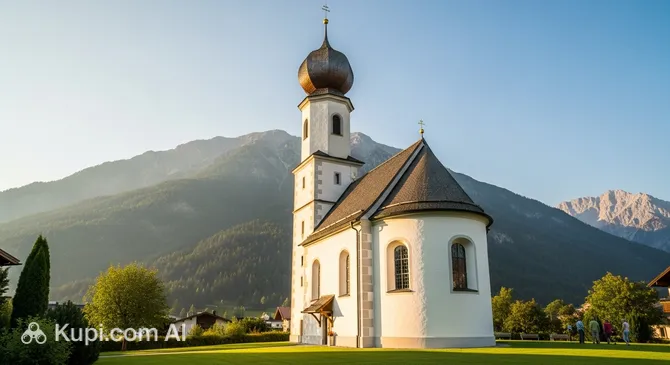
Seekirchl (Church of the Holy Cross)
Seekirchl (Church of the Holy Cross). Иллюстрация. Источник: Kupi.com AI

Seekirchl was built in the 17th century as a votive church to house a miraculous cross. It once stood on a small island in the middle of a man-made lake, which gave it its name (translated from German as the "little lake church"). Although the lake was drained long ago, the building has retained its charm, creating a striking contrast against the majestic Alpine peaks.

Inside, visitors will find unique 18th-century frescoes by Joseph Anton Puellacher, which tell the legends associated with this holy place. It is not just a religious site, but an architectural gem that draws pilgrims and fans of aesthetics from all over the world.

Contacts

To clarify visiting details or service times, you can use the following contact information:

Information brochures about the history of the temple are also available inside the church itself or at the nearby St. Oswald's Parish Church for a small donation.

How to contactContact
AddressMöserer Str., 6100 Seefeld in Tirol, Австрия
Phone+43 5212 2319

What to Do

A visit to the Seekirchl offers guests not only a spiritual experience but also aesthetic pleasure. The main point of interest inside is the miraculous cross, dating back to 1768. Be sure to pay attention to the details: Christ's head is decorated with real human hair, giving the crucifix a startling realism. The temple walls are adorned with vibrant frescoes that literally "tell" the story of the church's founding and local legends.

For photography enthusiasts, the church is a mandatory stop on the itinerary. In winter, its white walls blend into the snowy landscapes, creating a fairytale scene, while in summer, it stands out strikingly against the emerald grass and rugged mountains. Many tourists come here specifically to capture that classic Tyrolean shot.

The interior of the temple is filled with an atmosphere of silence, perfect for meditation and reflection. You can also purchase an information brochure to learn more about Baroque art and the architectural features of this octagonal building, which is rare for the region. A walk around the church, tracing the areas where the waters of the Kreuzsee lake once splashed, is an excellent way to conclude your visit.

Getting There

Getting to this iconic spot in Seefeld in Tirol is quite easy. The church is located at Möserer Str., 6100 Seefeld in Tirol, just a few minutes' walk from the main pedestrian zone and the train station.

If you are traveling from Innsbruck, the train journey takes about 30 minutes, followed by a pleasant 10-minute walk. For those who prefer to drive, take the A12 (Inntal Autobahn) to the Seefeld exit. Parking lots in the city center are a 5–10 minute walk from the attraction. For precise navigation, you can use the coordinates: 47.3269815, 11.1806114.

In the winter season, the path to the church often passes by picturesque ski trails, while in summer, popular cycling and hiking routes run through here. A taxi from the city center will bring you to the foot of the hill in just a couple of minutes.

Ближайший город: Seefeld in Tirol

History & Facts

The history of this site is shrouded in fascinating legends. In 1626, a simple pilgrim named Barbara Haissjaklin, while praying at a wooden cross, heard a voice promising her the forgiveness of sins. After the miracle occurred again and was officially recorded by priests, news of the holy site spread quickly throughout the region.

In 1628, Archduke Leopold V, impressed by the story, vowed to build a temple here. Construction began immediately under the direction of court architect Christoph Gumpp the Younger. Interestingly, the church was originally located on a small island in the middle of the artificial Kreuzsee lake, created back in the 15th century. However, in 1808, the lake was drained, and today the temple stands on dry land, surrounded by green meadows.

The construction of the sanctuary stretched over decades: due to historical events of the 17th century and the death of the Archduke, the consecration of the church took place only in 1666. Since then, Seekirchl has been one of the most important pilgrimage centers in the Tyrol region, attracting believers and lovers of Baroque art from all over the world.

Time Needed

A thoughtful exploration of the church interior, studying the ancient frescoes, and taking commemorative photos against the backdrop of the mountains usually takes about 30 to 45 minutes. This is plenty of time to feel the special atmosphere of peace that reigns under the temple's dome.

If you plan to combine your visit with a walk around the site of the former lake and reading the historical brochure, you should allow about 1 hour. The site fits perfectly into a short day walk through the city center.

Working Hours

Currently, the church's official operating schedule is not strictly regulated. Generally, as an important pilgrimage site, Seekirchl is open for free public access daily during daylight hours. During the summer period, access may be extended.

Before planning your visit, it is recommended to check for up-to-date information on-site or at the local tourist information center, as access to the interior may be limited during special services or restoration work.

Nearby

Exploring the surroundings of the Seekirchl will allow you to deeper experience the atmosphere of this Alpine resort. Within walking distance, you'll find cozy dining spots and historical sites that perfectly complement your stroll.

NameDistance
Gschwandtkopf Ski Lifts0.3 km
Seefeld Village Square0.5 km
Alpin Resort Sacher1 km
Alpenpark Resort Seefeld1 km
Schönruh Wellness Hotel Seefeld1 km
Brunschkopf1.5 km
Waldgasthaus Triendlsäge2 km

Reached the end of the page?

That means the route is fully explored