Support

Charleroi

About

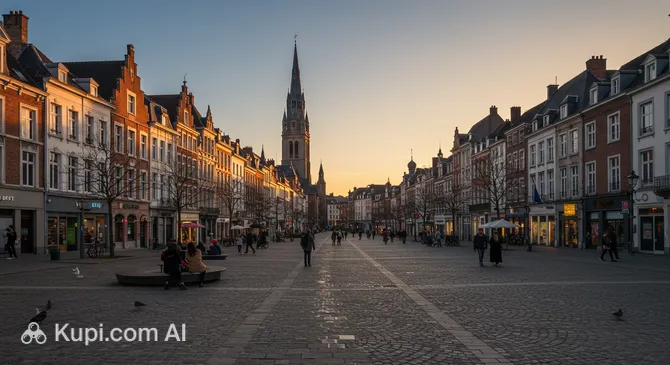
Charleroi is a city with a unique character, located in the heart of Wallonia on the picturesque banks of the Sambre River. Situated just 50 kilometers south of Brussels, it is the fifth-largest city that Belgium takes pride in. With a population of over 200,000, Charleroi is a vibrant and dynamic hub where the industrial power of the past meets modern cultural trends.

Originally founded as a fortress in 1666, this settlement has undergone a long journey of transformation. The rich history of Charleroi is inextricably linked to the era of the Industrial Revolution: coal mining, metallurgy, and glass production. Today, this heritage is being reimagined, turning former plants and factories into creative art spaces and museums, giving the city a unique atmosphere.

Charleroi. Illustration.
Source: Kupi.com AI

Despite its industrial past and unofficial nickname "the Belgian Detroit," the city possesses a special charm. Here, you can see how stark urban landscapes coexist with cozy green parks, while bold street art enlivens the building facades. Charleroi attracts travelers with its openness and creative energy, offering a fresh perspective on familiar things.

This city will be a true discovery for fans of unconventional routes. Come to Charleroi for authentic experiences, to personally appreciate its contrasts and feel the warm Walloon hospitality.

Weather Overview

The climate of Charleroi can be described as maritime-temperate, which is typical for this region of Wallonia. The weather here is mild: extreme heat or severe frosts occur very rarely, so the city is open to visitors at any time of the year. However, travelers should be prepared for the changeability of the heavens and high humidity.

The summer months are the most popular time for a visit. In July and August, the average temperature hovers around 18°C, and during the day, the air often warms up to a comfortable 22–23°C. These are ideal conditions for long walks and exploring industrial heritage, as sweltering heat is unlikely to interfere with your plans.

Winter in the city is cool but not freezing. In January and February, the thermometer usually stays between +1°C and +6°C. Snow falls infrequently and melts quickly, but overcast days prevail. Expect moderately warm summers with occasional rain and cool, damp winters when an umbrella becomes a necessary accessory.

Precipitation is distributed quite evenly throughout the year: on average, 11 to 16 days a month can be rainy, regardless of the season. To avoid any wardrobe mistakes and choose good days for excursions, we recommend checking the forecast in advance and studying the detailed weather in Charleroi before heading out on your trip.

Average monthly temperature

Average monthly precipitation

Interesting Facts

In addition to its main attractions, Charleroi holds many fascinating secrets and historical features that will surprise even experienced travelers. This city, often associated exclusively with industry, actually possesses a rich cultural layer and unexpected biographical facts.

Bois du Cazier. Illustration.
Source: Kupi.com AI

Traveler photos:

  • The city was founded in the 17th century as a strategic military fortress and named in honor of King Charles II of Spain, who ruled the Southern Netherlands at that time.

  • In the 19th century, Charleroi became one of the key centers of the Industrial Revolution in Europe. Due to intensive coal mining and steel production, it earned the unofficial but resonant title of the "Black Heart of Belgium."

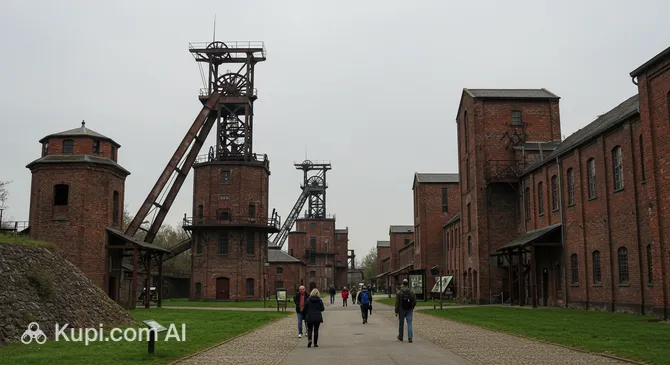
  • The famous former mine Bois du Cazier has been transformed today into an important memorial complex and museum. This site, listed as a UNESCO World Heritage site, serves as a reminder of the region's mining past.

  • Art lovers will be surprised to learn that Charleroi is home to one of Europe's largest Photography Museums, covering the entire history of this visual genre's development.

  • The city has preserved curious architectural monuments that contrast with the industrial landscape: from the elegant Cartier Castle to exquisite Art Nouveau residential buildings that adorn historical streets.

How to Get There

Charleroi is an important transport hub in Wallonia, easily accessible from various parts of Europe. Thanks to its developed infrastructure, travelers can choose between air and ground transport. If you want to plan your route in maximum detail, we recommend exploring all the ways to get to the city, and below we will look at the most popular options.

For many tourists, the main gateway to the city is Brussels South Charleroi Airport (CRL). Although it is formally often associated with Brussels, the terminal is actually located just 5.7 km from the center of Charleroi. It is a major hub for low-cost airlines. A trip from here to the city center by taxi or shuttle takes very little time—about 10–15 minutes.

Another convenient option is the country's main international airport, Brussels Airport (BRU), located in the city of Brussels, about 55 km from Charleroi. Most flights from major global airlines arrive here. The journey by car or taxi will take a little over an hour, and there is also a good rail connection between the cities.

You can also consider arriving via France using Lille Airport (LIL). It is located in the city of Lille, at a distance of about 97 km. This might be convenient if you are combining a trip to Belgium with a visit to Northern France. The journey by car will take around 1.5–2 hours.

For clarity, here is a summary of the main airports:

AirportPassenger trafficDistance
Charleroi Brussels South Airport10.5 mln6 km
Brussels Airport23.6 mln55 km
Liege Airport161 93675 km
Antwerp International Airport239 51787 km
Lille Airport1.8 mln97 km

If you prefer the train, keep in mind that major international expresses (such as Eurostar or Thalys) usually arrive at Brussels stations, where you can easily transfer to a local train to Charleroi. One of the key points is Brussels-Midi (ZYR) station, located in Brussels, 48 km from Charleroi. It is the country's largest railway hub with a huge passenger flow. The journey from there to Charleroi takes less than an hour.

Another important transport hub is Brussels-North Bus Station (XNL), also located in the capital (about 51 km from Charleroi). Tourists often use this station for transfers when traveling within the country. You can reach your destination from here by train or bus in about an hour.

Below is a table of the nearest major railway stations through which it is convenient to plan your route:

StationPassenger trafficDistance
Brussels Midi Station21.5 mln48 km
Brussels-North Bus Station21.8 mln51 km
Mechelen Station5.8 mln68 km
Liège-Guillemins Station5.5 mln83 km
Berchem Railway Station4.5 mln88 km

Main Attractions

Charleroi is a city that knows how to surprise with its contrasts. Here, rugged industrial architecture is harmoniously interwoven with modern art spaces and bustling shopping districts. Exploring the local attractions will allow you to gain a deeper understanding of the history and soul of this Walloon region.

An absolute symbol of the city and a place of remembrance is Bois du Cazier. This former coal mining complex, listed as a UNESCO World Heritage site, tells a touching and important story of Belgium's industrial past. Visitors can descend into the mines, learn about the 1956 tragedy, and visit the glass and industry museums located on the site. This place has an incredibly powerful atmosphere that is impossible to forget.

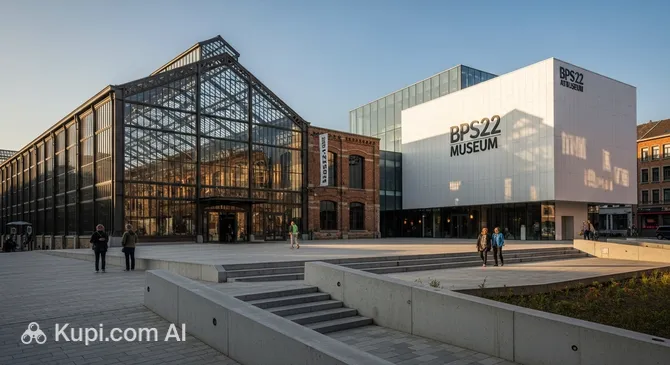
For those seeking inspiration in contemporary creativity, the doors of the BPS22 Museum of Contemporary Art are open. Housed in a historic industrial building, it has become one of Wallonia's leading venues for bold exhibitions and performances. Here, classical museum space gives way to experimentation, graffiti, and social projects, reflecting the city's rebellious spirit.

BPS22 Art Museum of Hainaut Province. Illustration.
Source: Kupi.com AI

Traveler photos:

Shopping enthusiasts and fans of modern architecture should head to the Rive Gauche shopping center. This large-scale complex not only offers excellent shopping opportunities but is also an important element of the urban center's renewal. A walk here allows you to see how Charleroi is transforming, becoming more open and dynamic.

If you are a sports fan, pay attention to the SpirouDome arena. This is the home court of the famous "Spirou Charleroi" basketball club. Attending a match here guarantees an adrenaline rush and a chance to feel the true passion of local fans who fervently support their team.

Local Cuisine

Charleroi's gastronomic scene reflects its rich history and Walloon hospitality. The local cuisine has its roots in the region's mining past: the food here is traditionally hearty, simple, and incredibly tasty, designed to restore strength. The city's main culinary symbol is rightfully considered "carbonnade à la wallonne"—tender beef slowly simmered in dark beer with onions and aromatic spices. This dish is a must-try to understand the taste of authentic Wallonia.

It's impossible to imagine a walk through the city without tasting the legendary Belgian French fries. In Charleroi, they are treated with special care, offering dozens of types of sauces for every taste. Street food is very popular here: besides fries, you can find hot waffles, pies with various fillings, and fresh pastries at local markets and stalls. If you crave a modern classic in a cozy setting, stop by Black & White Burger, where familiar dishes are prepared with special attention to the quality of ingredients.

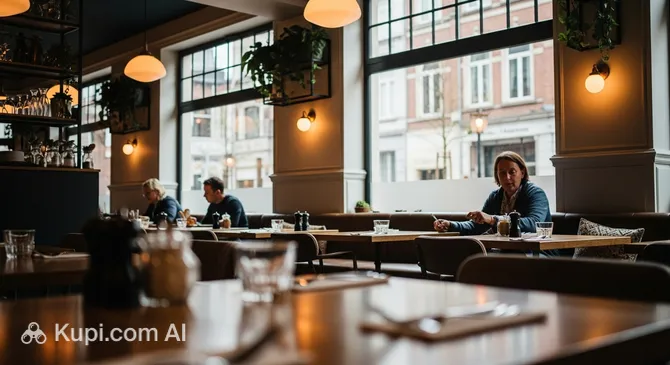
Brunchy's. Illustration.
Source: Kupi.com AI

Traveler photos:

The food culture in the city is diverse: from bustling street fairs to quiet establishments for a leisurely lunch. For example, the Brunchy's restaurant is an excellent choice for those who love late breakfasts and want to enjoy a relaxed atmosphere. Locals value places where they can not only eat well but also socialize, so there is always a friendly atmosphere in these establishments.

Beverages, and primarily Belgian beer, hold a special place in the lives of the city's residents. In numerous brasseries, you will be offered varieties brewed according to ancient recipes, including unique dark beers that pair perfectly with meat dishes. For evening relaxation and to experience the city's bar culture, you can head to Le Carolopolitan or visit the Le Cribbi bar, where both tourists and locals like to gather.

Travel Tips

Preparing for a trip to Charleroi is the key to ensuring your introduction to the city is easy and pleasant, allowing you to focus on experiences rather than everyday details. We have compiled a list of practical recommendations to help you adapt quickly and feel confident in this colorful region.

  1. Clothing and Essentials: The weather here is typically Belgian—changeable and damp. Even in summer, you should have a light jacket and a reliable umbrella with you, as rain can start suddenly. For walks around industrial sites and parks, be sure to choose comfortable waterproof shoes with flat soles. If you plan to visit active churches, you should choose modest clothing that covers shoulders and knees.
  2. Transport: The TEC public transport system includes buses and the light metro (pre-metro), covering the center and surrounding areas. This is the most budget-friendly way to get around. It's more cost-effective to buy tickets from machines or kiosks than from the driver. It's better to order taxis via official apps or by phone, as "hailing" a car on the street can be difficult. Renting a car only makes sense if you plan to travel outside the city.
  3. Finance: The official currency is the Euro. Bank cards are accepted almost everywhere, but it's always better to have a little cash for small purchases in newsstands, bakeries, or at markets. Tips in restaurants, as in the rest of Belgium, are usually already included in the bill, but rounding up the amount or a small tip for the staff is always welcome.
  4. Health and Safety: Pharmacies are easily recognized by the green neon cross; on-call points operate around the clock. Charleroi is safe for tourists, however, as in any large city, you should be vigilant at night near train stations and avoid deserted outskirts. Keep an eye on your personal belongings in crowded places.
  5. Communication: The primary language of communication is French. In tourist areas and hotels, staff often speak English, but knowing basic phrases (greeting, thank you) in French will greatly facilitate communication and endear you to the locals. A SIM card can be bought at mobile shops or large supermarkets, and Wi-Fi is available in most cafes.
  6. Local Etiquette: Politeness plays a key role here. It is customary to greet sellers when entering a shop and the driver when boarding a bus. Belgians value personal space and restraint, so loud conversations in public places may cause disapproval.
  7. What to Avoid: You should not criticize the city's appearance or its industrial past in conversations with locals. Citizens are proud of their history and the region's modern transformation, so dismissive comments may be taken as a personal insult.
  8. Extra Tip: Charleroi is the capital of comic books, the birthplace of many famous characters such as Spirou and Marsupilami. Look around carefully: colorful statues of comic book heroes are placed throughout the city. Finding these figures can turn into a fun quest and a great way to explore the non-obvious corners of the center.

By following these simple tips, you can avoid unnecessary trouble and fully immerse yourself in the unique atmosphere of Charleroi. May your journey be filled with interesting discoveries and positive emotions!

Entertainment & Nightlife

As the sun sets, Charleroi's industrial landscape is replaced by the lights of bars and the cozy hum of evening streets. The nightlife here doesn't claim to be the most vibrant in Europe, but it has its own unique, friendly charm. The city offers an excellent choice of places for those who want to relax after a busy day, listen to music, or dance.

The epicenter of evening activity is the Lower Town (Ville Basse). It is especially lively around Place de la Digue and the streets adjacent to the embankment. Numerous establishments with terraces are concentrated here, filling up with students, local youth, and tourists during the warmer months. The atmosphere in most places is democratic and relaxed: a strict dress code is rare, and neat casual or smart casual style is usually sufficient.

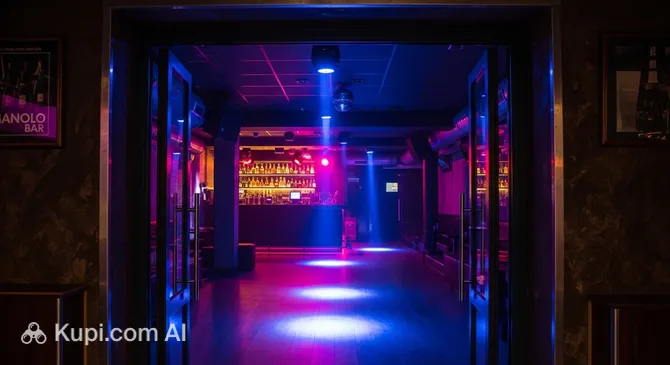
If you are looking for a place with an upbeat atmosphere, look no further than Bar Manolo. This popular spot positions itself as both a nightclub and a bar. It frequently hosts themed parties, features DJ sets, and offers a diverse drink menu. It’s a great spot to feel the rhythm of the city at night and dance.

Manolo Bar. Illustration.
Source: Kupi.com AI

Traveler photos:

For connoisseurs of a more tranquil and refined experience, Le Carolopolitan is the perfect choice. This bar is famous for its signature cocktails and stylish interior. The crowd gathers here to enjoy quality drinks and conversation in a pleasant setting. The establishment is wonderful for starting an evening or for a romantic date.

Beyond bars, Charleroi offers a rich cultural program. The city has theaters and concert venues, such as Eden or the Palais des Beaux-Arts, where plays, contemporary music concerts, and dance performances are regularly held. During the day, entertainment is more educational: walking in parks, visiting museums, or shopping in major centers.

Practical tips and safety:

  • The best time to experience the nightlife is Friday and Saturday, when most establishments stay open until late at night (usually until 2:00–4:00 AM).
  • The average price for a glass of beer is 4–6 euros; cocktails will cost around 10–14 euros.
  • Central areas like Place de la Digue and the surroundings of the Rive Gauche shopping center are considered safe for evening walks, as they are crowded and well-lit.
  • However, walking far from the center late at night is not recommended. For moving between districts or returning to your hotel, it is safest to call a taxi (for example, through popular apps or by calling local services).

Parks & Museums

The cultural landscape and green spaces of Charleroi are a story of amazing transformation. A city long known as an industrial giant is today actively reimagining its space. Former industrial sites are being turned into unique nature reserves, and historical buildings are becoming home to rich art collections. Here, nature harmoniously coexists with urbanism, creating unique landscapes for walks and inspiration.

Speaking of green oases, it's impossible not to mention the Parc du Château de Monceau-sur-Sambre. This magnificent English park, surrounding a 17th-century historic castle, is considered one of the most picturesque places in the region. Here, you can admire centuries-old trees, feed the ducks in the pond, and enjoy the silence away from the city bustle. It is an ideal location for a picnic or quiet reading in the shade of dense foliage.

In the very heart of the city lies Parc Reine Astrid—the true green "lungs" of Charleroi. Despite its compact size, the park serves as a popular meeting place for citizens and a venue for summer festivals. Well-maintained paths, bright flower beds, and fountains create a cozy atmosphere for relaxing after sightseeing in the central part of the city.

A unique natural feature of the region is the terrils—artificial hills of waste rock left over from coal mining. Today, many of them are overgrown with dense forest and have turned into reserves with rare flora and fauna. Locals call them "green mountains." A walk on such hills is not only good for health but also allows you to see the city from unusual angles, revealing breathtaking panoramas of the industrial valley that nature is gradually reclaiming. For the most active tourists, the "La Boucle Noire" (Black Loop) hiking route passes through the most impressive landscapes.

The city's museum map can impress even seasoned art connoisseurs. One of the main jewels is the Musée de la Photographie (Museum of Photography), located in an atmospheric former Carmelite monastery building. It is the largest museum of its kind in Europe, with a collection covering the entire history of photographic art—from the first daguerreotypes to contemporary digital works. The spacious park around the monastery adds a special charm to the place, where you can stroll after viewing the exhibition.

It is also worth visiting the Musée des Beaux-Arts (Museum of Fine Arts), which holds a rich heritage of Walloon masters. Its collection features works by 19th and 20th-century artists, including pieces by famous surrealists like René Magritte, who spent part of his youth in this region. The museum's exposition allows you to trace the development of artistic thought in Belgium: from realism and impressionism to abstraction, with special attention to social themes close to the spirit of this working-class city.

Getting Around

Getting around Charleroi will not be difficult: the city has a compact and clear public transport system managed by the regional company TEC. The core of the network consists of light metro lines and extensive bus routes, allowing you to reach both central attractions and remote corners or the airport.

The main transport feature of the city is the Light Metro (Métro Léger). It is a hybrid of a tram and a subway: in the center, the trains move through underground tunnels or on overpasses, and in the outskirts, they come out to street level. The system consists of four main lines (M1, M2, M3, M4), which form a ring around the historical center. For tourists, this is not only a way to get around but also a kind of attraction: a ride on the overpasses opens up impressive panoramas of industrial landscapes and urban blocks. Interesting fact: the Charleroi metro is known for its "ghost stations"—lines that were built but never put into operation, giving the subway a mysterious charm.

Where the metro doesn't go, buses come to the rescue. The network covers the entire city and suburbs. Yellow TEC buses run regularly, but it's worth considering that in the evening (after 20:00–21:00), the intervals between runs increase, and some routes stop working altogether. For travelers arriving by plane, the key route is Bus A, which quickly connects the airport with Charleroi-Central railway station.

The fare payment system is unified. You can purchase a single ticket (valid for 60 minutes with transfers allowed) or a day pass, which is advantageous for active travel. The approximate cost of a single trip is around 2.50–3.00 euros, and a day pass will cost about 8–9 euros. The most modern and convenient way to pay is contactless: right inside the bus or tram, you can tap your bank card or smartphone on the gray validator. Rechargeable MOBIB cards are also available, but for a short-term visit, they might not be as relevant.

Tickets can be bought from red SELF machines at metro stations and major stops, as well as in ESPACE TEC kiosks. Buying a ticket from the driver is possible but will cost more, so it's better to take care of it in advance. Important: any ticket, paper or electronic, must be validated every time you enter a vehicle, even during a transfer. Ticket inspectors are common, and fines for fare evasion are substantial.

As an alternative to public transport, taxi services operate in the city. It is difficult to hail a car on the street; it's better to look for stands at the station or order a car via phone or popular mobile apps. You can also find Blue-bike rental points at the station, which is an excellent choice for active leisure enthusiasts in good weather. However, for most tourist purposes in the city center, walking combined with the light metro is quite sufficient.

For route planning, we highly recommend downloading the official TEC app or using Google Maps, which correctly display schedules in real-time. This will help you avoid long waits at stops and make your travel around the city as comfortable as possible.
Accommodation

Charleroi offers travelers a variety of accommodation options suitable for both a short stopover before a flight and a longer exploration of the region. The hotel sector here is focused on practicality: while the city doesn't have an abundance of pompous luxury hotels, you can easily find high-quality mid-range hotels, cozy apartments, and budget hostels. Since Belgium is famous for its high standards of hospitality, even in inexpensive places, you can expect cleanliness, decent service, and comfort.

A strategically important area for finding accommodation is the airport district (Gosselies). This is the most popular location for transit tourists and those traveling with layovers. Large international hotel chains specializing in express service are concentrated here. Many of them offer a convenient "park, sleep and fly" service and organize regular shuttles directly to the terminal, which eliminates extra stress before an early morning flight.

If your goal is tourism, culture, and leisurely walks, we recommend choosing hotels in the city center (Lower or Upper Town). By staying in this part, you will be in the heart of the action, within walking distance of the main railway station and the popular Rive Gauche shopping center. Central hotels are convenient as they allow you to explore museums, restaurants, and renovated embankments without the need to use transport.

Pricing policies in Charleroi hotels are generally more affordable than in neighboring Brussels or touristy Bruges. However, it's worth considering that on weekdays, rooms are often occupied by business travelers. To guarantee yourself the best accommodation at a favorable price, try to book your stay well in advance. Travelers with a car should also check in advance for the availability of private parking at the hotel, as the number of free parking spaces in the city center is limited.

Nearby Cities

For those looking to explore the surroundings, Charleroi serves as an excellent starting point for day trips to several interesting nearby locations. The Hainaut region is rich in hidden gems that can be reached in just 15–30 minutes, making them ideal for short excursions.

One of the most colorful destinations is Binche. This city, which has preserved its medieval fortress walls, is world-famous for its unique carnival, included in the UNESCO list of intangible cultural heritage. Even if you don't visit during the festival season, it’s interesting to visit the International Museum of Carnival and Mask to immerse yourself in the atmosphere of folklore and traditions.

Fans of industrial history and engineering wonders should head to La Louvière. The city is famous for its historic boat lifts on the Canal du Centre, which are also protected by UNESCO. These are impressive monuments of 19th-century technical thought. Additionally, ceramic production flourishes here, and cultural life is in full swing thanks to numerous museums.

Very close by, practically on the border with Charleroi, is Châtelet. This place will be of interest to art fans, as the famous surrealist René Magritte spent part of his childhood here. The city is also known for its long-standing traditions of pottery, which are maintained by local artisans to this day.

CityPopulationDistance
Chatelet36 1015 km
Montignies-le-Tilleul10 1366 km
Farciennes11 2478 km
Fontaine-l'Évêque17 8019 km
Gerpinnes12 66010 km

These nearby destinations provide an insight into the diverse culture and landscapes of the region, complementing the impressions from visiting Charleroi itself.

Shopping & Souvenirs

Shopping:

Shopping in Charleroi is a combination of modern comfort and local flavor. Although the city doesn't claim to be a fashion capital like Antwerp or Brussels, it offers excellent conditions for shopping. Travelers will find both large shopping complexes with popular global brands and cozy boutiques offering unique items. A feature of local shopping is its close link with comic book culture: fans of the "ninth art" will feel like they are in paradise here.

The heart of the city's commercial life is the Lower Town (Ville Basse). The main artery for shopping enthusiasts is the pedestrian street Rue de la Montagne, which rises from the station to the upper part of the city. Clothing, shoe, and accessory stores are located here. It’s also worth walking along Boulevard Tirou—a wide avenue where flagship stores of famous brands and department stores are concentrated.

For those who prefer to shop in one place, modern malls operate in Charleroi. The most popular and conveniently located is Rive Gauche. This shopping center, located right in the city center next to the station, has become a symbol of Charleroi's renewal. Under its roof are gathered about 90 stores, restaurants, and cafes, making it an ideal spot for shopping in any weather.

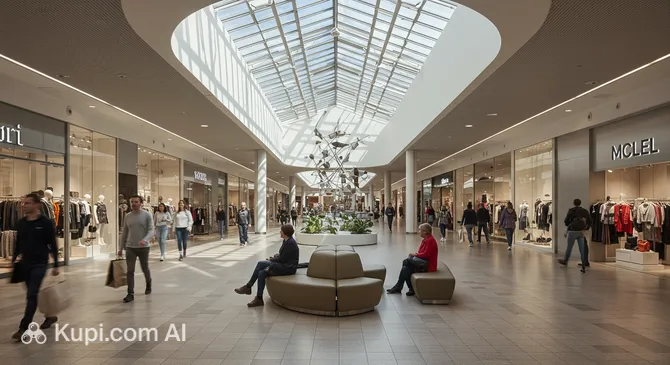
Another important location is the Ville 2 Shopping Center, located slightly north of the center in the Grand'Rue area. This is a spacious complex where, in addition to clothing and electronics boutiques, there is a hypermarket and a cinema. It is easily accessible by metro (Samaritaine station), and it’s a great choice for family shopping without the city bustle.

Ville 2 Shopping Center. Illustration.
Source: Kupi.com AI

Traveler photos:

A special atmosphere can be felt at the local markets. The most famous is the Sunday market in the city center, which unfolds in the squares and streets, offering everything from fresh farm products and flowers to clothing and household items. It is not just a place for trade but a real social tradition where locals meet on weekends. "Brocantes" (flea markets) are also popular in the region, where you can find vintage items and antiques.

When choosing souvenirs, pay attention to what the region is famous for:

  • Comics: Charleroi is the home of the Dupuis publishing house. In specialized stores, you can buy rare editions and figures of Spirou, Marsupilami, and other heroes.
  • Chocolate and sweets: Belgian classics are always valued. Look for handmade pralines from local chocolatiers.
  • Beer: Wallonia is known for its varieties of beer. A gift set of local ale will make an excellent present.

Shops in Charleroi are usually open from Monday to Saturday from 10:00 to 18:00 or 19:00. Sunday is traditionally a day off for most retail outlets, except for duty supermarkets and markets. Large shopping centers sometimes organize "shopping Sundays" before holidays. Payment by card (Visa, Mastercard) is accepted almost everywhere, but it's better to have some cash on hand for markets and small shops.

Tourists residing permanently outside the European Union can use the Tax Free system. If your purchase amount in one store exceeds the established limit (usually around 125 euros, but it's better to check at the register), you are entitled to a VAT refund. Don't forget to ask for a special form when paying for the goods and present it at customs when leaving the EU.

Reached the end of the page?

That means the route is fully explored