Support

Laeken

About

Laeken is a true green oasis, nestled in the north of Brussels on the banks of the Brussels-Scheldt Canal. This charming district invites you to take a leisurely stroll through its lush parks and majestic palaces. Its proximity to the capital of Belgium makes Laeken an ideal destination for those looking to combine the rhythm of a capital city with the peaceful atmosphere of suburban Europe.
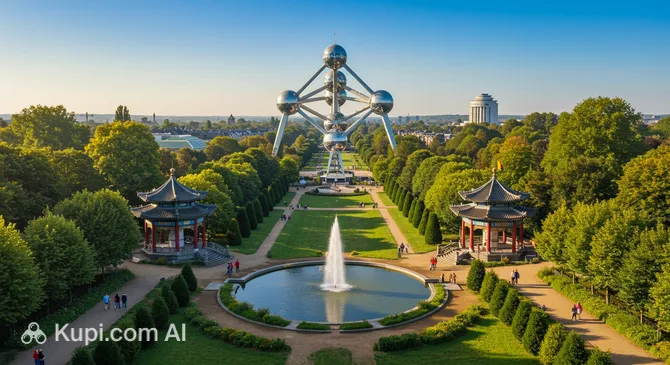
Laeken. Illustration.
Source: Kupi.com AI

With a population of around 60,000, Laeken maintains a cozy, intimate scale without losing its status as one of Brussels' most interesting districts. It offers a wonderful blend of historical depth and modern charm, ranging from ancient alleys to the futuristic architectural masterpieces that have become symbols of the entire country.

A walk through Laeken is a journey through eras. Its greatest treasures include the magnificent Royal Park, the stately Royal Palace, and the famous Royal Greenhouses, which open their doors to the public for just a short time each spring. Equally iconic are landmarks like the futuristic Atomium and the Mini-Europe park, which offers a glimpse of the continent in miniature.

Laeken is known for being well-kept, clean, and possessing a special atmosphere that makes you want to stay a little longer. It is a place where you can enjoy the silence of the parks, find inspiration in the architecture, and discover a new, calmer side of Brussels, far from the hustle and bustle of the central streets. Visit Laeken to feel the true spirit of this part of Europe!

You can find more interesting facts on the history of Laeken page.
Weather Overview

The weather in Laeken is characterized by a temperate maritime climate, ensuring relatively mild conditions year-round. Summers, especially in July and August, are warm: average temperatures hover around 18.8°C - 19.1°C, with maximum values potentially reaching 23°C. Winters in Laeken are cool but without severe frosts: the average January temperature is about 4.5°C, with lows around 2.3°C.

Precipitation in Laeken is distributed fairly evenly throughout the year. While the monthly rainfall amounts are relatively small (averaging 2-3 mm), the number of rainy days varies from 10 to 16 per month, indicating frequent but mostly light showers. Expect warm summers with occasional light rain and cool, damp winters. To get a more detailed idea of the weather conditions and plan your trip in the best possible way, we recommend checking the detailed information on the Laeken Climate page.

Average monthly temperature

Average monthly precipitation

Interesting Facts

Beyond its world-famous symbols like the Atomium, Laeken is a district of Brussels full of surprising details and little-known stories that make it particularly attractive to curious travelers.

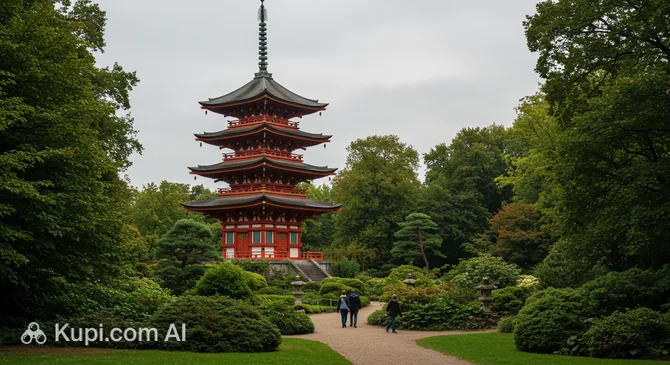
Japanese Tower. Illustration.
Source: Kupi.com AI

Traveler photos:

  • The famous Royal Greenhouses of Laeken, a true masterpiece of architecture and botany, open their doors to the general public for a very short period—only a few weeks a year, usually in the spring. This makes a visit a particularly exclusive and highly anticipated event.

  • The Church of Our Lady of Laeken is known not just as the final resting place of the Belgian royal family. Local legends say that its surroundings and adjacent park zones hold secrets of romantic walks and secluded meetings between monarchs.

  • While the Atomium is now one of the main symbols of both Laeken and Brussels, it was originally intended as a temporary structure for the 1958 World's Fair (Expo 58). However, its futuristic design and immense popularity with the public were so great that the decision was made to preserve this unique structure.

  • In Laeken, you can suddenly find yourself in the Far East by visiting the Japanese Tower. This exotic structure appeared here thanks to King Leopold II, who was so impressed by the Japanese pavilion at the 1900 World's Fair in Paris that he ordered a replica to be built on his estate.

How to Get There

Laeken is one of the districts of Brussels, so getting here is easy by taking advantage of the developed transport infrastructure of the Belgian capital. Travelers can choose to fly into one of the international airports or use the rail network. You can find all ways to get to the city and plan your perfect route on our dedicated page.

The main air hub for arrivals is Brussels Airport (IATA: BRU). This is the country's primary international airport, receiving flights from all over the world. It is located in the city of Brussels, just 9.9 km from the center of Laeken. The journey by taxi or car will take approximately 35 minutes, depending on traffic. Due to its proximity to the city, this is the most convenient option for most tourists.

An alternative option, especially for those flying with budget airlines, is Brussels South Charleroi Airport (IATA: CRL). Although it serves the Brussels area, it is actually located further south, about 47.2 km from Laeken. The travel time by taxi or transfer is about 1 hour and 30 minutes. This airport is often chosen by travelers looking to save on their flights.

For your convenience, here is a summary of the main airports:

AirportPassenger trafficDistance
Brussels Airport23.6 mln10 km
Antwerp International Airport239 51736 km
Charleroi Brussels South Airport10.5 mln47 km
Liege Airport161 93682 km
Lille Airport1.8 mln94 km

The railway network in Belgium is excellent, and Laeken benefits from its proximity to the capital's main stations. The nearest major hub is Brussels-North Station (IATA: XNL), which is one of Brussels' most important railway hubs (Gare du Nord). It is located just 2.1 km from the center of Laeken. A trip from here by taxi or public transport will take about 20-25 minutes.

Another key transport hub is Brussels-Midi Station (IATA: ZYR). This is the city's main international station, where high-speed Eurostar and Thalys trains arrive. It is located in Brussels, approximately 4.9 km from Laeken. The journey to your destination will take about 30 minutes. From here, it is very convenient to reach Laeken by metro or tram.

Below is a table with information on the nearest railway stations:

StationPassenger trafficDistance
Brussels-North Bus Station21.8 mln2 km
Brussels Midi Station21.5 mln5 km
Mechelen Station5.8 mln18 km
Berchem Railway Station4.5 mln36 km
Antwerp Central Station13.5 mln38 km

Main Attractions

Laeken, one of Brussels' most significant districts, offers visitors several iconic landmarks that harmoniously blend royal heritage, unique architecture, and picturesque green spaces. When planning your visit to this part of the Belgian capital, be sure to include the following interesting places in your itinerary.

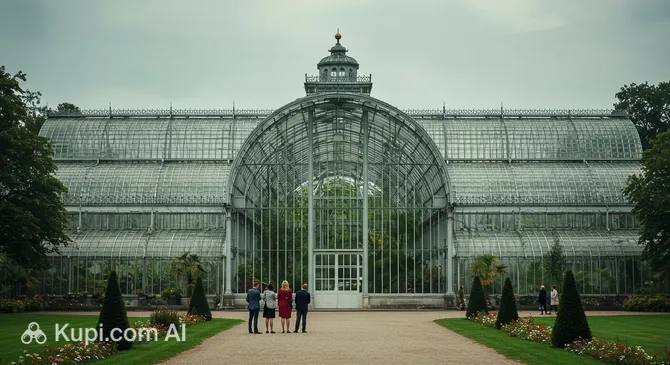
One of the most famous symbols of Laeken is undoubtedly the Royal Greenhouses of Laeken. This magnificent complex of glass pavilions, built in the 19th century by order of King Leopold II, impresses with its exquisite Art Nouveau architecture and houses a vast collection of rare and exotic plants. It is important to note that the greenhouses are only open to the public for a few weeks a year, usually in the spring, making a visit a particularly valuable and long-awaited event.

Royal Greenhouses of Laeken. Illustration.
Source: Kupi.com AI

Traveler photos:

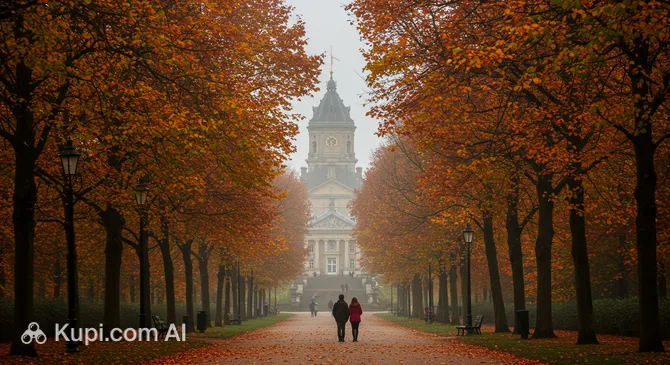
Located near the greenhouses is the majestic Laeken Park (Royal Park of Laeken). This extensive park area surrounds the Royal Palace of Laeken, the official residence of the Belgian royal family (the palace itself is usually closed to public visits). The park is ideal for leisurely strolls, where you can admire monuments and fountains while enjoying the calm, peaceful atmosphere. Within the same park, you will also find the famous Japanese Tower and the Chinese Pavilion—part of the Museums of the Far East, featuring exotic architecture and interesting ethnographic collections.

Laeken Park (Royal Park of Laeken). Illustration.
Source: Kupi.com AI

Traveler photos:

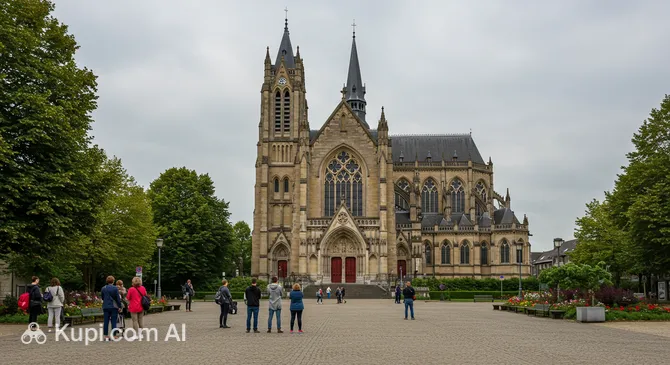
The magnificent Church of Our Lady of Laeken is another important architectural and historical landmark of the district. This impressive Neo-Gothic church serves as the royal mausoleum, where many members of the Belgian royal family are buried, including the first King of the Belgians, Leopold I, and his wife Louise-Marie of Orléans. Its expressive architecture and deep historical significance attract both believers and lovers of history and art.

Church of Our Lady of Laeken. Illustration.
Source: Kupi.com AI

Traveler photos:

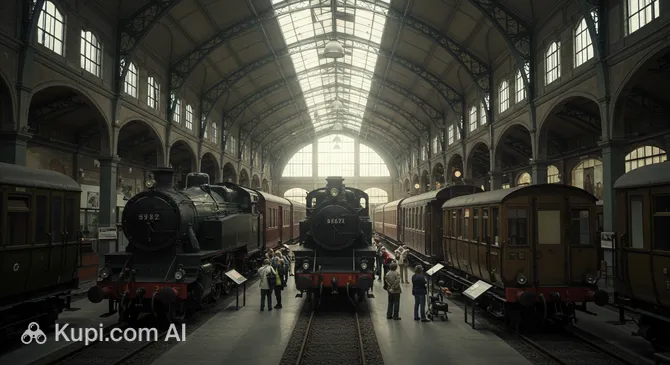
For anyone interested in the history of rail transport, a visit to Train World is a must. Located in the historic Schaerbeek station building, right on the edge of Laeken, this museum offers a fascinating immersion into the history of Belgian railways. Visitors can enjoy impressive exhibits, vintage locomotives, carriages, and many interactive installations, making it an engaging visit for all ages.

Train World. Illustration.
Source: Kupi.com AI

Traveler photos:

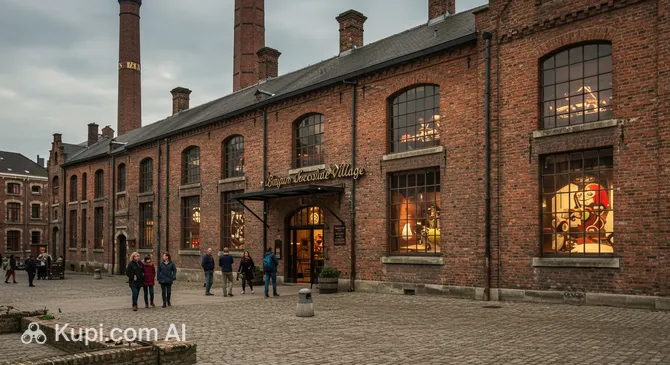
Sweet-toothed travelers and foodies should definitely stop by the Belgian Chocolate Village. Here, you can not only learn the secrets of producing world-famous Belgian chocolate but also participate in fun workshops to make your own, and, of course, taste various types of this delicious treat. This place is a true paradise for chocolate lovers and offers plenty of fun for families with children.

Belgian Chocolate Village. Illustration.
Source: Kupi.com AI

Traveler photos:

Local Cuisine

The gastronomic scene of Laeken, as an integral part of Brussels, offers a fascinating journey into the world of Belgian cuisine. Here you will find both classic dishes and modern culinary interpretations. One of the main gastronomic hallmarks you must try is the famous Belgian fries. Locals take great pride in their preparation, and it is said that in the vicinity of Laeken, you can find some of the best fry shops (fritkots) in the country, where they are served with dozens of different sauces.

When looking at the menus of local restaurants and cozy bistros, be sure to look for traditional Flemish and Walloon dishes. Highlights include mussels with fries (moules-frites)—a classic combination loved by both locals and tourists. You should also try Carbonnade Flamande (beef stew cooked in beer), a rich and aromatic dish, and tender rabbit in a cream sauce. These culinary masterpieces perfectly reflect the region's rich traditions.

Speaking of drinks, one cannot fail to mention the world-famous Belgian beer. In Laeken, as in all of Belgium, beer traditions are very strong. You can enjoy a wide selection of varieties—from classic ales and lambics to modern craft beers. Many bars and pubs offer tasting sets, allowing you to explore the diversity of flavors. For non-alcoholic options, fresh juices and various lemonades are popular.

The dining culture in Laeken is diverse. Locals and tourists love spending time in traditional restaurants, small family-run cafes, and, of course, stopping by fritkots for a portion of crispy fries. Waffles and chocolate are also an essential part of the Belgian gastronomic experience. To dive deeper into the world of these famous treats, visit the Belgian Chocolate Village, where you can not only taste but also learn a lot about how Belgian chocolate is made.

Belgian Chocolate Village. Illustration.
Source: Kupi.com AI

Traveler photos:

Additionally, farmer's markets and food fairs occasionally take place in and around Laeken, where you can buy fresh local products, cheeses, sausages, and handmade sweets. Don't forget to stop by a local bakery (boulangerie) for a fresh, crispy croissant or a traditional raisin bun—it's a perfect start to the day or a great accompaniment to a cup of coffee.

Travel Tips

Planning a trip to Laeken, a charming district of Brussels? To ensure your journey goes smoothly and leaves only pleasant memories, we have prepared some practical tips. This information will help you prepare better and feel more confident as you explore this corner of Belgium.

  1. Clothing and Essentials:

    The climate in Belgium is temperate, so even in summer, it's worth bringing a light jacket or sweater for evening walks, as well as a raincoat or umbrella—the weather can be changeable. Be sure to bring comfortable shoes, as you will be doing a lot of walking, including on cobblestones. Don't forget a travel adapter (Type E). When visiting churches or other religious sites, modest clothing that covers shoulders and knees is recommended.

  2. Transport in Laeken and Brussels:

    Laeken is perfectly integrated into the Brussels transport system. The most convenient way to get around is public transport: the metro (stations like Stuyvenbergh or Bockstael are closest to Laeken's main attractions), trams, and buses operated by STIB/MIVB. Consider buying a multi-day pass or the Brussels Card if you plan to travel a lot and visit museums. Taxis are available but more expensive; you can use apps like Uber or Bolt. Renting a car for city travel is impractical due to the excellent public transport and potential parking difficulties.

  3. Finances: Currency, Cards, and Tipping:

    The official currency in Belgium is the Euro (EUR). You can exchange money at banks or exchange offices, but it's often better to withdraw cash from an ATM. Credit and debit cards (Visa, Mastercard) are accepted almost everywhere. International cards usually work without issues. A rough daily budget (excluding accommodation) could be 50-100 Euros, depending on your plans. Tipping in restaurants and cafes is usually included in the bill (service compris), but if you especially liked the service, you can leave an additional 5-10%.

  4. Health and Safety:

    Pharmacies (pharmacie/apotheek) are easy to find, and information about duty pharmacies can be found online or at hotels. Be sure to get travel medical insurance before your trip. The emergency number is 112. Laeken, like Brussels in general, is considered quite a safe area, but you should take standard precautions: watch your belongings in crowded places and on public transport, and avoid poorly lit or deserted streets after dark.

  5. Communication: Language and Connectivity:

    Brussels has two official languages: French and Dutch. In Laeken, you will hear French more often. English is widely spoken in the tourism sector, so communication should not be an issue. Learn a few basic phrases: "Bonjour/Goedendag" (Hello), "Merci/Dank u" (Thank you), "S'il vous plaît/Alstublieft" (Please). Local SIM cards can be bought at mobile operator stores. Free Wi-Fi is available in many cafes, hotels, and public spaces.

  6. Local Etiquette and Interaction:

    Belgians are polite and value punctuality. A handshake is the standard greeting. In public places, try to keep noise down and be respectful of others. Using the informal "tu/jij" without permission is considered impolite; it is better to use the formal "vous/u."

  7. What to Avoid:

    Try to avoid starting discussions on sensitive local topics, such as language differences or Belgium's internal politics. Also, avoid photographing people without their explicit permission, as this can be taken negatively.

  8. Special Tip for Laeken:

    Laeken is famous for its Royal Greenhouses, which are open to the public for only a few weeks a year, usually in spring (April-May). If your trip falls during this time, don't miss the chance to visit—it is a unique spectacle. Also nearby are Laeken Park, the Atomium, and Mini-Europe, which are convenient to visit together.

We hope these tips make your stay in Laeken as comfortable and rewarding as possible. We wish you an unforgettable trip and wonderful discoveries in this beautiful part of Brussels!

Entertainment & Nightlife

When the sun sets over Laeken, this picturesque Brussels district offers its own options for evening relaxation. While Laeken might not be famous for a nightlife as boisterous as the central quarters of Brussels, you can still find cozy spots to spend a pleasant evening, enjoying drinks and delicious food in a relaxed atmosphere.

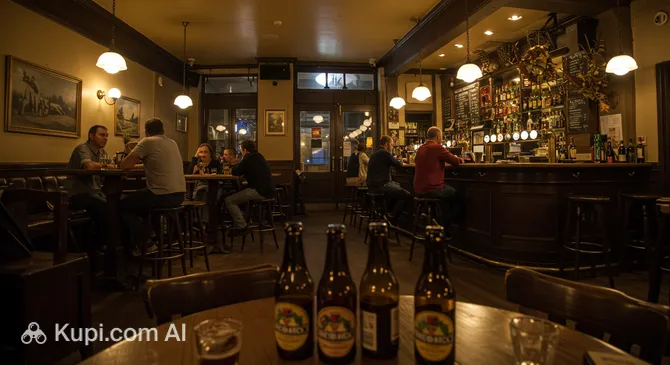
The core of evening entertainment in Laeken consists of a variety of bars where you can enjoy a glass or two of Belgian beer or a signature cocktail. One such notable spot is BBP Dansaert. This establishment attracts both locals and tourists with its atmosphere and selection of drinks. Generally, bars in this area start to come alive in the evening, with peak attendance late at night, especially on weekends. The dress code in most places is quite casual, ranging from everyday wear to smart-casual.

BBP Dansaert. Illustration.
Source: Kupi.com AI

Traveler photos:

In addition to bars, evening Laeken offers a selection of restaurants where you can not only have a great dinner but also enjoy a pleasant setting. Some establishments stay open late and offer a lively atmosphere perfect for ending the day. For example, if you are looking for something special, consider Tonkotsu Ramen Kitchen Sainte-Catherine, which serves Asian cuisine. For a wider choice of nightclubs and large concert venues, it is worth heading to the central part of Brussels, which is easily accessible from Laeken.

When planning an evening out, keep in mind that getting to the center of Brussels and back is convenient by public transport, which runs on a schedule, or by taxi. Taxi and car-sharing services are also available throughout the night. Laeken is generally considered a safe neighborhood, but like in any large city, it is worth taking standard precautions, especially when walking late at night. Keep your valuables close and stay aware of your surroundings.

During the day, Laeken offers many cultural and natural attractions. You can visit the fascinating Train World museum, which appeals to both adults and children, or take a walk through the famous Laeken Park (Royal Park of Laeken), enjoying its beauty and tranquility. These locations will perfectly complement your impressions of a trip to Belgium.

Parks & Museums

Laeken, a district of Brussels, offers its guests a wonderful combination of majestic green spaces and unique cultural treasures. Here, you can enjoy the tranquility of royal parks and immerse yourself in the world of art and history through its remarkable museums and landmarks.

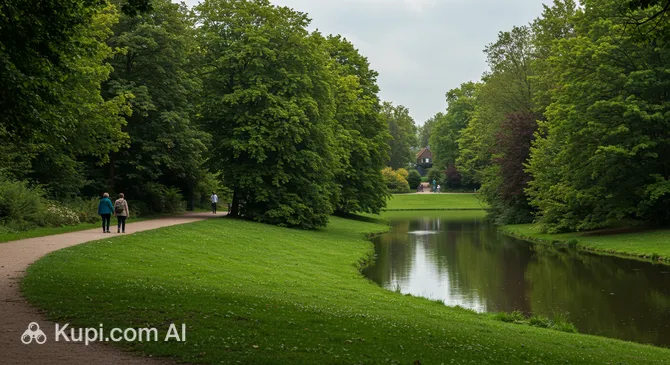
Among Laeken's green gems, Laeken Park (Royal Park of Laeken) stands out. This vast park adjacent to the royal residence is steeped in history and offers magnificent landscapes for leisurely walks and outdoor relaxation. Its well-kept paths, ponds, and monuments make it a favorite spot for both tourists and locals. Nearby are the famous Royal Greenhouses of Laeken—an architectural masterpiece of glass and metal, where an incredible collection of exotic plants blooms in spring (note that the greenhouses are only open to the public for a few weeks a year). Another wonderful place to relax is Josaphat Park, known for its sculptures, picturesque ponds, and cozy atmosphere, ideal for a family picnic or a quiet stroll.

Laeken Park (Royal Park of Laeken). Illustration.
Source: Kupi.com AI

Traveler photos:

Royal Greenhouses of Laeken. Illustration.
Source: Kupi.com AI

Traveler photos:

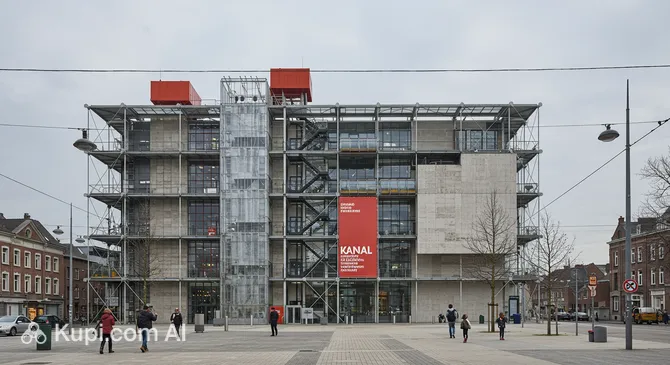
Laeken also prides itself on its museums, which offer a variety of experiences. Fans of railway history and technology should definitely visit Train World. This interactive museum tells the fascinating story of the past and present of Belgian railways, showcasing an impressive collection of locomotives and carriages. For lovers of contemporary art, the doors of KANAL — Centre Pompidou are open, located in a former Citroën garage. This space hosts exhibitions of modern art, architecture, and design. And those with a sweet tooth will certainly enjoy the Belgian Chocolate Village, where you can learn everything about the production of Belgian chocolate, from cocoa beans to finished products, and, of course, enjoy a tasting.

Train World. Illustration.
Source: Kupi.com AI

Traveler photos:

KANAL – Centre Pompidou. Illustration.
Source: Kupi.com AI

Traveler photos:

Beyond parks and museums, Laeken is home to other significant architectural and historical sites. The majestic Church of Our Lady of Laeken is a Neo-Gothic masterpiece serving as the mausoleum for the Belgian royal family. Its impressive architecture and rich interior decoration attract many visitors. Nearby stands the exotic Japanese Tower, part of the Museums of the Far East complex. This unique building offers not only an interesting look at Eastern architecture but also beautiful views of the surroundings (it is recommended to check opening hours and accessibility before visiting).

Church of Our Lady of Laeken. Illustration.
Source: Kupi.com AI

Traveler photos:

Japanese Tower. Illustration.
Source: Kupi.com AI

Traveler photos:

For a more authentic experience of Laeken, step off the beaten tourist path and stroll through the quiet residential streets adjacent to the large parks. This will allow you to feel the local flavor and perhaps discover charming little cafes or squares hidden from most guidebooks.

Getting Around

Getting around Laeken and its surroundings is quite convenient thanks to a well-developed public transport system, which is part of the overall transport network of the Brussels-Capital Region. The main modes of transport serving this area are trams, buses, and the metro. Several tram and bus routes pass directly through Laeken, connecting it to the city center and other districts. Laeken also has metro stations (e.g., Line 6), providing quick access to various parts of the capital.

The fare payment system in Laeken is integrated into the general Brussels system managed by STIB/MIVB. To pay for trips, you can use a MOBIB contactless card, which can be loaded with various types of passes (daily, monthly, yearly) or topped up for single trips. There are also paper tickets for one or several trips. In recent years, the ability to pay by bank card directly on the validators has been actively introduced. Fares vary depending on the type of ticket and its duration but are generally considered affordable. It is recommended to check the current rates on the official STIB/MIVB website or in the mobile app in advance.

Tickets can be purchased at GO machines at metro stations and major stops, at KIOSK sales points, or online through the STIB/MIVB mobile app. It is vital to validate your ticket or MOBIB card every time you board (in trams and buses, validators are inside the vehicle; in the metro, they are at the turnstiles before the platform entrance). Public transport usually runs from early morning until late evening. On Friday and Saturday, Noctis night bus routes operate, though you should check specific routes for their availability in Laeken.

In addition to public transport, alternative ways of getting around are available in Laeken, as in all of Brussels. Taxi services are easy to find or call via apps. The Villo! bike-sharing service is popular, with stations located throughout the city, including Laeken, allowing you to explore the district on two wheels. Various car-sharing services also exist if you prefer to travel by car for short distances.

Accommodation

When planning a trip to Laeken, one of Brussels' most picturesque districts, you will find a variety of accommodation options to suit different budgets and preferences. While Laeken itself is not a major hub for large hotel chains, you can find cozy guesthouses, small hotels, and apartments for rent. A larger selection, including luxury hotels and budget hostels, is available in the central districts of Brussels, which are easily accessible from Laeken.

For tourists wishing to stay directly in Laeken, the most attractive areas are those located near its main attractions. These are, primarily, the surroundings of Laeken Park (Royal Park of Laeken) and the famous Royal Greenhouses of Laeken, which are especially popular in the spring. Staying here allows you to enjoy a peaceful atmosphere and green zones, such as Josaphat Park or Elisabeth Park. It is also worth considering transport accessibility: proximity to metro stations or tram stops will ensure convenient connections to the center of Brussels and other districts.

Josaphat Park. Illustration.
Source: Kupi.com AI

Traveler photos:

As Laeken is primarily a residential and park-filled area, the choice of large hotels here is limited. The main options are private apartments and small hotels. It is recommended to book your accommodation in advance, especially if your trip coincides with the blooming period at the Royal Greenhouses or other popular events in Brussels, as demand increases during these times.

The price range for accommodation in Laeken can vary from relatively budget-friendly private rentals to more expensive offers in boutique hotels or high-quality apartments. Most options can be found and booked through popular online travel platforms like Booking.com, Airbnb, or Expedia. Some small guesthouses may also offer direct booking through their own websites.

Nearby Cities

For those looking to explore the surrounding area, Laeken serves as an excellent starting point for day trips to several interesting nearby locations:

Among the closest cities worth visiting, Brussels, the capital of Belgium, stands out, located just 3 kilometers away. Here you will find world-famous attractions such as the Grand-Place, the Atomium, and numerous museums offering an immersion into art and history. Also interesting is the town of Jette, located only 2 kilometers from Laeken. It attracts visitors with its calmer atmosphere, charming streets, and the chance to see the daily life of locals away from the capital's hustle.

CityPopulationDistance
Jette52 7282 km
Koekelberg21 9592 km
Strombeek-Bever11 5003 km
Ganshoren25 2343 km
Neder Over Heembeek17 5953 km

These nearby destinations offer a glimpse into the region's diverse culture and landscapes. Each trip promises new discoveries, whether it's historical landmarks, picturesque scenery, or a unique local atmosphere.

Shopping & Souvenirs

Shopping in Laeken offers more of a look at local shops and boutiques rather than the large-scale shopping trips to massive malls typical of Brussels' central districts. Nevertheless, you can find interesting goods and souvenirs here, especially if you appreciate a calmer atmosphere.

Main shopping spots in Laeken are usually concentrated along the district's main streets, where small shops, bakeries, and stores selling everyday goods are located. For a wider selection of brand-name clothing, electronics, or designer items, it is worth heading to the center of Belgium, Brussels, which is in the immediate vicinity.

There are few large shopping centers directly in Laeken, as the district is better known for its parks and royal residences. However, thanks to convenient transport links, you can easily reach major shopping malls in other parts of Brussels.

In Laeken and the surrounding areas, local markets may operate periodically, where you can buy fresh produce, flowers, and sometimes antiques or handmade goods. These markets are a great way to feel the local character and find something unique.

Belgian Chocolate Village. Illustration.
Source: Kupi.com AI

Traveler photos:

As for souvenirs, when leaving Laeken and Belgium in general, it is worth bringing back famous Belgian chocolate. An excellent place to buy it is the Belgian Chocolate Village, where you can not only purchase it but also learn more about how this treat is made. Also popular are Belgian beer, lace, tapestries, and souvenirs related to the royal family or landmarks like the Atomium, which is located nearby.

Shops in Laeken typically operate from Monday to Saturday, roughly from 10:00 to 18:00 or 19:00. Some small shops may close for a lunch break. On Sundays, most shops are closed, except for some grocery stores or souvenir shops in tourist areas. Bank cards are accepted almost everywhere, but having some cash for small purchases or at markets is a good idea.

For tourists from countries outside the European Union, there is a possibility of a VAT refund (Tax Free) for purchases over a certain amount in participating stores. Usually, you need to get a special receipt in the store and present it along with the goods at customs when leaving the EU.

Nearby cities

Reached the end of the page?

That means the route is fully explored