Support

Namur

About

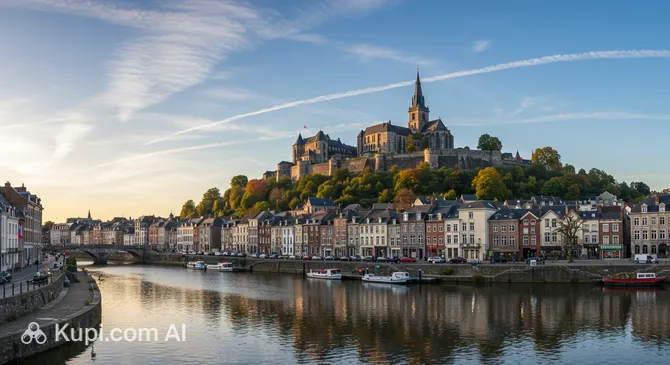
Namur is a true gem of Wallonia, cozily nestled in a picturesque spot at the confluence of two rivers: the Meuse and the Sambre. This city, possessing a special charm and aristocratic air, is not only the administrative center of the province but also a vital point on the map for anyone planning to visit Belgium. Here, the tranquility of nature and its status as the political capital of the country's French-speaking region are harmoniously intertwined.

Namur. Illustration.
Source: Kupi.com AI

With a population of about 110,000, Namur maintains the atmosphere of a cozy European city where there is no room for hustle and bustle. Its geographical position makes it an ideal starting point for travels through the Ardennes, yet there is plenty to see within the city itself. Namur's rich history has left its mark on the majestic architecture: from medieval houses to impressive cathedrals and narrow cobbled streets that are a delight to wander through.

The legendary Citadel, rising on a hill, is rightfully considered the main symbol of the city. Once you climb up there, you can enjoy breathtaking panoramic views of the old quarters, bridges, and the green slopes of the river valleys. In the evenings, the embankments are lit with the soft glow of lanterns, creating ideal conditions for romantic walks and dinner in local cafes. Namur is definitely worth including in your itinerary to experience its unique spirit and be inspired by the beauty of old Europe.

Weather Overview

Namur's climate can be described as moderate and mild, which makes the city pleasant to visit, however, travelers should be prepared for the variability of the weather. In general, expect a comfortable, not too hot summer and a cool, rather damp winter.

The peak of the tourist season falls in the summer months. In July and August, the average temperature is about 18°C, and during the day the air often warms up to a pleasant 22-23°C. This is the ideal time for exploring the Citadel and walking in the fresh air. Winters here are not severe but are overcast: in December and January, the thermometer usually stays in the 3-5°C range, rarely dropping to serious frosts.

A characteristic feature of the local climate is frequent rain, which is distributed fairly evenly throughout the calendar. Even in the "driest" months, you should count on 12–13 rainy days, and in winter their number increases to 16–17. To plan your wardrobe correctly for the trip, we recommend checking the forecast in advance to see what weather in Namur is expected on your chosen dates.

Average monthly temperature

Average monthly precipitation

Interesting Facts

In addition to the main attractions, Namur holds many fascinating secrets and traditions that will surprise even experienced travelers.

  • The snail is considered the unofficial symbol of the city. Residents humorously call themselves "snails," emphasizing their measured, contemplative lifestyle and dislike for rush. In honor of this fun mascot, you can find many souvenirs here, and sometimes the city even hosts mock "snail races."

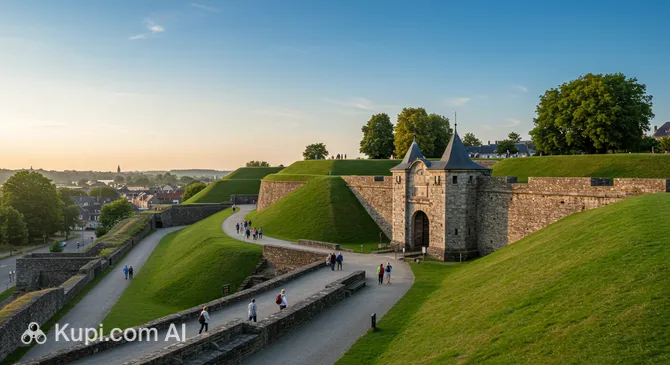
  • The majestic Citadel of Namur hides a real underground city beneath it. It is one of Europe's largest fortresses, with roots dating back to the Roman era, and its extensive network of tunnels is an impressive labyrinth that can be explored today with a guided tour.

  • The city is the birthplace of Félicien Rops, a famous 19th-century graphic artist and illustrator. His work, known for its symbolism and provocative themes, is immortalized in a dedicated cultural center—the Félicien Rops Museum invites you to discover the bohemian side of the city's history.

  • Every autumn, Namur is transformed during the annual Walloon Festival. The streets are filled with music and theatrical performances, turning the city into a continuous celebration where you can best experience local traditions and the hospitality of the residents.

Citadel of Namur. Illustration.
Source: Kupi.com AI

Traveler photos:

How to Get There

Getting to the capital of Wallonia is quite simple thanks to the region's well-developed transport network. The city is located in the heart of Europe, making it accessible for travelers using various modes of transport. To learn about all possible routes and nuances, we recommend studying the detailed information on how to get to Namur.

Namur itself does not have its own airport, so most tourists fly into major international hubs in neighboring cities. The most popular option is Brussels Airport (IATA: BRU). It is located in the city of Brussels, about 55 km from Namur. It is the country's main air gate with a huge passenger flow, receiving flights from all over the world. A trip from there by taxi or transfer will take approximately 45–60 minutes, depending on traffic.

Another convenient and even closer option is Brussels South Charleroi Airport (IATA: CRL). Although data often links it to the Brussels transport hub, it is actually only 29 km from Namur, making it a strategically advantageous arrival point. This airport is frequently used by low-cost airlines. Travel time by car is only about 30 minutes.

You can also consider Liège Airport (IATA: LGG), located in the city of Liège, 45 km from the center of Namur. It is less crowded than the capital's airports, which can save time at security checks.

For clarity, here is a summary of the main airports:

AirportPassenger trafficDistance
Charleroi Brussels South Airport10.5 mln29 km
Liege Airport161 93645 km
Brussels Airport23.6 mln56 km
Maastricht Aachen Airport230 93281 km
Antwerp International Airport239 51785 km

If you prefer ground transport, the railway is an excellent choice. Namur has its own railway station, however, many international trains arrive at major hub stations from where it is easy to transfer to a local train or take a taxi. One of the key hubs is the Brussels-North Bus Station (or North Station) in the city of Brussels, located about 56 km from Namur. Many international routes arrive here.

Another important point is the Brussels-Midi station (IATA: ZYR), located 55 km from Namur. This is the main gate for Eurostar and Thalys high-speed trains. From here, you can reach Namur by car in about 50–60 minutes, or use a direct train connection, which is often even faster.

Below is information about the nearest major railway hubs:

StationPassenger trafficDistance
Liège-Guillemins Station5.5 mln53 km
Brussels Midi Station21.5 mln56 km
Brussels-North Bus Station21.8 mln57 km
Mechelen Station5.8 mln68 km
Maastricht Railway Station73 km

Main Attractions

Namur is a city where every stone breathes history, and architectural monuments blend harmoniously into the natural landscape. A stroll through the local sights will allow you not only to see beautiful buildings but also to immerse yourself in the atmosphere of past centuries, feeling the spirit of old Europe.

The absolute dominant feature of the city is the majestic Citadel of Namur. It is one of the largest fortresses in Europe, which served as a strategic defensive point for centuries. Today, it is a favorite place for tourists to walk: from here, the best panoramic views of the city and the confluence of the Meuse and Sambre rivers open up. The territory of the complex is vast, and you can spend a whole day here exploring the bastions, underground passages, and green park zones.

To gain a deeper understanding of this place's history, it's worth visiting the Terra Nova Visitor Center, located on the fortress grounds. This is a modern museum complex that tells the story of the region's military and cultural past in an engaging way. The exhibition will be interesting for both adults and children, offering an interactive look at the events that shaped the face of modern Namur.

Jambes Bridge. Illustration.
Source: Kupi.com AI

Traveler photos:

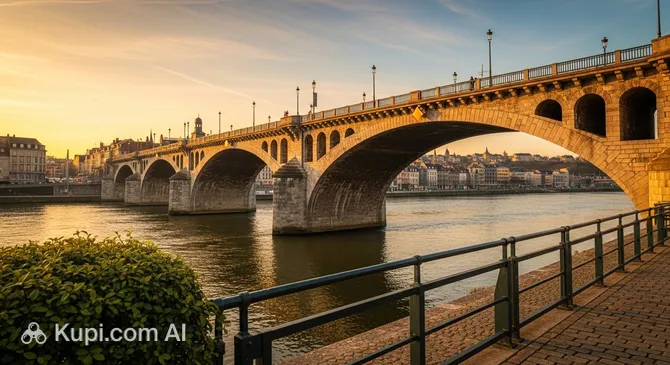
Descending to the river, you will certainly notice the picturesque Jambes Bridge. This ancient structure, connecting the two banks of the Meuse, is an architectural monument in its own right. Walking across the bridge is a great opportunity to take spectacular photos of the Citadel from a lower angle and enjoy the fresh river breeze. In the evening, when the lights come on, the bridge looks particularly romantic.

For lovers of refined aesthetics, the Museum of Decorative Arts in Namur is a must-visit. It is located in a magnificent 18th-century mansion—the Hôtel de Groesbeeck-de Croix. The interiors of that era have been recreated here, allowing you to imagine how the local aristocracy lived. The collection includes exquisite furniture, ceramics, glassware, and other household items demonstrating the high craftsmanship of past artisans.

If you are traveling with family, a great addition to your route is the Queen Fabiola Amusement Park, located at the top of the hill next to the Citadel. This is a cozy space with playgrounds, mini-golf, and picnic areas where you can relax from a busy sightseeing program surrounded by nature.

Local Cuisine

Namur's local cuisine is a harmonious blend of Walloon heartiness and French sophistication. The city can boldly be called a gourmet paradise: ancient recipes are honored here, but people are not afraid to experiment. The gastronomic scene is diverse and ranges from cozy family brasseries to fine dining establishments where special attention is paid to local products.

The main delicacy that every tourist must try is the famous Namur snails (Petits-Gris de Namur). These mollusks are prepared virtuously here, most often served in a fragrant creamy herb sauce. Meat lovers should pay attention to various Walloon sausages and delicate pâtés, often served with crusty bread. You can taste traditional dishes in an authentic atmosphere by visiting the Grill des Tanneurs restaurant, known for its hospitality and quality approach to grilling.

The House of Desserts. Illustration.
Source: Kupi.com AI

Traveler photos:

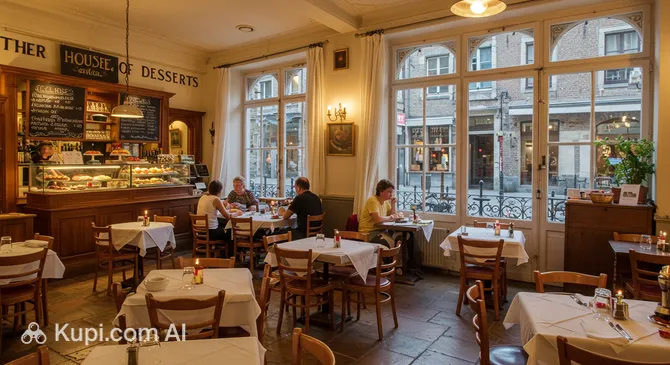
The city's sweet calling card is the "biétrumé" candy. This is a soft creamy caramel with roasted almonds or hazelnuts, which was invented right here. If you want to enjoy fresh pastries, waffles, or exquisite cakes, be sure to visit the Maison des Desserts. This establishment is a true temple for those with a sweet tooth, where you can also find handmade chocolates.

No meal in Wallonia is complete without excellent beer. In Namur and its surroundings, many craft varieties are brewed, from rich dark ales to refreshing blondes. Barnabeer is perfect for tasting the frothy drink, where a wide selection of local brands is presented in a relaxed atmosphere. Additionally, the city has a well-developed wine bar culture, offering not only European classics but also local ciders.

The city's gastronomic life bubbles not only in establishments but also on the streets. Weekly markets offer farmhouse cheeses, honey, and homemade liqueurs. A special time for a visit is spring and autumn, when Namur hosts gastronomic festivals and fairs. This is a great chance to try street food and immerse yourself in the true taste of the region.

Travel Tips

Namur is an incredibly hospitable and calm city, but as with any journey, knowing local nuances will make your holiday much more comfortable and save you from unnecessary trouble. We have prepared a list of proven recommendations to help you plan the perfect trip to the capital of Wallonia.

  1. Clothing and weather. The climate here is changeable, so the main principle for your wardrobe is layering. Even in summer, a light jacket or sweater won't hurt for evening walks along the river. Be sure to bring a sturdy umbrella or a high-quality raincoat: rains in Belgium can start suddenly. Since the historical center is paved with old cobblestones and the climb to the Citadel requires effort, opt for comfortable flat shoes; heels are best left for dinner at a restaurant.
  2. Transport. Namur's historical center is compact and best explored on foot. To climb to the Citadel, we recommend using the cable car (Téléphérique)—it saves energy and offers great views. Public transport is represented by TEC buses; tickets can be bought from the driver (more expensive) or at machines. Renting a car is only worthwhile if you plan trips to surrounding castles and the Ardennes forests; inside the city, a car can become a burden due to paid parking.
  3. Finances. The official currency is the Euro (EUR). Visa and Mastercard bank cards are accepted almost everywhere: in restaurants, museums, and shops. However, it's still worth having some cash with you (5–20 euro bills): it will come in handy for buying souvenirs at street fairs, paying for trips on small river shuttles, or for tips. Speaking of tips: the service charge is usually already included in the bill, but rounding up the amount or adding a couple of euros on top is considered a sign of good manners.
  4. Health and safety. Namur is a safe city with a low crime rate, but as elsewhere, keep an eye on your bags at the station and in crowded tourist spots. The emergency number is 112. Pharmacies are easily recognized by a glowing green cross; they operate on a standard schedule, and there is always a duty pharmacy at night and on weekends (the address is usually posted on the doors of closed locations). Tap water is safe to drink.
  5. Communication. The main language of communication is French. Most tourism workers and young people speak English well, but locals very much appreciate respect for their culture. Learn a few basic phrases: "Bonjour" (hello) and "Merci" (thank you). This will instantly melt the ice and make service more heartfelt. A SIM card for internet can be bought at supermarkets or mobile shops (for example, Orange or Proximus); a passport is required for registration.
  6. Local etiquette. Belgians are polite and reserved. When entering a small shop or cafe, it is customary to greet the salesperson or staff. On escalators, stand on the right, letting those in a hurry pass on the left. In restaurants, it's not customary to call loudly for a waiter across the room—it's enough to establish eye contact and nod slightly or raise a hand.
  7. What to avoid. Don't compare the local culture and dialect with French—Walloons are proud of their identity. Also, avoid walking on bike lanes: in Belgium, a cyclist is a full and fast participant in traffic, and stepping onto their lane can create an emergency situation and cause dissatisfaction.
  8. Local hack. If you find yourself in Namur during the warm season (from May to September), be sure to use the "Namourettes". These are tiny, retro-style river shuttles that run between the city center, the Citadel, and the Jambes district. It's not only a convenient way to get from bank to bank but also a very inexpensive and romantic mini-excursion on the water.

We hope these tips help you feel the rhythm of the city and avoid typical tourist mistakes. Namur knows how to charm those who are ready to walk without haste, enjoy the moment, and respect its traditions. We wish you an unforgettable trip!

Entertainment & Nightlife

Entertainment and Nightlife:

Namur may seem quiet and reserved during the day, but as evening falls, the city, being a major student center of Wallonia, becomes noticeably livelier. The nightlife here does not have the aggression of megacities; rather, it is a story of cozy meetups, long conversations on terraces, and high-quality drinks in atmospheric venues. The main activity is concentrated in the historical center, where old buildings stand alongside modern bars and pubs.

The epicenter of evening leisure is rightfully considered to be Place du Marché aux Légumes (Vegetable Market Square) and its adjacent streets. Here, the concentration of cafes and bars is so high that in summer, the venue tables practically merge into one large open-air terrace. The crowd here is very diverse: from noisy university students to respectable couples and tourists enjoying a glass of wine.

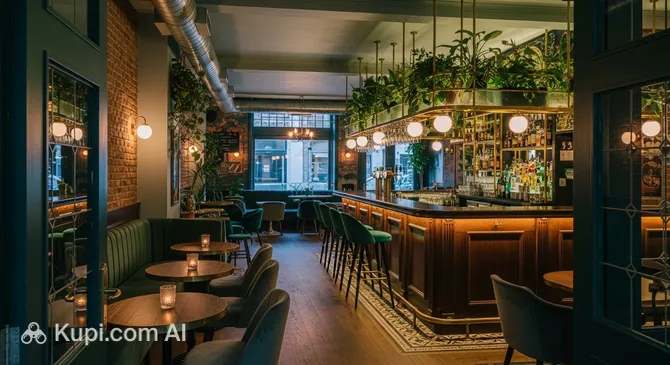
If you are looking for a place with a refined atmosphere and a creative approach to drinks, be sure to stop by Botanical bar. This establishment is famous for its mixologists, who turn cocktail creation into a real art using herbs and unusual ingredients. The interior encourages relaxed rest, and the style of the establishment can be described as "botanical chic."

Botanical. Illustration.
Source: Kupi.com AI

Traveler photos:

For fans of beer culture who want to spend an evening in a more casual setting, Barnabeer is an excellent choice. This place is a true encyclopedia of Belgian brewing with a huge selection of draft and bottled beers. Large groups often gather here to discuss the past day and try new varieties of local ales.

Gambling and social entertainment enthusiasts should visit the famous Grand Casino de Namur, located at the foot of the Citadel on the banks of the Meuse river. This is one of the most famous casinos in Belgium, housed in a magnificent historical building. Major poker tournaments are held here, there is a restaurant and a bar, and the dress code requires a neat, elegant appearance (smart casual).

Regarding daytime and cultural entertainment, Namur offers a rich program. The Théâtre Royal de Namur is a magnificent example of Italian-style architecture, where you can watch classical productions and modern plays. There are also several cinemas in the city, including art-house venues that show films in their original language.

Practical tips for night owls:

  • Opening hours: The rowdiest parties, especially student ones, take place on Thursdays. Friday and Saturday are the days when locals of all ages head out into the city. Bars usually stay open until 1:00–2:00 AM, and clubs until morning.
  • Safety: Namur's center is safe for nighttime walks, and the streets are well-lit. However, as elsewhere, you should avoid unlit alleys alone and keep an eye on your personal belongings.
  • Transport: Night buses run infrequently, so the best way to get to your hotel is by taxi. Taxi stands are located at the station and on main squares, and popular ride-hailing apps also work. An average trip across the city will cost around 10–15 euros.

Parks & Museums

Namur wonderfully combines the dynamics of a regional capital with the tranquility of a green city, where cultural leisure easily flows into walks in the fresh air. The city carefully preserves its heritage not only in majestic fortress walls but also in the quiet of museum halls and shaded park alleys, offering tourists a rich program for the soul and mind.

For those seeking communion with nature, the vast green zone around the Citadel remains the main point of attraction. Here, among the forested slopes, the Queen Fabiola Amusement Park is hidden. It is an ideal place for family recreation: while children master the playgrounds, climbing castles, and mini-golf, adults can enjoy a picnic surrounded by peaceful nature at the top of the hill. Another oasis in the city center is Parc Louise-Marie. Designed in an English style, with a picturesque pond, a grotto, and well-kept lawns, it serves as a favorite spot for afternoon walks by local residents.

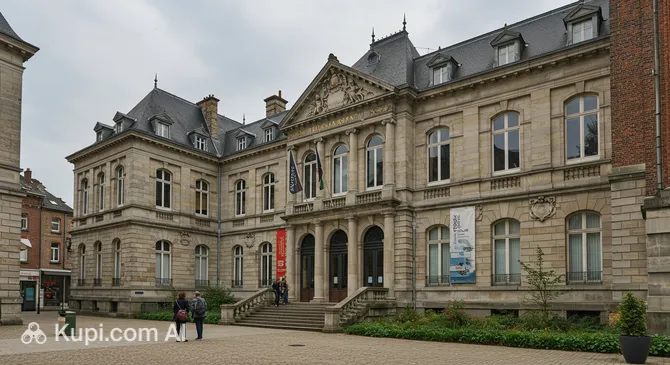
Namur's cultural life is no less rich. A must-visit for art lovers is the Félicien Rops Museum. It is dedicated to the life and work of the famous 19th-century Namur artist, whose works are known for their provocative symbolism, satire, and technical skill. The exhibition does not just display engravings and paintings but also immerses you in the atmosphere of the era, revealing the author's complex relationships with contemporaries, including Charles Baudelaire.

Félicien Rops Museum. Illustration.
Source: Kupi.com AI

Traveler photos:

Lovers of history and aesthetics should visit the Museum of Decorative Arts in Namur. It is located in the magnificent mansion of Baron de Groesbeeck-de Croix, which itself is an 18th-century architectural masterpiece. Walking through the halls, you feel as if you are visiting an aristocratic family of the past: exquisite furniture, antique clocks, porcelain, and glassware create an effect of full immersion into the "Gallant Age."

If you are interested in the city's military history, the Terra Nova Visitor Center will be your best guide. Located in former barracks, this museum uses modern multimedia technologies to tell the story of Namur's strategic importance in European history. And the city itself acts as an "open-air museum": take a walk along the embankment to see the ancient Jambes Bridge, whose arches have been reflected in the waters of the Meuse for many centuries.

For those looking for hidden gems, we recommend peeking into the inner garden of the Museum of Decorative Arts. The entrance often goes unnoticed by tourists, but it is one of the quietest and most romantic places in the city, where time seems to have stood still.

Getting Around

The public transport system in Namur is organized simply and effectively, allowing tourists to easily plan routes both within the historical center and beyond. The city is compact enough for walking, but for a trip to the Citadel, the station, or the neighboring district of Jambes, transport will be very handy. The main transport operator is the regional company TEC.

The main way to get around the city is by bus. They are easy to recognize by their characteristic yellow color. The route network densely covers all districts, and schedules are generally followed quite accurately. Most routes pass through the station square, which serves as the main transport hub. It is important to remember that in the evenings and on weekends, service intervals increase, so we recommend checking the schedule in advance.

The payment system is very guest-friendly. The simplest and most economical way is contactless payment (the "Next" ticket). You simply tap your bank card (Visa, Mastercard, Maestro) or smartphone with NFC against the gray validator when entering the bus. The cost of such a trip is lower than when buying a paper ticket from the driver. If you plan to travel a lot during the day, the system will automatically cap the charge at a daily maximum, turning your payments into a day pass.

If you prefer traditional tickets, they can be purchased at machines at major stops (ESPACES TEC) or, as a last resort, from the driver (this is the most expensive option and will require change). Important rule: any ticket, whether electronic or paper, must be validated each time you enter the vehicle. Ticket inspectors work frequently, and fines for fare evasion are substantial.

Special mention should be made of the unique modes of transport that have become hallmarks of the city. Firstly, there is the cable car (Téléphérique), connecting the city center with the top of the Citadel. This is not just an attraction with a panoramic view but a full-fledged mode of transport that allows you to avoid the tiring climb on foot. Secondly, during the warm season (from May to September/October), "Namourettes"—small river shuttles—operate on the rivers. They connect the old city, the Jambes district, and the embankments, offering a picturesque and inexpensive alternative to the bridges.

For fans of an active lifestyle, the city has a bike-sharing system called Li Bia Vélo. Automatic rental stations are scattered throughout the center and at key points. To use a bike, you will need a bank card for registration (a small deposit is usually blocked). This is a great way to ride along the banks of the Meuse.

Taxis in Namur are not a cheap pleasure. Cars rarely stop for a wave of the hand on the street. It is best to look for them at special stands (the largest is at the railway station) or call by phone and via apps. The railway connection can also be considered city transport: a short train ride from Namur Central Station to the Jambes station takes only a couple of minutes and will bring you to the other side of the river.

Accommodation

Namur, as a popular tourist destination and administrative center, offers guests a decent choice of accommodation, although you are unlikely to find massive skyscrapers from international chain giants here. The city's hotel stock is characterized by European comfort and variety: from budget youth hostels and atmospheric guest houses to comfortable 3–4 star category hotels. Small family-run Bed & Breakfasts (B&Bs) possess a special charm in Wallonia, where you can experience authentic local hospitality.

When choosing a district to stay in, most travelers prefer the historical center. This is the most convenient option for those who want to explore the city on foot: cobbled streets, cafes, and shops will be literally on your doorstep. Another attractive and strategically convenient area is Jambes, located on the opposite bank of the Meuse river. Staying here is often quieter, prices can be slightly lower, and a daily walk across the famous Jambes Bridge will give you perhaps the most postcard-perfect views of the old city.

For lovers of peace and beautiful landscapes, hotels located at the foot or on the slopes of the hill where the Citadel of Namur rises would be an excellent solution. Staying in this zone allows you to combine proximity to nature with easy access to the main sights. If you are here on a business visit or plan day trips around the region, the area around the railway station is worth considering—practical and functional hotels are concentrated here.

The price range in Namur can be described as moderate by Belgian standards. Budget accommodation (hostels or simple rooms) usually costs around 60–90 euros per night. For a standard double room in a mid-range hotel or a good B&B, you can expect to pay approximately 100–150 euros. Luxury options and boutique hotels in historical mansions will cost more.

Booking tip: Namur is a compact city, and the number of good rooms is limited. We strongly recommend booking accommodation in advance (1–2 months), especially if your trip coincides with the high summer season or local festival days, such as the Walloon Festival in September. You can use major international online platforms as well as direct booking on the websites of small family hotels.

Nearby Cities

For those who want to explore the surroundings, Namur serves as an excellent starting point for day trips to several interesting nearby places. The city's location in the heart of Wallonia allows for quick access to the region's neighboring gems, each possessing its own unique charm.

The city of Huy, located just half an hour's drive away, deserves special attention. This city is picturesquely situated on the banks of the Meuse and is known for its impregnable fortress, as well as the beautiful Collegiate Church of Notre-Dame. Fans of medieval architecture should visit Gembloux, whose famous belfry (beffroi) is included in the UNESCO World Heritage List. And if you are interested in local legends and crafts, stop by Andenne—a city famous for its ceramics and history dating back to the Merovingian era.

CityPopulationDistance
La Bruyère9 22610 km
Profondeville12 20410 km
Eghezee16 24714 km
Yvoir9 16315 km
Gembloux25 93316 km

These nearby destinations offer an insight into the diverse culture and landscapes of the region. Thanks to the short distances, you can easily plan a full day out and return to Namur by dinner.

Shopping & Souvenirs

Shopping:

Shopping in Namur is a pleasant and relaxing activity, free from the hustle of huge megacities. The city is ideal for unhurried browsing, as its shopping center is compact and largely a pedestrian zone. You won't find giant malls at every turn here, but you will encounter many cozy boutiques, antique shops, and stores with goods from local artisans that coexist harmoniously with well-known international brands.

The city's main shopping artery is the combination of Rue de Fer and Rue de l'Ange. They pierce the city center and lead towards the station. This is where popular chain stores for clothing, shoes, cosmetics, and accessories are concentrated. If you are looking for something more exclusive and authentic, it's worth turning into the labyrinth of streets in the Old Town (Vieux Namur), for example, on Rue de la Croix or Rue des Fripiers. This quarter houses designer boutiques, gourmet food shops, and stylish interior design salons.

There are few large shopping centers in the traditional sense in the historical center, as the city maintains its architectural integrity. However, it is worth noting small shopping galleries, such as Galerie Jardins d'Harscamp, where you can find interesting shops under one roof. There is also a convenient shopping area located right inside the railway station building, which is very practical for travelers who need to buy something for the road or pick up magazines and souvenirs.

Namur's markets give it a special atmosphere. The main weekly market unfolds in the city center on Saturday mornings. The streets fill with stalls selling fresh produce, flowers, clothing, and all sorts of things. It's a great place to observe local life. On Sundays, the baton is passed to the market on the right bank of the Meuse river, in the Jambes district. Antique lovers should look for information about irregular flea markets (brocantes), which are often held on the embankments during the warmer months.

When choosing souvenirs, pay attention to gastronomic specialties. The best gift from Namur would be the famous soft "biétrumé" caramels. To purchase these, as well as other high-quality sweets in beautiful packaging, we recommend stopping by the Maison des Desserts. Additionally, a popular souvenir is local genever (peket) with various fruit flavors or perfumes from the famous workshop located right in the underground passages of the Citadel.

Shops in Namur usually operate from Monday to Saturday, opening around 10:00 AM and closing at 6:00 PM or 6:30 PM. Sunday is traditionally a day off for most retail outlets, except for souvenir shops and convenience grocery stores. However, during the first week of sales or before Christmas, many boutiques open their doors on Sundays as well.

Payment by bank cards (Visa, Mastercard) is widespread, even in small kiosks, although it's better to have cash at the market. Tourists residing permanently outside the European Union can take advantage of the Tax Free system when purchasing goods for an amount exceeding the established minimum (usually around 50 euros in one receipt, but conditions may vary). Look for the "Tax Free Shopping" sticker in windows or check with sales staff about the possibility of arranging a VAT refund.
Reached the end of the page?

That means the route is fully explored