Support

Parakou

About

Parakou is a dynamic and colorful center in northern Benin, serving as the region's main economic engine. The city possesses a unique "crossroads of the world" atmosphere where trade routes, various ethnicities, and cultures meet. Its name, which translates as "a city for everyone," perfectly reflects the hospitable and open character of this place.

Situated at an altitude of over 300 meters above sea level, the city is the administrative center of the Borgou Department. With a population of over 206,000 people, Parakou is a vibrant ethnic kaleidoscope: members of the Bariba, Fon, Dendi, and Yoruba peoples live side by side here. This creates a unique cultural backdrop manifested in the architecture, local festivals, and daily life.
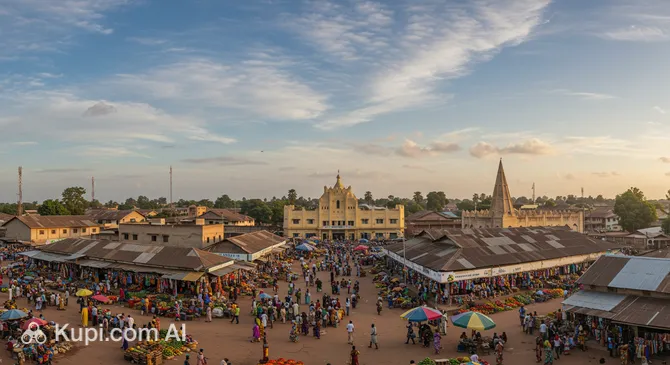
Parakou. Illustration.
Source: Kupi.com AI

You can learn more about the development of this important trading hub and its rich history while strolling through its bustling streets. Originally established as a caravan stop, the city transformed into a powerful transport hub after the construction of the railway. Today, Parakou attracts travelers not with glossy facades but with its authentic African energy, noisy markets, and genuine rhythm of life.

Visiting Parakou is an opportunity to see the real, non-touristy Benin, get acquainted with the traditions of local artisans, and feel the pulse of a modern West African city. We invite you to discover this vital junction connecting the Gulf of Guinea coast with the vast expanses of the Sahel.

Weather Overview

A classic tropical climate prevails in Parakou, typical of the interior regions of West Africa. There are two distinct seasons here: dry and wet. If you want to know more about the weather in Parakou by month, it's worth noting that the city is in a savanna zone where the sun can be very intense.

The temperature regime remains fairly stable throughout the year: during the day, the thermometer usually fluctuates between +25°C and +35°C. The hottest months are February and March, when temperatures can reach +37°C. The rainy season lasts from April to October, peaking in August and September. During this time, humidity increases significantly, and rain showers bring temporary coolness, though they can make traveling on unpaved roads difficult.

The dry season, beginning in November, brings the Harmattan—a cool and dusty wind from the Sahara. During this time, nights can be quite fresh (around +20°C), and the air becomes dry. Expect hot sunny days at the beginning of the year and more cloudy, humid weather with frequent precipitation during the summer period. This is the time when the region's nature comes alive and is painted in bright green tones.

Average monthly temperature

Average monthly precipitation

Interesting Facts

  • The name of the city Parakou has an interesting origin: according to one version, in the Dendi language, it means "a city for everyone," highlighting its historical role as a meeting point for many cultures.

  • It is the fourth-largest city in Benin, demonstrating one of the highest population growth rates in the country—the number of inhabitants has increased significantly over recent decades due to economic development.

  • Parakou is the terminus of the railway line coming from the coast in Cotonou. This makes the city a vital logistics point for goods heading to neighboring Niger.

  • The city is distinguished by incredible ethnic diversity: representatives of more than five major ethnic groups live here, with the Bariba people making up about a third of the population, and the Yoruba, Fon, and Dendi comprising almost half.

  • Historically, Parakou developed not as an administrative center but as a major caravan trade market, connecting the interior regions of Africa with the Atlantic coast.

How to Get There

Parakou is considered the gateway to the northern part of the country and an important transport hub. The city is well-connected to the coast and neighboring countries, making it accessible for travelers. You can find detailed information about all available transport routes in the special sections of our guide.

Air service is provided by the local Parakou Airport (IATA: PKO). It focuses on domestic flights connecting the north with the economic capital, Cotonou. The flight takes only about an hour, which is significantly faster than ground transport. The airport is located in close proximity to the city, and you can reach the center by taxi in 10-15 minutes.

AirportPassenger trafficDistance
Ilorin International Airport148 109230 km
Ibadan Airport51 172266 km

A classic and very popular way to reach the city is by rail. The Parakou Railway Station is the final station on the line from Cotonou. A train journey is a true adventure, allowing you to see the changing landscapes of Benin; the roughly 500 km journey takes between 10 and 12 hours. The city is also crossed by major highways, with regular intercity buses running from the southern regions and neighboring Niger.

Main Attractions

Although Parakou is primarily known as a major transport and economic hub, it has several interesting locations worth a traveler's attention. The main center of attraction here is the Parakou Central Market. This is not just a place for shopping, but the true heart of the city, where you can see a wide variety of goods—from traditional fabrics and spices to the works of local blacksmiths. The market allows you to immerse yourself in the daily life of the citizens and experience the true flavor of West Africa.

Among the architectural and cultural landmarks, the Monument to Hubert Maga stands out, dedicated to the first president of the Republic of Dahomey (now Benin), who was a native of this region. The monument is an important symbol of national pride and a popular meeting spot. It is also worth noting the building of Notre Dame de Lourdes d'Albarika—a majestic church that impresses with its architecture and peaceful atmosphere amidst the city's hustle and bustle.

For those interested in culture, it is worth looking into local cultural centers such as La Colombe or Centre, where regional events are occasionally held. The city also serves as an excellent base for trips to surrounding ethnic villages where the unique traditions of the Bariba people are preserved. Despite the absence of classic museums, the streets of Parakou themselves, with their mixture of styles and peoples, are a living monument to the region's history.

Local Cuisine

The culinary traditions of Parakou are an appetizing blend of West African flavors with an emphasis on hearty dishes made from local products. The main favorite here, as in all of Benin, is fufu—a viscous and dense mash made from yam or cassava. It is usually served with various sauces: this could be a spicy vegetable sauce, a peanut sauce, or palm oil sauce with tender chicken or freshly caught fish.

The city's gastronomic scene is best represented in small street eateries and at the markets. Here you can try grilled meat (brochettes), cooked right in front of you over an open fire, and aromatic rice with beans. As a traditional drink, locals often offer palm wine—a natural alcoholic beverage with a unique taste that is an important part of the local culture of hospitality.

A specialty of Parakou is the availability of fresh fruits and spices, which are sold in abundance at the markets. Street food here is not just a way to grab a bite but an important social ritual. Travelers should definitely try local bean cakes and freshly squeezed juices. Despite the absence of high-end restaurants, the food in Parakou wins you over with its simplicity, naturalness, and vibrant combination of spices.

Travel Tips

A trip to Parakou will give you many vivid impressions if you prepare in advance for the specifics of life in northern Benin. Here are some practical tips to help make your journey comfortable and safe.

  1. Clothing and Essentials: Choose light clothing made of natural fabrics (cotton, linen), as the city is almost always hot. A light raincoat will be useful during the rainy season. Don't forget comfortable closed shoes for walking through dusty markets and sunglasses.
  2. Transport: For quick trips, use "zem-zem" motorcycle taxis. Be sure to wear a helmet (if the driver has one) and agree on the price of the trip in advance. After dark, it is better to call a regular taxi.
  3. Finances: The main currency is the CFA franc (XOF). ATMs are available in the city center, but international cards are not accepted everywhere, so always carry a supply of cash. Tipping in local cafes is welcome but not mandatory.
  4. Health: Drink only bottled water and avoid ice in drinks. During the rainy season, be sure to use insect repellents, as the region is malaria-endemic.
  5. Communication: The official language is French; English is not widely spoken. Learn a few basic phrases in French or local languages (such as Bariba or Dendi); this will greatly endear you to the locals.
  6. Local Etiquette: Greeting is an important part of the culture. Always greet sellers or drivers before asking for anything. Be polite and patient with the local slow pace of life.
  7. What to Avoid: Do not photograph people without their explicit consent, especially at markets or during religious ceremonies. Also, try not to walk alone on the outskirts of the city at night.
  8. Important Tip: Be sure to visit the central market in the morning—this is when you can experience the most authentic atmosphere of the "city for everyone."

Following these simple rules will help you enjoy the hospitality of Parakou and discover the true soul of this important African crossroads. Have a pleasant journey!

Entertainment & Nightlife

Entertainment in Parakou is of a calm and authentic nature, as the city lives at the rhythm of trade and transit. Most evening activity is concentrated around the railway station and the central squares. Locals often gather in small bars and open-air cafes where a relaxed atmosphere prevails. Popular spots for evening relaxation include establishments like FLASH and LARDES, which offer music and refreshments.

Nightlife in the conventional European sense is less developed here; however, this is compensated for by evening gatherings where you can try traditional palm wine and chat with the locals. If you are looking for more modern clubs or concert venues, people usually head to Cotonou, but bars with live African music can also be found in Parakou on weekends. The dress code in these establishments is usually casual, but neatness is appreciated.

During the day, the main forms of entertainment remain strolling through the markets and observing the work of local craftsmen. Safety in the central districts in the evening is at an acceptable level, but it is better to always use official taxis or trusted "zem-zem" drivers for nighttime travel. Parakou is a city that reveals itself through communication and simple joys rather than through noisy parties.

Parks & Museums

In Parakou, the urban environment is primarily focused on practicality and trade, so there are few classic parks in the European sense. Open squares and shaded sections of streets often serve as recreation areas where residents gather to socialize. The city's greenery matches the character of the savanna region: you can find sprawling trees providing necessary shade during hot hours.

There are currently no specialized museums in the city itself; however, Parakou's cultural heritage lives on in its craft quarters and religious buildings. The central market and workshops, where you can see the process of creating masks and traditional fabrics, play the role of a "living museum." For those seeking natural beauty, it is recommended to travel outside the urban area, where the typical landscapes of northern Benin begin with picturesque savanna views.

Despite the lack of organized picnic areas or large galleries, Parakou is interesting for its urban energy. City spaces are actively used for traditional festivals and market days, which are vibrant cultural spectacles in themselves. The nearest large nature parks are located a few hours' drive north of the city, making Parakou a convenient stopover point for eco-tourists.

Getting Around

The transport system in Parakou reflects the energetic and chaotic rhythm of a West African city. The most popular and fastest way to get around here is by motorcycle taxis, known among locals as "zem-zems." They are easy to recognize by the drivers' bright vests. This is the most convenient option for moving through the dusty and busy streets, and a trip through the center usually takes no more than 10–20 minutes.

For longer distances within the city and to the suburbs, shared taxis and small buses are used. Fares are always paid in cash to the driver, and it is better to agree on the price of a motorcycle taxi ride in advance. There are no fixed tariffs or unified travel passes, but prices for short trips remain quite affordable even for a budget traveler.

Parakou Railway Station is a key transport hub connecting the north and south of the country, although passenger trains do not run frequently. For tourists, it is important to remember that during peak hours, serious traffic jams are possible near the markets and the station. Walking through the center is quite feasible, but one should take into account the high temperatures and heavy traffic. At night, it is recommended to use only trusted carriers and avoid traveling to remote areas of the city.

Accommodation

Accommodation options in Parakou are primarily geared towards business travelers and tourists transiting through northern Benin. Mid-range hotels and small private guesthouses predominate here. Service is usually simple but sufficient for a comfortable rest after a long journey. Most hotels offer basic amenities such as air conditioning and secure parking.

The most convenient areas to stay are in the city center, near the main markets, and in the vicinity of PKO airport. Staying in the center allows you to be within walking distance of transport hubs and restaurants. If you prefer a quieter setting, consider guesthouses located in residential neighborhoods slightly away from the main thoroughfares.

It is recommended to book accommodation in advance, especially if your trip coincides with major market days or regional festivals when demand for rooms increases. Accommodation prices in Parakou remain quite affordable: budget options start at modest rates per night, while more comfortable hotels may cost slightly more. It is best to use international services or arrange directly by phone for searching and booking.

Nearby Cities

Due to its location at the intersection of key roads, Parakou serves as an excellent starting point for exploring the northern and central provinces of Benin. Small settlements are scattered around the city, each preserving its unique traditions and offering a glimpse into the region's authentic rural life.

Within a short drive are cities such as Sanson and Serarou, known for their hospitality and traditional way of life. It is also worth noting Aplahoué, which is an important regional center. Trips to these places allow you to see the endless savannas and get acquainted with the daily life of the Bariba and Fulani peoples in their natural environment.

CityPopulationDistance
Sanson10 78421 km
Serarou16 06027 km
Aplahoué170 06932 km
Kika12 39838 km
Beterou15 23641 km

For those ready for longer journeys, the region around Parakou opens up opportunities to visit ethnic villages in the Nikki area or even travel to the border with Niger. Exploring the surroundings will give you a wealth of impressions from the beauty of wild nature and the diversity of the cultural landscapes of northern Benin.

Shopping & Souvenirs

Shopping in Parakou is, above all, an unforgettable experience of visiting African markets. The main place for shopping is the Parakou Central Market, where life bustles from early morning. There are no shiny storefronts of shopping malls here, but there are endless rows of unique handmade goods. The city is especially famous for its textile products: here you can find fabrics of incredible colors with traditional patterns.

Connoisseurs of authentic souvenirs should look for wood and ceramic items. Parakou craftsmen create expressive ritual masks, bronze figurines, and woven goods that will serve as a wonderful reminder of the trip. Additionally, natural oils, spices, and locally produced goods, valued for their quality and eco-friendliness, can be purchased at the markets.

Shops in the city usually operate from early morning until sunset, and it is customary to bargain at the markets—this is an important part of local etiquette, allowing you not only to lower the price but also to strike up a pleasant conversation. Payment in most places is made in cash in the local currency (West African CFA franc). If you are looking for something truly special, peek into the small workshops in the craft quarters, where you can see the creation process with your own eyes.

Reached the end of the page?

That means the route is fully explored