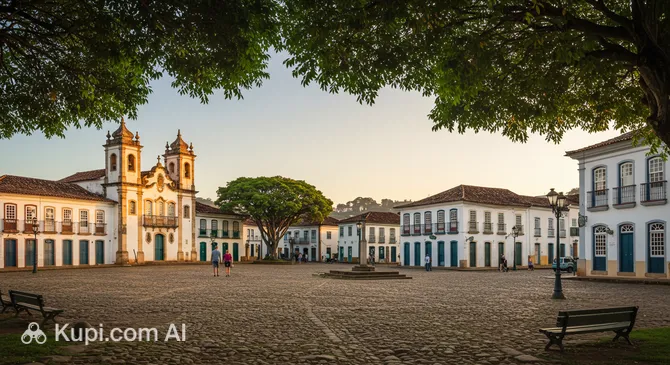
Imagine a place where time seems to have stood still in the era of great discoveries and the gold rush. The historic center of Sabará is a magnificently preserved monument of the colonial past, located in the state of Minas Gerais, right next to the modern city of Belo Horizonte. Here, amidst cobblestone streets and ancient facades, the history of one of Brazil's wealthiest provinces comes to life.
Sabará Historic Center. Illustration.
Source: Kupi.com AI
Traveler photos:
The city is rightfully considered a gem of Brazilian Baroque. Its architectural appearance took shape in the 18th century, when gold mining allowed for the construction of temples of incredible beauty. Sabará is among the region's official historic cities, attracting travelers with its authenticity and intimate atmosphere that contrasts with the bustle of major metropolises.
One of the center's main prides is the Church of Our Lady of Mount Carmel. This building is often called the “little princess of baroque” for its graceful lines and rich interior decoration. A walk through these places is not just a viewing of buildings, but a true immersion into the cultural layer that shaped the unique character of this region.
Contacts
To plan your visit to the historic center, it is recommended to check the location of key sites on a map in advance. Since this is an open urban area, there may not be a single inquiry phone number, so it is best to contact the tourist information centers in Belo Horizonte for up-to-date information.
Below are the main contact details for navigation:
The main pleasure here is walking along the winding cobblestone streets. Looking at the colonial houses with their characteristic windows and balconies, you can literally transport yourself centuries back. Be sure to visit the ancient temples: Sabará's architectural heritage includes outstanding examples of Baroque and Rococo, where every altar is a work of art.
Special attention should be paid to the Church of Our Lady of Mount Carmel, where you can spend hours examining the intricate details. The religious structures here are not just places of worship, but open-air galleries reflecting the skill of the artists and carvers of that era.
In addition to architecture, Sabará is famous for its craft traditions. In local shops, you can find unique handmade items and try traditional dishes from the state of Minas Gerais. The city is often visited in conjunction with other historic centers, such as Congonhas, allowing for a complete picture of the region's colonial heritage.
Getting There
Getting to this unique place from Belo Horizonte is quite simple, as the distance is only about 25 kilometers. The fastest and most comfortable option is to take a taxi or a rental car; the journey takes about 30–40 minutes if there is no traffic.
If you prefer public transport, suburban buses regularly depart from the state capital's central bus station. This is a budget-friendly way to feel the local color even before arriving at your destination.
Many travelers choose organized tours that start from Belo Horizonte. These are convenient because the program often includes visits to several iconic sites in the region at once, providing tourists with transportation and the accompaniment of a professional guide.
Nearest city: Belo Horizonte
History & Facts
The history of this place is inextricably linked to the gold rush that swept through the Minas Gerais region at the end of the 17th century. The settlement was founded by prospectors and quickly turned into one of the wealthiest and most significant gold mining centers in colonial Brazil.
In the 18th century, the period of prosperity reached its peak, allowing for the construction of luxurious Baroque churches and exquisite mansions intended to demonstrate the city's wealth and status. Many of these buildings have survived to this day, creating a unique architectural ensemble.
When the gold reserves were exhausted, economic activity in the region declined significantly. Ironically, it was this decline that helped preserve the city's appearance: local authorities simply lacked the funds for large-scale reconstruction, which is why the old streets have remained virtually untouched. Today, the historic center is recognized as an important cultural heritage site and a living monument of the imperial era.
Time Needed
When planning your visit, you should consider the format of your trip. For a thoughtful self-guided introduction to the colonial architecture, visiting all available churches, and relaxing in local cafes, it is best to set aside half a day to a full day. This will allow you to slowly wander through the cobblestone streets and feel the atmosphere of the past.
If your time is very limited or you are visiting the city as part of a busy group tour from Belo Horizonte covering several locations at once, very little time may be allocated for seeing the main attractions—sometimes about 20 minutes for a quick look at the key facades.
Nevertheless, to truly appreciate the craftsmanship of the woodcarvers and the details of the Baroque interiors, we recommend not rushing and spending at least a few hours here.
Working Hours
The urban space of the historic center itself is open to visitors 24/7, and evening walks by lamplight can be very atmospheric. However, if you plan to go inside museums or the famous churches, you should aim for the daytime. Most sites are open to tourists from 9:00 AM to 5:00 PM.
Keep in mind that some churches may have breaks in the middle of the day, and operating schedules may change depending on religious services or holiday events. It is recommended to check the current schedule on official tourism portals before your trip.
Nearby
Exploring the surroundings beyond the main historic quarter will allow you to dive deeper into the atmosphere of the state of Minas Gerais. Nearby, you can find both natural relaxation areas and modern entertainment parks, which will be a great addition to your cultural program.