Support

Capao da Canoa

About

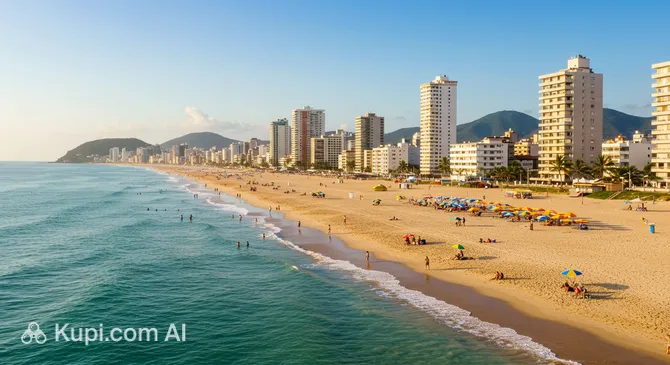
Capão da Canoa is a charming resort town and a true gem of the southern coast of Brazil. It is comfortably nestled on the shores of the Atlantic Ocean in the state of Rio Grande do Sul, attracting travelers with its magnificent beaches and relaxing atmosphere. The city is located approximately 130 kilometers from Porto Alegre, the state capital, making it easily accessible for tourists.

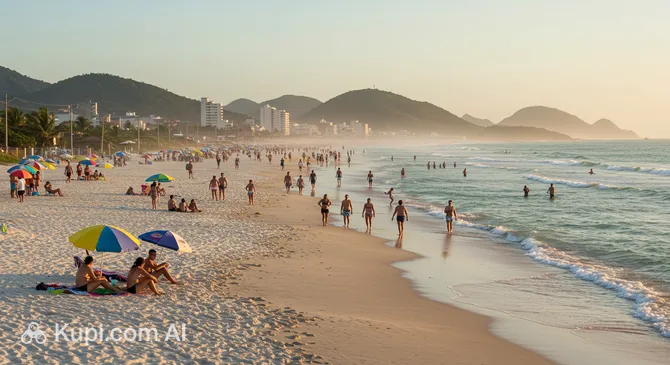
With a population of about 42,000 people, Capão da Canoa combines the charm of a small coastal town with the infrastructure of a popular resort. A special atmosphere reigns here, filled with the sound of the surf, fresh sea air, and the hospitality of the locals. The city is famous for its wide beaches with golden sand that stretch for many kilometers and are considered some of the best in the region.
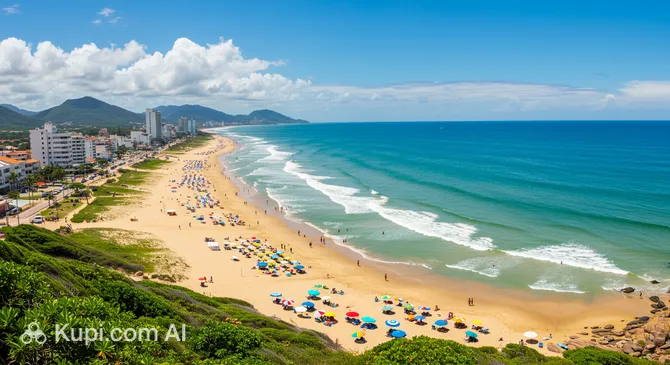
Capão da Canoa. Illustration.
Source: Kupi.com AI

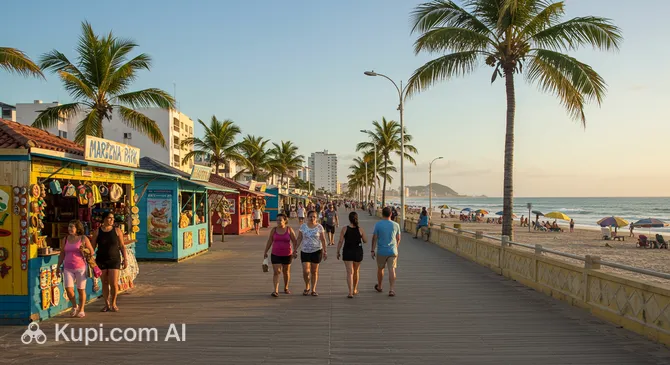
Key features that make Capão da Canoa attractive are its extensive beaches, perfect for both relaxing and sunbathing as well as various water sports. The long promenade is a wonderful place for evening walks and admiring sunsets. Furthermore, here you can get acquainted with authentic local cuisine and the unique culture of the southern Gauchos, which adds a special flavor to your trip.

Capão da Canoa is an excellent destination for those seeking an authentic Brazilian beach holiday without the hustle and bustle of big cities. It is ideal for family trips, romantic weekends, or active leisure. Discover this sunny corner where everyone will find something to their liking!

You can find more interesting facts on the history of Capão da Canoa page.
Weather Overview

The climate in Capão da Canoa features warm summers and mild winters. The hottest months are January and February, when the average air temperature is about 23.2°C - 23.7°C, and the maximum can reach 26.5°C. The coolest month is considered to be July, with an average temperature of 15.0°C and minimum values around 11.7°C. Precipitation falls throughout the year, usually ranging from 3 mm (August) to 7 mm (May, September) per month, while the number of rainy days varies from 9 in August to 19 in January.

Overall, expect a warm summer with frequent but not heavy rain, and mild winters with a moderate amount of precipitation. To better plan your trip, check out more detailed information about the climate of Capão da Canoa.

Average monthly temperature

Average monthly precipitation

Interesting Facts

Beyond its sunny beaches and lively promenade, Capão da Canoa holds many curious stories and features that not all tourists know about. Ready to see the city from a new perspective?

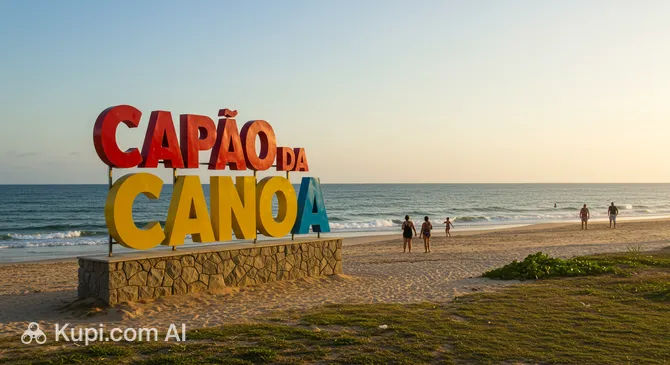
Capão da Canoa Sign. Illustration.
Source: Kupi.com AI

Traveler photos:

  • International Resort: Capão da Canoa is not just a popular holiday destination for Brazilians. During the peak summer season, the city transforms into a bustling international hub, where families from Argentina and Uruguay gather, filling the streets with multilingual speech and creating a unique atmosphere.

  • A Telling Name: The origin of the city's name is quite poetic. "Capão" in Portuguese means "woodland" or "small grove," and "canoa" means "canoe." This combination of words reflects Capão da Canoa's historical roots as a fishing village closely tied to the vast waters and coastal vegetation.

  • Water Sports Capital: Local beaches, including the famous Atlântida Beach, are a true mecca for active lifestyle enthusiasts. Surfing, kiteboarding, and beach volleyball competitions are regularly held here, along with annual festivals that attract athletes and spectators from across the country.

  • Festival Traditions: Capão da Canoa is known for its vibrant festivals and holidays. Celebrations in honor of the patrons of sailors and fishermen hold a special place among them. These events are usually accompanied by colorful processions, open-air concerts, and gastronomic fairs where you can experience the local cuisine and culture.

How to Get There

When planning a trip to the sunny beaches of southern Brazil, it's important to think about your route in advance. Although the resort city itself doesn't have a major air hub, the region's developed transport network makes it easy to get here from neighboring metropolises. You can explore all the ways to get to the city to choose the most convenient option for you.

The main gateway for tourists is Salgado Filho Airport (POA), located in the state capital, Porto Alegre. This is a major international airport that handles many flights. Since it is approximately 115 km from Capão da Canoa, the subsequent journey by taxi or bus will take roughly 3 hours. This is the most popular and convenient route for most travelers.

An alternative option could be Hercílio Luz International Airport (FLN) in Florianópolis. However, keep in mind that it is located significantly further away—at a distance of about 273 km—and the journey to the resort will take over 7 hours. There is also the Hugo Cantergiani Regional Airport (CXJ) in the city of Caxias do Sul (about 129 km away), from where the transfer will take approximately 3.5 hours.

For clarity, here is a summary of information on the main airports:

AirportPassenger trafficDistance
Salgado Filho International Airport7.5 mln115 km
Hugo Cantergiani Regional Airport449 388129 km
Humberto Bortoluzzi135 200152 km
Correia Pinto Regional Airport25 000238 km
Hercilio Luz International Airport4.5 mln273 km

It is worth noting that rail travel in this region is not used for mass passenger transport, so trains are not a viable way to reach Capão da Canoa. The main flow of tourists arrives by road: comfortable intercity buses run regularly from the bus stations of nearby large cities, and renting a car will allow you to enjoy the scenic views on the way to the coast.

Main Attractions

Capão da Canoa, located on the coast of the state of Rio Grande do Sul, offers its guests a variety of opportunities for relaxation and entertainment. The city is famous for its beaches and cozy atmosphere, attracting tourists who want to enjoy the sun and the ocean.

One of the city's main jewels is Atlântida Beach. This is a popular spot for swimming, sunbathing, and water sports. The wide sandy strip and developed infrastructure make it ideal for family holidays and active pastimes.

Atlantida Beach. Illustration.
Source: Kupi.com AI

Traveler photos:

For those looking for entertainment and green spaces, Marina Park is an excellent choice. This park offers rides, playgrounds, and walking areas, making it attractive for both children and adults. You can spend a pleasant time here enjoying nature and fresh air.

Marina Park. Illustration.
Source: Kupi.com AI

Traveler photos:

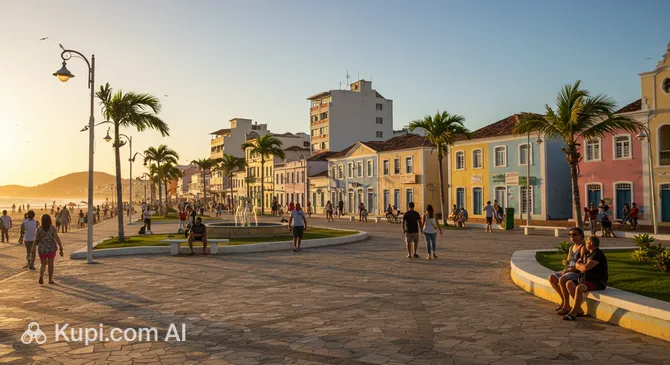
An equally interesting place is Lighthouse Square. This is an iconic spot in the city where various events are often held, and both locals and tourists gather. The lighthouse itself is an interesting architectural object and serves as an excellent landmark.

Lighthouse Square. Illustration.
Source: Kupi.com AI

Traveler photos:

It is definitely worth taking a photo at the famous Capão da Canoa Sign. This bright and colorful sign has become one of the city's symbols and a popular spot for commemorative photos, reminding visitors of their wonderful holiday in this Brazilian resort town.

Capão da Canoa Sign. Illustration.
Source: Kupi.com AI

Traveler photos:

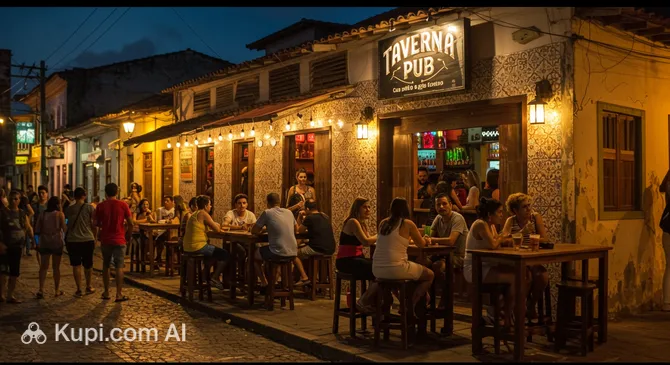
In addition to these attractions, Capão da Canoa has other interesting places, such as the Linemar Shopping Center for shopping enthusiasts or lively bars like the Taverna Pub, where you can immerse yourself in the local atmosphere.

Local Cuisine

The gastronomy of Capão da Canoa is a vibrant blend of Gaucho traditions and the ocean's bounty. Here, authentic flavors of southern Brazil await you, where meat dishes sit alongside the freshest seafood delicacies, creating a unique culinary experience.

Be sure to try the famous churrasco—Brazilian barbecue, where succulent pieces of meat seasoned with spices are cooked over an open fire and served with corn porridge and fresh vegetables. Equally worthy of attention are dishes made from freshly caught fish and seafood. Fried squid, grilled shrimp, oysters, and the traditional fish stew moqueca are the pride of local chefs, who often prepare them according to old family recipes.

For a quick and tasty snack, look to the street food. Particularly popular is the pastel—crispy fried pies with various fillings, from meat and cheese to sweet options. It’s an ideal way to refuel during a stroll through the city. Some establishments, such as Pimenta Pastéis, specialize in this dish, offering it in various versions.

Pimenta Pastéis. Illustration.
Source: Kupi.com AI

Traveler photos:

For beverages, refresh yourself with a bowl of açaí—a thick berry smoothie or dessert that perfectly quenches thirst on a hot day. Of course, don't miss out on the classic caipirinha—the national Brazilian cocktail based on cachaça, lime, and sugar. Freshly squeezed juices from exotic fruits are also offered everywhere.

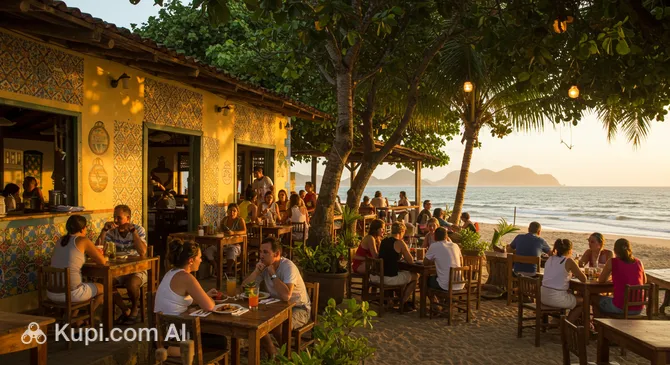
Locals and tourists prefer dining in the numerous restaurants that serve both traditional and international cuisine. Many establishments have open terraces, making them pleasant places to spend an evening. In addition to restaurants, small snack bars and bars are popular. Capão da Canoa also periodically hosts gastronomic festivals where you can not only taste local specialties but also learn about the region's culture through food.

The gastronomic scene of Capão da Canoa attracts tourists with its diversity, fresh ingredients, and authenticity. The combination of hearty churrasco, delicate seafood, and vibrant street snacks like pastel will not leave any gourmet indifferent. This is a wonderful opportunity to immerse yourself in the culinary traditions of southern Brazil and discover new flavors.

Travel Tips

Planning a trip to sunny Capão da Canoa? Wonderful! To make your journey to this charming Brazilian resort as comfortable and pleasant as possible, we've prepared some practical tips.

  1. Clothing and essentials: {entity_name} is a popular beach resort, so your wardrobe should be appropriate. It’s hot in the summer (December-March), so bring light cotton clothing, shorts, t-shirts, sundresses, and of course, several swimsuits. A hat, sunglasses, and high-SPF sunscreen are essential. For evening walks or a trip in the off-season (April-May, September-November), a light sweater or windbreaker will come in handy. In winter (June-August), the weather is mild, but jeans, a sweater, and a light jacket won't go amiss. Comfortable shoes are your best friend for walking along the famous "calçadão" (promenade) and the surrounding areas. In Brazil, Type N sockets are used, and the voltage in the state of Rio Grande do Sul is usually 220V, so bring a universal adapter.

  2. Transport in the city: Moving around {entity_name} is quite easy. The main form of public transport is city buses, which connect key points of the city. Taxis are always available, and app-based ride-hailing services (such as Uber or similar) are also popular. If you plan to actively explore the coast and neighboring towns, renting a car might be a good idea, but it’s not always critical for staying within {entity_name} itself, especially if your accommodation is close to the beach.

  3. Finances: currency, cards, and tipping: The national currency is the Brazilian Real (BRL). You can exchange dollars or euros for reais at banks or exchange offices ("casas de câmbio"), but the rate at the airport is usually less favorable. Credit and debit cards (especially Visa and Mastercard) are accepted almost everywhere in {entity_name}: in hotels, restaurants, and shops. ATMs (caixas eletrônicos) are also easy to find. Nevertheless, it's always useful to have a small amount of cash for minor expenses or at markets. In restaurants, a 10% tip (gorjeta) is often already included in the bill as "serviço." If not, leaving such an amount is a sign of good manners.

  4. Health and safety: Pharmacies ("farmácias") are common in {entity_name}, with some operating 24 hours ("plantão"). Be sure to take out international medical insurance before your trip—this will save you from unnecessary trouble if needed. {entity_name} is considered a fairly quiet resort, especially during the day and in busy tourist areas. However, as with everywhere, observe basic precautions: do not leave valuables unattended on the beach, do not carry large amounts of money or expensive jewelry unnecessarily, and be vigilant after dark in secluded places.

  5. Communication and internet: The official language in Brazil is Portuguese. In {entity_name}, especially in hotels, major restaurants, and shops, staff may speak a little English, but don't count on it too much. Learn a few simple phrases in Portuguese: "Olá" (Hello), "Obrigado/Obrigada" (Thank you – spoken by men/women), "Por favor" (Please), "Quanto custa?" (How much does it cost?), "Não falo português" (I don't speak Portuguese). Locals will really appreciate your efforts! You can buy a local SIM card for mobile internet at the salons of network operators. Free Wi-Fi is usually available in hotels, cafes, and many public places.

  6. Local etiquette and social interaction: Residents of {entity_name}, like Brazilians in general, are known for their hospitality and friendliness. The standard greeting is a handshake, often accompanied by a smile and direct eye contact. Informal communication is quite common. If you don't know something or need help, don't hesitate to ask—people will most likely be happy to help you. In public places, try to be respectful to others, especially the elderly.

  7. What to avoid: The main rule on the beach is do not leave your things unattended, especially phones, wallets, and cameras, even if you step away "for a minute" to swim. It is also not recommended to drink tap water—it's better to buy bottled water. Avoid exchanging currency with unauthorized individuals on the street to avoid being a victim of fraud.

  8. Special tip for {entity_name}: The heart of {entity_name} is its famous "calçadão" (beachfront promenade). Be sure to set aside time for leisurely walks or bike rides along it. Here you can try the traditional drink of southern Brazilchimarrão, which locals often drink while sitting on benches, or refresh yourself with coconut water ("água de coco"). In the evening, the promenade turns into a hub of social life with numerous cafes and entertainment.

We hope these tips help you better prepare for your trip and get the most out of your stay in Capão da Canoa. We wish you an unforgettable holiday on the Atlantic coast!

Entertainment & Nightlife

Capão da Canoa, a popular resort city in Brazil, comes alive after dark, offering tourists and locals a variety of options for evening and night-time relaxation. Life is especially bustling during the summer season when many holidaymakers flock to the coast. The atmosphere here is predominantly relaxed and friendly, typical of Brazilian beach towns.

The main concentration of nightlife in Capão da Canoa can be found along the promenade, Avenida Beira-Mar, and its adjacent streets. Here you will find many bars with open terraces, small clubs, and restaurants where you can not only enjoy a delicious dinner but also listen to live music. Many establishments offer outdoor seating, allowing guests to enjoy the sea breeze and the lively atmosphere.

Several venues stand out among the popular places for evening entertainment. For example, Taverna Pub often becomes a focal point for those seeking a cozy atmosphere and a good selection of drinks. Another well-known spot is the Sicatela bar, where you can spend time with friends to the sounds of popular music. If you prefer a quieter evening with dinner, the Le Petit restaurant can offer a pleasant atmosphere and tasty dishes.

Taverna Pub. Illustration.
Source: Kupi.com AI

Traveler photos:

Nightlife in Capão da Canoa usually begins after sunset, with peak activity occurring late in the evening, especially on weekends and holidays. The dress code in most places is quite casual—everyday or beach clothing is perfectly appropriate. The crowd here is mixed, from young people to families, all enjoying the laid-back setting. Prices in bars and restaurants vary but generally remain affordable, especially compared to large metropolises.

For getting around at night, it is recommended to use taxis or popular ride-hailing services. Although Capão da Canoa is considered a relatively safe resort, you should always take standard precautions: avoid poorly lit and deserted streets, and keep an eye on your belongings. It is best to order a taxi through well-known services or apps.

During the day, Capão da Canoa also offers plenty of entertainment. Of course, the main highlights are the magnificent beaches, such as the famous Atlântida Beach or Navegantes Beach. You can take a stroll through Marina Park, visit Lighthouse Square, or take a souvenir photo at the Capão da Canoa Sign. Shopping lovers can stop by the Linemar Shopping Center. Thus, the city offers a fulfilling holiday both day and night.

Parks & Museums

Capão da Canoa, known for its magnificent beaches, offers visitors the chance not only to enjoy nature but also to get acquainted with the local flavor through its iconic spots and public spaces. Although the city may not boast a large number of traditional museums, its culture and history are vividly reflected in its coastal atmosphere and landmarks.

Among the green zones and outdoor relaxation spots, Marina Park stands out. It is a popular place for walks, family holidays, and various events, where you can enjoy the well-maintained grounds and pleasant atmosphere. Another iconic location is Lighthouse Square, which serves not only as a landmark thanks to its famous lighthouse but also as a hub of social life, offering beautiful views, especially at sunset.

Marina Park. Illustration.
Source: Kupi.com AI

Traveler photos:

Naturally, the main natural attractions of Capão da Canoa are its beaches. Atlântida Beach is one of the most famous, attracting visitors with its wide sandy strip, developed infrastructure, and excellent conditions for swimming and sunbathing. It is an ideal spot for those seeking an active beach holiday.

Atlantida Beach. Illustration.
Source: Kupi.com AI

Traveler photos:

Regarding cultural heritage, it's worth noting that in Capão da Canoa, it is felt more in daily life and iconic objects than within museum walls. A bright example of a modern city symbol is the Capão da Canoa Sign. This installation has become a favorite spot for photos and embodies the pride of local residents for their city. The lighthouse itself at Lighthouse Square is also an important architectural and historical symbol, an integral part of the city landscape.

Capão da Canoa Sign. Illustration.
Source: Kupi.com AI

Traveler photos:

For those seeking a more authentic experience, it is recommended to walk along less crowded beaches, such as Navegantes Beach. Here you can fully enjoy the tranquility of the ocean and the beauty of nature. Additionally, don't miss the chance to visit local cafes and restaurants to try fresh seafood and regional dishes—this is also an essential part of getting to know the culture of Capão da Canoa.

Navegantes Beach. Illustration.
Source: Kupi.com AI

Traveler photos:

Getting Around

Getting around Capão da Canoa is quite convenient, and although the city cannot boast an extensive network of subways or trams, its transport system handles the needs of residents and tourists well. The backbone of public transport here is buses, though other methods of movement are also available.

Buses are the primary way to travel around the city and its surroundings. The route network covers most areas, connecting the center with beach zones and more distant neighborhoods. Buses run on a schedule that can be checked at stops or by asking locals. During the tourist season, the frequency of service may increase. Occasionally, on some routes, "lotação" type microbuses (fixed-route taxis) may operate, offering a faster alternative to regular buses.

The fare payment system in Capão da Canoa is generally simple. Bus tickets can most often be purchased directly from the driver or conductor upon boarding. In some cases, refillable transport cards for multiple trips may be available, which can be advantageous for long stays. The fare is usually low, but it's better to check current rates on-site as they may change.

Tourists are recommended to carry small change for bus fares. Buses typically start running early in the morning and end late in the evening, however, their numbers may be limited at night or service may stop altogether. Ticket validation happens upon entry. For route planning, you can use online maps or ask for advice from hotel staff and locals, who are always ready to help.

In addition to buses, taxi services are always available in Capão da Canoa. They can be found at special ranks in busy areas or called by phone. Ride-hailing apps may also be available in the region, offering a convenient service and often competitive prices. This is a good option for traveling late at night, with heavy luggage, or if you value comfort.

Given that Capão da Canoa is a resort town with a beautiful promenade and relatively compact size, bicycle rentals are an excellent alternative for short trips and strolls. Bike rental points can be found in tourist areas, especially along the beach. This is not only an economical but also a pleasant way to get to know the city and enjoy its atmosphere, especially in good weather.

There are no unique types of transport, such as historical trams, funiculars, or a metro, in Capão da Canoa. The city's transport system is focused on practicality and accessibility for the daily needs of residents and guests.

Accommodation

In the city of Capão da Canoa, tourists will find a variety of accommodation options to suit different preferences and budgets. The range of offerings includes budget-friendly options such as guest houses (pousadas) and hostels, as well as mid-range hotels, apartments, and rental homes, which are particularly convenient for families or large groups.

The most popular areas for tourists are those located in close proximity to the ocean and main beaches, such as Atlântida Beach or Navegantes Beach. Staying here provides easy access to the sea and entertainment. Options in the central part of the city are also in demand, where shops, restaurants, and cafes are concentrated, for instance, near the Linemar Shopping Center.

Shopping 2000. Illustration.
Source: Kupi.com AI

Traveler photos:

While this overview does not feature specific well-known hotels, the city offers many choices, from small cozy pousadas to modern apart-hotels. The choice of a specific place will depend on your preferences regarding comfort level and location.

When planning a trip to Capão da Canoa, especially during the peak tourist season (usually the summer months), it is recommended to book accommodation in advance. This will allow you to choose the best value-for-money option and avoid availability issues. Bookings can be made through popular online platforms or directly on the websites of hotels and guest houses. The price range varies from budget deals to more expensive options offering increased comfort and additional services.

Nearby Cities

For those who want to explore the surroundings, Capão da Canoa serves as an excellent starting point for day trips to several interesting nearby places:

CityPopulationDistance
Terra de Areia9 87820 km
Tramandai41 58527 km
Osorio40 90628 km
Tres Cachoeiras10 21735 km
Cidreira12 66851 km

Among the closest cities, Tramandaí, located just 27 km away, attracts tourists as another lively beach resort, perfect for a short trip to enjoy the seascapes. If you want to experience the region's culture and nature away from the coast, consider a trip to Taquara (74 km), where you can discover local traditions or scenic landscapes. For those seeking a more urban experience, Gravataí (97 km), being a larger settlement, can offer a variety of shops, restaurants, and cultural events.

These nearby destinations provide an insight into the diverse culture and landscapes of the region.

Shopping & Souvenirs

Capão da Canoa offers its guests various shopping opportunities that will complement your beach holiday. Although the city is not a major center for international trade, you will find many shops here selling beach gear, clothing, souvenirs, and local goods. The main focus is on products for holidaymakers and unique items reflecting the region's culture.

Primary retail outlets are concentrated along the promenade and on the main streets adjacent to the beach area. Here you can find small boutiques, beach fashion stores, sporting goods, and souvenir shops. Strolling along these streets is a pleasure in itself, allowing you to combine shopping with enjoying the resort atmosphere.

For those who prefer a more organized shopping experience under one roof, Capão da Canoa has several shopping centers. Among them, the Linemar Shopping Center stands out, featuring a selection of clothing and accessory stores, as well as cafes and entertainment zones. Another popular shopping destination is Shopping 2000, which offers a variety of goods and services.

Lynemar Shopping Center. Illustration.
Source: Kupi.com AI

Traveler photos:

While Capão da Canoa may not have large traditional markets like in big cities, handicraft fairs (feiras de artesanato) are often organized here, especially during the tourist season. At these fairs, you can purchase unique handmade items, souvenirs from local artisans, and taste regional delicacies. Keep an eye on local event announcements so you don't miss these occasions.

As souvenirs from Capão da Canoa and Brazil in general, tourists often choose beachwear (such as the famous Brazilian bikinis and canga wraps), hammocks, leather goods, colorful ceramics, wooden crafts, and jewelry made from natural stones and materials. Local sweets, coffee, and of course, cachaça are also popular.

Most shops in Capão da Canoa are usually open from 9:00-10:00 AM until 6:00-8:00 PM. During the peak season, working hours may be extended. Shopping centers generally stay open longer, often until 10:00 PM. Payments are accepted in Brazilian Reais (BRL), and bank card payments with Visa and MasterCard are widely common. It is recommended to carry some cash for small purchases or at markets.

Foreign tourists may be eligible for a VAT refund (Tax Free) on certain goods purchased in Brazil. This usually applies to items taken out of the country in personal luggage. The conditions and procedure for processing the tax refund should be checked directly at shops providing this service (look for the "Tax Free Shopping" logo). Don't forget to keep your receipts and necessary documents to present at customs upon departure.

Reached the end of the page?

That means the route is fully explored