Support

Guajara-Mirim

About

Guajará-Mirim is a picturesque city located in the far west of the state of Rondônia, along the banks of the majestic Madeira River. It is often called the "gateway" to the Amazon due to its unique location surrounded by dense forests and waterways. Situated literally on the border with Bolivia, this city has absorbed the flavor of two cultures, offering travelers a chance to see the real, non-touristy Brazil.
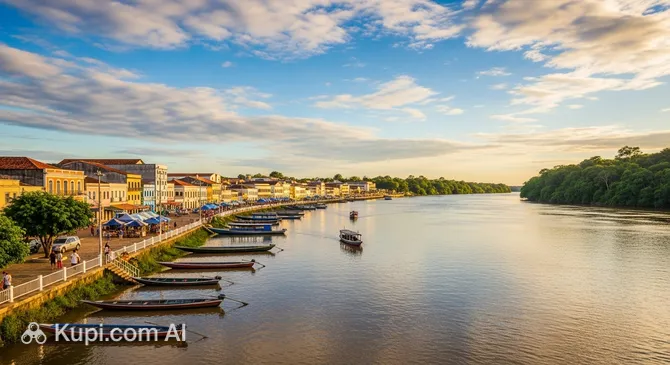
Guajará-Mirim. Illustration.
Source: Kupi.com AI

With a population of about 47,000 people, Guajará-Mirim maintains a cozy atmosphere, free from the noise and bustle of large metropolises. A measured rhythm of life prevails here, conducive to relaxing and interacting with the friendly locals. The fascinating history of Guajará-Mirim as an important regional trade and administrative center gives it special cultural significance and appeal for explorers.

The city is a real magnet for ecotourism lovers and adventure seekers. The main attractions here are created by nature itself: endless jungles and exotic flora and fauna begin literally just outside the city limits. Traveling along the Madeira River and walking along protected trails will provide unforgettable impressions for those who dream of discovering the little-known and wild corners of South America.

Guajará-Mirim is an ideal starting point for romantics and seekers of new experiences. If you want to immerse yourself in an atmosphere of frontier exoticism and feel the spirit of the real Amazon away from standard tourist routes, this city is definitely worth including in your travel plan.

Weather Overview

The climate in this region is typical of the tropical rainforest zone: it is warm all year round, and the seasons differ mainly in the amount of rainfall. When planning your trip, be sure to check the current weather in Guajará-Mirim, as conditions can significantly affect opportunities for excursions and jungle walks.

The temperature regime here is quite stable and comfortable for those who love warmth. The average air temperature ranges from +25.5°C in June to +29.2°C in September. The hottest days usually occur in early autumn, when the air can warm up to +34.6°C. Nights bring relative coolness, especially in the winter months (July–August), when the minimum temperature drops to +20.5°C.

Expect hot weather throughout the year with a clear division into dry and wet seasons. From December to March, the city is covered by heavy tropical downpours (up to 28 rainy days in March), while the period from June to August is ideal for those who prefer dry weather: for example, in July, there is an average of only one rainy day.

Average monthly temperature

Average monthly precipitation

Interesting Facts

In addition to its main attractions, Guajará-Mirim holds many fascinating secrets and stories that make it a truly special place for the thoughtful traveler.

  • A descriptive name. The city's name has deep roots and comes from the Tupi indigenous language. It translates as "little river of stones," which poetically and accurately reflects the natural features of the local landscape and the rocky bed of the waterway.

  • The legendary railroad. The city is inextricably linked with the history of the Madeira-Mamoré Railroad, built in the early 20th century. This project was considered a true engineering marvel of its time, realized under the harsh conditions of the Amazon. Today, the old station and preserved sections of the tracks are shrouded in legends and serve as a popular location for atmospheric photo shoots.

  • A unique cultural fusion. Due to its border location, a unique ethno-cultural environment has formed in Guajará-Mirim. Here, the traditions of Brazil and Bolivia coexist harmoniously, and among the residents, you can find descendants of European settlers as well as representatives of indigenous tribes, which is clearly manifested in colorful local festivals.

How to Get There

When planning a trip to this remote and colorful corner of the Amazon, it is important to think through the logistics in advance, as the city is located far from major tourist highways. You can find out more about how to get to Guajará-Mirim by studying all available routes, but most often travelers combine a flight with a bus or car trip.

There is no airport in the city of Guajará-Mirim itself that accepts regular long-distance flights. The main transport hub for most tourists is Porto Velho International Airport (IATA: PVH). It is located in Porto Velho, the state capital, approximately 279 km from Guajará-Mirim. This is a major regional airport with a good flow of passengers. A journey from there to your destination by taxi or intercity bus will take about 7–8 hours, allowing you to enjoy views of the Brazilian nature along the way.

An alternative option is suitable for those traveling from Bolivia. You can take a flight to Capitán Av. Germán Quiroga Guardia Airport (IATA: RIB), which is located in the Bolivian city of Riberalta. The distance to Guajará-Mirim is only about 88 km. This is a small airport of local significance. The trip by car will take approximately 2.5 hours, though you should factor in time for the border crossing, as the cities are separated by a river.

For clarity, here is a summary of the main airports:

AirportPassenger trafficDistance
Gen Buech Airport35 00088 km
Porto Velho International Airport655 000279 km

There is no railway service in the sense a tourist might expect. In Guajará-Mirim and its surroundings, there are no active passenger railway stations that can be used for arrival. The famous historical Madeira-Mamoré Railroad is a museum object, not a means of transport. Therefore, you should not count on a train when planning your route; the main methods of travel are motor vehicles and river vessels.

Main Attractions

Guajará-Mirim offers tourists a unique combination of historical heritage and natural beauty. Although the city is small, there are several iconic places that allow for a better understanding of the culture of this remote corner of Brazil.

One of the main architectural landmarks is the Cathedral of Our Lady of the Seringueiro (Catedral Nossa Senhora do Seringueiro). Built in the mid-20th century, this church stands out for its unusual architecture and serves as a tribute to the rubber tappers (seringueiros) whose labor formed the basis of the region's economy. The interior decoration and peaceful atmosphere make it an excellent place to get acquainted with the spiritual life of the city.

It is impossible to imagine a visit here without seeing the Municipal Historical Museum (Museu Histórico Municipal). It is located in the old railway station building of the legendary Madeira-Mamoré line. Here, travelers can see preserved locomotives, old photographs, and everyday objects that tell the story of the heroic and tragic construction of the "Devil's Railroad" in the middle of the jungle.

For lovers of boat trips and shopping, it is worth heading to the waterfront to cross the Mamoré River. In just a few minutes by boat, you can reach the Bolivian city of Guayaramerín. This is a popular route for those who want to do some bargain shopping in the duty-free zone and visit two countries in one day while enjoying views of the majestic river.

Local Cuisine

The gastronomy of Guajará-Mirim is a true celebration of flavor and a bright reflection of the soul of the Amazon. The basis of the local menu is the freshest fish caught in the waters of the Madeira River. Tourists should definitely try tucunaré, grilled over coals, or a rich soup made from the giant pirarucu fish. As a side dish, fried bananas, crumbly manioc flour, and tapioca flatbreads are invariably served here, making lunch not only filling but authentic.

The proximity of the border has introduced its own interesting adjustments to the city's culinary traditions. A Bolivian accent is clearly felt here: you can often find stalls on the streets selling empanadas—golden pastries with meat or cheese fillings. They are usually eaten with various spicy sauces that add piquancy to the dishes. Snack lovers will also enjoy "yuca fries"—crispy fried pieces of cassava.

To cool off in the tropical heat, locals and travelers choose natural juices made from the exotic fruits that abound in this region. Guajará-Mirim is famous for thick and aromatic drinks made from cupuaçu, bacuri, and the famous açaí. These vitamin cocktails can be bought literally on every corner; they are perfectly toning and give an energy boost for long walks.

For a complete immersion in the food culture, visit the local farmers' markets. These are not just stalls, but a real gastronomic adventure where the aromas of spices mix with the smell of freshly ground coffee grown on local plantations. Here, the boldest gourmets can find rare game dishes, such as wild boar, prepared according to ancient recipes carefully preserved by the locals.

Travel Tips

Traveling to Guajará-Mirim is an immersion into the atmosphere of the Brazilian border, where the wild nature of the Amazon meets a distinctive culture. To make your trip as comfortable as possible and without surprises, we have prepared a list of useful recommendations to help you navigate the city with confidence.

  1. Clothing and essentials. Given the hot and humid equatorial climate, give preference to light clothing made from natural fabrics (cotton, linen) in light colors. Be sure to bring comfortable closed-toe shoes for walking, a hat, and sunglasses. Since tropical downpours can start suddenly here, a light raincoat or a compact umbrella will be indispensable. There is no strict dress code for visiting churches, but it is recommended to avoid overly revealing beachwear.

  2. Transport. Guajará-Mirim is a compact city, and the historical center is easy to explore on foot. The most popular and affordable means of transport here are mototaxis (mototáxi)—this is a fast and inexpensive way to get anywhere. Regular taxis are also available; they can be found at stands or called via hotel reception; global apps like Uber may be unstable or unavailable. A car rental is only necessary if you plan on taking long trips around the region.

  3. Finance. The official currency is the Brazilian Real (BRL). Although large shops, hotels, and restaurants accept cards (Visa, Mastercard), cash is vital. You will need it to pay for mototaxis, street market purchases, and boat crossings. ATMs of major banks (such as Banco do Brasil) are located in the city center. Tips in restaurants are usually 10% and are often already included in the bill, but a small extra token of appreciation is always welcome.

  4. Health and Safety. The city is generally peaceful, but as everywhere, you should watch your personal belongings in crowded places and the port area. The main precaution concerns health: be sure to use insect repellent, as there is a risk of tropical diseases in the region. Drink only bottled water. There are pharmacies in the city, but 24-hour ones are hard to find, so pack a basic first-aid kit in advance.

  5. Communication. The primary language is Portuguese. Due to the proximity of the border, many locals understand and speak Spanish (or a mix of languages called "Portuñol"). Few people know English, so download an offline translator or learn basic phrases. It is better to buy a SIM card from local operators (Vivo, Claro, TIM) in large cities along the way (for example, in Porto Velho), but there are also mobile phone shops here. Wi-Fi is available in most hotels and cafes.

  6. Local Etiquette. Residents of Rondônia are open and friendly. Greetings are often accompanied by a handshake or a light hug if you are already acquainted. It is customary to say hello when entering a shop or getting into a taxi ("Bom dia" — good morning, "Boa tarde" — good afternoon). The local rhythm of life is measured, so do not show impatience in queues or while being served.

  7. What to avoid. Do not take photos of local residents, especially indigenous people, or border service employees without their explicit permission—this may be perceived as disrespect or a violation of rules. Also, avoid swimming in the river in unequipped places due to strong currents and the presence of wild animals.

  8. Shopping at the border. If you decide to take a boat to the opposite bank to the Bolivian city of Guayaramerín for shopping (there is a duty-free zone there), remember the customs limits for bringing goods back into Brazil. Be sure to have your identity documents with you, even for a short river crossing.

By following these simple tips, you can avoid everyday inconveniences and focus on the main thing—exploring the unique nature and culture of Guajará-Mirim. We wish you a safe and exciting journey!

Entertainment & Nightlife

Nightlife in Guajará-Mirim differs from that of noisy metropolises: you won't find neon signs of huge nightclubs or raves that last until morning here. Instead, the city offers a cozy, almost homey atmosphere where evening leisure is built around socializing, live music, and delicious food. When darkness falls and the tropical heat subsides, locals and tourists take to the streets to enjoy the cool air, drink ice-cold beer, and listen to popular Brazilian rhythms—sertanejo, pagode, or forró.

In the evenings, the center of attraction is often the establishments in the central part of the city and near the waterfront. It is customary to sit at plastic tables right on the sidewalk, watching the slow flow of life. The dress code in most places is as relaxed as possible: shorts, T-shirts, and flip-flops are perfectly appropriate attire. The main rule is to relax and enjoy the moment.

If you are looking for specific places to spend the evening, look out for a few popular locations. For those seeking authenticity, Bar do Juca is a great choice—a rustic establishment known for its caipirinhas made with local fruits and delicious snacks like bolinho de mandioca (cassava balls). Those who prefer craft drinks should check out Rota do Chopp. This place has a more modern atmosphere, often features live music, and serves excellent draft beer. Tekila's Bar also receives good reviews, famous for its menu of traditional meat dishes like carne-de-sol and its calm setting for dinner with friends.

Regarding safety and logistics, Guajará-Mirim is a small city, but it is better not to walk alone at night on remote or poorly lit streets. The most reliable and common way to get around at this time of day is by mototaxi. They are easy to find and the ride is inexpensive. It is recommended to always have cash (reais) with you, as small bars or street food stalls may not accept cards.

While the city's main focus is on ecotourism, there is also plenty to do during the day if you haven't headed into the jungle. You can stroll through the city parks or visit local squares that serve as green oases of calm. Cultural activities might include visiting the architectural monuments mentioned earlier, but it is the evening gatherings in bars with a view of the Amazon's starry sky that will leave you with the warmest memories of city life in this region.

Parks & Museums

The cultural and natural landscape of Guajará-Mirim is inextricably linked to its geographic location in the heart of the Amazon and its rich historical past. You won't find standard European gardens with fountains here, but there are majestic protected zones, and museums preserve the memory of the "rubber boom" and the heroic construction of the railroad.

The main natural treasure of the region is the Guajará-Mirim State Park (Parque Estadual de Guajará-Mirim). This is a vast protected area created to protect the unique biodiversity of the state of Rondônia. Although access to some zones of the park may be restricted to preserve the ecosystem, organized tours allow tourists to see untouched tropical forests, rare types of orchids, and observe wild animals in their natural habitat. This is the perfect place for those who want to feel the power and majesty of the real jungle.

Another impressive natural attraction is considered to be the "Meeting of the Waters" (Encontro das Águas). This is a phenomenon where two rivers merge: the dark, almost black waters of the Pacaás Novos River and the murky brown waters of the Mamoré River. Due to differences in density and temperature, the currents flow parallel without mixing for several kilometers. It is best to observe this amazing phenomenon from the deck of a boat during a river trip, which in itself replaces a visit to any city park.

Among cultural institutions, the central place is occupied by the Municipal Historical Museum (Museu Histórico Municipal). It is located in the old railway station building, which is an architectural monument from the early 20th century. The museum's exhibition is a real time machine, transporting visitors to the era of the construction of the legendary Madeira-Mamoré Railroad. Old tools, photographs of early settlers, everyday objects, and even fossils found in the region are collected here. Of particular interest are the halls dedicated to the culture of indigenous peoples and the history of rubber extraction.

The area around the museum itself is a kind of open-air museum. Here, locomotives from the beginning of the last century are frozen at a permanent standstill. These black giants, which once conquered the jungle, are now a symbol of the city and a favorite subject for tourist photographs. The architectural ensemble of the station, with its characteristic colonial-style details, serves as a reminder of the region's period of prosperity.

For those seeking authentic experiences, we suggest heading to the Mamoré River waterfront at sunset. This is not just a walking area, but a center of social life where you can feel the real rhythm of the city. Locals come here to enjoy the cool air and the magnificent view of the setting sun, painting the river waters and the silhouettes of the Bolivian shores in golden tones.

Getting Around

The public transport system in Guajará-Mirim differs significantly from what residents of large metropolises are used to. Due to the city's compact size and its location in the Amazonian hinterland, there is no metro, trams, or trolleybuses. The standard city bus network is poorly developed and oriented mainly towards local residents commuting from remote neighborhoods. For a tourist, the schedule may seem inconvenient, and waiting at stops can be exhausting due to the heat.

The most popular, fast, and affordable way to get around the city is by mototaxi (mototáxi). Drivers in bright vests can be found literally on every corner. This is an ideal option for traveling short distances. Passengers are always provided with a helmet. A ride with the wind not only saves time but also allows you to experience the local flavor; however, it is better to agree on the price in advance, before getting on.

Classic car taxis are also available. They can be found at designated stands (pontos de táxi) located at the bus station, in the city center, and near hotels. Global ride-hailing apps (like Uber) may not work here or may have very few active cars, so it is more reliable to ask a hotel or restaurant employee to call a car by phone. Taxis generally use meters, but fixed rates may apply for set routes (for example, to the port).

A unique feature of the transport system in Guajará-Mirim is river transport. Since the city sits on a river that separates two countries, motorboats ("voadeiras") function as shuttles for crossing to the opposite bank. Boat stations are located in the port area. Vessels depart as they fill up, which happens quite quickly. This is the primary way to get to the Bolivian city of Guayaramerín.

As for paying for travel, cash reigns supreme in Guajará-Mirim. Cards and contactless payments are practically not accepted in transport. It is highly recommended to always have small bills of Brazilian reais with you, as mototaxi drivers or boatmen often may not have change for large banknotes. There are no unified transit passes or transport cards in the city.

For exploring the city center on your own, transport may not even be necessary: the main attractions, the waterfront, and museums are all within walking distance of each other. It only makes sense to rent a car if you plan to travel outside the city. Bicycle rentals as an organized service for tourists are practically non-existent here, although local residents actively use bicycles.

Accommodation

Accommodation options in Guajará-Mirim perfectly match the spirit of this small Amazonian city: you won't find luxury chain resorts or huge hotel complexes here. The core of the housing stock consists of cozy mid-range hotels and traditional Brazilian pousadas (guest houses). These places offer travelers basic comfort, cleanliness, and sincere hospitality at very affordable prices, which is perfect for transit tourists and eco-tour enthusiasts.

When choosing a location, the most convenient and safe option is the Central District (Centro). Staying here provides walking distance to key infrastructure: shops, banks, restaurants, and the Historical Museum. In addition, the port is easily accessible from the center, which is especially important for those planning a crossing to Bolivia or river trips. Areas further from the central streets may be less lit in the evening and offer fewer amenities.

When planning your trip, consider the seasonality. Although it is usually not difficult to find a spare room, during local festivals or at the peak of the dry season (July–August), the demand for housing increases sharply. At such times, it is highly recommended to book accommodation in advance to guarantee a comfortable place to stay with working air conditioning, which is critical in a tropical climate.

The price range in the city varies from budget to moderate. The cost of a night generally includes breakfast with local fruits and pastries. Regarding booking methods, larger hotels are listed on international online aggregators. However, many small family-run guesthouses still operate the old-fashioned way or take bookings through messaging apps, so sometimes it makes sense to contact the administration directly. Be prepared for the fact that small hotels may prefer cash payments.

Nearby Cities

For those who want to explore the surrounding area, Guajará-Mirim serves as an excellent starting point for short visits and trips to several interesting nearby places. Given the scale of the Amazon, "neighboring" cities are at a considerable distance, but they offer a unique experience for travelers ready for the road.

Porto Velho is the capital of the state of Rondônia, located on the banks of the Madeira River. It is the main cultural and economic center of the region. It's worth staying here to see the historical monuments associated with the construction of the railroad and the famous "Três Caixas D'Água" water towers, which have become a symbol of the city.

Ariquemes is known as a dynamically developing city with strong agricultural traditions. It attracts lovers of ecotourism and fishing, as it is surrounded by rich natural resources. Additionally, the city is famous for its large-scale fairs and rodeos, which allow you to immerse yourself in the colorful atmosphere of the Brazilian hinterland.

Below is information about the nearest cities that can be reached from Guajará-Mirim:

CityPopulationDistance
Guayaramerin36 0084 km
Riberalta99 07082 km
Abuna1 929120 km
Nazaré29 406191 km
Principe da Beira956207 km

These nearby destinations provide an insight into the region's diverse culture and landscapes, complementing the experience of visiting the Brazilian borderlands.

Shopping & Souvenirs

Shopping

Shopping in Guajará-Mirim is a unique experience that combines looking for bargains with immersion in the local flavor. Thanks to its status as a Free Trade Zone (Área de Livre Comércio), the city attracts travelers with the opportunity to purchase imported goods without several federal taxes. Here you can find electronics, perfumes, cosmetics, alcohol, and household appliances at prices that are often lower than in other regions of Brazil.

The city's commercial life is concentrated mainly along the main street—Avenida 15 de Novembro. Numerous shops and stalls are located in this area and adjacent blocks. Unlike in large metropolises, there are no giant shopping malls here; trade is conducted in small galleries and private shops. This creates a cozy atmosphere where sellers are often ready to advise the buyer and even discuss the price.

For authentic goods and gastronomic impressions, head to the Municipal Market. This is the best place to get acquainted with the riches of the Amazon: fresh fish, exotic fruits (cupuaçu, graviola, açaí), and local spices are sold here. The market is also famous for handicrafts. Tourists often buy woven baskets and handmade wooden souvenirs here.

When choosing gifts, pay attention to items that reflect the culture of the region. Indigenous crafts (for example, from the Wari' people) and original bio-jewelry made from seeds, nuts, and palm fibers are of particular value. Handicrafts made from natural rubber, reminding one of the city's historical past as a center of the "rubber boom," also make for symbolic souvenirs.

When planning your purchases, consider several important nuances:

  • Opening hours. Most shops are open from 8:00 to 18:00 on weekdays, and until noon on Saturday. During the day, many small shops may close for a lunch break (siesta).
  • Payment. Major retail outlets accept cards, but for purchases at the market, in souvenir shops, or when crossing the river, you will definitely need cash in reais.
  • Customs. Since this is a border zone, there are strict quotas on the duty-free export of goods. We recommend checking the current limits with the federal tax service (Receita Federal) in advance to avoid problems when leaving.

Reached the end of the page?

That means the route is fully explored