Support

Paulo Afonso Falls

About

Amidst the rugged landscapes of the country's northeast lies one of the most impressive natural treasures that Brazil hides. Paulo Afonso Falls is not just a single flow of water, but a grand series of seven cascades formed by the mighty São Francisco River. Here, the river roars through the rocky ledges of the Brazilian Highlands, plunging into a deep canyon from heights of up to 81 meters.

Located on the border of the states of Bahia, Alagoas, and Pernambuco, near the city of Paulo Afonso, this site represents a unique symbiosis of wilderness and human ingenuity.
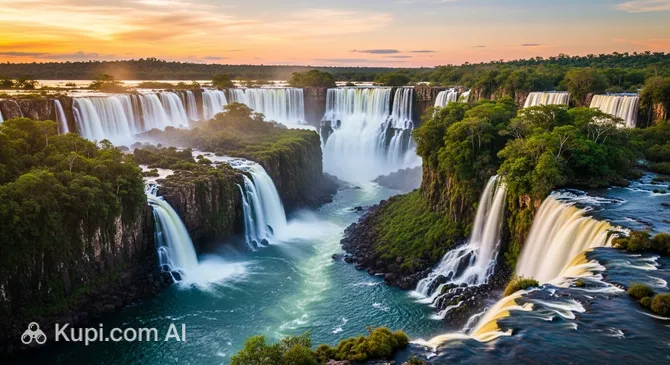
Paulo Afonso Falls
Paulo Afonso Falls. Иллюстрация. Источник: Kupi.com AI
Today, the area of the waterfalls is part of the eponymous national park and is managed by the CHESF hydroelectric complex, making a visit here an educational journey into the worlds of ecology and engineering.

The majestic panoramas of churning currents and the sheer cliffs of the canyon attract thousands of travelers every year. Although part of the river's energy has been diverted for hydroelectric needs, Paulo Afonso Falls has retained its primordial power, remaining a symbol of the untamable force of South American nature.

Contacts

For those planning a visit to this natural landmark, it is helpful to have the exact coordinates at hand. While the waterfalls are located in an open area, the main infrastructure is tied to the city and the energy company's facilities.

It is recommended to check for up-to-date information at the local tourist information center upon arrival in the city.

How to contactContact
AddressПаулу-Афонсу - Баия, Бразилия

What to Do

The main reason to visit this place is the breathtaking views from the observation decks. Tourists can watch as vast masses of water crash into the canyon, creating clouds of mist. A visit to the CHESF complex is highly recommended, where guided tours explain how the energy of falling water is converted into electricity. This is a rare opportunity to see giant turbines and dams in close proximity to natural cascades.

For outdoor enthusiasts, eco-trails have been laid out through the national park. While walking along them, you can encounter local fauna and take unique photos of the Brazilian Highlands landscape. One of the most interesting points is the lock (Eclusa), where you can witness firsthand how ships navigate a height difference of 84 meters through a complex system of canals.

The appearance of the falls changes significantly depending on the season: during periods of heavy rain, they become particularly full and formidable. It is an ideal space for ecotourism and family relaxation, where you can have a picnic against the backdrop of picturesque canyons and enjoy the atmosphere of tranquility and natural grandeur.

Getting There

There are several ways to reach this majestic site. The nearest city, Paulo Afonso, has its own airport that accepts regular flights from major hubs like Salvador and Recife. The trip from the airport to the falls themselves by taxi or rental car takes no more than 15-20 minutes.

For those who prefer ground transportation, there are intercity bus routes. Buses from neighboring states arrive at the city's central station, from where you can reach the entrance to the national park by local minibuses. Travelers in their own or rented cars should use the coordinates -9.392537, -38.196988; the roads in this region of the state of Bahia are well-maintained.

Organized group tours from Salvador or Aracaju are also popular options. These excursions typically include transfers, guide services, and visits to the most scenic observation decks of the São Francisco River canyon.

Ближайший город: Paulo Afonso

History & Facts

The history of this area's development is inextricably linked with the names of great rulers and ambitious industrialists. Back in the 19th century, Emperor Pedro II of Brazil visited the banks of the São Francisco River, leaving glowing reviews in his journals about the power and beauty of the Paulo Afonso Falls. His visit drew public attention to the region's immense potential.

A technological breakthrough occurred in 1913, when the legendary entrepreneur Delmiro Gouveia built the first hydroelectric power plant here. This marked the beginning of transforming the wild energy of falling water into electricity, providing a powerful boost to the development of the entire northeast of the country. Later, in 1948, the CHESF company was founded, becoming a key player in the industrialization of the area.

Interestingly, the modern city grew out of a small settlement called Forquilha. In the mid-20th century, thousands of workers, known as "barrageiros," flocked here to build the cascade of hydroelectric power plants. It was their labor that turned Paulo Afonso into the "Energy Capital," and the city officially gained municipal status on July 28, 1958, while remaining an important tourist center.

Time Needed

To fully appreciate the scale of the natural complex and inspect the engineering structures of the hydroelectric plant, travelers are recommended to set aside 3 to 5 hours. This time will be sufficient for a leisurely walk through the main observation decks and a visit to the open-air museum.

If you plan to hike more remote trails in the national park or stay for a picnic by the river, it is better to plan for a full day. Keep in mind that the changing light throughout the day transforms the appearance of the canyon, making the pre-sunset hours especially attractive for photography enthusiasts.

Working Hours

Access to the waterfall area and observation decks is generally open 24/7, allowing tourists to choose the most convenient time for their visit. However, it should be noted that access to the hydroelectric power plant facilities and organized tours may have their own strict schedules.

Since the visiting rules for CHESF facilities and the national park may change, we strongly recommend checking the official website or confirming information with local tour operators before your trip, especially if you plan to visit the engineering structures.

Круглосуточно

Nearby

The surroundings of the waterfalls offer tourists many interesting locations to learn about the region's history and enjoy panoramic views of the canyon. A stroll through the city and its nearby points of interest will help you better understand how natural wealth blends with Brazil's industrial heritage.

NameDistance
Restaurante Capuxu1.3 km
Belvedere Park1.3 km
Touro e Sucuri Monument1.8 km
Church of Saint Francis of Assisi2 km
Square of Mango Trees2.4 km
Espetinho Online2.6 km
Clube da Vila Militar2.6 km

Reached the end of the page?

That means the route is fully explored