Support

Museu do Pontal

About

Considered the largest and most significant collection of folk art in Brazil, the Pontal Museum (Museu do Pontal) is a unique cultural space located in the picturesque Barra da Tijuca district of Rio de Janeiro. Its collection, recognized by UNESCO as an outstanding anthropological asset, features about 9,000 works created by more than 300 masters from across the country. The museum was founded on the private collection of French designer Jacques Van de Beuque, who spent decades gathering artifacts that reflect the soul and daily life of the Brazilian people.
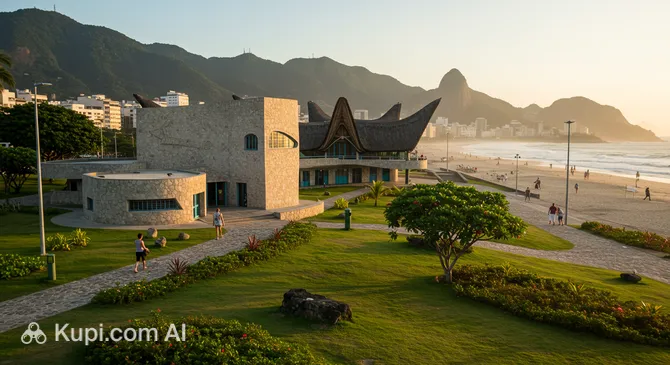
Museum of Pontal
Museum of Pontal. Иллюстрация. Источник: Kupi.com AI

In October 2021, the museum found its new home — a modern 2,600 m² building designed by the firm Arquitetos Associados. The architecture of the complex harmoniously combines wood, concrete, and glass, creating a cozy atmosphere for experiencing art. A standout feature of the new site is the massive green zone covering 10,000 square meters, where visitors can enjoy panoramic views of the mountain range known as the "Sleeping Giant".

This place is not just a gallery, but a living cultural center where stories of migration, religious traditions, and the daily lives of Brazilians are told through sculptures of clay, wood, and other materials. Pontal Museum offers its guests a deep dive into the country's ethnic diversity, highlighting the creativity of "ordinary" people whose works have become world-class masterpieces.

Contacts

For planning your visit to the Pontal Museum, it is helpful to have the current contact information at hand. You can contact the administration directly or check details on the official website before your trip.

How to contactContact
AddressAv. Célia Ribeiro da Silva Mendes, 3300 - Barra da Tijuca, Rio de Janeiro - RJ, 22790-711, Brazil
Phone+55 21 2490-2429
Websitemuseudopontal.org.br

What to Do

The main focus for visitors is concentrated in six exhibition halls showcasing 2,000 sculptures. Here you can see works by legendary masters such as Mestre Vitalino and Mestre Didi. The exhibitions cover a wide range of themes: from the harsh realities of life in the country's Northeast to vibrant elements of Afro-Brazilian culture. Be sure to look closely at the details — the small figures often encode entire narratives about migration, agriculture, and festive carnivals.

Beyond the exhibition halls, guests will find a vast landscaped park designed according to the concept of the famous Roberto Burle Marx. It is the perfect spot for a family picnic or quiet contemplation of nature: the garden offers magnificent views of the mountain ranges stretching from Pedra da Gávea to Sugarloaf Mountain. The building's architecture, with its panoramic windows, ensures you never lose connection with the landscape, even while indoors.

The museum is also known for its active events program. It regularly hosts workshops, cultural events, and educational tours that will interest both children and adults. After exploring the collection, you can stop by the cozy cafe or purchase authentic souvenirs at the museum shop to take a piece of Brazilian warmth home with you.

Getting There

The cultural center is located in the modern Barra da Tijuca district at Av. Célia Ribeiro da Silva Mendes, 3300. The fastest and most comfortable way to get here from the central districts of Rio is to use a taxi or popular mobile apps (Uber, Bolt). The trip usually takes between 40 and 60 minutes, and for those who prefer private transport, free parking is provided on the premises.

If you plan to use public transport, the best option is to take the Metro (Line 4) to the Jardim Oceânico terminus. From there, you can transfer to a bus or take a taxi — the remaining journey will take about 10–15 minutes. Bus routes also run towards Barra da Tijuca (for example, lines B01 or 2335 from the Alvorada terminal), with a stop located within walking distance of the museum.

The area around the museum has a peaceful atmosphere and low building density. Please note that walking from the Barra beach area can be tiring due to the significant distance, so it is recommended to plan your route using transport.

Ближайший город: Rio de Janeiro

History & Facts

The history of this amazing place began with the personal initiative of French designer Jacques Van de Beuque, who arrived in Brazil in 1946. Traveling to different parts of the country on business, he was fascinated by the uniqueness of local creativity and dedicated more than 45 years to collecting items of folk art. The museum officially opened its doors in 1992, originally located in a converted country house in the Recreio dos Bandeirantes district.

The museum's collection is essentially a chronicle of Brazilian life in the second half of the 20th century. It includes works by 300 artists who reflected daily concerns, religious rites, and pressing social issues in their pieces. However, due to active urban development for the 2016 Olympics, the old building began to suffer from regular flooding, which threatened the preservation of the priceless exhibits.

Thanks to a large-scale fundraising campaign and support from the city hall and private patrons, the museum moved to its new modern headquarters in 2021. The building project was developed by the renowned firm Arquitetos Associados, and the landscape design was inspired by the principles of the legendary Burle Marx. This allowed not only for the preservation of the unique collection but also for the creation of a space where art harmoniously coexists with nature.

Time Needed

To thoughtfully explore the main exhibition and enjoy a stroll through the adjacent grounds, an average visitor will need between 2 and 3 hours. About half of this time is spent viewing the six thematic halls, and the rest is for exploring the gardens and relaxing in the local cafe.

If you decide to join a themed guided tour or participate in one of the creative workshops, your visit may last up to 4 hours. Given the museum's distance from the city center, it is better to plan your visit for the first half of the day to leave time for a relaxing break in the green zone overlooking the mountains.

Working Hours

The Pontal Museum maintains a clear operating schedule, which is worth considering when planning your trip. Please note that the museum is closed to visitors during the first half of the week.

  • Monday — Wednesday: Closed.
  • Thursday — Sunday: 10:00 AM to 6:00 PM.

It is recommended to arrive no later than an hour before closing to have time to see at least the main part of the exhibition.

DayWorking hours
ПонедельникЗакрыто
ВторникЗакрыто
СредаЗакрыто
Четверг10:00 – 18:00
Пятница10:00 – 18:00
Суббота10:00 – 18:00
Воскресенье10:00 – 18:00

Nearby

The museum's location in the Barra da Tijuca district allows tourists to combine a cultural program with active recreation or visits to entertainment centers. Exploring the surroundings will help you better understand the modern side of the city's life and make the most of your day.

NameDistance
Big Jump USA3.3 km
Tijuca National Park12.3 km
Tal Pai Aquarium16.7 km
Coco Bambu Amusement Park16.9 km
Júlio Delamare Aquatics Centre19.6 km
Boa Praça Bar20.6 km
Arpoador21 km

Reached the end of the page?

That means the route is fully explored