Support

Church of Bonfim

About

The Basilica of Senhor do Bonfim is one of the most famous and revered churches not only in the city of Salvador but in all of Brazil. It is not just an architectural monument, but a vital center for Catholic pilgrimage and a vivid symbol of the cultural heritage of the Bahia region, where Catholic and African beliefs are intricately intertwined. The temple is the heart of the city's spiritual life and attracts thousands of believers and tourists from all over the world.

The church is majestically situated on the Sacred Hill (Colina Sagrada), offering breathtaking panoramic views of the city and the Bay of All Saints. Its architecture is an elegant blend of Neoclassical style with Rococo elements, making its appearance particularly memorable. The facade, decorated with Portuguese tiles, shines in the sun, inviting visitors to step inside.
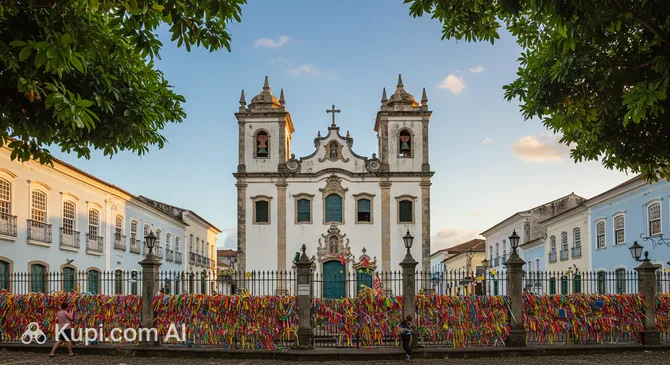
Church of Bonfim. Illustration.
Source: Kupi.com AI

Traveler photos:

This place gained worldwide fame through a unique tradition—the colorful "fitas do Bonfim" ribbons. They are tied to the church fence or around the wrist while making three wishes. It is believed that when the ribbon breaks on its own, the wishes will come true. These bright ribbons have become one of the most recognizable symbols of faith, hope, and Salvador's hospitality.

Inside the basilica is a special place—the "Room of Miracles" (Sala dos Milagres). Here, believers leave wax figures, photographs, and other items as a sign of gratitude for healing and answered prayers. This room makes a powerful impression and clearly demonstrates the depth of faith associated with this holy site.

Contacts

To plan your visit to the Basilica of Senhor do Bonfim and check current opening hours or service schedules, it is recommended to use the official contact details. This will allow you to get the most accurate and up-to-date information before your trip.

How to contactContact
AddressLargo do Bonfim, s/n - Bonfim, Salvador - BA, 40415-475, Brazil
Phone number+55 71 3316-2196
Websitewww.santuariosenhordobonfim.com

What to Do

Visiting the Basilica of Senhor do Bonfim is an opportunity to dive deep into the cultural and spiritual life of Salvador. Inside the temple, visitors can examine the rich interior in detail, decorated with numerous works of art and religious artifacts. Special attention is drawn to the "Room of Miracles," also known as the Room of Vows, which houses thousands of thank-you offerings from pilgrims—from photos to wax models of body parts symbolizing healing. You can attend one of the regular services or simply spend time in silence, enjoying the peaceful atmosphere of this sacred place.

One of the main rituals not to be missed is tying the famous colored ribbon (fita do Bonfim) to the church fence. This tradition has become an integral part of the visit and a popular activity for tourists. By tying the ribbon with three knots, you make three wishes and leave it as a symbol of your hope. It is believed that when the ribbon unties or breaks by itself, the wishes will come true. This simple yet touching rite unites people of different faiths.

Getting to know the culture of the region doesn't end within the temple walls. Busy fairs often take place near the basilica, where you can immerse yourself in the authentic atmosphere of Bahia. Here you can buy traditional souvenirs, including the Bonfim ribbons, try local dishes such as the famous acarajé, and simply watch the locals go about their lives. This is a wonderful opportunity to make your visit even more memorable and take home a piece of vibrant Brazilian culture.

Getting There

The Basilica of Senhor do Bonfim is located on the Sacred Hill (Colina Sagrada) in the so-called Lower City (Cidade Baixa), approximately 7 kilometers from the historic center of Salvador—the Pelourinho district. Thanks to its fame and importance to local residents, reaching the church is quite easy. Travelers can choose the most suitable option for themselves: public transport, a taxi, or joining an organized tour.

For independent travelers looking to save money, city buses running from the city center to the Bonfim district are an excellent choice. A more comfortable and faster alternative is a taxi or ride-hailing services. This method avoids the hassle of finding parking, which can be limited near such a popular attraction. You can also travel from the Upper City to the Lower City using the famous Lacerda Elevator and then continue by local transport.

Many travel agencies include a visit to the basilica in their city sightseeing tours, which is a convenient option for those who prefer to travel with a guide and not worry about logistics. If you are traveling on your own, don't worry about getting lost: the basilica is a well-known landmark, and the way is easy to find using navigation apps or by simply asking locals.

Nearest city: Salvador

History & Facts

The history of the Basilica of Senhor do Bonfim is inextricably linked to sea voyages and the power of faith. Its foundation is the result of a vow made by Portuguese sea captain Teodósio Rodrigues de Faria. Caught in a violent storm, he swore that if he survived, he would bring an image of Jesus Christ—his heavenly patron—to Brazil. In 1745, keeping his word, he delivered the statue of Christ to Salvador, marking the start of the temple's construction on the Sacred Hill. Building began that same year and was completed in 1772. Since then, this place has become a magnet for pilgrims.

The basilica's architectural appearance reflects Portugal's cultural influence on colonial Brazil. The facade is designed in a neoclassical style, while the interiors are decorated in Rococo style. The exterior walls are partially clad in the famous Portuguese azulejo tiles. This combination of Neoclassicism and Baroque was characteristic of Bahian architecture at the time. The interior decor is impressive in its detail, and the painted ceiling, created by artist Franco Velasco, is one of the standout decorative elements. All this makes the basilica not just a religious building, but a true work of art.

The basilica gained its greatest fame through the annual Lavagem do Bonfim (Washing of Bonfim) festival, which is held in January and considered the second most important event in Bahia after the Carnival. The history of this festival began in the 18th century when slaves were ordered to wash the church before the main celebration. Over time, this ritual evolved into a syncretic ceremony blending Catholic traditions and Afro-Brazilian beliefs, specifically the "Waters of Oxalá" ritual. Today, during the festival, hundreds of women dressed in traditional white outfits wash the steps and the square in front of the temple with scented water to the sound of African drums and chants, while thousands of pilgrims and tourists watch the spectacle.

Time Needed

To get to know the Basilica of Senhor do Bonfim, one of the main shrines of Salvador, it is recommended to set aside 1 to 2 hours. This time is sufficient to leisurely examine the impressive facade and interior of the temple, as well as to feel its special, peaceful atmosphere.

During this time, you can visit the famous "Room of Miracles" (Sala dos Milagres), where pilgrims leave votive objects as a sign of gratitude for healing. Additionally, you will have the opportunity to take part in the most famous local tradition—tying a colored ribbon (fita do Bonfim) to the church fence or your wrist while making three wishes. This ritual is an essential part of visiting the basilica.

If you want not only to see the landmark but also to attend a church service or explore the surrounding area in detail, including local souvenir shops, it is worth planning a bit more time. In this case, the visit can last up to half a day, allowing you to dive deeper into the spiritual and cultural life of this iconic place for all of Brazil.

Working Hours

The Basilica of Senhor do Bonfim is open to visitors year-round, but opening hours may vary depending on the day of the week. From Monday to Thursday and on Saturday, the church welcomes guests from 06:30 to 18:00. On Friday and Sunday, days with a more intensive service schedule, the temple doors are open from 05:30 to 18:00. This schedule allows you to plan your visit for either the morning or the afternoon.

For a standard visit and independent exploration of the basilica, entry is generally free, and no advance booking is required. However, if you plan to join a guided tour, it is recommended to book it in advance through travel agencies. In any case, it is worth checking the temple's official website or verifying information on local travel portals before your trip, as opening hours may change due to religious services or festive events.

Nearby

Visiting the Basilica of Senhor do Bonfim is just the starting point for exploring the rich heritage of Salvador. The surroundings of the temple, located on the picturesque Itapagipe Peninsula, offer many interesting spots that will help you gain a deeper understanding of the culture and history of this unique city. A walk through this area will allow you not only to see religious shrines but also to enjoy stunning views of the Bay of All Saints.

Exploring nearby attractions will enrich your experience and make your journey more complete. Within a few minutes' walk or a short drive from the basilica, you will find historic forts, cozy viewpoints, and cultural centers. By setting aside time to explore the surroundings, you can form a complete picture of the multifaceted life of Brazil and its colorful Bahia region.

NameDistance
Sister Dulce Memorial1.2 km
Café e Cana Botequim4.9 km
São Marcelo Fort5.2 km
House of Carnival of Bahia5.4 km
O Cravinho5.5 km
Mercado Modelo5.5 km
Cuco Bistrô5.6 km

Have you reached the end of the page?

So the route has been studied inside and out