Support

São Pedro Clock

About

The São Pedro Clock is an iconic historical landmark located in the colorful Salvador, the heart of the state of Bahia in Brazil. It serves not just as a time indicator, but as a true witness to the rich history of one of the country's oldest cities and its former first capital, known for its magnificent colonial heritage.
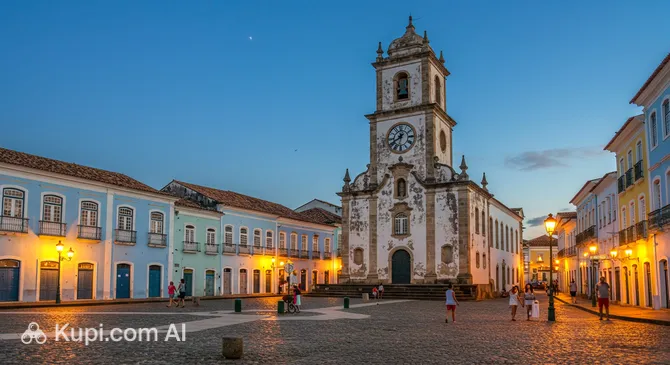
São Pedro Clock. Illustration.
Source: Kupi.com AI

Traveler photos:

These clocks, belonging to the category of historical sites, are of great significance to the cultural and historical heritage of the region. Presumably, they are part of or closely linked to historical objects in the São Pedro district, which may refer to both the historical part of the city and the fort of the same name—one of the key colonial structures of Salvador.

A visit to the São Pedro Clock allows for a deeper dive into the past of Salvador, a city with a rich history marked by Portuguese influence and an active role in trade and religious life. This site helps to better understand the architectural style of that era and feel the atmosphere of colonial times, making it an interesting point for anyone seeking to learn about the history of Brazil.

Contacts

As the São Pedro Clock is a historical site, it may not have specific contact information for visitors. Usually, such landmarks are part of the urban landscape and are available for viewing at any time.

To clarify the exact location or to find out about possible tours that include a visit to this attraction in Salvador, we recommend contacting local tourist information centers or exploring the city's official tourism resources.

How to contactContact
AddressPraça Barão do Rio Branco - Nazaré, Salvador - BA, 40080-001, Brazil

What to Do

Visiting the São Pedro Clock in Salvador is an opportunity to touch history and enjoy the unique atmosphere of this Brazilian city. First and foremost, travelers can examine the clock itself in detail, appreciate its architectural features, and learn more about its historical significance to the city. It is an excellent place to take memorable photos against the backdrop of Salvador's colonial buildings, which convey the spirit of past eras.

A walk around the vicinity of the São Pedro Clock is a fascinating activity in itself. You can explore the old streets that have preserved the charm of Portuguese colonial architecture. The atmosphere of this area is conducive to leisurely strolls and immersion in history. Other interesting sites may be nearby, such as Fort São Pedro, which is also worth a visit.

A visit to the São Pedro Clock can be successfully combined with exploring other iconic places in Salvador. For example, you can head to the famous historic center, Pelourinho, with its narrow cobbled streets and numerous churches. Additionally, in this area, you will have the chance to get to know the rich local cuisine, try traditional Bahia dishes, and experience the vibrant Afro-Brazilian culture that is so characteristic of Salvador.

Getting There

The São Pedro Clock is located in the historic center of Salvador, making it easily accessible for travelers. If you are arriving in the city via the airport, you have several options to reach this famous landmark.

One of the most budget-friendly ways is to use public transport. Buses run regularly from the airport to the historic center, specifically to the Pelourinho district. The fare is approximately 3 reals. You will need to exit the airport building and head to the bus stop, where transport will take you to Pelourinho. The São Pedro Clock is located near Rua Chile and Praça da Sé, so it is an easy walk from the stop.

For those who prefer more comfort or are traveling with bulky luggage, taxis or car rentals are excellent alternatives. These options not only allow you to reach the São Pedro Clock directly with ease but also provide the freedom of movement to explore other interesting corners of Salvador and its surroundings.

It is worth noting that the historic center of Salvador itself, where the São Pedro Clock is situated, is ideal for walking tours. Upon arriving in the Pelourinho district, you can leisurely walk to the attraction, enjoying the unique architecture and the authentic atmosphere of the old city along the way.

Nearest city: Salvador

History & Facts

The São Pedro Clock in Salvador is not just a timekeeper, but a witness to the rich history of the city, which was founded by Portuguese colonists in 1549 and became the first capital of colonial Brazil. This region played a key role in colonial trade, particularly in sugar exports and, unfortunately, a tragic chapter in history—the importation of slaves from Africa. In those times, the city's security was a paramount task, which led to the construction of numerous fortifications.

One such important defensive node was Fort São Pedro, closely associated with the clock of the same name. Built at the end of the 16th century, the fort was an integral part of Salvador's complex defense system, protecting it from frequent pirate raids and the encroachments of foreign powers. The very existence of the fort highlights the strategic importance that Salvador held for the Portuguese crown during the colonial period.

The exact original purpose of the São Pedro Clock is not fully established, but it is assumed that it could have been either a functional part of the São Pedro fortification complex or served as an important city landmark for both residents and the military. Regardless of its precise role, today the São Pedro Clock, like the fort itself, is a valuable monument of the era of European colonization, reflecting an important stage in the development of Salvador and all of Brazil.

Time Needed

When planning a visit to the São Pedro Clock in Salvador, you should allow for 1–2 hours of free time. This period is generally sufficient to carefully inspect the clock itself, which is an important historical landmark of the city, take commemorative photos, and walk around the immediately adjacent area to soak in the atmosphere of the place.

If your acquaintance with Salvador's historical heritage is not limited to the São Pedro Clock alone, and you also plan to visit the nearby Fort São Pedro or other significant sites in the city's historic center, it is recommended to set aside about half a day for such an extended excursion. This will allow you to enjoy all the sights without rushing and to delve deeper into the history of this colorful Brazilian city.

Working Hours

Exact information regarding the operating hours of the São Pedro Clock attraction in the city of Salvador is not currently provided. As it is a historical site, access to it may be open at all times, especially if it is located in an open space. However, to obtain the most up-to-date information regarding visiting hours, possible tours, or the need for advance booking, it is recommended to consult the official tourism portal of Salvador or check with local information centers upon arrival.

Typically, such iconic landmarks in cities are open for viewing year-round, but special events or internal access to certain parts may have seasonal restrictions or require prior registration. Checking the information in advance will help you better plan your visit to the São Pedro Clock and avoid any possible inconveniences.

Open 24 hours

Nearby

After seeing the São Pedro Clock, do not rush to leave this lively district of Salvador. Exploring the surroundings will allow you to dive deeper into the city's atmosphere, discover new interesting spots, and get a more complete picture of its rich cultural and historical heritage. Nearby, there are many other notable places that can be a wonderful addition to your excursion.

Each of the nearby attractions is unique in its own way and can provide vivid impressions, expanding your travel itinerary and making your journey through Brazil even more rewarding. Below is a list of some of them, indicating the distance from the São Pedro Clock.

NameDistance
Afro-Brazilian Museum0.6 km
House and Chapel of the Former Quinta do Unhão0.6 km
Lacerda Elevator0.8 km
Museum of Mercy0.9 km
Mercado Modelo0.9 km
Cuco Bistrô1 km
O Cravinho1 km

Have you reached the end of the page?

So the route has been studied inside and out