Support

Plovdiv

About

Plovdiv is not just a city, but a true open-air museum spread across seven hills in the heart of Bulgaria. It is situated on the picturesque banks of the Maritsa River, approximately 150 kilometers southeast of Sofia, making it a convenient starting point for traveling around the country. With a population of about 383,540 people, Plovdiv is the second-largest city in Bulgaria and its recognized cultural capital.
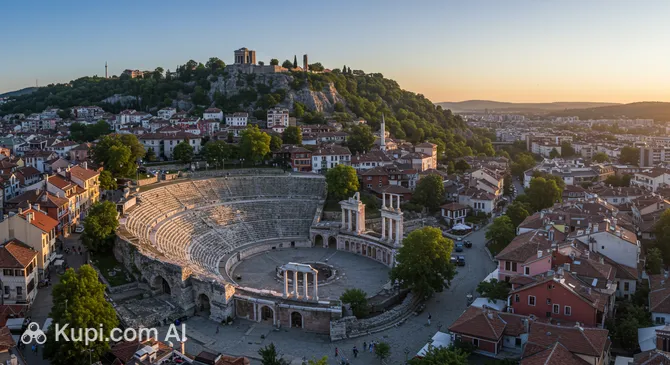
Plovdiv. Illustration.
Source: Kupi.com AI

Plovdiv's history spans over 8,000 years, and you can feel it at every turn. Eras intertwine here in a remarkable way: ancient ruins sit alongside Ottoman mosques, while traditional 19th-century Bulgarian houses neighbor modern art spaces. The city's atmosphere is enchanting: in the Old Town, with its cobblestone streets, cozy cafes, and art galleries, time seems to slow down, immersing you in the past, while the modern part pulses with energy, trendy venues, and festivals.

Plovdiv attracts tourists with its unique blend of antiquity and modernity, the hospitality of its residents, and a rich cultural life. Among its gems are the magnificently preserved Ancient Theatre, the picturesque Old Town, and the Kapana district, famous for its craft workshops and creative atmosphere. Plovdiv is worth a visit to experience its unique spirit, where everyone will find something to their liking: from leisurely strolls through ancient streets to vibrant festivals and gastronomic discoveries. It is a city that inspires and leaves you wanting to return again.

You can find more interesting facts on the history of Plovdiv page.
Weather Overview

The climate in Plovdiv is characterized by warm, and sometimes hot, summers and relatively mild winters. In summer, especially in July and August, the average temperature stays around 24°C, with maximum values reaching 30°C. In winter, average temperatures range from 2.8°C in January to 4.7°C in February, sometimes dropping below zero. Precipitation is distributed fairly evenly throughout the year, but the driest months are July, August, September, and October with a minimum number of rainy days. Spring and autumn offer comfortable temperatures for walking and exploring the city.

Overall, expect warm, and in places hot, summers with occasional but infrequent rain, and cool winters with moderate precipitation. For more detailed information about the weather by month and to plan your trip in the best way, check out the detailed forecast: Plovdiv Climate.

Average monthly temperature

Average monthly precipitation

Interesting Facts

Beyond its famous ancient ruins and the charming Old Town of Plovdiv, Plovdiv holds many fascinating secrets and little-known facts that make it a truly special place to discover.

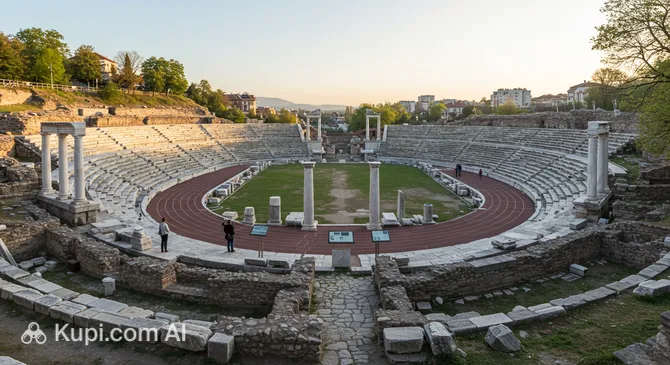
Ancient Stadium of Philippopolis. Illustration.
Source: Kupi.com AI

Traveler photos:

  • Plovdiv is one of the oldest continuously inhabited cities not just in Bulgaria, but in Europe, with a history spanning over 6,000 years. It is older than Rome and Athens, and its original Thracian name was Eumolpias.

  • A significant portion of the impressive Ancient Stadium of Philippopolis is hidden beneath the city's main pedestrian street. Built in the 2nd century during the Roman Empire, it could seat up to 30,000 spectators for athletic competitions, and today its northern, excavated part (Sphendone) is open for visitors.

  • Like Rome, Plovdiv is situated on seven syenite hills, known as "tepeta." One of the most significant is Nebet Tepe, where the remains of the earliest settlement that started the city were discovered, including fragments of fortress walls dating back to Thracian times.

  • The Kapana creative district, whose name translates to "The Trap" due to its labyrinth of narrow streets, was once a hub for craftsmen. Today, it is a vibrant and trendy space with art galleries, designer studios, cozy cafes, and bars, becoming a magnet for creative people and youth.

How to Get There

You can reach Plovdiv, the cultural capital of Bulgaria and one of the oldest cities in Europe, in various ways. The main transport hubs for international travelers are nearby airports, from which Plovdiv can be reached by bus or car. The city also has good rail and bus connections with other settlements in Bulgaria and neighboring countries.

The most convenient way to reach Plovdiv for most international tourists is by air. The main airport serving the destination is Sofia Airport (SOF). It is located in the capital of Bulgaria, Sofia, about 127 km west of Plovdiv. This is a very large international airport that receives flights from many cities in Europe and the world. The journey from Sofia Airport to Plovdiv by car or bus usually takes about 3.5 hours.

Another option could be Kavala International Airport "Megas Alexandros" (KVA), located in Greece, about 136 km south of Plovdiv. It is a small airport, but it can be convenient for travelers from some European directions, especially during the summer season. The trip from Kavala to Plovdiv takes about 3.5-4 hours, including border crossing time. Also worth considering is Thessaloniki International Airport "Makedonia" (SKG) in Greece. This is a very large airport located about 233 km from Plovdiv. The journey from there to the city by car or bus will take about 6-6.5 hours, including the border crossing.

For clarity, here is a summary of the main airports through which you can reach Plovdiv:

AirportPassenger trafficDistance
Sofia Airport7.7 mln127 km
Veliko Tarnovo South Bus Station750 000127 km
Kavala International Airport304 414136 km
Demokritos Airport212 000174 km
Thessaloniki International Airport7.0 mln233 km

Plovdiv is an important railway hub in Bulgaria, and its Central Railway Station (Tsentralna gara Plovdiv) receives trains from Sofia, Burgas, Varna, and other cities in the country, as well as some international trains, for example, from Istanbul. If you are considering arriving by rail from more distant European countries, the nearest large international hubs from which further transfer to Plovdiv can be organized are stations in neighboring countries.

Among such hubs is Thessaloniki Railway Station in Greece. It is located about 225 km from Plovdiv and has medium passenger traffic. A trip from Thessaloniki to Plovdiv will require an additional transfer (for example, by bus or train with connections) and will take several hours. Another option is Gara de Nord (North Station) in Bucharest, Romania. This is a very large station located at a distance of about 279 km from Plovdiv. However, the transfer from there to Plovdiv will be longer and may require several connections.

Here is information about some major railway stations in the region that can serve as arrival points before traveling to Plovdiv:

StationPassenger trafficDistance
Thessaloniki Railway Station225 km
Bucharest North Station10 mln279 km

Furthermore, Plovdiv can be easily reached by intercity bus from many cities in Bulgaria (including Sofia, Burgas, Varna) and some neighboring countries such as Turkey, Greece, Serbia, and North Macedonia. The bus service is well-developed and offers comfortable travel options. Traveling by car is also a convenient way to get to Plovdiv, thanks to a good network of highways connecting it to key points in the region.

Main Attractions

Plovdiv, one of the oldest cities in Europe, is proud of its rich historical heritage and offers tourists many fascinating attractions. Antiquity, the Middle Ages, and the Bulgarian National Revival period coexist here in harmony.

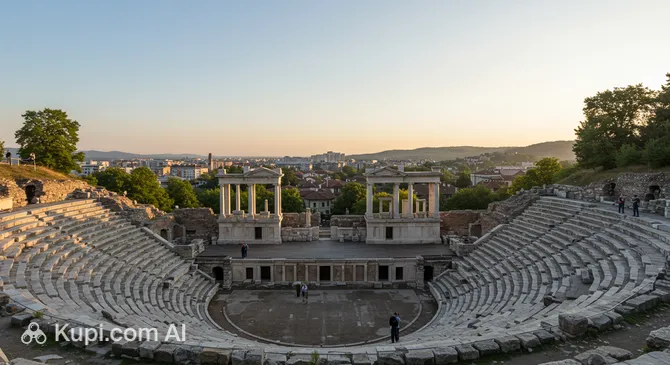
One of the most iconic landmarks is the Ancient Theatre of Philippopolis. This magnificently preserved 2nd-century AD Roman amphitheater is still used for concerts and festivals, impressing visitors with its acoustics and atmosphere. Sitting on its marble steps, it is easy to imagine the gladiatorial battles or theatrical performances of antiquity.

Ancient Theatre of Philippopolis. Illustration.
Source: Kupi.com AI

Traveler photos:

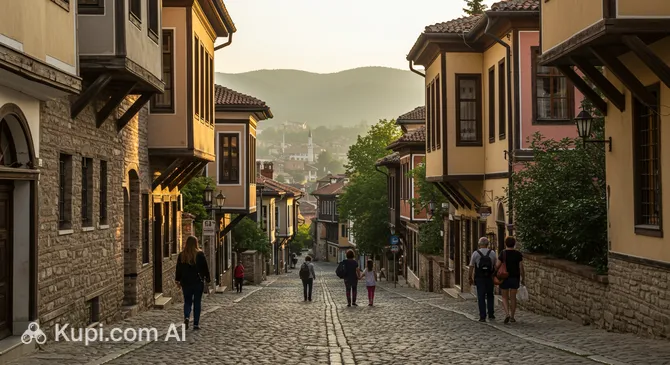
It is impossible to imagine Plovdiv without its Old Town. It is a true open-air museum, where narrow cobblestone streets lead past colorful Revival-era houses with characteristic bay windows and wooden elements. A walk through the Old Town is an immersion in history, an opportunity to see ancient churches and house-museums, and enjoy a unique atmosphere.

Old Town of Plovdiv. Illustration.
Source: Kupi.com AI

Traveler photos:

Another testament to the city's Roman past is the Ancient Stadium of Philippopolis, located right beneath the main pedestrian street. A portion of this grand structure, where athletic competitions were once held, is available for viewing today. Its size and engineering solutions are impressive, serving as a reminder of the city's former greatness.

Ancient Stadium of Philippopolis. Illustration.
Source: Kupi.com AI

Traveler photos:

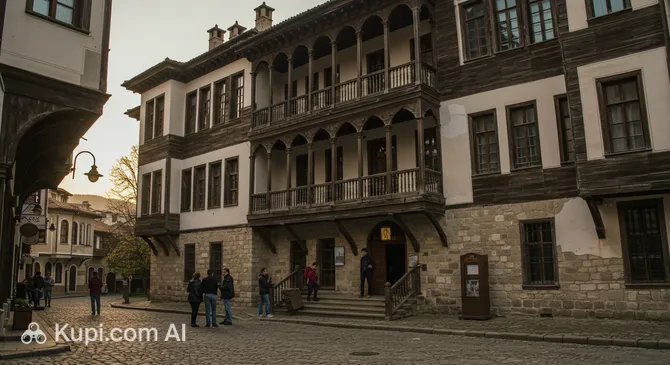
To gain a deeper understanding of the region's culture and everyday life, it is worth visiting the Regional Ethnographic Museum Plovdiv. It is located in a beautiful Revival-era house and houses a rich collection of folk costumes, crafts, musical instruments, and household items that tell the story of Bulgarian traditions and lifestyles.

Regional Ethnographic Museum Plovdiv. Illustration.
Source: Kupi.com AI

Traveler photos:

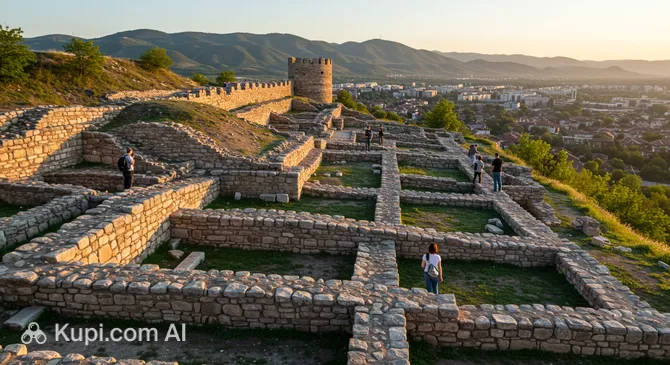
For lovers of panoramic views and ancient ruins, Nebet Tepe is a must-see. This is one of the hills upon which Plovdiv is built and the site of the earliest Thracian settlement. Today, you can see the remains of fortress walls and enjoy a breathtaking view of the city, especially at sunset.

Nebet Tepe. Illustration.
Source: Kupi.com AI

Traveler photos:

Local Cuisine

The gastronomy of Plovdiv is a true kaleidoscope of flavors, where Bulgarian, Turkish, and Mediterranean culinary traditions intertwine harmoniously. A trip to this city would be incomplete without tasting the local dishes. Start your introduction with the legendary Shopska salad – a simple but incredibly tasty combination of fresh vegetables topped with a generous layer of sirene (brinza cheese) and dressed with olive oil. Another dish definitely worth trying is kebapche, fragrant grilled meat sausages served with various side dishes.

Continuing your gastronomic exploration of Plovdiv, look out for kavarma – a hearty dish of slow-cooked meat with vegetables and spices, often served in a clay pot. Be sure to try banitsa – a layered pastry with various fillings, most often cheese or spinach. On a hot day, tarator will refresh you – a cold yogurt-based soup with cucumbers, dill, and walnuts. For dessert, Oriental sweets like baklava and lokum await, melting in your mouth.

Among drinks, Bulgarian wine holds a special place. The region around Plovdiv is famous for its vineyards, so be sure to taste local varieties of white and red wines. Among spirits, rakia is popular – a traditional Balkan brandy made from various fruits. Non-alcoholic drink lovers will appreciate the aromatic Turkish coffee, expertly prepared here, as well as various fresh-squeezed juices and homemade lemonades.

The food culture in Plovdiv is very diverse. You can find venues for every taste and budget: from authentic mehanas (traditional taverns) serving home-cooked food to modern restaurants with sophisticated cuisine. For example, to get closer to local culinary traditions in a pleasant setting, you can visit Aylyakria Restaurant. Street food also deserves attention: bakeries with fresh pastries and kiosks offering quick and tasty snacks are at every turn. Don't forget to visit the local markets, where you can always buy fresh seasonal fruits, vegetables, homemade cheeses, and meat delicacies. The city's culinary scene is so rich that Plovdiv often hosts wine festivals and culinary celebrations, offering guests unforgettable taste experiences.

Aylyakria Restaurant. Illustration.
Source: Kupi.com AI

Traveler photos:

Travel Tips

Welcome to Plovdiv, one of the oldest and most charming cities in Europe! To ensure your trip through this unique place in Bulgaria is as comfortable as possible and leaves only pleasant impressions, we have prepared a few practical tips.

  1. Clothing and Essentials: The climate in Plovdiv is continental: hot summers and fairly cold winters. In summer, bring light clothing, sunscreen, a hat, and definitely comfortable shoes – the Old Town is paved with cobblestones. In spring and autumn, the weather is changeable, so layering clothes will be useful. In winter, you'll need a warm jacket, hat, and gloves. When visiting churches and monasteries, women are recommended to cover their shoulders and knees, and men should wear trousers. Don't forget an adapter for electrical appliances if your plugs differ from the European standard (type F).
  2. City Transport: The central part of Plovdiv, especially the Old Town and the Kapana district, is best explored on foot. Public transport consists of buses; tickets can be bought at kiosks or from the driver. Taxis are relatively inexpensive; use official companies or apps (e.g., Taxime) to avoid inflated prices. Renting a car can be useful for trips to the surrounding areas, but for moving within the city itself, it is not always convenient due to narrow streets and limited parking.
  3. Finances: The local currency is the Bulgarian lev (BGN). You can exchange money at banks or exchange offices (avoid exchanging at the airport or hotels, as the rate there is usually less favorable). Bank cards (Visa, Mastercard) are accepted in most shops, restaurants, and hotels. ATMs are widely available. Most international cards work without problems, but it's better to check with your bank before the trip. An approximate daily budget (excluding accommodation) could be 50-100 leva, depending on your preferences. Tipping in restaurants and cafes is welcome (usually 5-10% of the bill if you liked the service).
  4. Health and Safety: Pharmacies (in Bulgarian "apteka") are easy to find, some of which are open 24/7. In case medical assistance is needed, tourists with insurance should call the number specified in their policy or the single European emergency number 112. Plovdiv is generally a safe city. However, as everywhere, basic precautions should be followed: watch your belongings in crowded places, especially on the Main Pedestrian Street and in transport. The Stolipinovo district is generally not recommended for tourists to visit unaccompanied by locals.
  5. Communication: The official language is Bulgarian. In tourist areas, hotels, and restaurants, many speak English, especially the younger generation. Knowing a few basic phrases in Bulgarian (e.g., "Dobur den" – Good day, "Blagodarya" – Thank you, "Molya" – Please) will be gratefully received by locals. A SIM card with internet access can be purchased at mobile operator offices. Free Wi-Fi is available in many cafes, restaurants, hotels, and some public places.
  6. Local Etiquette: Bulgarians are hospitable and friendly. When meeting, it is customary to exchange a handshake. An important feature: in Bulgaria, nodding your head up and down means "no," and shaking your head from side to side means "yes," which is the opposite of what many are used to. Be polite and respect local traditions.
  7. What to Avoid: You should not photograph people without their permission, especially in non-tourist areas. Also, try not to engage in loud arguments on political or historical topics if you are unsure of the other person's reaction.
  8. Additional Tip: Be sure to set aside time for leisurely walks through the Old Town and the Kapana creative district. Peek into small galleries, craft shops, and cozy cafes. Plovdiv is often called the "city of artists," and you will definitely feel its unique atmosphere.

We hope these tips help you better prepare for your trip and get the most enjoyment out of your stay in wonderful Plovdiv. Have a great journey and vibrant impressions!

Entertainment & Nightlife

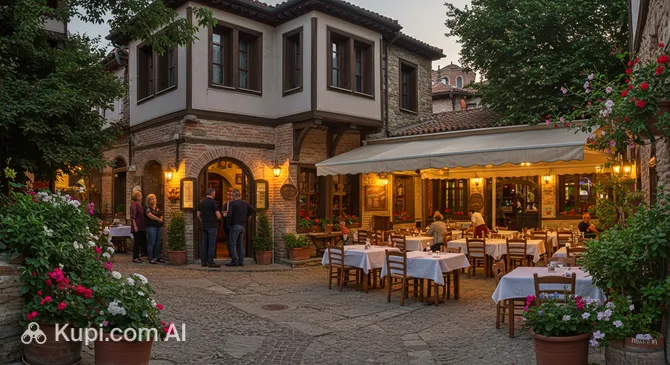
Plovdiv transforms after dark, offering guests and residents many options for engaging evening and nighttime leisure. The center of attraction for nightlife enthusiasts is undoubtedly the creative district of Kapana (which translates to "The Trap"). Its narrow, cobbled streets, filled with craft workshops and galleries by day, come alive in the evening thanks to numerous bars, clubs, and restaurants.

The atmosphere in Kapana is very lively and welcoming. You can meet a diverse crowd here – from students and creative youth to tourists and older locals. Most venues stay open until late at night, and clubs operate until early morning. The dress code is mostly casual, though some more upscale clubs might have stricter requirements. The main fun begins after 22:00-23:00, especially on weekends.

Casa de Cuba. Illustration.
Source: Kupi.com AI

Traveler photos:

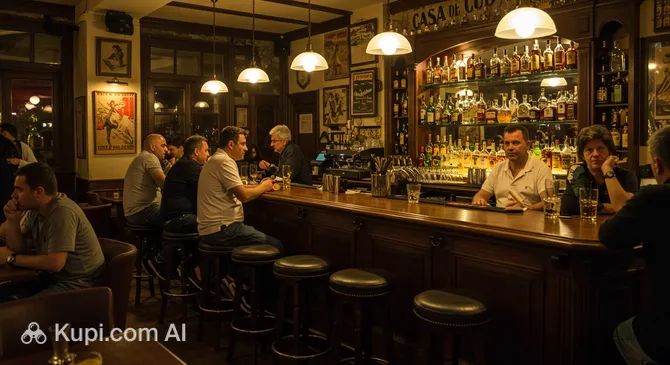
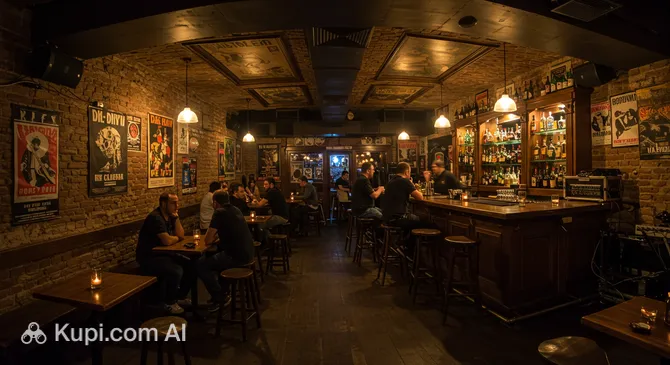
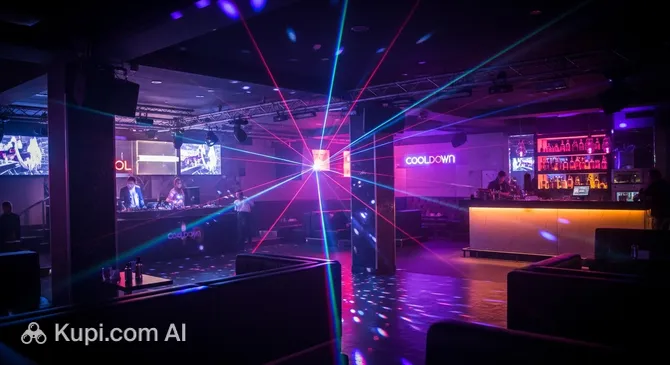
In Plovdiv, you will find venues for every taste: from cozy craft beer and wine bars to noisy nightclubs with electronic music and themed bars. For example, for lovers of Latin American rhythms and cocktails, the Casa de Cuba bar is an excellent choice. Rock music fans can head to Rock Bar Download, known for its authentic atmosphere and live performances. If you want to dance the night away, check out the CoolDown nightclub or Contrabass, where popular DJs often play.

Rock Bar Download. Illustration.
Source: Kupi.com AI

Traveler photos:

Beyond Kapana, lively spots can be found on the main pedestrian street, Knyaz Alexander I, as well as in the adjacent side streets. Numerous restaurants are located here, some of which stay open late and offer evening entertainment. Average prices in Plovdiv bars and clubs are quite moderate, especially compared to major European capitals. A glass of local beer or wine will cost a few leva, with cocktails being slightly more expensive.

CoolDown. Illustration.
Source: Kupi.com AI

Traveler photos:

From a safety standpoint, the central districts of Plovdiv, including Kapana, are considered quite safe for nighttime walks. However, as in any other city, basic precautions should be observed. For getting around at night, it is most convenient to use taxi services. Several taxi companies operate in the city, and mobile apps can also be used to call a car.

While Plovdiv's nightlife deserves special attention, the city also offers plenty of interesting activities during the day. You can visit numerous museums, such as the Regional Archaeological Museum Plovdiv or the unique Bishop's Basilica of Philippopolis. For a family outing, the Lauta Rope Park is a great choice. Ancient attractions, like the Ancient Theatre of Philippopolis, are also impressive during the day and during evening performances, if any are being held.

Parks & Museums

Plovdiv is a city with a rich history and culture that charms visitors not only with its ancient monuments but also with an abundance of green zones for relaxation. Here, everyone will find something to their liking: from shady parks to unique museums holding the secrets of centuries.

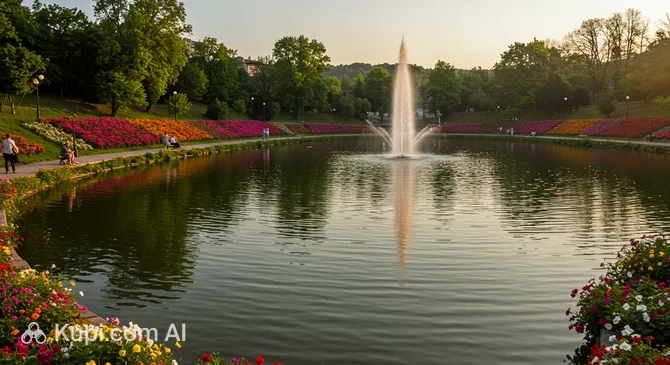
For walks and outdoor recreation, the Tsar Simeon Garden, located in the very heart of the city, is perfect. This well-maintained park is famous for its beautiful alleys, fountains, and the famous Singing Fountain, which is especially beautiful in the evening. It's a great place to catch your breath after sightseeing.

Tsar Simeon Garden. Illustration.
Source: Kupi.com AI

Traveler photos:

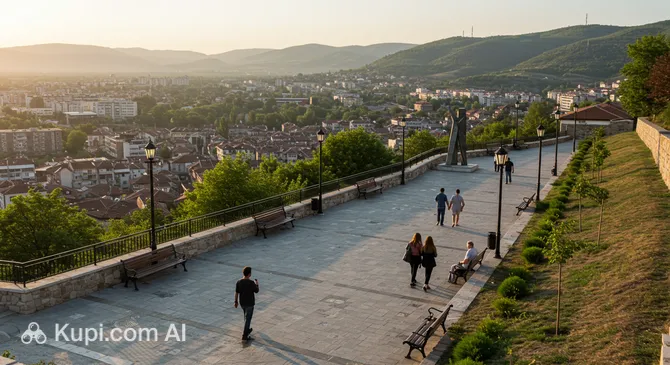
Another iconic green area is Youth Hill (Dzhendem Tepe), one of Plovdiv's seven hills. Climbing to its summit, you will be rewarded with panoramic views of the city. It is a popular spot for picnics, leisurely walks, and sports. For lovers of active recreation, the Lauta Rope Park is located in Lauta Park, offering courses of various difficulty levels.

Youth Hill. Illustration.
Source: Kupi.com AI

Traveler photos:

Plovdiv is proud of its museums, which allow for a deep dive into its history and culture. One of the most significant is the Regional Ethnographic Museum Plovdiv. It is housed in a magnificent Bulgarian Revival-era house and introduces visitors to the traditional way of life, crafts, and art of the region. The museum's exhibition includes national costumes, musical instruments, and household items telling the story of Plovdiv residents' lives in the past.

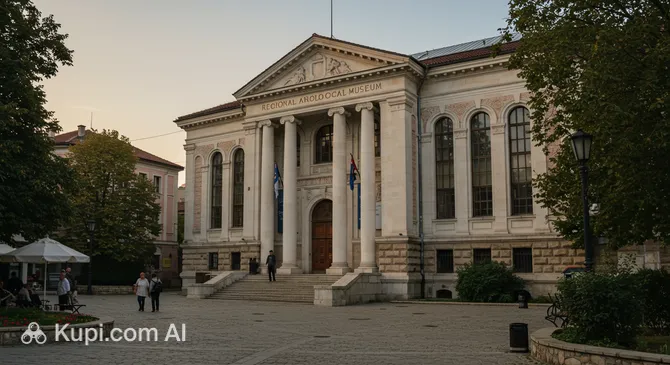
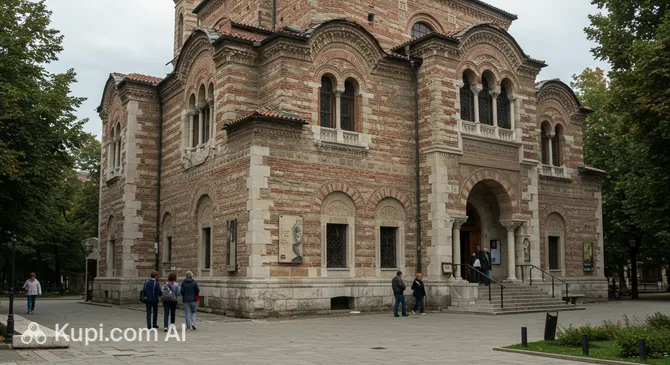
Equally interesting is the Regional Archaeological Museum Plovdiv, whose collection spans millennia of history – from prehistoric times to the Middle Ages. Here you can see unique Thracian treasures, Roman mosaics, and artifacts testifying to the city's rich past. Special attention should be paid to the recently restored Bishop's Basilica of Philippopolis, impressive for its size and magnificent 4th-6th century mosaic floors, which are among the best examples of early Christian art in the Balkans.

Regional Archaeological Museum Plovdiv. Illustration.
Source: Kupi.com AI

Traveler photos:

The Episcopal Basilica of Philippopolis. Illustration.
Source: Kupi.com AI

Traveler photos:

The Old Town of Plovdiv itself is a true open-air museum, where every stone breathes history. Strolling through its cobblestone streets, you will see gems like the Ancient Theatre of Philippopolis, which is still used today for concerts and plays. Numerous house-museums are also located here, such as the Hindliyan House and the Balabanov House, showcasing the luxury and lifestyle of wealthy 19th-century Plovdiv merchants. Families with children might find the Plovdiv Zoo interesting, where they can meet various animal species.

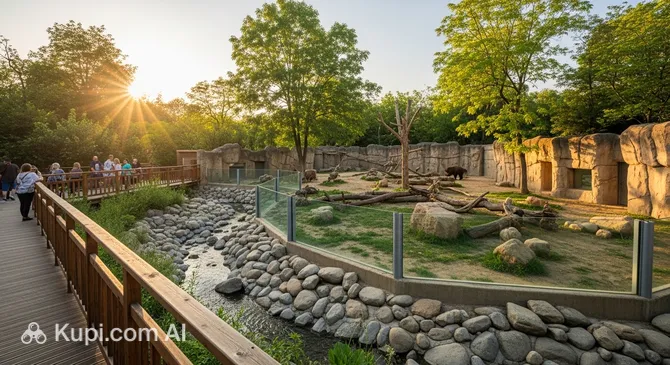
Plovdiv Zoo. Illustration.
Source: Kupi.com AI

Traveler photos:

For authentic experiences, head to the Kapana district – the creative heart of Plovdiv, full of cozy cafes, craft workshops, and art galleries. To enjoy an unforgettable sunset over the city, climb the hill of Nebet Tepe – the oldest settlement in Plovdiv, offering stunning views of the Old Town and the Maritsa River.

Getting Around

Public transport in Plovdiv is mainly represented by buses, which are the primary way of moving around the city for many residents and tourists. The bus route network is quite extensive and covers most districts, including the historical center and more remote parts.

The payment system in Plovdiv buses is relatively simple. Tickets can be purchased directly from the driver upon entering the bus or at special kiosks located at some stops. The cost of a single trip is usually fixed at around 1 Bulgarian lev. There are also travel passes for longer periods (e.g., for a day or a month), which can be advantageous for frequent transport use. It is important to remember that a ticket bought from the driver usually needs to be validated immediately in special devices installed inside the bus cabin. Bus operating hours vary depending on the route, but they generally start early in the morning and finish late in the evening. Schedules may change on weekends and holidays.

For tourists planning to move around the city a lot, it may be useful to study the route map in advance or use online trip planning applications that show current schedules and routes. Pay attention to the bus numbers and directions indicated at the stops and on the vehicles themselves.

Besides buses, taxi services are, of course, available in Plovdiv. This is a more expensive but more comfortable way to travel, especially if you are traveling with luggage or at night. It is recommended to use the services of official taxi companies or order a car through trusted apps. In recent years, bike rental has also been gaining popularity, especially in the warmer months, allowing you to explore the city at your own pace while enjoying its atmosphere. The city center and park zones have conditions suitable for cycling.

Accommodation

In Plovdiv, tourists are offered a wide range of accommodation options to suit various preferences and budgets. You can find everything from inexpensive hostels and guest houses to comfortable mid-range hotels, as well as more luxurious options and apartments for short-term rent. This diverse selection allows every traveler to find accommodation according to their taste and financial capabilities.

Particularly popular among tourists are areas located in close proximity to the main attractions. For example, staying in the Old Town of Plovdiv will allow you to immerse yourself in the atmosphere of antiquity and have easy access to many historical sites, such as the Ancient Theatre of Philippopolis or Nebet Tepe. Areas near the central pedestrian street, where shops, restaurants, and cafes are concentrated, or near transport hubs for those planning to move actively around the city and its surroundings, can also be convenient.

While there are no specific hotels in the provided list, Plovdiv offers many options: from boutique hotels in historical buildings to modern hotel complexes. The price range varies from budget offers to luxury options. For searching and booking accommodation, popular online platforms are most convenient, allowing you to compare prices and conditions, as well as read reviews from other travelers. Direct booking through hotel websites is also an option.

General booking tip: if your trip falls during the peak tourist season or during major events and festivals for which Plovdiv is famous, it is recommended to book accommodation in advance. This will help you ensure the best choice and possibly more favorable prices.

Nearby Cities

For those who want to explore the surroundings, Plovdiv serves as an excellent starting point for day trips to several interesting nearby places:

CityPopulationDistance
Stamboliyski11 32717 km
Asenovgrad65 96217 km
Rakovski15 69422 km
Pazardzhik103 68135 km
Peshtera19 87739 km

These nearby destinations offer a glimpse into the diverse culture and landscapes of the Bulgaria region.

Shopping & Souvenirs

Plovdiv offers diverse shopping opportunities, combining modern shopping malls with charming streets full of boutiques and souvenir shops. The city isn't famous for exclusive goods found only here, but you will definitely be able to find quality Bulgarian products, fashionable clothing, and lovely souvenirs.

The main shopping artery of the city is the pedestrian street Knyaz Alexander I (Glavnata). A multitude of clothing stores of famous brands, shoes, accessories, cosmetics, as well as cafes and restaurants, are concentrated here. A walk along this street is a pleasure in itself. Another interesting area for shopping is the Kapana creative district, where you can find designer shops, galleries, artisan workshops, and cozy cafes. Unique handmade items, original jewelry, and art pieces are sold here.

For those who prefer shopping under one roof, Plovdiv has several modern shopping centers. The most popular are Mall Plovdiv and Retail Park Plovdiv. They feature a wide selection of international and Bulgarian clothing brands, electronics, household goods, as well as food courts, cinemas, and entertainment zones.

Mall Plovdiv. Illustration.
Source: Kupi.com AI

Traveler photos:

While Plovdiv doesn't have famous markets like some other European cities, the Central Market (Tsentralen pazar) is worth a visit. Here you can buy fresh fruits, vegetables, local cheeses, meat delicacies, and spices. It's a great place to feel the local flavor and buy edible souvenirs.

Retail Park Plovdiv. Illustration.
Source: Kupi.com AI

Traveler photos:

As souvenirs from Plovdiv and Bulgaria as a whole, visitors traditionally bring back products with rose oil (cosmetics, perfumes, the oil itself), Bulgarian ceramics with characteristic patterns, embroidered tablecloths and napkins, leather goods, and local wine. In the souvenir shops of the Old Town, you can find magnets, postcards, and other trinkets featuring views of Plovdiv.

Most shops in central Plovdiv operate Monday through Saturday from approximately 10:00 to 19:00-20:00. Large shopping centers are usually open later, including Sundays. Small shops and stalls may have shorter working hours and be closed on Sundays. Bulgarian leva (BGN) are accepted for payment, as well as Visa and Mastercard bank cards in most shops and restaurants. It's always useful to have some cash on hand for small purchases or at the markets.

Tourists from non-European Union countries can take advantage of the Tax Free system when making purchases over a certain amount in participating stores. Look for the corresponding stickers in shop windows and don't forget to ask the seller for a special VAT refund check, which must be presented at customs when leaving the country.

Nearby cities

Reached the end of the page?

That means the route is fully explored