Support

The Episcopal Basilica of Philippopolis

About

When traveling through a country as welcoming as Bulgaria, you must visit its cultural heart. The Bishop's Basilica of Philippopolis is a magnificent archaeological complex located in the city of Plovdiv. It is recognized as the largest early Christian church in the country and one of the grandest in the entire Eastern Roman Empire from the 4th to 6th centuries.
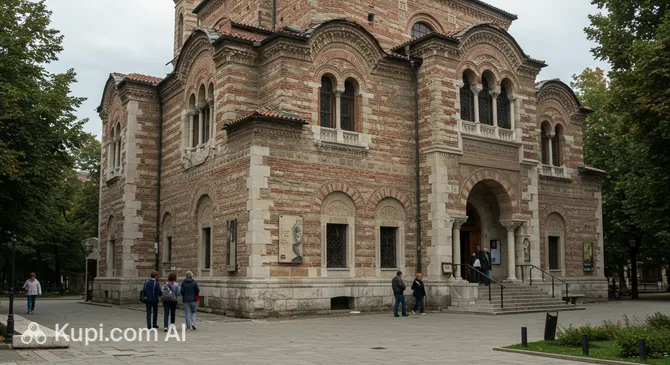
The Episcopal Basilica of Philippopolis
The Episcopal Basilica of Philippopolis. Иллюстрация. Источник: Kupi.com AI

The basilica's main treasure is its stunning mosaic floors, covering a total area of 2,000 square meters. This grand three-nave structure, measuring 83 meters in length, impresses not only with its size but also with the intricate craftsmanship of ancient masters. Today, it is a modern museum complex called the "Late Antique Mosaics of Philippopolis," where ancient heritage is carefully preserved using advanced technologies.

The basilica was built on the site of an ancient pagan temple and served as the spiritual center of the diocese for centuries. Inside, you can see the remains of the ambo, the episcopal presidium, and elegant Christian symbols on the column capitals. Due to its unique significance, the site was granted the status of a national monument in 2018 and has become a must-see destination for all history and art lovers.

Contacts

For the latest information on special events or group tours, you can use the museum's official contact details.

How to contactContact
AddressTsentarPlovdiv Center, boulevard "Knyaginya Maria Luiza" 2, 4000 Plovdiv, Bulgaria
Phone+359 87 666 2900
Websitewww.plovdivmosaics.org

What to Do

The main experience the basilica offers visitors is the chance to literally soar over history. Thanks to a system of transparent glass platforms, you can examine two layers of magnificent mosaics without damaging them. Pay special attention to the depictions of birds: there are over a hundred species here, each rendered with striking precision. It is also interesting to look for symbolic geometric patterns and Greek inscriptions left by ancient donors.

Modern technology is actively used within the museum. You can interact with multimedia panels that reconstruct the original interior appearance and explain mosaic-making techniques. Be sure to visit the baptistery area, which features a preserved cross-shaped font, and see the remains of an ancient pool hidden beneath the main floor.

Beyond the visual tour, you can listen to fascinating lectures or book a guided tour that reveals the secrets of how a pagan sanctuary was transformed into a Christian temple and later into a medieval necropolis. The museum is designed to be engaging for professional archaeologists and regular tourists with children alike, featuring interactive elements specifically for younger visitors.

Getting There

Finding the basilica is easy, as it is located in the very heart of the city at 2 Knyaginya Maria Luiza Boulevard. A good landmark is the Catholic Cathedral of St. Louis, which is in the immediate vicinity. If you are already walking through the historical center, the walk from the Ancient Stadium or the Old Town will take only 5–10 minutes at a leisurely pace.

For those who prefer public transport, take buses 1, 2, 3, 7, or 13. You should get off at the "Center" (Tsentar) or "Dzhumaya" stop. If you are coming from Plovdiv Airport, a taxi ride will take about 15–20 minutes and cost approximately 20 BGN. From Sofia, you can take a train or an intercity bus and then walk to the basilica from the station.

Since parking in the central area is limited, tourists driving their own cars are advised to leave their vehicles in nearby paid parking lots or use the bicycle lanes, which are well-developed in this part of the city.

Ближайший город: Plovdiv

History & Facts

The history of this site began long before the arrival of Christianity. The Bishop's Basilica of Philippopolis was built in the 4th century on the ruins of an even older pagan temple dedicated to the imperial cult. Archaeologists discovered a coin of Emperor Licinius, suggesting that construction began shortly after the Edict of Milan in 313, when Christianity gained legal status in the Roman Empire.

For two centuries, the basilica served as the regional spiritual and administrative center. Interestingly, the mosaic floors were laid in two layers. The first, earlier layer features strict geometry, while the second layer, created later, is striking for its abundance of bird and plant imagery. This points to a period of exceptional prosperity for the local community and the flourishing of artistic traditions.

By the end of the 6th century, following invasions and the city's decline, the building was abandoned. However, the site's sacred status remained: between the 10th and 12th centuries, a medieval necropolis emerged atop the ruins. During excavations, remains of a cemetery church with fragments of frescoes and hundreds of burials were found. The modern era for the monument began in 1983 with its accidental discovery during road works, and in 2021, an ultra-modern museum opened here.

Time Needed

To leisurely explore both levels of the exhibition and study the mosaic details, most visitors need between 1 and 2 hours. This time is sufficient to walk across the glass bridges, read the information stands, and watch the interactive presentations.

If you are an archaeology enthusiast or plan to use a guide, your visit might take longer. The museum offers a comfortable atmosphere conducive to thoughtful contemplation of ancient art, so there is no need to rush.

Working Hours

The museum welcomes guests daily, which is very convenient for planning your travel itinerary. The complex doors are open from 9:00 AM to 6:00 PM without lunch breaks or days off.

It is recommended to arrive an hour before closing to have enough time to see all the exhibits and enjoy the atmosphere of the ancient temple before the gallery closes.

9:00 – 18:00

Nearby

The basilica's location in the city's historical core allows tourists to create a rich itinerary. A walk through the surroundings will help you feel the multi-layered history of the region, where ancient ruins sit alongside medieval monuments and modern parks.

NameDistance
Roman Forum of Philippopolis0.3 km
Free Plovdiv Tour0.3 km
Ancient Theatre of Philippopolis0.4 km
Kontrabas0.4 km
Ancient Stadium of Philippopolis0.5 km
Rock Bar Download0.5 km
Small Basilica Archaeological Site0.5 km

Reached the end of the page?

That means the route is fully explored