Support

Museum of the City of Skopje

About

The Museum of the City of Skopje is a unique cultural space located in the iconic building of the former railway station. Built in 1949, it became a silent witness to the city's greatest disaster. Today, the museum is not just a repository of antiquities, but a symbol of remembrance and rebirth.
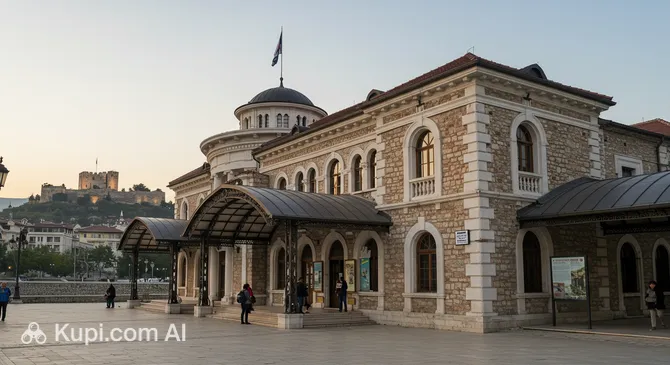
Museum of the City of Skopje
Museum of the City of Skopje. Иллюстрация. Источник: Kupi.com AI

The main feature of its architectural appearance is the famous clock on the facade. It stopped at 5:17 — the exact moment the devastating earthquake began in 1963. Since 1970, the partially surviving building has housed rich collections telling the story of Skopje over thousands of years.

A visit to the museum in Macedonia allows you to see rare artifacts dating back to 3000 BC, including ancient jewelry and everyday items. At the very entrance, guests are greeted by authentic ancient tombs, setting the tone for a deep dive into the region's past. This is a must-visit location for those who want to understand the soul of the Macedonian capital.

Contacts

To confirm current information about exhibitions and special events, you can contact the museum administration directly.

How to contactContact
AddressСвети Кирил и Методиj, Скопје 1000, Северная Македония
Phone+389 2 311 4742

What to Do

A visit to the museum begins even before you step inside: the first thing to look at is the legendary clock on the facade and the remains of the old station's structure, which are exhibits in their own right. Inside, a journey through time awaits you — from prehistoric settlements to the dynamic 20th century. The halls display numismatic collections, everyday objects from different eras, and exquisite jewelry from ancient cultures.

The section dedicated to the 1963 earthquake has a particularly strong emotional impact. Here, you can see archival photographs, models of the city before and after the disaster, and documents recording the international aid for the reconstruction of Skopje. This site allows you to not only study the facts but also empathize with the history of the city's residents.

For archeology enthusiasts, the ancient tombs at the entrance and the extensive archaeological exhibition are essential viewing points. To get the most out of your experience, it is recommended to book a tour or use an audio guide — many details of daily life and the symbolism of artifacts are revealed through a professional's narrative. The museum is perfect for a leisurely cultural outing in the city center.

Getting There

The museum is located in the heart of Macedonia, in the central part of the capital at Sveti Kiril i Metodij Street. Thanks to its proximity to the main square and the Vardar River, it is easily accessible on foot. A walk from Macedonia Square or the Old Bazaar takes only 10–15 minutes, making the museum a convenient stop on a route through the historical center.

For those who prefer public transport, bus No. 9 is ideal. You should get off at the "Stara Zheleznichka Stanica" (Old Railway Station) stop, which is located in the immediate vicinity of the entrance. You can also use city taxis, which will take you from any point in the center in a matter of minutes.

If you plan to travel by car, use the coordinates 41.9910127, 21.4289376. There are paid parking zones nearby, but spaces may be limited on weekdays. For travelers arriving from the airport, it is most convenient to use a transfer or a bus to the central bus station, from where you can reach the museum by taxi in 20–30 minutes.

Ближайший город: Skopje

History & Facts

The history of the museum is inextricably linked to the fate of the building itself. The Museum of the City of Skopje was founded in 1951, but it only moved to its current home in 1970. Its residence became the surviving part of the old railway station, built in 1949. This station was once considered one of the most beautiful in the Balkans until tragedy changed the course of history.

A devastating earthquake on July 26, 1963, destroyed about 80% of the city's buildings. The station building was heavily damaged, and the authorities decided not to demolish it entirely but to transform it into a memorial and cultural space. This step became a symbol of the residents' resilience and their desire to preserve the memory of the past despite natural disasters.

Today, the museum's exhibitions cover a colossal period of time — from 3000 BC to the present day. It carefully preserves artifacts from prehistoric times, Roman rule, and the Middle Ages found in the city's surroundings. A special role is given to the 20th-century archives, which detail the rapid development of Skopje's infrastructure and its subsequent heroic restoration after the destruction.

Time Needed

To leisurely explore all the halls and soak in the atmosphere of the old station, it usually takes between 1 and 2 hours. This time is quite sufficient to get acquainted with the archaeological collection and the exhibition dedicated to the earthquake.

If you plan to use a guide's services or study every historical document and photograph in detail, you should set aside about 2.5 hours for the visit. The museum is one of the key points on a cultural route through Macedonia, so it is often combined with a walk along the Vardar embankment.

Working Hours

The museum is open to visitors throughout the week, with the exception of Mondays. Tuesday–Saturday: from 09:00 to 17:00; Sunday: from 09:00 to 13:00. Monday is the traditional day off.

Since the schedule may change during public holidays, we recommend checking the institution's official website or calling for details before your visit. Entrance to the museum is often free, making it accessible to everyone wishing to touch history.

DayWorking hours
понедельникЗакрыто
вторник09:00–17:00
среда09:00–17:00
четверг09:00–17:00
пятница09:00–17:00
суббота09:00–17:00
воскресенье09:00–13:00

Nearby

A walk around the Museum of the City of Skopje is an excellent opportunity to see the many facets of the capital. Just a few minutes' walk from the historic station building, lively streets begin, leading to main squares and cozy parks. Exploring this area will allow you not only to get acquainted with history but also to feel the rhythm of the city's modern life.

Nearby are both monumental landmarks and quiet cultural corners where you can relax after touring the museum halls. Below is a list of interesting sites that are easy to reach on foot or by a short ride.

NameDistance
Café Kotur0.4 km
Mother Teresa Memorial House0.4 km
Porta Macedonia0.5 km
Monument to Alexander the Great0.6 km
Macedonia Square0.6 km
Bella Vista Lounge Bar & Restaurant0.7 km
Matto Napoletano0.7 km

Reached the end of the page?

That means the route is fully explored