Support

Byzantine Museum of Antivouniotissa

About

In the heart of the historic center, graced by the picturesque Corfu, lies one of the most impressive collections of spiritual art. The Antivouniotissa Byzantine Museum is not just an exhibition space, but a living monument that embodies the centuries-old traditions for which Greece is famous.

The museum is housed in the historic building of the Church of the Holy Mother of God Antivouniotissa, built at the end of the 15th century. This single-nave basilica with its characteristic wooden roof serves as a magnificent example of the period's architecture, immersing visitors in an atmosphere of medieval devotion.
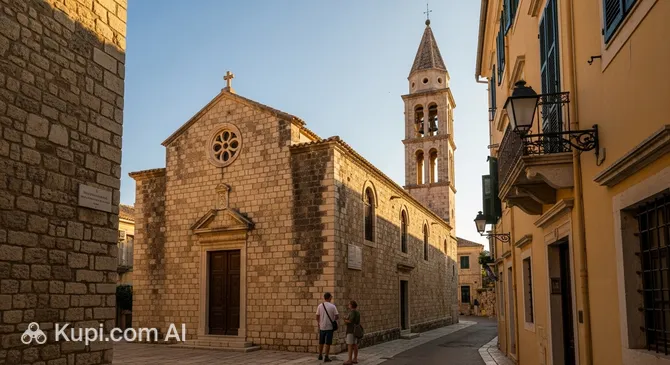
Byzantine Museum of Antivouniotissa
Byzantine Museum of Antivouniotissa. Иллюстрация. Источник: Kupi.com AI

The unique feature of this place is that it has retained its status as an active church. Despite its museum status, Divine Liturgies are still held here, with particularly solemn services taking place annually on December 6th for the feast of the Virgin Mary.

A visit to this museum allows you not only to see rare exhibits but also to touch the history of Orthodoxy in the Ionian Islands. Here, every stone and every icon tells a story of cultural continuity and the resilience of faith through different historical eras.

Contacts

To plan your visit and check current admission conditions, we recommend reviewing the information below. Up-to-date contact details will help you reach the administration or inquire about special events in advance.

How to contactContact
Addressgesloten, Arseniou 25, Kerkira 491 00, Греция
Phone+30 2661 020193
Websitearchaeologicalmuseums.gr

What to Do

The primary goal of visiting the museum is to discover the unique collection of Byzantine and post-Byzantine icons from the 15th to the 19th centuries. Visitors can examine in detail the works of prominent masters such as Michael Damaskinos, Emmanuel Tzanes, and Emmanuel Lombardos. Particular attention should be paid to the famous icon "Noli me Tangere" ("Touch Me Not"), which is considered one of the masterpieces of the collection.

As you wander through the halls, you will see not only icons but also frescoes from the 11th to 18th centuries, carefully collected from various churches across the island. Rare Early Christian sculptures, family heirlooms, ancient manuscripts, and gold-embroidered priestly vestments are also on display, providing a deeper understanding of the aesthetics of the past.

Be sure to find the precious altar cloth—an antimension/shroud—sent as a gift from Russia by Nikephoros Theotokis. This unique exhibit is displayed in a special glass case right at the entrance and serves as important evidence of the cultural and religious ties between the two nations.

Getting There

The Antivouniotissa Museum is located in the picturesque Campiello district, in the northern part of the old town. Its building on Arseniou Street is easy to find by following the coastal road that circles the city's historic center.

The easiest way to get here is on foot while strolling through the narrow streets, as most key hotels are within walking distance. You can also reach the museum by taxi by providing the address Arseniou 25, or by using a rental car, though keep in mind that parking in this part of the city can be limited.

Ближайший город: Corfu

History & Facts

The history of this cultural space began in 1979 when representatives of the noble families who had long owned the church made a noble decision. They donated the building and its entire valuable collection of church utensils and icons to the state to establish a public museum and preserve the heritage of Hellenic Orthodoxy for future generations.

After a period of preparation and extensive restoration, the museum first opened its doors to the general public in 1984. The building required careful restoration to return it to its original late 15th-century appearance while maintaining functionality for displaying fragile and precious exhibits.

The second important stage of the museum's revival occurred in June 1994, when, after additional interior renovation work, it regained its current grandeur. Later, at the turn of the millennium, further technical improvements were made, transforming the monument into one of the most significant treasuries of Byzantine art in the region.

Time Needed

To thoughtfully explore the entire exhibition and enjoy the architecture of the ancient temple, guests usually need 1 to 1.5 hours. This is sufficient time to study the icon inscriptions and examine the details of the ancient frescoes.

If you have a deep interest in iconography or Byzantine history, you may want to stay longer to fully experience the peaceful atmosphere of this place and study the techniques of the old masters in detail.

Working Hours

The museum is open to visitors daily, except Tuesdays, from 08:30 to 15:00. Tuesday is a closing day, which is important to consider when planning your walk through the old town.

As operating hours may change during public holidays, we recommend that tourists check the current information on the official website before their visit.

DayWorking hours
понедельник08:30–15:00
вторникЗакрыто
среда08:30–15:00
четверг08:30–15:00
пятница08:30–15:00
суббота08:30–15:00
воскресенье08:30–15:00

Nearby

A walk through the district where the museum is located offers many other interesting opportunities to experience the island's culture. Exploring the surroundings will help you better understand the scale of this region's historical heritage.

In the immediate vicinity of the museum, you will find both powerful military fortifications and cozy corners reflecting different eras of the city's history. Below are the closest sites to include in your itinerary:

NameDistance
Arthaus Cafe Wine Bar0.2 km
Corfu Museum of Asian Art0.2 km
Casa Parlante Museum0.3 km
Faliraki Beach0.3 km
Bell Tower of the Annunziata Church0.4 km
Margherita Pizza Artigianale0.4 km
Liston0.4 km

Reached the end of the page?

That means the route is fully explored