Support

Charlottetown

About

Welcome to Charlottetown, the vibrant capital of Prince Edward Island and a city steeped in national heritage. Known for its small-town charm combined with the amenities of a cultural hub, this coastal city offers a perfect blend of historic grandeur and modern island hospitality. Located on the southern shore of the island within Canada, Charlottetown sits at the confluence of three rivers, providing scenic waterfront views that define its relaxed atmosphere.

With a population of approximately 42,600 residents, the city maintains a cozy, community-focused feel while serving as the economic center of the province. Visitors are often captivated by the well-preserved red brick architecture, the leafy avenues, and the friendly locals who are always eager to share the beauty of their home.
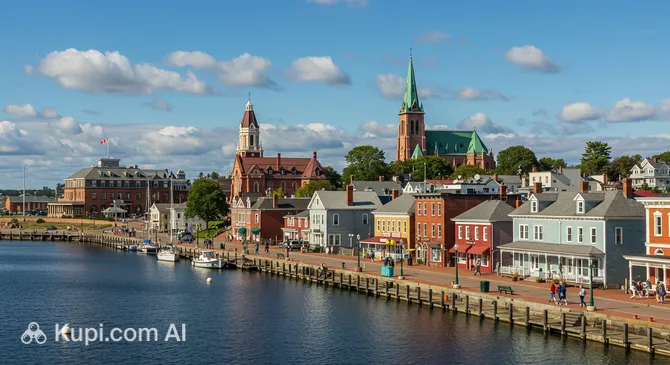
Charlottetown. Source: Kupi.Binoculars

The city holds the prestigious title of the Birthplace of Confederation. It was here in 1864 that the Fathers of Confederation met to discuss the union of the colonies, a pivotal moment that eventually led to the formation of the country. You can delve deeper into these significant events by exploring the history of Charlottetown, which is proudly showcased in its museums and national historic sites like Province House.

Travelers love strolling down Victoria Row, a picturesque pedestrian street lined with outdoor cafes, unique boutiques, and live music during the summer months. The Confederation Centre of the Arts is another must-visit cultural landmark, famous for hosting world-class theater productions, including the long-running Anne of Green Gables musical. For a taste of local life, Peake’s Wharf offers a bustling waterfront experience with boat tours, artisan crafts, and delicious fresh seafood.

Whether you are here to soak up the rich heritage, enjoy the culinary scene, or simply relax by the water, Charlottetown welcomes you with open arms. It is an ideal destination for those seeking a peaceful yet enriching getaway on Canada's east coast.


Weather Overview

Charlottetown experiences a distinct four-season climate, making it a destination that changes character throughout the year. The city generally enjoys comfortable, warm summers and cold winters, typical of the region's maritime environment. To help plan your packing list, you can view the detailed weather in Charlottetown to see what to expect during your specific travel dates.

During the peak summer months of July and August, the weather is most inviting for outdoor activities. Average temperatures hover around 20.5°C, with daytime highs reaching up to 23.7°C. While this is one of the more pleasant times to visit, precipitation is still possible, with July seeing about 10 wet days on average.

Winter brings a significant chill to Prince Edward Island. From December through February, average temperatures stay below freezing, dropping to around -5.1°C in the coldest month of February. These months also see a higher frequency of precipitation, with up to 15 wet days in December. Visitors arriving in this season should come prepared with warm layers to handle minimum temperatures that can dip to -8.7°C.

Spring and autumn offer transitional weather with cooler but manageable conditions. May sees averages rising to 9.4°C, while October remains relatively mild at 11.2°C before the cold sets in. Overall, expect warm summers with occasional rain and cold, damp winters.

Interesting Facts

Beyond the historic facades and scenic waterfronts, Charlottetown holds many fascinating secrets and quirky historical tidbits that often go unnoticed. Here are a few unique facts that add depth to the story of this charming provincial capital.
St. Dunstan's Basilica. Source: Kupi.Binoculars
  • The Circus Overshadowed History: When the delegates arrived for the famous 1864 conference to discuss the union of the colonies, they were largely upstaged by the first circus to visit the island in over 20 years. Because the hotels were packed with excited circus-goers, many of the "Fathers of Confederation" had to stay aboard their ship and were greeted at Confederation Landing by a single official in a rowboat rather than a grand reception.

  • A Phoenix from the Ashes: The city's skyline is dominated by the High Victorian Gothic spires of St. Dunstan's Basilica, one of the largest churches in Eastern Canada. The current structure is actually the fourth church on the site; it was rebuilt with even greater grandeur after a devastating fire in 1913, symbolizing the resilience of the community.

  • Hunt for Eckhart the Mouse: Visitors can explore the downtown streets through a whimsical scavenger hunt dedicated to "Eckhart," a character from the local classic book The True Meaning of Crumbfest. Nine small bronze statues of the mouse are hidden throughout the city, offering a playful way for families to discover the historic district.

  • The Reluctant Birthplace: Although Charlottetown is celebrated as the "Birthplace of Confederation," Prince Edward Island actually declined to join the newly formed nation of Canada in 1867. The province maintained its independence until 1873, when financial pressures from building a railway finally led it to join the union.

How to Get There

Reaching this island capital is an adventure in itself, whether you are arriving by air or crossing the famous Confederation Bridge from the mainland. For those looking for the most direct route, the city is served by its own regional hub, Charlottetown Airport (YYG). Located just 5.4 km from the downtown core, it offers a quick and convenient entry point. A taxi or shuttle from here typically takes approximately 30 minutes to reach the heart of the city. For a comprehensive guide on all travel options, including driving routes and ferries, you can read more about how to get to Charlottetown.

Travelers seeking more international connections or flight options often fly into larger hubs on the mainland and drive across to Prince Edward Island. The Halifax Stanfield International Airport (YHZ) in Halifax is the region's major gateway, situated about 153 km away. While further out, it handles significant passenger traffic and offers a wider range of flights; the journey to Charlottetown involves a scenic drive or shuttle ride of roughly 4 hours. Alternatively, Greater Moncton International Airport (YQM) in Moncton is closer, located approximately 120 km from Charlottetown, with a transfer time of about 3.5 hours by road.

For clarity, here is a summary of the main airports:

Airport Name City Passenger Traffic Km from City
Halifax Stanfield International AirportHalifaxLarge153.4
Greater Moncton International AirportMonctonMedium120.8
Charlottetown AirportCharlottetownMedium5.4
Saint John AirportSaint JohnSmall237.3
Sydney AirportSidneySmall238.1

It is important to note that Prince Edward Island does not have an active passenger railway service, so the city of Charlottetown does not have a railway station. However, rail enthusiasts can take a train to the mainland and transfer to a bus or rent a car to complete the journey. The closest option is the Moncton Railway Station in the city of Moncton, which is about 129 km from Charlottetown. From there, you can catch a connecting bus service that crosses the Confederation Bridge, taking roughly 3.5 hours to reach your destination. Another option is the Halifax Railway Station in Halifax, located approximately 181 km away, though this requires a longer transfer.

Below is a summary of the nearest railway stations:

Station City Passenger Traffic Km to Center
Moncton Railway StationMoncton129.0
Halifax Railway StationHalifax180.9

Main Attractions

Charlottetown is a city where history meets modern island living, offering visitors a delightful mix of heritage sites, waterfront relaxation, and vibrant entertainment. From grand architectural landmarks to lively local hangouts, the city's compact size makes it easy to explore its most popular spots on foot.

One of the most striking features of the city skyline is St. Dunstan's Basilica. As the seat of the Roman Catholic Diocese, this stone cathedral is a masterpiece of High Victorian Gothic architecture. Visitors are drawn to its towering spires and the peaceful, majestic atmosphere of its interior. Even if you are not attending a service, the intricate craftsmanship and stunning stained glass windows make it a must-see landmark for anyone interested in culture and history.

For a scenic escape by the water, Confederation Landing is the perfect destination. This historic park marks the site where the Fathers of Confederation arrived in 1864, kicking off the discussions that created the nation. Today, it serves as a beautiful recreational space with spacious boardwalks, manicured gardens, and sweeping views of the harbor. It is an ideal spot for a relaxing afternoon walk or a picnic while watching the boats drift by.

Confederation Landing. Source: Kupi.Binoculars

Those seeking a bit of adrenaline and evening entertainment should visit Red Shores Racetrack & Casino. This venue is famous for keeping the island's long tradition of harness racing alive, offering a thrilling spectator experience. Beyond the track, the complex features a casino and several dining options, making it a comprehensive entertainment hub where you can enjoy a lively night out.

Red Shores Racetrack & Casino. Source: Kupi.Binoculars

To experience the local social scene, a stop at Hopyard offers a taste of Charlottetown's modern vibe. This trendy bar and eatery is a favorite for its rotation of craft beers and a unique menu that changes frequently. With its collection of vinyl records and a relaxed atmosphere, it provides a great opportunity to unwind and mingle with locals after a day of sightseeing.

Hopyard. Source: Kupi.Binoculars

Local Cuisine

Charlottetown is often hailed as a culinary dream, sitting at the heart of an island famous for its bountiful harvest and fresh catch. The city's dining scene is deeply rooted in a "farm-to-table" and "ocean-to-plate" philosophy, making it a paradise for food lovers. The local cuisine is defined by its unpretentious high quality, where the freshness of the ingredients takes center stage.

No visit is complete without tasting the world-renowned PEI lobster. Whether served as a traditional lobster dinner with melted butter and coleslaw or tucked into a toasted bun as a lobster roll, it is a staple here. Malpeque oysters are another delicacy, celebrated globally for their clean, salty finish and sweet aftertaste. You will find them freshly shucked at many raw bars and seafood restaurants across the city.

Prince Edward Island is also Canada's top producer of mussels, which are typically served steamed in white wine, garlic, or craft beer broths. On land, the island's iron-rich red soil produces legendary potatoes. You can enjoy them as crispy hand-cut fries, often served "island style" with savory toppings like peas and gravy, or as the base of a rich, creamy seafood chowder.

For a delightful daytime meal, Leonhard's is a popular choice among locals and visitors alike. Known for its cozy atmosphere and commitment to natural ingredients, it is an excellent spot to enjoy healthy soups, sandwiches, and gluten-free pastries before heading out to explore the town.

Leonhard's. Source: Kupi.Binoculars

As evening falls, the city's culinary creativity shines in its diverse restaurants. Slaymaker & Nichols Gastro House offers a sophisticated yet inviting dining experience. With its vintage-inspired decor and a menu that highlights seasonal local produce, it captures the essence of Charlottetown's modern gastronomic evolution.

Slaymaker & Nichols Gastro House. Source: Kupi.Binoculars

The local beverage scene is equally vibrant, with a strong focus on craft brewing and cider making. After dinner, you might find yourself at the Churchill Arms. This British-style pub is a local institution, famous not just for its wide selection of ales and lagers, but also for serving some of the best curries in town—a unique but beloved local tradition that pairs perfectly with a pint.

Churchill Arms. Source: Kupi.Binoculars

From bustling farmers' markets to scenic waterfront patios, eating in Charlottetown is about connecting with the land and sea. It is a place where every meal tells a story of local tradition, community, and fresh, high-quality ingredients.

Travel Tips

To make the most of your visit to this charming maritime capital, a few practical insights can help ensure a smooth and enjoyable journey. While Charlottetown is known for its laid-back atmosphere and welcoming community, knowing the local logistics will allow you to relax and fully embrace the unique island pace.

  1. Clothing and Gear: The weather on Prince Edward Island can be quite changeable, so the best strategy is to dress in layers. Even in summer, evenings by the waterfront can be breezy, so bring a light windbreaker or sweater. If you are visiting in winter, heavy coats, gloves, and waterproof boots are essential. Comfortable walking shoes are a must, as the historic downtown area is best explored on foot.
  2. Transportation: The downtown core is compact and highly walkable, allowing you to reach most attractions, restaurants, and the waterfront easily. For longer distances, the city is served by T3 Transit, a bus system that covers the greater Charlottetown area. Taxis are readily available, and car rentals are highly recommended if you plan to explore the scenic coastal drives outside the city limits.
  3. Finances: The local currency is the Canadian Dollar (CAD). Credit and debit cards (Visa and Mastercard) are widely accepted at hotels, restaurants, and shops. ATMs are plentiful throughout the city. Tipping is customary in Canada; a standard tip for restaurant service, taxi drivers, and personal services is typically between 15% and 20% of the bill.
  4. Health and Safety: Charlottetown is considered a very safe destination for tourists. Pharmacies like Shoppers Drug Mart are available for minor health needs, with some locations offering extended hours. For emergencies, dial 911. The Queen Elizabeth Hospital is the main medical facility in the city should you require urgent care.
  5. Communication: The primary language spoken is English. While Canada is bilingual, you will find that English is universally used here, though some signage and services may also be available in French. Free Wi-Fi is commonly found in cafes, hotels, and public spaces like Victoria Row. Pre-paid SIM cards can be purchased at mobile shops in the Confederation Court Mall.
  6. Local Etiquette: Islanders are known for their friendliness and hospitality. It is common to greet shopkeepers and passersby with a smile or a simple "hello." Politeness is highly valued; always say "please" and "thank you," and hold doors open for others. Life here moves at a slightly slower pace, often referred to as "Island time," so patience and a relaxed attitude are appreciated.
  7. What to Avoid: Do not expect big-city operating hours, especially outside of the peak summer season. Many shops and restaurants may close earlier than you are used to, particularly on Sundays or during the off-season months. Additionally, if you venture to nearby beaches, never walk on the sand dunes; they are fragile ecosystems protected by law, and damaging them is considered disrespectful.
  8. Seasonal Insight: Keep in mind that Charlottetown is a highly seasonal destination. While summer (June to September) is bustling with festivals and open attractions, many tourism operators, including some restaurants and tours, may close or have significantly reduced hours from late October to May. Always check opening times in advance if you are traveling during the shoulder or winter seasons.

With these tips in hand, you are ready to immerse yourself in the warm hospitality and scenic beauty of Prince Edward Island. Whether you are strolling down the historic streets or enjoying a fresh seafood dinner, a little preparation will ensure your Charlottetown adventure is memorable for all the right reasons.

Entertainment & Nightlife

Entertainment and Nightlife:

Charlottetown offers a nightlife scene that perfectly mirrors its daytime charm: welcoming, spirited, and deeply rooted in local culture. While you won't find sprawling mega-clubs, the city boasts a vibrant collection of pubs, craft breweries, and live music venues that keep the energy high well into the evening. The atmosphere is generally laid-back, often referred to as "Island casual," where a smart-casual look is appropriate for almost any venue. Most of the action is concentrated in the downtown core, making it easy to explore on foot.

The hub of the city's evening social life is Victoria Row. During the summer months, this pedestrian-only street transforms into a lively open-air gathering spot, with patios spilling out onto the cobblestones under twinkling string lights. Live music is a staple here, with the sounds of acoustic guitars and fiddles drifting from the bars. Just a short walk away, the waterfront area at Peake’s Wharf offers a breezy setting for evening drinks with views of the harbor.

For those who enjoy a lively pub environment with a unique twist, Hopyard is a standout favorite. Known for its extensive craft beer list and a constantly changing food menu, it also features a collection of vinyl records that sets a cool, retro tone for the night. If you are looking for a traditional British pub experience, the Churchill Arms on Queen Street is the place to be. It offers a cozy retreat with a wide selection of international beers and is a popular spot for conversation and relaxation.

For a more high-energy evening, head to the Red Shores Racetrack & Casino. This entertainment complex is a major draw for visitors, offering everything from slot machines and gaming tables to the thrill of live harness racing. It is a comprehensive destination where you can dine, play, and watch the races all in one place.

Safety is rarely a concern in Charlottetown, as the city is considered one of the safest in Canada. The downtown streets are well-lit and populated. However, if you need to travel further or prefer a ride late at night, taxis are the most reliable option. You can easily hail one at designated stands or call local companies like Co-op Taxi or City Taxi. It is advisable to have cash on hand, though many drivers accept cards.

Beyond the nightlife, the city offers plenty of daytime entertainment options. Culture enthusiasts should visit the Confederation Centre of the Arts, which hosts major theater productions and art exhibits. Sports fans might catch a game or event at the Charlottetown Arena, a hub for local hockey and community activities. For those who prefer a bit of retail therapy or need a break from the weather, the Charlottetown Shopping Centre provides a range of stores and services to while away a rainy afternoon.

Parks & Museums

Charlottetown is a city that seamlessly blends its rich historical narrative with beautiful open spaces and a thriving arts scene. Beyond its bustling dining and entertainment districts, the capital offers a serene collection of parks, galleries, and heritage sites that invite visitors to slow down and appreciate the island's culture and natural beauty.

The crown jewel of the city's green spaces is undoubtedly Victoria Park. Located at the tip of the peninsula, this expansive park offers stunning views of the harbor and is a favorite among locals for sunset strolls. It features a long harbor-front boardwalk, winding woodland trails, and the iconic white Brighton Beach Lighthouse. For a mix of history and recreation, Confederation Landing is a must-visit destination on the waterfront. This beautifully landscaped park marks the historic landing site of the Fathers of Confederation in 1864 and now serves as a vibrant gathering place with spacious lawns, gazebos, and a bustling marina atmosphere.

For those interested in the cultural heartbeat of the city, the Confederation Centre Art Gallery is a premier destination. Part of the larger arts complex, it showcases a diverse collection of Canadian art, with a special focus on contemporary works and pieces that reflect the country's evolving identity. Another significant cultural stop is Beaconsfield Historic House. Built in 1877, this elegant mansion is a stunning example of Victorian architecture. It operates as a museum where you can tour period rooms and learn about the social history of Charlottetown's elite during the shipbuilding era.

The city's skyline and streets are dotted with architectural marvels that tell the story of its past. Dominating the downtown area is St. Dunstan's Basilica, a National Historic Site known for its High Victorian Gothic design. Its twin spires are visible from miles away, and the interior features intricate Italian carvings and magnificent stained glass. Nearby, the Province House National Historic Site stands as the birthplace of the nation. While it often undergoes conservation work to preserve its sandstone facade, it remains a potent symbol of Canadian political history and a focal point of Great George Street.

For a quieter, more authentic experience, seek out Rochford Square. This Victorian-style garden square is often less crowded than the waterfront parks and features beautiful flower beds and shaded benches, making it a perfect spot for a peaceful reading break. If you are walking near the water, keep an eye out for the small "pocket parks" tucked between buildings, which often host small art installations or impromptu acoustic performances during the warmer months.

Getting Around

Navigating Charlottetown is a stress-free experience, reflecting the city's relaxed and welcoming atmosphere. Due to its compact size, the downtown core is exceptionally walkable, allowing visitors to reach most major attractions, restaurants, and the waterfront on foot. However, for those looking to travel further afield or visit neighboring communities like Cornwall and Stratford, the city offers a reliable public transportation network known as T3 Transit.

The T3 Transit bus system is the primary mode of public transport. It operates a fleet of modern buses that connect the historic center with shopping districts, residential areas, and the University of Prince Edward Island. While there are no metros, trams, or trolleybuses, the bus network is efficient for the size of the city. Tourists often use it to reach the malls on University Avenue or to travel between their accommodations and the downtown hub.

Paying for your ride is straightforward. You can pay with cash upon boarding, but remember to have the exact change ready as drivers do not carry funds to make change. For convenience, you can purchase tickets in bundles or monthly passes at authorized vendors, which include many local pharmacies like Shoppers Drug Mart and Murphy's Pharmacies. For tech-savvy travelers, T3 Transit has partnered with the HotSpot mobile app, allowing you to buy digital tickets and passes directly on your smartphone, eliminating the need for physical cash or paper tickets.

Operating hours for the bus service generally run from early morning until the evening. While the schedule is most frequent on weekdays, it is important to check the timetable for weekends. Service is available on both Saturdays and Sundays, though travelers should expect a reduced frequency and fewer operating hours compared to the regular weekday schedule. When boarding, simply tap your mobile pass or drop your coins in the fare box. If you need to switch buses to complete your journey, ask the driver for a transfer slip when you pay.

If you prefer a more direct route or are traveling late at night, taxis are a popular alternative. Companies like Co-op Taxi and City Taxi are reliable and can be hailed on the street, found at designated stands, or booked by phone. While global ridesharing giants may not be as dominant here as in larger metropolises, the city is well-served by regional ridesharing apps. You can conveniently book a ride using Kari or Uride, both of which offer a modern, app-based service similar to Uber for getting around the island capital.

For those who enjoy active travel, Charlottetown is incredibly bike-friendly. The terrain is relatively flat, and the city serves as a starting point for the Confederation Trail, a scenic path that runs across the entire island. Bike rentals are available downtown during the warmer months, offering a delightful way to explore the waterfront and Victoria Park at your own pace. While not a public transport feature, the seasonal "Hippo" bus—an amphibious vehicle—offers a unique sightseeing tour that goes from land to water, though it is used more for recreation than practical commuting.

Accommodation

Finding the perfect place to stay in Charlottetown is an integral part of the island experience. The city offers a diverse range of accommodation options that reflect its historic charm and hospitality. Visitors can choose from elegant heritage inns, cozy bed and breakfasts, reliable mid-range chain hotels, and modern waterfront apartments. Unlike larger metropolises with vast skyscrapers, the accommodation scene here is characterized by smaller, character-rich properties that often feel like a home away from home.

For most travelers, the best area to stay is undoubtedly Downtown Charlottetown. Staying in the heart of the city places you within easy walking distance of major attractions, the bustling harbor, and the dining scene on Victoria Row. The historic district, particularly the streets surrounding Great George Street and West Street, is famous for its beautifully restored Victorian homes that have been converted into boutique inns. These locations offer a unique opportunity to sleep in a piece of history while enjoying modern amenities.

Price ranges in the city vary significantly depending on the season. During the peak summer months, rates reflect the high demand, with mid-range and luxury options commanding premium prices. Budget travelers may find fewer options in the city center during this time and might consider looking at motels on the outskirts or university residences that open to tourists in the summer. Booking is typically done through major online travel platforms, but many of the smaller, family-run B&Bs appreciate direct bookings via their websites or phone.

A crucial tip for planning your trip is to book well in advance. Charlottetown is a highly popular summer destination, and occupancy rates often reach 100% in July and August. If you plan to visit during these months or around major festivals, it is highly recommended to secure your accommodation several months beforehand to ensure you get your preferred location and price point.

Nearby Cities

For those looking to explore the surroundings, Charlottetown serves as an excellent base for day trips to several interesting nearby locations:

Just across the Northumberland Strait in New Brunswick lies Moncton, a city known for its unique natural wonders. It is famous for the Tidal Bore on the Petitcodiac River, where the Bay of Fundy tides rush upstream, and the mysterious Magnetic Hill, where cars appear to roll uphill. With its blend of English and Acadian cultures, Moncton offers a lively downtown area and excellent shopping opportunities, making it a popular excursion for islanders and visitors alike.

For those willing to travel a bit further to Nova Scotia, Halifax offers a deep dive into maritime history. As a major cultural hub, it features the impressive Halifax Citadel National Historic Site and one of the world's longest downtown boardwalks. Visitors can enjoy the vibrant waterfront, explore the Maritime Museum of the Atlantic, and indulge in the city's renowned culinary scene. It is a bustling contrast to the quieter charm of Charlottetown.

Closer to the ferry terminal on the mainland side is New Glasgow, a town that serves as the commercial center of northern Nova Scotia. Nestled along the East River, it provides a relaxing atmosphere with its riverfront walking paths and Glasgow Square Theatre. It is a great spot to experience local festivals and enjoy the hospitality of a smaller maritime community.

City Population Distance (km)
Halifax 403,131 180
Moncton 108,620 128
Dieppe 107,068 126
Cape Breton 94,285 176
New Glasgow 20,609 82

These nearby destinations offer a glimpse into the diverse culture and landscapes of the region, allowing travelers to experience the broader Maritime provinces beyond Prince Edward Island.

Shopping & Souvenirs

Shopping:

Shopping in Charlottetown is a delightful experience that reflects the city's small-town charm and artistic spirit. Rather than overwhelming visitors with endless high-end fashion districts, the city focuses on independent boutiques, artisan craftsmanship, and locally made goods. The pace is relaxed, allowing you to browse through historic storefronts and discover unique treasures that you won't find anywhere else in Canada.

The heart of the shopping scene is located in the downtown core, particularly along Victoria Row. This picturesque, cobblestone street is closed to vehicle traffic during the summer, creating a vibrant pedestrian promenade lined with outdoor cafes and specialty shops. Here, you can find everything from high-quality leather goods to local art. Just around the corner, Queen Street serves as the main commercial artery, featuring a mix of heritage buildings that house bookstores, gift shops, and fashion boutiques.

For those seeking a more comprehensive retail experience, the city offers several larger shopping centers. In the downtown area, the Confederation Court Mall is a convenient stop, uniquely connected to hotels and offices, making it perfect for a rainy day. A bit further from the center, you will find the Charlottetown Shopping Centre (often referred to locally as Royalty Crossing). This is the city's primary destination for major brand names, electronics, and apparel, offering a wide variety of stores under one roof.

Charlottetown Shopping Centre. Source: Kupi.Binoculars

To truly get a taste of local life, a visit to the Charlottetown Farmers' Market is essential. Located on Belvedere Avenue, this market is a bustling hub of activity, typically open on Saturdays (and Wednesdays in the summer). It is the best place to buy fresh island produce, homemade baked goods, and handcrafted items directly from the artisans. For a more tourist-focused market experience, Peake’s Wharf on the waterfront offers a collection of colorful shops selling souvenirs, crafts, and clothing with a maritime flair.

When it comes to souvenirs, Charlottetown has distinct offerings that celebrate its heritage. Items related to Anne of Green Gables are the most iconic keepsakes, ranging from straw hats to illustrated books. Beyond literary nostalgia, visitors often bring back island preserves, artisan chocolates, or pottery made from the island's signature red clay. Clothing featuring the "PEI Dirt Shirt" brand, dyed with the local red soil, is also a fun and popular memento.

Most shops in Charlottetown operate from approximately 9:00 AM to 5:00 PM, Monday through Saturday. During the peak summer season, many downtown stores and souvenir shops extend their hours into the evening to accommodate tourists. Sunday shopping is common, though hours are usually reduced to between 12:00 PM and 5:00 PM. Credit and debit cards are universally accepted, even at most market stalls. Visitors should be aware that the price displayed on the shelf typically does not include the 15% Harmonized Sales Tax (HST), which is added at the register.

Reached the end of the page?

That means the route is fully explored