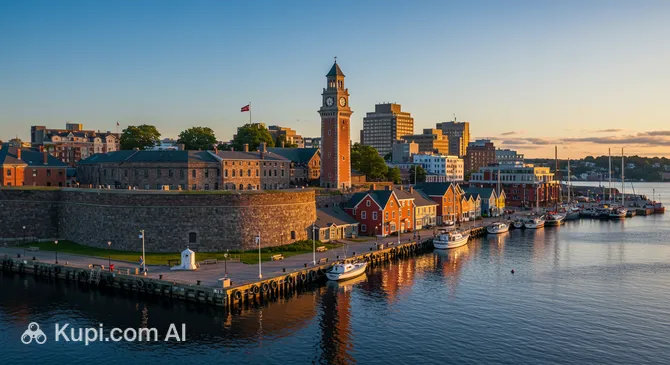
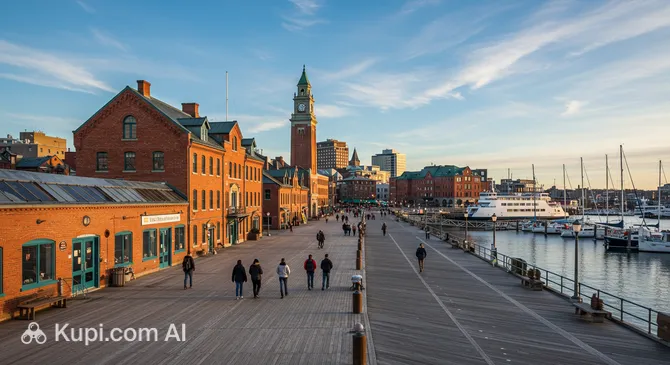
Welcome to Halifax, the vibrant capital of Nova Scotia and a bustling port city that perfectly blends historic charm with modern energy. Known for its friendly locals and stunning coastal scenery, this maritime hub serves as the cultural and economic heart of the Atlantic region. Whether you are strolling along the water's edge or exploring its hilly streets, the city offers a unique atmosphere that captivates visitors from around the world.
Located on the east coast of Canada, Halifax sits on one of the world's largest natural harbors. The city experiences a humid continental climate, with warm summers and relatively mild winters compared to inland areas, making it a pleasant destination year-round. With a population of approximately 403,000 people, it provides the amenities of a major urban center while maintaining a close-knit community feel.
Halifax. Illustration.
Source: Kupi.com AI
The history of Halifax is deeply intertwined with its strategic military importance and maritime heritage. Dominating the cityscape is the Halifax Citadel National Historic Site, a star-shaped fortress that offers commanding views of the harbor and a glimpse into the city's colonial past. Visitors can watch the daily firing of the noon gun, a tradition that has continued since the 19th century.
Beyond its fortifications, the city is famous for its lively Waterfront Boardwalk, one of the longest in the world. Here, you can find eclectic shops, delicious seafood restaurants, and the Maritime Museum of the Atlantic, which houses extensive exhibits on the Titanic disaster. Whether you are interested in naval history, fresh lobster, or simply soaking up the maritime vibes, Halifax invites you to discover its many treasures.
Weather Overview
The climate in Halifax is heavily influenced by the Atlantic Ocean, resulting in weather that is generally milder than in many inland Canadian cities. While the seasons are distinct, the ocean breeze often moderates extreme temperatures. To help plan your packing list, you can view the detailed weather in Halifax guide.
Winters are cold but manageable, with average temperatures in January and February hovering around -2.5°C and lows occasionally dipping to -6.6°C. In contrast, summers are delightfully warm and ideal for outdoor activities. July and August are the hottest months, featuring average temperatures of approximately 20°C and daily highs reaching up to 23.5°C.
Precipitation is a regular occurrence throughout the year, so it is wise to carry an umbrella or a waterproof jacket. You can expect about 9 to 13 wet days per month, with rain or snow spread relatively evenly across the seasons. The most pleasant conditions for sightseeing typically occur from June through September, when the city is warmest and most vibrant.
Average monthly temperature
Average monthly precipitation
Interesting Facts
Beyond the main attractions, Halifax holds many fascinating secrets and historical quirks that surprise even seasoned travelers. From unique rental agreements to culinary inventions, the city's backstory is as colorful as its painted Victorian houses.
Point Pleasant Park. Illustration.
Source: Kupi.com AI
Traveler photos:
One of the city's most beloved green spaces, Point Pleasant Park, operates under a highly unusual lease. The city rents this expansive 75-hectare site from the British government for the ceremonial sum of just one shilling (approximately 10 cents) per year, a designated arrangement set to last for 999 years.
Food history enthusiasts will be interested to know that the Halifax Seaport Farmers' Market is the oldest continuously operating farmers' market in North America. It was established by a Royal Proclamation in 1750, just a year after the city itself was founded.
Halifax is home to Canada's oldest urban park, the Halifax Common. Designated in 1763, this public space was granted to the citizens for "pasturage" long before the country of Canada was officially formed, and it remains a central recreational hub today.
The city has its own official food, the Halifax Donair, which was invented here in the 1970s. Distinct from the traditional Turkish döner kebab, this local version features spiced ground beef and a unique sweet sauce made from condensed milk, vinegar, garlic, and sugar.
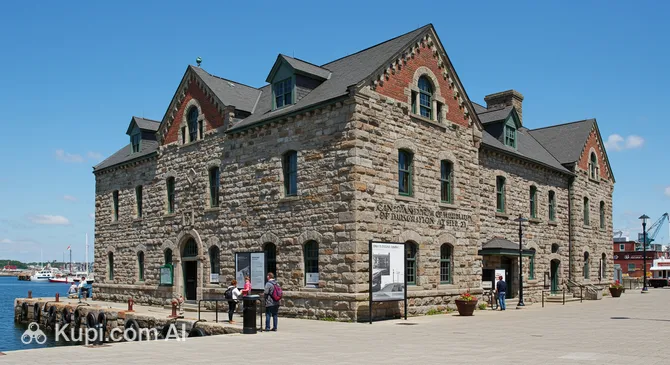
Often referred to as the "Ellis Island of Canada," the Canadian Museum of Immigration at Pier 21 marks the historic gateway where over one million immigrants arrived between 1928 and 1971, shaping the multicultural fabric of the entire nation.
How to Get There
Reaching this maritime capital is convenient thanks to its status as a major transportation hub in Atlantic Canada. Whether you are arriving by air, rail, or road, there are several options to suit your travel plans. For a comprehensive overview of all routes and transport modes, you can read more about how to get to Halifax on our detailed page.
The primary gateway for air travelers is Halifax Stanfield International Airport (IATA: YHZ). This large international airport connects the province to major cities across North America and Europe. It is located approximately 27 km from the city center. A taxi ride to downtown typically takes 30 to 40 minutes, while the airport shuttle bus service takes approximately 60 minutes. As the busiest airport in the region, it offers a wide range of services and amenities for arriving passengers.
Alternatively, travelers can fly into Greater Moncton International Airport (IATA: YQM), located in the city of Moncton. However, it is important to note that this airport is situated about 184 km away from Halifax. Reaching the city from Moncton requires a ground transfer; the drive typically takes approximately 2 to 2.5 hours. This option is generally used when direct flights to Nova Scotia are unavailable.
For clarity, here is a summary of the main airports in the region:
For those preferring rail travel, the city is well-served by the Halifax Railway Station (IATA: XDG). Conveniently located just 2.3 km from the heart of the city, it serves as the eastern terminus for cross-country train services. The short trip from the station to downtown hotels takes only about 5 to 10 minutes by taxi. Another regional option is the Moncton Railway Station in Moncton, though it is roughly 185 km away, requiring a connecting journey of approximately 2 to 2.5 hours by car.
Dominating the downtown skyline, the Halifax Citadel National Historic Site is a testament to the city's military past. This impressive star-shaped fortress sits atop a hill, offering sweeping panoramic views of the harbor and the streets below. Visitors can step back into the Victorian era by watching the 78th Highlanders perform sentry duties and the daily firing of the noon gun. It is an immersive history lesson that allows you to explore defensive ditches, musketry galleries, and period rooms.
Halifax Citadel National Historic Site. Illustration.
Source: Kupi.com AI
Traveler photos:
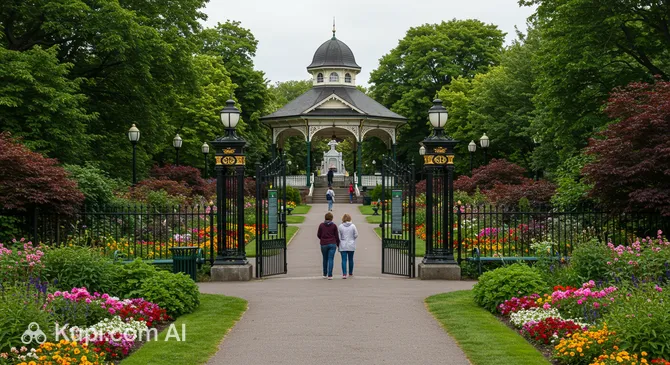
For a serene escape into nature without leaving the city, the Halifax Public Gardens are a true gem. These Victorian-style gardens, enclosed by ornate wrought-iron gates, have been welcoming guests since the mid-19th century. The grounds feature meticulously manicured flower beds, exotic trees, and statuesque fountains. It is a favorite spot for locals and tourists alike to enjoy a quiet walk, admire the vibrant floral displays, or listen to summer concerts at the bandstand.
Halifax Public Gardens. Illustration.
Source: Kupi.com AI
Traveler photos:
Located right at the water's edge, the Maritime Museum of the Atlantic is the oldest and largest maritime museum in Canada. It offers a deep dive into Nova Scotia's seafaring heritage, featuring extensive exhibits on the Titanic disaster and the catastrophic Halifax Explosion of 1917. With a vast collection of small craft, ship models, and naval artifacts, the museum provides a poignant and fascinating look at the events that shaped the city.
The heart of the city's social life is undoubtedly the Halifax Waterfront. This bustling boardwalk stretches along the harbor, connecting historic properties with modern shops, restaurants, and public art installations. It is the perfect place to soak up the maritime atmosphere, watch ships navigate the harbor, or catch a ferry to Dartmouth. The area is always alive with energy, hosting buskers, festivals, and curious travelers enjoying the fresh sea breeze.
Art enthusiasts should not miss the Art Gallery of Nova Scotia, which serves as the premier art museum for the Atlantic provinces. Housed in a historic building, the gallery showcases a diverse collection of visual arts, including the renowned folk art of Maud Lewis. Her tiny, painted house is permanently installed inside the gallery, offering a unique and touching glimpse into the life of one of Canada's most beloved folk artists.
Local Cuisine
The culinary landscape of Halifax is inextricably linked to the Atlantic Ocean, making it a paradise for seafood lovers. Freshness is the cornerstone of the local diet, with catches often moving from the fishing boats to the plate within hours. The city's dining scene ranges from upscale waterfront establishments to cozy, historic pubs, offering a blend of traditional maritime flavors and modern gastronomic innovation.
No visit to the city is complete without indulging in its world-famous lobster. Whether served whole with drawn butter, mixed into a creamy chowder, or piled high on a toasted bun as a lobster roll, this crustacean is a staple of the local diet. In addition to lobster, you should try the succulent Digby scallops, known for their size and sweetness, and the fresh Atlantic oysters available at many raw bars throughout the downtown area.
For a truly unique local experience, you must try the Halifax Donair. Officially declared the city's official food, this late-night favorite consists of spiced ground beef shaved from a spit, served on a warm pita with tomatoes and onions. What sets it apart is the signature "donair sauce"—a sweet and tangy concoction made from condensed milk, vinegar, sugar, and garlic. It is a messy, delicious rite of passage for any visitor.
The city also boasts a vibrant drinking culture. Nova Scotia's cool climate is perfect for producing crisp white wines, and the region's signature appellation, Tidal Bay, is a must-try. This aromatic white wine pairs perfectly with local seafood. Beer enthusiasts will feel right at home as well, as Halifax has a high concentration of craft breweries and historic pubs. You can enjoy a pint of locally brewed ale at venues like The Narrows Public House, which offers a cozy atmosphere reminiscent of the city's heritage.
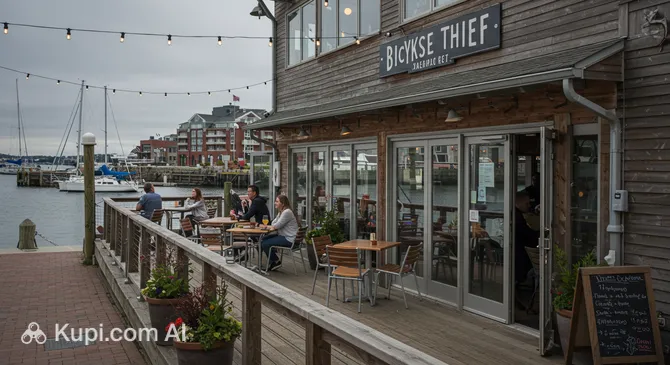
The Bicycle Thief. Illustration.
Source: Kupi.com AI
Traveler photos:
Dining in Halifax often comes with a view. The waterfront is lined with exceptional restaurants where you can enjoy fine dining while watching the harbor traffic. A popular spot for locals and tourists alike is The Bicycle Thief, known for its relaxed atmosphere and Italian-inspired seafood dishes. For those who prefer a more casual approach, the Halifax Seaport Farmers' Market offers a chance to sample artisanal cheeses, baked goods, and street food directly from local producers.
Travel Tips
To help you make the most of your visit to this friendly maritime city, we have compiled a list of essential practical advice. From navigating the hilly streets to understanding local customs, these tips will ensure your trip to Halifax is as smooth and enjoyable as possible.
Clothing and Gear: The weather in Nova Scotia can be unpredictable, often changing several times in a single day. It is best to pack layers that can be easily added or removed. A waterproof jacket and a sturdy umbrella are essential year-round due to frequent precipitation. Comfortable walking shoes are a must, as the downtown area is quite hilly and best explored on foot. For electronics, Canada uses the standard North American Type A and B plugs (120V), so bring an adapter if you are visiting from overseas.
Transportation: The city center is compact and walkable, but for longer distances, Halifax Transit operates an extensive network of buses and ferries. The ferry ride to Dartmouth is not only practical but offers the best views of the skyline for the price of a standard bus ticket. Taxis and ride-sharing apps like Uber are widely available. While you do not need a car to see the downtown highlights, renting one is highly recommended if you plan to visit nearby coastal attractions like Peggy's Cove.
Finances: The local currency is the Canadian Dollar (CAD). Credit and debit cards (Visa and Mastercard) are accepted almost everywhere, from restaurants to small souvenir shops. ATMs are plentiful throughout the city. Tipping is customary in Canada; expect to leave 15% to 20% of the bill at restaurants and bars, and a small amount for taxi drivers and hotel staff.
Health and Safety: Halifax is generally a very safe city for tourists, even at night in popular areas. Pharmacies like Shoppers Drug Mart are easy to find, and some locations offer extended hours. In case of any emergency, dial 911 for police, fire, or ambulance services. If you require non-emergency medical attention, walk-in clinics are available, but ensure you have comprehensive travel insurance.
Communication: English is the primary language spoken in Halifax. While Canada is officially bilingual, you will hear French less frequently here than in New Brunswick or Quebec, though federal services are available in both languages. Free Wi-Fi is commonly found in hotels, cafes, and public spaces like the waterfront. For mobile data, you can purchase a prepaid SIM card or an eSIM from major providers.
Local Etiquette: Haligonians are known for their warmth and hospitality. It is polite to greet shopkeepers and service staff, and it is a common local custom to say "thank you" to the bus driver when exiting. Queueing is taken seriously; always wait your turn in line at bus stops and counters. If you are invited to someone's home, removing your shoes at the door is the standard practice.
What to Avoid: Do not underestimate the strength of the sun and the wind near the ocean; even on cool days, sunburn can happen quickly. Additionally, avoid making negative comments about the local "donair" sauce; locals are fiercely proud of their unique culinary invention, even if the sweet-garlic flavor profile is an acquired taste for some visitors.
Daily Tradition: Be prepared for the Noon Gun! Every day at exactly 12:00 PM, a cannon is fired from Citadel Hill. It is a harmless tradition that has continued for over a century, but the loud boom often startles unaware tourists walking downtown, so check your watch if you hear a sudden explosion around lunchtime.
With these practical tips in hand, you are ready to dive into the culture and history of Nova Scotia's capital. Embrace the maritime spirit, enjoy the fresh sea air, and let the charm of Halifax create unforgettable memories for your journey.
Entertainment & Nightlife
As the sun sets over the harbor, Halifax transforms into a lively hub of entertainment and music. Famous for having one of the highest concentrations of pubs per capita in North America, the city's nightlife is legendary for its hospitality and "East Coast Kitchen Party" atmosphere. Whether you are looking for a quiet pint of craft beer, a thumping dance floor, or live Celtic tunes, the downtown core offers a vibrant mix of venues that cater to every taste.
The epicenter of the city's nightlife is undoubtedly the Argyle Street entertainment district. This pedestrian-friendly zone is lined with historic buildings that now house bustling bars, patios, and restaurants. During the warmer months, the energy spills out onto the street, creating a festive environment where locals and tourists mingle. Just a short walk away, the waterfront offers a more relaxed setting for evening cocktails with stunning views of the Atlantic.
For those seeking a traditional maritime pub experience, The Narrows Public House is a fantastic choice. It captures the essence of a classic tavern with its cozy interior and selection of local ales, making it a perfect spot to unwind and chat with friendly locals. If you prefer a more open and casual setting, the Robie Street Taproom & Beer Garden offers a great atmosphere to enjoy a cold drink, especially on pleasant evenings.
Robie Street Taproom & Beer Garden. Illustration.
Source: Kupi.com AI
Traveler photos:
If you are in the mood for dancing or a more high-energy night out, the city has several options. Venues like Downtown Village Halifax cater to the late-night crowd looking to enjoy music and a vibrant social scene. For larger scale entertainment, such as concerts and major events, the Halifax Arena often hosts national and international acts, drawing crowds from across the province.
The atmosphere in Halifax is generally casual and unpretentious. While some upscale clubs may have a dress code, most bars and pubs welcome patrons in jeans and casual wear. The legal drinking age in Nova Scotia is 19, and you should always carry a valid photo ID. Bars typically stay open until 2:00 AM, with some dance clubs operating slightly later. Prices are reasonable compared to larger cities, with a pint of beer costing between $7 and $10 CAD.
Regarding safety, the downtown entertainment district is well-lit and generally safe for walking at night. However, as with any city, it is wise to stay in populated areas. Getting around after dark is easy; taxis are plentiful, and ride-sharing services like Uber are widely available. If you are staying in the downtown area, most venues are within comfortable walking distance of major hotels.
Beyond the nightlife, Halifax offers a variety of daytime entertainment options. Cultural enthusiasts can explore local theaters for live performances or visit the city's numerous art galleries. Families and thrill-seekers might enjoy the seasonal amusement rides often found near the waterfront or special events at the local fairgrounds, ensuring there is plenty to do before the sun goes down.
Parks & Museums
Halifax is a city that seamlessly integrates urban living with the raw beauty of the Atlantic coast, offering residents and visitors alike an abundance of green spaces and rich cultural institutions. From historic fortifications turned into grassy lookouts to world-class museums that tell the story of a nation, the city's parks and galleries are essential stops for anyone looking to understand the true spirit of Nova Scotia.
One of the most significant natural retreats in the city is Point Pleasant Park. Located at the southern tip of the Halifax peninsula, this 75-hectare park features winding gravel paths, preserved military fortifications, and rugged coastlines perfect for a seaside walk. It is a favorite spot for locals to jog, walk their dogs, or simply sit on the rocks and watch the ships enter the harbor. The park's extensive trail system winds through a forest of spruce and pine, offering a peaceful escape from the downtown bustle.
For a mix of history and scenic beauty, visitors should explore Sir Sandford Fleming Park, also known locally as "The Dingle." Situated on the Northwest Arm, this 95-acre park was donated to the city by Sir Sandford Fleming, the creator of Standard Time. Its centerpiece is the towering Dingle Tower, a bronze-capped granite monument that offers breathtaking views of the water and the surrounding area from its observation deck. The park also features walking trails, a sandy beach, and a wharf, making it an ideal location for a family picnic.
Sir Sandford Fleming Park. Illustration.
Source: Kupi.com AI
Traveler photos:
Delving into the cultural fabric of the country, the Canadian Museum of Immigration at Pier 21 is a must-visit institution. Often compared to Ellis Island in the United States, this national museum occupies the historic ocean liner terminal where over one million immigrants first set foot on Canadian soil. Through immersive exhibits, first-person accounts, and interactive displays, the museum powerfully recounts the journeys of those who crossed the ocean to start a new life, shaping the multicultural identity of modern Canada.
Canadian Museum of Immigration at Pier 21. Illustration.
Source: Kupi.com AI
Traveler photos:
Another key cultural venue is the Museum of Natural History. Conveniently located near the Citadel, this museum offers a fascinating look at Nova Scotia's natural wonders, from its geology and botany to the wildlife of the land and sea. Highlights include exhibits on the region's gold rush history, ancient fossils, and a deep dive into the heritage of the Mi'kmaq people. It is a fantastic place for visitors of all ages to learn about the environmental and cultural forces that have defined the province.
In terms of modern architectural landmarks, the Halifax Central Library has quickly become a cultural icon since its opening. Resembling a stack of glass books, this stunning building on Spring Garden Road is more than just a place to borrow books; it is a vibrant community hub hosting art installations, reading rooms, and a rooftop terrace with sweeping views of the city. It stands as a testament to the city's commitment to contemporary design and public engagement.
For an authentic local experience off the beaten path, head to Shubie Park in Dartmouth. Nestled along the historic Shubenacadie Canal, this park is a hidden gem for nature lovers, featuring a network of trails that follow the old canal locks. It is the perfect place to rent a kayak, feed the ducks, or enjoy a quiet morning walk surrounded by the history of 19th-century transportation.
Getting Around
Public transportation in Halifax is managed by Halifax Transit, which operates an efficient and integrated network of buses and ferries. Unlike many larger North American cities, there is no underground metro or tram system here. Instead, the city relies on a comprehensive bus service that covers the downtown peninsula, the surrounding mainland, and the Dartmouth area. The system is designed to be user-friendly, making it a reliable option for visitors looking to explore the city without a car.
A unique and beloved feature of the local transport network is the ferry service. As the oldest continuously operating saltwater ferry service in North America, it is more than just a way to cross the harbor; it is an experience in itself. The ferries connect the downtown waterfront with two terminals in Dartmouth: Alderney Landing and Woodside. Since the ferry is fully integrated into the public transit system, you can use the same tickets and passes as you would on the bus, allowing for seamless travel across the water while enjoying spectacular views of the skyline.
Paying for your ride is flexible and convenient. The most modern option for tourists is the HfxGO mobile app, which allows you to purchase tickets and passes directly on your smartphone. If you prefer physical media, you can buy paper tickets (sold in strips of ten) or monthly passes at authorized retailers, including many local pharmacies and grocery stores. Cash is also accepted on board buses and at ferry terminals, but you must have the exact change in coins, as drivers cannot provide change.
For those planning to use multiple vehicles, the system offers a generous transfer policy. If you pay with cash or a paper ticket, be sure to ask the driver for a transfer slip upon boarding. This slip is valid for 90 minutes and allows you to switch between buses and ferries without paying an additional fare. If you are using the mobile app, your digital ticket remains active for the same duration, making it easy to hop from a bus to a ferry for a lunch trip to Dartmouth.
Buses and ferries generally operate from early morning until late at night, though frequency decreases in the evenings and on weekends. It is advisable to check the schedule in advance using standard mapping apps or the official transit website. Most bus stops are marked with a sign and a route number. For getting to and from the airport, the dedicated MetroX bus (Route 320) offers an express service to the city center for a slightly higher fare than the standard local routes.
While public transit is excellent for the core areas, there are alternatives if you prefer more direct transport. Taxis are plentiful and can be hailed on the street or booked via phone. Ride-sharing services like Uber are also active and popular within the city. For short distances in the downtown area, the city is quite walkable, but be prepared for some steep hills. If you plan to venture to coastal villages or beaches outside the transit network's reach, renting a car is the most practical solution.
Accommodation
Finding the perfect place to stay in Halifax is easy, as the city offers a diverse range of accommodations to suit every budget and travel style. From historic properties that whisper tales of the past to sleek, modern high-rises with panoramic ocean views, the hospitality scene here is as welcoming as the locals. Since the city is a popular summer destination, it is highly recommended to book your room well in advance, particularly if you plan to visit during the peak tourist season from June to September.
For those who want to be in the center of the action, the downtown core is the most popular choice. Many of the city's premier hotels are located along the Halifax Waterfront, offering guests immediate access to the bustling boardwalk, top-tier seafood restaurants, and ferry terminals. Staying in this area means you can easily explore most major attractions on foot, waking up to the sound of seagulls and the sight of ships navigating the harbor.
Halifax Waterfront. Illustration.
Source: Kupi.com AI
Traveler photos:
If you are looking for a slightly different vibe or better value, consider staying across the harbor in Dartmouth, known as the "City of Lakes." This area is well-connected to downtown by a quick and scenic ferry ride, making it a convenient alternative. Travelers can find reliable chain hotels near the shopping hub of Dartmouth Crossing, or charming inns closer to the water near Alderney Landing. This side of the harbor often offers a quieter atmosphere while still keeping you close to the urban excitement.
Beyond traditional hotels, Halifax boasts a variety of unique lodging experiences. In the historic South End, you can find beautiful Victorian homes converted into cozy bed and breakfasts, providing a more intimate and personal stay. During the summer months, budget-conscious travelers and backpackers can also take advantage of the university dormitories that open to the public, offering affordable and central accommodations perfect for solo adventurers.
When choosing your location, consider your mode of transport. Downtown hotels often charge a premium for parking, so if you are driving, be sure to factor this into your budget. Conversely, the city's compact nature makes it ideal for those without a car, especially if you stay near the main transit corridors. No matter where you choose to rest your head, the famous Maritime hospitality ensures you will feel right at home.
Nearby Cities
For those looking to explore the surroundings, Halifax serves as an excellent base for day trips to several interesting nearby locations:
One of the most notable destinations within driving distance is Charlottetown, the capital of Prince Edward Island. Known as the "Birthplace of Confederation," this charming city offers a rich blend of history and coastal beauty. Visitors can explore the historic waterfront, stroll through Victoria Park, or enjoy the island's famous seafood. Although it requires a longer drive, crossing the Confederation Bridge makes for a memorable journey.
Located in the neighboring province of New Brunswick, Moncton is another fascinating option for an extended day trip. Known as the "Hub City," it is famous for the Tidal Bore on the Petitcodiac River, where the Bay of Fundy tides rush upstream. Nearby, the mysterious Magnetic Hill offers a fun optical illusion where cars appear to roll uphill, making it a hit with families and curious travelers alike.
For a destination closer to home within Nova Scotia, New Glasgow offers a glimpse into the region's industrial heritage and riverfront charm. Situated along the East River of Pictou, this town hosts vibrant festivals and offers pleasant walking trails, providing a relaxing change of pace from the bustling capital.
City
Population
Distance
Hatchet Lake
250
13 km
Chester
10 310
53 km
Bridgewater
8 532
80 km
Truro
12 826
83 km
Kentville
12 088
86 km
These nearby destinations offer a glimpse into the diverse culture and landscapes of the region, ranging from historic island capitals to dynamic urban hubs.
Shopping & Souvenirs
Shopping in Halifax offers a delightful mix of maritime charm and modern retail therapy. As the commercial hub of the Atlantic region, the city caters to all tastes, ranging from high-end fashion and popular international brands to unique local boutiques and artisanal crafts. Whether you are looking to update your wardrobe or find a one-of-a-kind keepsake, the city's diverse shopping landscape ensures a satisfying experience for every visitor.
The most famous retail destination in the downtown core is Spring Garden Road. Often referred to as the busiest shopping street east of Montreal, it is lined with a vibrant array of clothing stores, gift shops, and cozy cafes. Just a short walk away, the historic Barrington Street and the bustling waterfront area offer additional opportunities to browse through local goods while soaking in the city's architectural heritage. These districts are perfect for pedestrians who enjoy window shopping in a lively urban atmosphere.
For those who prefer a comprehensive indoor experience, the Halifax Shopping Centre is the premier destination. Located just outside the downtown peninsula, it stands as the largest multi-building shopping complex in Atlantic Canada, featuring over 170 stores including major fashion retailers and specialty shops. It is the go-to spot for serious shoppers looking for variety and convenience under one roof.
Halifax Shopping Centre. Illustration.
Source: Kupi.com AI
Traveler photos:
Across the harbor, Dartmouth Crossing offers a unique "big box" shopping experience with a village-style layout. This expansive outdoor center combines large department stores with smaller boutiques, restaurants, and entertainment facilities. It is an excellent place to spend an afternoon, with plenty of parking and pedestrian-friendly walkways that make navigating between stores easy and enjoyable.
No shopping trip to the city is complete without visiting the Halifax Seaport Farmers' Market. As the oldest continuously operating farmers' market in North America, it is a cultural landmark where you can buy directly from local artisans and producers. Here, you can find everything from handmade jewelry and wool products to fresh preserves and baked goods, making it the perfect place to discover the authentic flavors and crafts of Nova Scotia.
Halifax Seaport Farmers' Market. Illustration.
Source: Kupi.com AI
Traveler photos:
When searching for souvenirs, look for items that reflect the region's heritage. Nova Scotia tartan products, handcrafted pewter from local studios, and maple syrup treats are popular choices. The city is also known for its folk art and glassworks, which can often be found in the galleries and independent shops along the waterfront boardwalk. Bringing back a bag of locally roasted coffee or sea salt is another great way to share a taste of the East Coast.
Store opening hours in Halifax are generally from 9:30 AM to 6:00 PM on Mondays, Tuesdays, and Saturdays, with extended hours until 9:00 PM on Wednesdays, Thursdays, and Fridays. Sunday shopping is permitted, with most stores open from 12:00 PM to 5:00 PM. Major credit cards like Visa and Mastercard are widely accepted, and debit cards are the standard for cashless transactions, even for small purchases.
Visitors should be aware that the advertised shelf prices typically do not include sales tax. In Nova Scotia, a 15% Harmonized Sales Tax (HST) is added to the total at the checkout. While there is generally no tax refund system for tourists on goods purchased for personal use, the quality and uniqueness of the local products make shopping here a worthwhile investment.