Support

Churchill Falls

About

Churchill Falls is a fascinating destination that blends industrial grandeur with the raw beauty of the subarctic wilderness. Located in the heart of the vast Labrador region, this unique community offers a travel experience unlike any other, characterized by its remote charm and engineering significance.
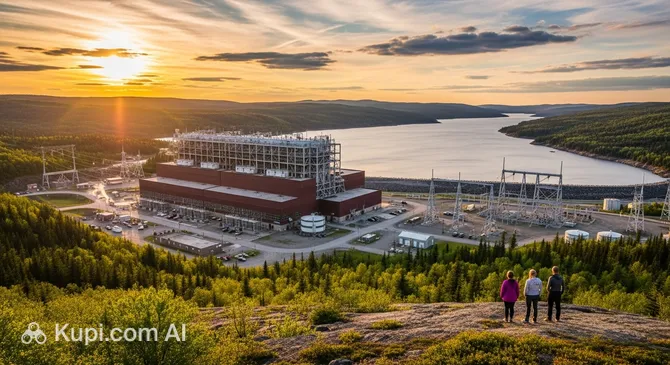
Churchill Falls. Source: Kupi.Binoculars

Situated in the province of Newfoundland and Labrador, the town is home to a tight-knit population of approximately 650 residents. It lies deep within the interior of eastern Canada, surrounded by endless spruce forests, pristine lakes, and the mighty Churchill River. The climate here is distinct, featuring snowy winters that transform the landscape into a white wonderland and mild summers perfect for outdoor exploration.

The town is most famous for the Churchill Falls Generating Station, one of the largest underground hydroelectric powerhouses in the world. This colossal facility is a marvel of modern engineering, carved out of solid rock hundreds of meters below the surface. To truly appreciate the scale of this achievement and the development of the community, it is worth reading about the history of Churchill Falls, which details the ambitious project that put this remote location on the map.

Nature lovers will find plenty to admire here as well. A visit to the nearby Bowdoin Canyon offers spectacular views of the river rushing through a jagged gorge, showcasing the power of nature alongside the power of man. Whether you are interested in industrial tourism or seeking solitude in the great outdoors, Churchill Falls welcomes you to discover its quiet strength and scenic beauty.

Weather Overview

The climate in this region is subarctic, characterized by significant contrasts between the seasons. Winters are long and frigid, with January and February seeing average temperatures dip to around -19°C and minimums reaching -23.5°C. In contrast, the brief summer season offers mild and comfortable conditions, particularly in July, when the average temperature rises to 15.1°C and daily highs can reach 19°C.

Precipitation is a frequent occurrence throughout the year, with the summer months experiencing the highest number of wet days. Expect mild summers with regular rainfall and cold winters with consistent snow cover. For a more comprehensive look at what to expect during your visit, you can consult the detailed report on the weather in Churchill Falls.

Interesting Facts

Beyond its reputation as an industrial powerhouse, Churchill Falls hides several fascinating details that surprise many visitors. From its unique urban design to the sheer scale of its engineering, there is much more to this remote community than meets the eye.
  • The town is famous for its "indoor living" concept centered around the Donald Gordon Centre. This massive complex houses the school, grocery store, hotel, restaurant, and recreational facilities like a swimming pool and curling rink all under one roof, allowing residents to go about their daily lives without stepping out into the harsh winter cold.

  • The hydroelectric generating station, which is the reason for the town's existence, is not visible from the surface. It is located inside a colossal chamber carved out of solid granite 300 meters underground. This subterranean powerhouse is effectively an 11-story building buried deep within the earth.

  • Ironically, the actual waterfalls that gave the town its name are often reduced to a trickle. The water from the Churchill River is diverted to the turbines to generate electricity, meaning the "falls" are usually dry unless excess water is released, briefly restoring them to their historic thunderous flow.

  • The Smallwood Reservoir, created to power the station, is a marvel of engineering in itself. It is one of the largest freshwater reservoirs in the world and is contained not by a single dam, but by a series of 88 separate dykes stretching over hundreds of kilometers.

How to Get There

Reaching the remote community of Churchill Falls requires some planning, as it is situated deep within the Labrador wilderness. While the journey offers spectacular views of the Canadian Shield, visitors should be prepared for the distances involved. For detailed routes and travel advice, you can read more about how to get to Churchill Falls to ensure a smooth trip.

The town is accessible by air through Churchill Falls Airport (ZUM), which handles scheduled flights connecting to other parts of the province. This is the most direct way to arrive, allowing visitors to land right at the doorstep of the community. However, flight schedules can vary, so it is advisable to check availability in advance.

Many travelers also choose to fly into larger regional hubs and complete the journey by car along the scenic Trans-Labrador Highway. Wabush Airport (YWK) is a common entry point located approximately 203 km west of Churchill Falls. Alternatively, Goose Bay Airport (YYR) in Happy Valley-Goose Bay serves as a major hub about 240 km to the east. The drive from either of these airports typically takes between 3 to 4 hours, depending on weather and road conditions.

For clarity, here is a summary of the main airports in the region:

Airport Name City Passenger Traffic Km from City
Goose Bay Airport Happy Valley-Goose Bay Medium 239.7
Wabush Airport Wabush Small 202.6
Schefferville Airport Schefferville Small 231.3

Main Attractions

While Churchill Falls is small in population, its significance and location offer unique sights that blend colossal engineering with the untamed wilderness of Labrador. Visitors here are typically drawn by the desire to witness the massive industrial achievements or to immerse themselves in the quiet solitude of the subarctic landscape. Here are the main places to explore during your stay.

The crown jewel of the area is undoubtedly the Churchill Falls Generating Station. This engineering marvel is one of the largest underground powerhouses in the world, carved 300 meters beneath the surface of the Canadian Shield. For tourists, the sheer scale of the facility is mind-boggling; the machine hall alone is large enough to fit an 11-story building. Visiting this site offers a rare glimpse into the ingenuity required to harness the power of a mighty river, making it a bucket-list destination for industrial tourism enthusiasts.

For a spectacular outdoor experience, the Bowdoin Canyon Nature Trail is a must-visit. This trail leads hikers to the edge of a jagged gorge where the Churchill River historically thundered through. Although the water is now diverted for power generation, the canyon remains a dramatic sight with its steep, rocky cliffs and rugged terrain. It is an excellent spot for photographers and nature lovers to appreciate the raw geological beauty of the region without the noise of the modern world.

A tour of the town itself reveals the unique Donald Gordon Centre. This complex is the heart of the community and a fascinating example of architecture adapted to a harsh climate. Almost all essential services—including the school, grocery store, hotel, and recreational facilities—are housed under this single roof. Walking through the centre gives visitors a sense of the town's tight-knit community spirit and the practical solutions developed to ensure comfortable living during the long, cold winters.

Just outside the town limits, the Smallwood Reservoir offers a different kind of grandeur. As one of the largest freshwater reservoirs in the world, created by a series of 88 dykes, it resembles a vast inland sea. It is a prime location for anglers and boaters looking to explore the pristine waters. The surrounding shoreline is backed by endless spruce forests, providing a serene setting for picnics and wildlife observation, where you might spot caribou or black bears in their natural habitat.

Local Cuisine

The culinary scene in Churchill Falls is defined by its remote location and its nature as a tight-knit company town. You will not find a wide array of fine dining establishments or diverse international street food here. Instead, the local food culture revolves around hearty, home-style cooking designed to fuel residents and workers through the long, cold winters. The dining experience is less about gastronomic experimentation and more about comfort, warmth, and community.

Visitors can expect to find classic Canadian staples that provide plenty of energy. Poutine—crispy fries topped with cheese curds and rich gravy—is a popular choice, serving as the ultimate comfort food. Given the town's location in Newfoundland and Labrador, there is also a strong affinity for traditional East Coast fare. Fish and chips, typically made with cod, is a common favorite, often served with dressing and gravy, a regional twist that surprises many first-time visitors.

While restaurants are scarce, the region's natural bounty influences the local diet, particularly for those who spend time outdoors. In late summer and early fall, the surrounding wilderness is abundant with berries. Bakeapples (cloudberries) and blueberries are harvested by locals and often transformed into jams, desserts, or sweet sauces. Freshly caught fish, such as brook trout and landlocked salmon from the nearby lakes and reservoirs, are also prized delicacies, though they are more likely to be enjoyed at a shore lunch or a home-cooked meal than on a commercial menu.

Dining out in Churchill Falls is a centralized affair, primarily taking place within the Donald Gordon Centre. This complex serves as the town's social hub, housing the main restaurant and hotel dining facilities. Here, locals and tourists mingle in a casual atmosphere. There is also a small grocery store within the complex for those preferring to prepare their own meals. For a drink, the local lounge offers a place to unwind with a cold beer or a hot coffee, fostering the friendly, communal spirit that keeps this isolated town connected.

Travel Tips

Welcome to Churchill Falls, a unique company town set deep within the rugged wilderness of Labrador. To help you navigate this remote community and its subarctic environment safely and comfortably, here is a set of practical tips designed for the adventurous traveler.

  1. Dress for the Wilderness. The weather here dictates your wardrobe. If you visit in winter, you need heavy-duty thermal gear, a parka, insulated boots, and windproof layers to withstand temperatures that plummet well below freezing. In summer, the weather is milder, but you must pack insect repellent and a bug jacket; the black flies and mosquitoes in the Labrador interior can be intense. Waterproof hiking shoes are also essential for exploring the trails.

  2. Transportation Realities. Within the town itself, you won't find public transport like buses or metros, nor are there ride-hailing apps like Uber. Most of the town's core services are accessible on foot within the Donald Gordon Centre. However, to explore the surrounding nature or arrive via the Trans-Labrador Highway, a reliable vehicle—preferably with 4-wheel drive—is indispensable. Always keep your gas tank full, as fuel stations are few and far between in this region.

  3. Financial Preparedness. The local currency is the Canadian Dollar (CAD). While credit and debit cards are generally accepted at the main hotel, grocery store, and restaurant, it is highly recommended to carry some cash. In remote areas, telecommunications can occasionally be spotty, potentially affecting card terminals. There is limited banking infrastructure, so withdraw cash before leaving larger hubs like Goose Bay or Wabush.

  4. Health and Safety. The town has a local clinic for basic medical needs, but serious emergencies may require air evacuation to a larger hospital. Ensure your travel insurance covers this. Additionally, be "bear aware" if you venture outside the town limits; black bears are common in the area. Always carry a basic first-aid kit and keep a safe distance from all wildlife.

  5. Stay Connected. English is the primary language spoken in Churchill Falls. Mobile coverage is generally good within the town limits (providers like Bell and Telus usually work best), but expect long stretches of dead zones on the highway leading to the town. It is smart to download offline maps and let someone know your travel itinerary before you set out on the road.

  6. Community Etiquette. Churchill Falls is a small, tight-knit community where everyone knows everyone. It is polite to greet people you pass in the corridors of the town centre. Since much of the town lives and works indoors, respecting noise levels and privacy in shared public spaces like the Donald Gordon Centre is important. Locals are generally very friendly and happy to share stories about life in the "big building."

  7. What to Avoid. Do not underestimate the isolation of the Trans-Labrador Highway. Avoid driving at night if possible, as the risk of colliding with a moose is significantly higher, and emergency assistance can be hours away. Also, avoid venturing off marked trails without a guide or proper GPS equipment, as the dense spruce forests can be disorienting.

  8. Stock Up Early. The town has a grocery store, but the selection can be limited compared to major cities, and prices may be higher due to transportation costs. If you have specific dietary requirements or need specialized equipment (like camera batteries or specific camping gear), it is best to buy these items in a larger city before you arrive.

By keeping these tips in mind, you will be well-prepared to enjoy the stark beauty and engineering marvels of Churchill Falls. Embrace the quiet solitude of the North, and you are sure to have an unforgettable journey into the heart of Labrador.

Entertainment & Nightlife

Nightlife in Churchill Falls is a unique experience defined by the town's isolation and its tight-knit community spirit. You will not find bustling nightclub districts, neon-lit strips, or raucous dance floors here. Instead, the evening entertainment scene is warm, low-key, and centered entirely around socializing with locals in a cozy, relaxed atmosphere. The "nightlife" is less about partying until dawn and more about unwinding after a shift, sharing stories, and enjoying the camaraderie that comes with living in the subarctic wilderness.

The epicenter of all activity—day or night—is the Donald Gordon Centre. In a town where winter temperatures can drop drastically, this massive complex serves as the "downtown" district, fully enclosed under one roof. It is the social heartbeat of Churchill Falls. Residents and visitors alike gather here, making it the de facto entertainment hub where you can transition from dining to drinks without ever stepping out into the cold. The atmosphere is incredibly welcoming, resembling a large community living room rather than a commercial entertainment zone.

For those looking to enjoy a drink and a meal, the Midway Restaurant and Lounge, located within the Churchill Falls Hotel inside the centre, is the primary venue. This is where the town comes together. The lounge offers a classic pub-style setting where you can enjoy a cold beer, watch a game on TV, or play a round of pool. It is the best place to meet locals and hear firsthand accounts of life in Labrador. Occasionally, community events or dances are held in the town's recreational halls, which serve as the closest equivalent to a "club" atmosphere during special holidays.

The vibe is distinctly casual and unpretentious. There is no dress code; jeans, flannel, and even work boots are the standard attire. The crowd is a mix of Hydro workers, support staff, and the occasional traveler passing through on the Trans-Labrador Highway. Prices are reasonable and comparable to other remote Canadian communities, though slightly higher than urban centers due to transportation costs. The best time to visit the lounge is on Friday or Saturday evenings when the atmosphere is liveliest.

Practicalities here are simple. There are no taxis or ride-sharing services like Uber in Churchill Falls. However, because the hotel, restaurant, and bar are all located within the same complex as most residential areas, "getting home" often just means walking down a heated corridor. The area is exceptionally safe for walking, even late at night. The biggest safety concern is not crime, but wildlife; if you step outside the complex for fresh air, be aware that black bears or foxes can wander near the town, even in the evening.

During the day, entertainment shifts towards active and community-based pursuits. The Donald Gordon Centre houses excellent recreational facilities, including a swimming pool, a curling rink, and a library, which are popular spots for spending free time. For those preferring cultural or outdoor activities, daytime hours are best spent exploring the local history at the town's exhibit panels or planning a trip to see the scenic Bowdoin Canyon before the sun sets.

Parks & Museums

In Churchill Falls, the concept of "parks" and "museums" takes on a different meaning compared to a typical city. Here, the entire surrounding wilderness serves as a boundless natural park, while the town itself stands as a living monument to mid-20th-century industrial history. Instead of manicured botanical gardens or sprawling art galleries, visitors will find raw, untouched landscapes and engineering feats that tell the story of this unique community.

For nature enthusiasts, the Bowdoin Canyon Nature Trail is the premier outdoor destination. This natural area offers a well-maintained path leading to the edge of the dramatic gorge carved by the Churchill River. While the water flow is often diverted for power generation, the sheer vertical cliffs and rugged geology remain an awe-inspiring sight. It serves as a perfect spot for hiking, photography, and witnessing the scale of the landscape that defines the Labrador interior.

Just a short distance from the town, Midway Lake functions as the community's recreational playground and summer retreat. While not a municipal park in the traditional sense, it is the local hub for outdoor leisure, featuring cottages and access to the water for boating and fishing. In the winter, the area transforms into a prime location for snowmobiling and ice fishing, offering visitors a chance to experience how locals embrace the subarctic seasons.

Culturally, the town is dominated by the history of the Churchill Falls Generating Station. While there is no standalone national museum, the generating station itself offers tours that act as a journey through engineering history. Visitors can descend deep underground to view the massive turbines and learn about the colossal effort required to build this facility in the 1960s. The site often features displays and photographic exhibits detailing the construction era, providing a fascinating glimpse into the town's raison d'être.

The Donald Gordon Centre also serves as a cultural landmark. As the central hub where most community life takes place, its corridors are lined with the history of the town's development. Walking through the complex offers an authentic look at the "company town" culture, where architecture was designed specifically to combat the harsh climate. It is a living exhibit of human adaptation in the North, showcasing the resilience and community spirit of the residents.

For a truly authentic experience, look up at the night sky. The lack of light pollution around Churchill Falls makes the entire area a natural observatory. On clear nights, especially from autumn to spring, the Aurora Borealis (Northern Lights) often dances overhead, turning the dark wilderness into a spectacular, moving art gallery that rivals any man-made exhibition.

Getting Around

Unlike typical tourist destinations, Churchill Falls does not possess a public transportation system. Due to its small population and compact layout, there are no subways, trams, city buses, or scheduled shuttles operating within the community. The infrastructure is designed to be highly centralized, making large-scale transit networks unnecessary for daily life.

Since there is no public transit, there are no tickets, travel cards, or passes to purchase. Visitors do not need to worry about understanding fare zones, locating validation machines, or downloading transport apps. The logistics of moving around the town are simple and do not require any financial planning regarding commute costs.

The most distinctive feature of local mobility is the town's "indoor living" design. The community is centered around the Donald Gordon Centre, a massive complex that connects the hotel, school, grocery store, and recreational facilities under one roof. For tourists, this means that "commuting" often involves walking through heated corridors rather than waiting at a bus stop. Practical advice for visitors includes bringing comfortable indoor shoes for navigating the complex, as you can access almost all essential services without ever stepping outside into the cold.

For those wishing to explore beyond the immediate town center, such as visiting the nearby nature trails or the reservoir, a private vehicle is absolutely essential. There are no local taxi fleets, and ride-sharing apps are not available in this remote region. It is important to note that car rental agencies are not located within the town itself; visitors typically rent vehicles at the regional airports where they arrive before driving to Churchill Falls.

In the summer months, the residential streets are quiet and safe, making cycling a viable option for getting around, though there are no commercial bike rental stations. Ultimately, navigation in Churchill Falls relies on walking for local amenities and driving a private car for any excursions into the surrounding wilderness.

Accommodation

Finding accommodation in Churchill Falls is a straightforward affair, reflecting the town's unique status as a planned community designed for the hydroelectric station's workforce. Unlike typical tourist destinations with a wide array of hostels, luxury resorts, or vacation rentals, the options here are very limited and functional. The accommodation scene is centralized, practical, and deeply integrated into the daily life of the residents.

The primary area for visitors to stay is within the Donald Gordon Centre. This massive complex is the heart of the town, and staying here offers the distinct advantage of "indoor living." Guests have immediate access to the restaurant, grocery store, and recreational facilities without ever needing to step outside into the potentially harsh elements. This convenience makes it the most popular—and essentially the only—hub for short-term travelers.

The main establishment serving visitors is the Churchill Falls Hotel (often referred to locally in conjunction with the Midway Inn). Located directly inside the town centre complex, it offers standard, comfortable rooms that cater to both tourists and visiting contractors. The experience is akin to staying in a functional, mid-range hotel where the focus is on warmth and utility rather than opulence. Because it serves as the primary lodging for the entire area, it is the default choice for anyone passing through along the Trans-Labrador Highway.

Booking Tip: Due to the scarcity of rooms and the fact that the hotel frequently houses workers and business travelers associated with the hydroelectric plant, occupancy rates can be high. It is strongly recommended to book your room well in advance, especially during the summer travel season or if you are arriving late in the evening.

regarding costs, travelers should expect mid-range prices. Rates are generally consistent with the remoteness of the location, where logistical costs are higher. While some online travel platforms may list the property, calling the hotel directly is often the most reliable method to secure a reservation and confirm current availability in this isolated part of Labrador.

Nearby Cities

For those looking to explore the surroundings, Churchill Falls serves as an excellent base for journeys to several interesting nearby locations. While the distances in this vast region are significant, the connections provided by the Trans-Labrador Highway allow for travel to key regional hubs:
City Population Distance (km)
Sept Iles 28,534 404
Gaspe 15,163 524
Happy Valley-Goose Bay 8,000 243
Havre-Saint-Pierre 2,502 367
Wabush 2,000 204

Although the drive times in Labrador can be long, visiting neighboring towns offers a rewarding change of scenery. Wabush, located to the west, is an integral part of the "Labrador West" region alongside its twin community, Labrador City. This area is renowned for its massive iron ore mining operations, which shape both the local economy and the rugged industrial landscape. Beyond the mines, visitors can enjoy excellent outdoor amenities, including well-groomed cross-country ski trails and pristine lakes that are perfect for fishing.

Traveling east brings you to Happy Valley-Goose Bay, the central hub of Labrador. This town offers a unique blend of indigenous culture and military history, notably showcased at the local museums and heritage sites. As a larger service center, it provides more extensive shopping and dining options compared to the interior, making it a practical and interesting destination for a day trip or an overnight stay to experience the coastal influence of the region.

These nearby destinations offer a glimpse into the diverse culture and landscapes of the province, ranging from industrial mining centers to historic military and trading hubs.

Shopping & Souvenirs

Shopping in Churchill Falls is a unique experience defined by the town's remote location and its status as a planned industrial community. Visitors should not expect a bustling retail scene or high-end fashion boutiques. Instead, the shopping opportunities here are strictly functional, designed to cater to the essential needs of the 650 residents and the workforce. The experience is intimate and practical, offering a glimpse into the logistical realities of living in the heart of the Labrador wilderness.

The concept of a "shopping district" or "main street" does not exist in the traditional sense in Churchill Falls. There are no outdoor avenues lined with shops where tourists can stroll. The severe winter climate has dictated a different approach to urban planning, meaning that almost all commercial activity is centralized indoors. The "main area" for any purchase is the town center complex, which effectively replaces the need for a downtown commercial strip.

The Donald Gordon Centre serves as the community's mall, town square, and service hub all rolled into one. This massive complex houses the town's primary grocery and general merchandise store, which acts as a lifeline for the community. Here, you can find a surprising variety of goods ranging from fresh food and household supplies to outdoor gear and basic clothing. It functions like a compact department store, stocking items specifically curated for life in the subarctic.

Given the small population and the "company town" nature of the settlement, there are no permanent public markets, flea markets, or food bazaars. However, the tight-knit community spirit occasionally manifests in local craft fairs or bake sales, often held within the recreation areas of the Donald Gordon Centre during holidays or special community events. These temporary gatherings are where you might find homemade goods, but they are not a daily or weekly occurrence.

If you are looking for souvenirs, your options will be modest. The best keepsakes are often practical items that reflect the rugged environment, such as warm toques or mitts found at the general store. You may also find branded merchandise related to the Churchill Falls hydroelectric project or items featuring the flag and symbols of Newfoundland and Labrador. These small tokens serve as proof of your journey to one of Canada's most isolated communities.

Store hours in Churchill Falls are generally standard, typically running from 9:00 AM to 6:00 PM on weekdays and Saturdays, though the grocery store may have slightly longer hours to accommodate shift workers. Many services may be closed or have reduced hours on Sundays. As for payment, the Canadian Dollar (CAD) is the currency used. Major credit and debit cards are widely accepted at the main store and hotel, but it is always wise to carry some cash, as the remote location can occasionally lead to network interruptions.

Travelers should be aware that Canada levies a Goods and Services Tax (GST) or a Harmonized Sales Tax (HST) on most purchases. While some countries offer tax refund schemes for international visitors, Canada discontinued its general visitor tax rebate program several years ago. Therefore, tourists should not expect to claim VAT or GST refunds on their shopping expenses upon departure.

Reached the end of the page?

That means the route is fully explored