Support

Schefferville

About

Schefferville is a fascinating destination for travelers seeking an authentic off-the-beaten-path experience deep in the wilderness of Northern Quebec. Situated in the heart of the Quebec-Labrador Peninsula, this remote community offers a unique glimpse into life in the subarctic taiga. As a distinct outpost in Canada, it attracts adventurers drawn to its rugged beauty, vast landscapes, and the profound silence of the north.
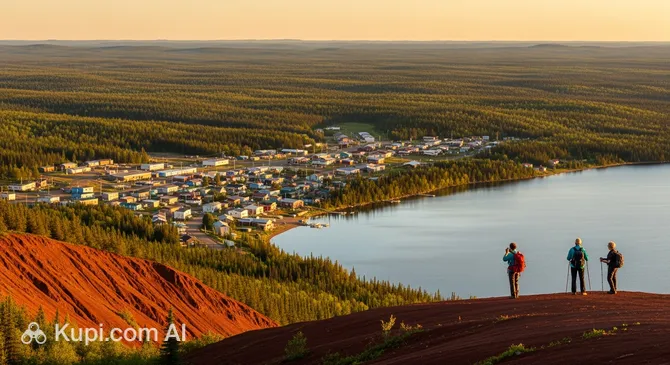
Schefferville. Source: Kupi.Binoculars

Geographically isolated, the town is not connected to the provincial road network, making the journey here an adventure in itself. With a modest population of approximately 200 residents, Schefferville is an intimate community where nature dominates the horizon. The climate is subarctic, characterized by long, snowy winters and short, mild summers, creating a dramatic backdrop for outdoor activities throughout the year.

The town was originally established in the mid-20th century to support massive iron ore mining operations. delving into the history of Schefferville reveals its transformation from a booming industrial hub to a quieter settlement that now serves as a gateway to the outdoors and a center for the local Innu and Naskapi First Nations. This rich cultural tapestry adds a layer of depth to any visit, offering opportunities to learn about the indigenous heritage of the region.

For tourists, the primary allure lies in the unparalleled fishing and hunting opportunities. The area is surrounded by hundreds of pristine lakes and rivers teeming with fish, particularly brook trout and lake trout. Additionally, the journey to Schefferville is often made via the Tshiuetin Rail Transportation, a passenger train that winds through breathtaking northern landscapes, widely considered one of the most scenic rail routes in the country.

If you are looking to disconnect from the hustle of modern city life and immerse yourself in the raw power of nature, Schefferville welcomes you. Whether you arrive for the world-class fishing or simply to witness the vastness of the northern shield, this unique town promises an unforgettable journey into the wild.

Weather Overview

Schefferville experiences a rigorous subarctic climate, defined by long, frigid winters and short, mild summers. Understanding the weather in Schefferville is essential for planning any trip to this remote northern outpost. The cold season dominates much of the year, with January and February serving as the peak of winter, where average temperatures plummet to around -21.5°C and daily minimums can dip as low as -25.7°C.

The transition to warmer weather is gradual. By May, the average temperature barely climbs above freezing to 0.8°C. Summer offers the most comfortable conditions for outdoor activities, particularly in July, which is the warmest month with average highs of 17.6°C. However, travelers should be prepared for frequent dampness; although total precipitation volume is generally low (around 4mm in peak summer), July and August see a high frequency of precipitation with up to 19 wet days per month.

Autumn arrives quickly, with temperatures dropping steadily from September's average of 8.1°C back into freezing territory by November. Overall, you can expect cool summers with frequent light rain and extremely cold, relatively dry winters.

Interesting Facts

Beyond the scenic wilderness and fishing lodges, Schefferville holds a history of resilience and unique cultural milestones that define its character. This remote outpost is not just a destination; it is a testament to survival and community in the Far North.

  • First Indigenous-Owned Railway: The lifeline of the community, the Tshiuetin Rail Transportation, holds a special place in Canadian history. It became the first railway in the country to be fully owned and operated by First Nations. The Naskapi, Innu of Matimekush-Lac John, and Innu Takuaikan Uashat mak Mani-Utenam acquired the line to ensure passenger service continued after mining companies sought to divest from it.

  • The Town That Refused to Close: In 1982, the Iron Ore Company of Canada ceased operations, causing the population to plummet from nearly 5,000 residents to just a few hundred almost overnight. While provincial authorities at the time discussed dismantling the municipality, the local Indigenous communities and a core group of determined residents refused to leave, successfully keeping the town on the map against all odds.

  • A Cultural Crossroads: Schefferville is one of the few places where the territories of the Innu and the Naskapi nations converge. Just a few kilometers from the town center lies Kawawachikamach, the only Naskapi community in Quebec. This proximity allows visitors to witness the distinct linguistic and cultural traditions of two different Indigenous peoples in one remote location.

How to Get There

Reaching this remote northern community is an adventure in itself, as the town is isolated from the main provincial road network. Visitors typically arrive by air or rail, traversing the vast wilderness of Quebec. You can find all ways to reach the city and plan your journey below.

The most convenient entry point is Schefferville Airport (IATA: YKL). Located just 2.3 km from the town center, it serves as the primary lifeline for residents and tourists alike. Flights here generally connect from larger hubs like Sept-Îles or Montreal. Upon arrival, the transfer to the town center is quick and easy; a taxi or shuttle ride typically takes around 5 to 10 minutes. With an annual passenger traffic of approximately 10,000 people, it is a small but essential regional facility.

Alternatively, travelers might consider Wabush Airport (IATA: YWK), located in the city of Wabush. It is situated about 211.8 km from Schefferville. However, it is important to note that there is no direct road connecting Wabush to Schefferville. This airport, which handles around 45,000 passengers annually, primarily serves the Labrador West region. Visitors landing here would typically need to transfer to the Tshiuetin rail line in nearby Labrador City to complete their journey north.

For clarity, here is a summary of the main airports:

Airport Name City Passenger Traffic Km from City
Wabush Airport Wabush Medium 211.8
Schefferville Airport Schefferville Small 2.3

Besides air travel, the only other way to reach Schefferville is by train. The Tshiuetin Rail Transportation offers a scenic passenger service connecting Sept-Îles, Emeril Junction (near Wabush), and Schefferville. This train ride is renowned for its breathtaking views of the northern landscape and is a popular choice for those looking to experience the rugged beauty of the region up close.

Main Attractions

While Schefferville is primarily known as a gateway to the immense wilderness of the North, the town and its surroundings offer several unique sites that reflect its rich industrial history and cultural diversity. From the remnants of the Cold War to the vibrant traditions of the Naskapi people, here are the key places to explore.

Kawawachikamach

Located approximately 15 kilometers from the town center, Kawawachikamach is the only Naskapi community in Quebec. A visit here offers a rare opportunity to immerse yourself in the culture and traditions of the Naskapi Nation. Tourists can learn about their semi-nomadic history, purchase authentic local arts and crafts, and experience the warm hospitality of the community. The area is also seeing new developments, making it a scenic spot for a cultural excursion.

The Iron Man Statue

Situated in the town center, this monument is a definitive tribute to the town's mining heritage. The "Iron Man" (L'Homme de fer) is a striking statue standing over six meters tall and weighing four tons. Created in 1957 using recycled mining parts, it symbolizes the strength and industrial roots of the community. The statue is a central gathering place and offers a fascinating artistic perspective on the heavy machinery that once drove the local economy.

Mont Dolly (Dolly Ridge)

For the best panoramic views of the region, hikers can head to Mont Dolly. At its summit, you will find the fascinating ruins of the RCAF Station Knob Lake, a former radar base that was part of the Mid-Canada Line during the Cold War. Today, it is a peaceful vantage point offering breathtaking sunsets and a sweeping look at the "Mars-like" red earth landscape left behind by the open-pit iron mines, contrasting sharply with the blue subarctic lakes.

The Guest House

This historic building is more than just a place to stay; it is a landmark steeped in local lore. Originally built to house VIPs for the Iron Ore Company of Canada, it famously hosted Queen Elizabeth II and Prince Philip during their royal tour in 1959. It is also known as the place where Maurice Duplessis, a significant figure in Quebec politics, passed away. History enthusiasts will appreciate the preserved architecture and the stories echoed within its walls.

Fishing and Hunting Expeditions

Although not a single "site," the network of outfitters surrounding Schefferville is the town's biggest draw. The region is encircled by hundreds of pristine lakes and rivers, such as Lac Knob and the Gilling River, which are legendary among anglers for their trophy-sized brook trout and lake trout. For the true adventurer, booking a guided excursion with a local outfitter is the best way to experience the raw, untouched beauty of the taiga that defines this remote destination.

Local Cuisine

The culinary scene in Schefferville is defined by its remote location and the abundance of the surrounding wilderness. You will not find fine dining establishments or international fast-food chains here; instead, the local cuisine focuses on hearty, home-style meals designed to fuel outdoor adventures. The food culture is deeply connected to the land, with a strong emphasis on locally sourced ingredients, particularly wild game and fish harvested from the pristine lakes and forests of the Côte-Nord region.

For visitors, the absolute highlight of dining in Schefferville is the fresh fish. With the area being a world-class fishing destination, Brook Trout and Lake Trout are staples of the local diet. These are often prepared simply—pan-fried with butter, herbs, and perhaps a touch of lemon—to let the natural flavor shine. Another must-try experience is the traditional "shore lunch," where fishing guides cook your morning catch over an open fire right on the riverbank, often accompanied by fried potatoes and beans. It is widely considered the freshest meal you can have in the north.

Indigenous influences from the neighboring Innu and Naskapi communities also shape the local palate. You should look for opportunities to try Bannock, a dense and comforting flatbread that has been a survival staple for centuries. It is delicious when served warm with jam made from local berries. Speaking of fruit, the subarctic tundra yields incredible Cloudberries (known locally as chicoutai) and wild blueberries in late summer. These tart, golden-orange berries are a rare delicacy often used in desserts, jams, or sauces.

Dining out options are limited to a few key spots, typically located within the town's hotels or the historic Guest House. These venues serve as the community's social hubs, offering a mix of Canadian comfort food—think steaks, burgers, and poutine—and daily specials. The atmosphere is casual and unpretentious, where locals and visitors mingle freely. For drinks, hot coffee and tea are the beverages of choice to combat the chill, while the local hotel bars offer a standard selection of Canadian beers and spirits, providing a warm place to swap stories after a long day in the wild.

Travel Tips

Visiting Schefferville is a true expedition into the heart of the Quebec-Labrador Peninsula, far removed from the conveniences of urban life. To ensure your adventure in this remote northern community is as smooth and enjoyable as possible, we have compiled a list of essential practicalities to keep in mind before you pack your bags.

  1. Clothing and Gear: The subarctic climate demands careful preparation. Even in summer, the weather can change rapidly, so the "onion principle" of dressing in layers is essential. Bring a waterproof windbreaker and sturdy, comfortable hiking boots for the rugged terrain. Crucially, if you are visiting in summer (June to August), pack high-quality insect repellent and a head net; the black flies and mosquitoes in the taiga can be intense. For winter visits, heavy-duty thermal parkas, insulated boots, and mittens are non-negotiable.

  2. Transportation: Forget about subways or ride-hailing apps here. Schefferville is a compact community, and the town center is easily navigable on foot. For transfers to the airport, train station, or nearby fishing spots, you will rely on local taxi services or shuttles provided by your lodge. There are no standard car rental agencies, so most visitors arrange all logistical transport as part of their accommodation or outfitter package.

  3. Finances: The local currency is the Canadian Dollar (CAD). While the main hotel and the general store typically accept credit and debit cards, cash is still very useful for smaller transactions or in case of system outages. ATM availability is limited and can be unreliable, so it is highly advisable to withdraw sufficient cash before you board the train or plane. Tipping follows standard Canadian norms: approximately 15-20% for servers and guides.

  4. Health and Safety: The town is served by a local health center (CLSC) that handles basic medical needs, but serious emergencies may require medical evacuation by air to a larger city. Ensure your travel insurance covers such transport. Bring a full supply of any personal prescription medications, as the local pharmacy stock may be limited compared to major cities. While the town is safe, always be "bear aware" when walking on the outskirts.

  5. Communication: French is the primary language of the region, though English is widely understood by outfitters and those working in tourism. You will also hear Innu-aimun and Naskapi spoken by the local Indigenous communities. Mobile network coverage is generally available within the town limits (major national carriers usually work best) but expect the signal to disappear quickly once you head into the wilderness. Wi-Fi is available in most lodgings but may be slower than you are used to.

  6. Local Etiquette: The atmosphere in Schefferville is warm, informal, and community-focused. A friendly "Bonjour" (Hello) is the standard greeting for everyone you meet. When interacting with residents from the Innu and Naskapi First Nations, show respect for their culture and traditions. It is polite to ask for permission before taking close-up photographs of people or their private property.

  7. What to Avoid: Do not venture into the deep wilderness alone without informing someone of your plans or hiring a guide. The landscape is vast and unforgiving, making it easy to get disoriented. Additionally, never leave food or trash unsecured outdoors, as this can attract wild animals and create safety hazards for both you and the community.

  8. Supply Planning: Since almost all goods are flown or transported by train into Schefferville, prices for groceries and toiletries can be significantly higher than in southern cities. A practical tip is to pack your specific toiletries, extra batteries, and favorite snacks from home. This not only saves money but ensures you have exactly what you need for your stay.

With these tips in hand, you are fully prepared to embrace the unique rhythm of life in the North. Respect the wild nature of the region, engage with the friendly locals, and you will find that Schefferville offers a rewarding and authentic travel experience unlike any other.

Entertainment & Nightlife

Nightlife in Schefferville offers a distinct departure from the neon lights and crowded clubs of a big city. In this remote northern community, evening entertainment is defined by rustic warmth, genuine camaraderie, and a relaxed atmosphere. The "nightlife district" is effectively the compact town center, where locals, visiting workers, and adventurous tourists gather to unwind after a day in the wilderness. Instead of high-end dress codes and cover charges, you will find flannel shirts, sturdy boots, and an open door policy that welcomes everyone.

The social hub of the community is undoubtedly the Hotel Schefferville. Its bar and restaurant area serve as the town's primary meeting place, functioning as a living room for residents and visitors alike. The vibe here is casual and unpretentious, often featuring a pool table, a jukebox playing classic rock or country, and sports playing on the TV. It is the perfect spot to swap stories with local guides or hear tales from the iron ore miners who shaped the region's history.

Another key venue is the historic Guest House. While primarily an accommodation, its dining and lounge areas often host social gatherings. The atmosphere here is slightly quieter and steeped in history, offering a cozy setting for a drink. For a more spirited local experience, visitors might find themselves at the Bla-Bla Pub (often associated with the hotel complex), a classic northern watering hole where the drinks are affordable and the conversation flows freely. These venues typically operate until around midnight or 1:00 AM, though hours can fluctuate based on the season and the number of visitors in town.

Practical advice for a night out in Schefferville is simple: bring cash, as card machines can be intermittent, and dress for warmth. Even in summer, evenings can be chilly, so a fleece or light jacket is standard attire. Prices for drinks are generally reasonable, comparable to or slightly higher than southern Quebec due to transport costs. Getting around is safe and easy; the town is small enough to walk, but given the subarctic temperatures and the potential presence of wildlife (such as black bears) on the outskirts, taking a local taxi is recommended if you are moving between the town center and accommodations further afield.

While the town does not have amusement parks, theaters, or shopping malls, daytime entertainment is deeply rooted in the environment and culture. Visitors spend their days engaging in world-class fishing, hiking to viewpoints like the Iron Man statue, or exploring the cultural heritage of the nearby Naskapi community. The "amusement" here is the thrill of the catch or the sight of a caribou herd, offering a natural spectacle that rivals any man-made attraction.

Parks & Museums

In Schefferville, the concept of parks and museums is redefined by the sheer scale of the wilderness and the depth of local heritage. You will not find manicured botanical gardens or sprawling classical galleries here. Instead, the entire region functions as a vast, open-air nature reserve, and the cultural venues are intimate spaces deeply connected to the history of the land and its Indigenous peoples. The city offers a raw, unfiltered encounter with the subarctic environment and the industrial legacy that shaped it.

Knob Lake Shoreline

The town is situated on the shores of Knob Lake (Lac Knob), which serves as the community's central "park" and recreational hub. Unlike urban parks with paved paths and fountains, the shoreline here offers rugged trails and natural beaches where the red earth meets the deep blue water. It is a favorite spot for locals and visitors to take evening walks, enjoy a picnic, or simply watch the seaplanes take off and land. The contrast between the iron-rich soil and the surrounding boreal forest creates a unique, almost Martian, landscape that is perfect for photography.

The Boreal Forest and Tundra

Beyond the town limits, the "green space" is the endless expanse of the Taiga. This transitional zone between the boreal forest and the tundra is an immense natural garden filled with lichens, mosses, and stunted spruce trees. Hikers can explore the ridges surrounding the town to find fields of wild tea and labrador tea. In late summer, these natural areas transform into berry-picking grounds, where you can find cloudberries and blueberries growing wild—a truly authentic way to experience the local flora.

Naskapi Arts and Crafts

For a cultural immersion, a visit to the nearby community of Kawawachikamach is essential. Here, the local artisans preserve the traditions of the Naskapi Nation. While not a formal museum, the community centers and craft shops often display exquisite examples of Indigenous artistry, such as hand-sewn moccasins, caribou-hide mittens, and intricate beadwork. These items tell the story of a people who have thrived in this harsh climate for millennia, offering a living connection to the region's history that no static exhibit could match.

The Open-Pit Mines

Schefferville's history is inextricably linked to iron ore, and the dormant open-pit mines surrounding the town stand as colossal monuments to its industrial past. These massive, man-made canyons have filled with water over the decades, creating turquoise lakes that are both beautiful and haunting. Viewing these sites provides a tangible sense of the massive effort that built the town. They act as an informal open-air museum of the mid-20th-century mining boom, illustrating the scale of human impact on this remote landscape.

Local Religious Heritage

The town's churches, such as the Catholic and Anglican missions, also serve as quiet custodians of local history. These modest structures have been gathering places for the diverse community of miners, railway workers, and First Nations families for generations. Their architecture reflects the functional yet resilient style necessitated by the North, and stepping inside offers a peaceful moment to reflect on the tight-knit community spirit that sustains the town.

For a truly unique experience, ask a local guide to show you the best spots for Northern Lights viewing just outside the town's light radius. The lack of light pollution turns the entire sky into a celestial gallery on clear winter nights, offering a natural light show that rivals any artistic performance.

Getting Around

Navigating Schefferville is a straightforward experience that differs significantly from larger urban centers. Due to its small population and compact layout, the city does not possess a conventional public transport system such as a metro, tram network, or municipal bus service. The infrastructure is designed around the needs of a remote community, meaning that getting around is informal and relies largely on private services and foot travel.

For most visitors, the primary and most effective way to explore the town center is simply walking. The core of the community is concentrated within a small area, making it easy to move between the train station, the general store, the hotel, and local landmarks on foot. However, for distances that are too long to walk, particularly with luggage or during inclement weather, local taxi services are the main mode of motorized transport. These taxis are reliable and serve as the de facto public transit for residents and tourists alike.

The payment system for transport here is traditional and cash-based. There are no travel passes, reloadable transit cards, or mobile ticketing apps. Taxis typically operate on standard fares or fixed rates for common routes, such as the transfer between the town center and the airport. It is essential for tourists to carry sufficient cash in Canadian dollars, as drivers may not have card payment terminals, or connectivity issues in the north can render electronic payments temporarily unavailable.

When planning your movements, it is important to note that modern ride-sharing platforms like Uber or Lyft are not available in this region. If you are visiting for a fishing or hunting expedition, your outfitter or lodge will almost certainly provide private shuttle services to and from the airport or rail station. For independent travelers, the best advice is to ask your accommodation host to call a taxi for you in advance, especially if you have a tight schedule for a departing flight or train.

While there are no car rental chains or bike-sharing schemes in the city, the compact nature of Schefferville means you rarely need them. The charm of the local transport "system" lies in its simplicity; it is a place where you can walk from one end of town to the other in a matter of minutes, allowing you to fully absorb the quiet atmosphere of the subarctic wilderness.

Accommodation

Where to Stay:

Accommodation in Schefferville is reflective of its status as a remote northern outpost: options are limited, functional, and deeply integrated into the community. Travelers should not expect international luxury chains, sprawling resorts, or high-tech amenities. Instead, the lodging landscape consists of a few central hotels and guest houses that prioritize warmth, basic comfort, and hospitality. The range typically spans from modest guest rooms to mid-range hotel suites, with a significant number of visitors also staying in specialized outfitter lodges located on the outskirts or near the lakes, catering specifically to fishing and hunting expeditions.

The most convenient place to stay is the town center. Given the compact size of Schefferville, staying centrally means you are within walking distance of the train station, the general store, and the few dining options available. This area serves as the base for almost all independent travelers, offering a genuine sense of living within the tight-knit community.

For those staying in town, the Hotel Schefferville is the primary establishment. It functions as the social heart of the municipality, offering standard rooms that are clean and comfortable. It is also home to the town's main restaurant and bar, making it a convenient "one-stop" location for sleeping and dining. Another notable option is The Guest House, a historic building with a unique legacy. Originally built for mining executives, it offers a quieter, more atmospheric stay and is famous for having hosted royalty in the past. These establishments provide a cozy refuge from the subarctic elements.

For visitors focused on outdoor adventures, many choose to stay at fishing and hunting lodges operated by local outfitters. These are often accessible only by floatplane or boat and offer a rustic "cabin in the woods" experience. While they can vary from basic shelters to more comfortable full-service camps, they are generally sold as part of all-inclusive adventure packages.

Booking and Prices

Due to the very limited number of rooms and the influx of seasonal workers, accommodation in Schefferville can fill up quickly. It is essentially mandatory to book in advance, especially during the summer fishing season (June to August) and the autumn hunting season. Do not count on finding a room upon arrival.

Regarding costs, travelers should anticipate mid-range to higher prices. The cost of logistics and operations in the North is high, and room rates reflect this. Booking methods are often traditional; while some information may be found online, it is frequently best to call or email the property directly to confirm availability and rates. Be prepared to pay a deposit, and always check if your lodging accepts credit cards or requires cash, as banking services in the region can be limited.

Nearby Cities

For those looking to explore the surroundings, Schefferville serves as an excellent base for day trips to several interesting nearby locations. While the town is geographically isolated and not connected to the standard provincial road network, the immediate area offers unique cultural experiences, and the broader region contains significant hubs that define the character of Northern Quebec and Labrador.

Kawawachikamach

Located just 15 kilometers from the town center, Kawawachikamach is the most accessible and culturally significant destination for a day trip. It is the home of the Naskapi Nation and offers visitors a rare opportunity to engage with Indigenous history and traditions. Travelers can visit the local community center to see authentic arts and crafts, including intricate caribou-hide items, and learn about the Naskapi people's resilience in the subarctic environment. Accessible by a short taxi ride, it is a must-visit for anyone staying in the area.

Sept-Iles

Although situated over 500 kilometers to the south, Sept-Îles is intrinsically linked to Schefferville as the southern terminus of the Tshiuetin railway. For many travelers, this coastal city is the starting point of their adventure. It features beautiful beaches along the Gulf of St. Lawrence and the Innu community of Uashat mak Mani-Utenam. While not a drivable day trip, it is the essential gateway that connects the northern wilderness to the rest of the world.

Kuujjuaq

Lying to the north, Kuujjuaq is the largest village in Nunavik and the administrative capital of the region. Accessible primarily by air, it offers a deep dive into Inuit culture and the stark beauty of the tundra north of the treeline. For adventurers with the means to travel by plane, it provides a contrasting perspective on life in the North, showcasing a landscape that differs from the taiga surrounding Schefferville.

City Population Distance (km)
Sept Iles 28534 514
Baie-Comeau 21536 630
Happy Valley-Goose Bay 8000 454
Kuujjuaq 2754 378
Havre-Saint-Pierre 2502 555

These nearby destinations offer a glimpse into the diverse culture and landscapes of the region. Whether exploring the immediate Naskapi heritage or connecting through the distant regional hubs, visitors will find that the vast distances of the Canadian Shield only add to the sense of adventure.

Shopping & Souvenirs

Shopping in Schefferville is a strictly functional and localized experience, reflecting its status as a remote northern outpost. Travelers should not expect to find fashion boutiques, sprawling department stores, or luxury brands. Instead, the retail landscape is designed to support the community and the influx of outdoor adventurers, focusing primarily on essential provisions, survival gear, and authentic cultural items.

The commercial activity is almost entirely concentrated in the town center. Here, you will find the local general store, which serves as the lifeline for the village. It functions as a "one-stop-shop" offering everything from groceries and toiletries to hardware and basic clothing. For tourists, this is the go-to location for restocking snacks, purchasing forgotten personal items, or buying extra warm layers to combat the subarctic chill.

Given the population size of approximately 200 residents, there are no shopping malls or large retail complexes in Schefferville. The shopping infrastructure is modest and utilitarian. Visitors arriving from larger cities should be prepared for a very different pace of commerce, where the focus is on necessity rather than leisure shopping.

Despite the lack of commercial centers, the region offers a unique opportunity to purchase Indigenous arts and crafts. The best "shopping" for visitors is found in the search for authentic items made by the Naskapi and Innu artisans. While there isn't a formal souvenir market, the nearby community of Kawawachikamach or small displays within local lodgings often feature handmade treasures. Look for exquisite moccasins, caribou-hide mittens, and intricate beadwork. These items are deeply connected to the local culture and make for meaningful, high-quality souvenirs that you cannot find anywhere else.

Store hours are generally limited, typically running from 9:00 AM to 5:00 PM or 6:00 PM on weekdays, with reduced hours or complete closures on Sundays. When it comes to payment, while the main general store and hotel usually accept credit and debit cards, the remote location can sometimes lead to network interruptions. Therefore, it is highly recommended to carry sufficient cash (Canadian Dollars), especially if you plan to purchase crafts directly from local artists.

Visitors should be aware that standard Canadian sales taxes (GST and QST) apply to most goods and services. There is no immediate tax-refund scheme available for tourists at the point of sale, so the price you see on the shelf will likely be lower than the final total at the register.

Reached the end of the page?

That means the route is fully explored