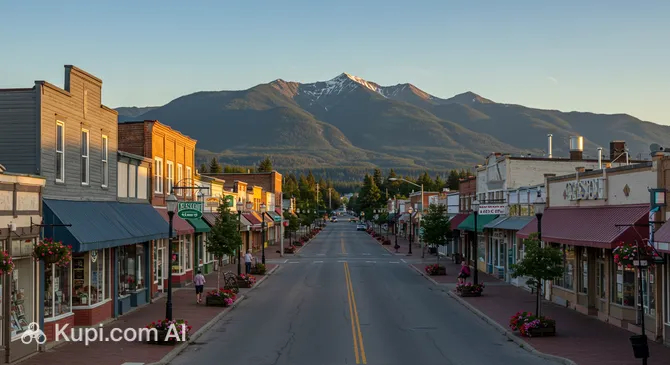
The cultural and natural landscape of Creston offers tourists a harmonious blend of well-kept urban spaces, wild forest corners, and carefully preserved history. The town and its surroundings invite leisurely strolls, allowing you to alternate between relaxing in shady squares and diving into the region's rich past.
Among the green zones, Centennial Park holds a special place. It is the heart of the town's social life, located near the town hall. Tourists are attracted by the manicured lawns, perfect for picnics, and the famous bandstand, where open-air concerts are often held in summer. For travelers with children, there is an excellent splash park here, a lifesaver on hot summer days.
For a more contemplative holiday, visit Millennium Park. Its main jewel is a small but exquisite Japanese garden, created as a sign of friendship with the sister city of Kaminoho. Winding paths, stone lanterns, and carefully selected plants create an atmosphere of Zen-like calm right within the town limits. It is an ideal location for taking beautiful photos or simply relaxing with a book.
Nature lovers must make it to the Ka Papa Cedars trail. Although it is a bit away from the center, this place deserves attention. A section of ancient forest with giant cedars has been preserved here, some of which are over 800 years old. Walking among these majestic trees allows you to feel the power of nature as it was before the arrival of settlers.
The main guardian of historical memory is the Creston Museum. Even if you've already heard about it, it's worth taking the time for a detailed inspection of the exhibits. The museum is famous not only for its "Stone House" building but also for interactive exhibitions telling the story of the early days of logging, agriculture, and the Kootenay River's influence on valley life. Here you can see vintage tractors, recreated early 20th-century interiors, and learn about the region's Indigenous peoples.
The town's artistic life is represented in local galleries and art studios, often grouped under the aegis of the Creston Valley Arts Council. Exhibitions by local artists are regularly held in public spaces and small private galleries. These works are often inspired by the surrounding landscapes and agrarian themes, making them an interesting reflection of local identity.
Speaking of architecture, it is impossible not to mention the famous grain elevators. These massive wooden structures towering over the town are among the last of their kind preserved in British Columbia. The red and white elevators are not just industrial sites, but true icons of the "prairie" style, symbolizing the breadbasket that this valley represents.
As an insider tip: look out for the murals in the town center. Walking along Canyon Street and the adjacent alleys, you will discover a whole open-air gallery. These paintings depict historical scenes and the region's nature. Searching for all the murals can turn into a fun quest that leads you to the most interesting corners of the town, hidden from the average tourist's eyes.