Support

Maritime Museum of the Atlantic

About

On the picturesque waterfront of Halifax sits a unique place where ocean legends come to life — the Maritime Museum of the Atlantic. As the oldest and largest institution of its kind in Canada, this museum serves as the primary gateway to the seafaring history of the East Coast.
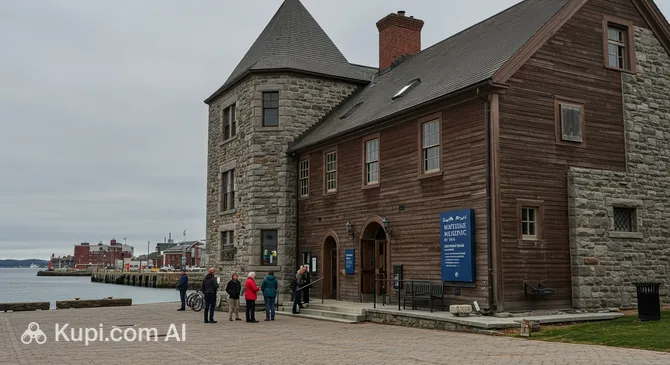
Maritime Museum of the Atlantic. Source: Kupi.com AI

It houses unique collections ranging from traditional Indigenous canoes to the steel giants of modern fleets. The museum doesn't just display exhibits; it tells gripping stories of sailors' courage, great discoveries, and tragic events that changed the world forever.

The exhibitions dedicated to the legendary Titanic and the devastating 1917 port explosion are of particular value. Thanks to a combination of authentic artifacts and modern interactive technologies, the Maritime Museum of the Atlantic has become a must-visit for every traveler wishing to understand the true character of this maritime region.

Contacts

To confirm current information about events or plan a group visit, you can use the museum's official communication channels.

Address 1675 Lower Water St, Halifax, NS B3J 1S3, Canada
Phone +1 902-424-7491
Official Website maritimemuseum.novascotia.ca
Google Maps Open map

What to Do

Visitors can look forward to a fascinating journey among hundreds of meticulously detailed ship models and an inspection of real fishing vessels that once sailed the cold waters of the Atlantic. One of the most emotional moments of the visit is the exhibition of artifacts from the Titanic. Here, you can not only see the personal belongings of passengers but also literally touch history through tactile exhibits.

Technology enthusiasts will find it interesting to study the inner workings of steam engines and uncover the secrets of antique navigation instruments. The museum actively uses interactive formats: the halls regularly host lectures, temporary exhibitions, and demonstrations of traditional shipbuilding skills. For the youngest guests, there are educational programs and play areas.

Don't forget to visit the section dedicated to the Halifax Explosion, which vividly presents a chronicle of those tragic days. You can conclude your visit with a stroll along the adjacent wharf, where historic vessels are often moored, complementing the open-air museum display.

Getting There

Located on the picturesque waterfront of Halifax, the museum is within walking distance of most central hotels and popular tourist routes. A stroll along the shoreline is a great way to reach the site while enjoying the sea breeze and the city's harbor atmosphere.

If you plan to use public transport, major bus routes connecting various districts pass near the museum. For those who prefer comfort, a taxi ride from the city center will take only a few minutes, while the walk from the main train station or bus terminal is no more than 15–20 minutes.

For travelers with private or rental cars, there are paid parking zones nearby. However, keep in mind that during the peak tourist season, available spaces on the waterfront can be scarce, so walking remains the most convenient option.

History & Facts

Founded in 1948, the Maritime Museum of the Atlantic has evolved over time into one of the most significant cultural institutions Canada has to offer. Its collection began to take shape through the initiative of Royal Canadian Navy officers and enthusiasts who sought to preserve the rich maritime heritage of the East Coast.

The museum gained international fame for its role in preserving the memory of the Titanic tragedy. Halifax served as the base for search and rescue operations in 1912, as it was the closest major port to the wreck site. The exhibition features rare artifacts, including the world's only surviving deck chair from the sunken liner.

Another important milestone captured within the museum's walls is the catastrophic 1917 Halifax Explosion. This event, which was the most powerful non-nuclear explosion in human history before the advent of the atomic bomb, fundamentally changed the city. The exhibits provide a detailed account of the collision between the vessels "Mont-Blanc" and "Imo" and the incredible courage of the residents who rebuilt the city from the ruins.

Beyond the dramatic pages of the 20th century, the museum pays great attention to the history of the Mi'kmaq Indigenous people. Their traditional methods of navigation and deep knowledge of sea routes laid the foundation for the early exploration of these lands, highlighting the unbreakable link between the region's nature and its inhabitants over thousands of years.

Time Needed

To explore all the museum's decks and halls without rushing, visitors usually need 2 to 3 hours. This is enough time to study the main permanent exhibitions, including the Titanic gallery and the section dedicated to sail shipbuilding.

If you plan to join a guided tour, visit temporary themed exhibitions, or explore the interactive displays in detail, we recommend setting aside half a day. For families with children, the visit may take longer due to participation in educational workshops and play areas.

Working Hours

The museum is welcomingly open to visitors daily, making it easy to include in your travel itinerary. Standard operating hours are from 9:30 AM to 4:30 PM. However, on Tuesdays, the doors stay open late — until 8:00 PM, providing a great opportunity for evening cultural leisure.

Please note that the schedule may change slightly depending on the season or holidays. For planning your visit, you can refer to the following hours:

  • Monday: 9:30 AM – 4:30 PM
  • Tuesday: 9:30 AM – 8:00 PM
  • Wednesday – Sunday: 9:30 AM – 4:30 PM

Nearby

The museum's location on the historic waterfront allows tourists to easily combine a visit to the maritime exhibition with exploring other iconic sites. A walk through the city center will reveal numerous architectural monuments and charming squares.

Exploring the surroundings will help you feel the atmosphere of the old port more deeply and discover the defensive structures that protected the coast for centuries.

Name Distance (km)
Grand Parade 0.3
Historic Properties 0.4
Sicilian Pizza 0.4
Halifax Citadel National Historic Site 0.7
Halifax Public Gardens 1
Georges Island National Historic Site 1.1
Sir Sandford Fleming Memorial Tower 2.8
Prince of Wales Tower National Historic Site 2.9
Halifax Explosion Memorial Bell Tower 3.2
Atlantic Aquarium & Pet Supplies 8

Reached the end of the page?

That means the route is fully explored