Support

Muskoka

About

Muskoka is a true paradise for nature lovers and those who appreciate a slow pace of life, located in the heart of Ontario, Canada. This region is nestled among picturesque lakes, dense forests, and rocky highlands, about a two-hour drive north of Toronto. Muskoka is famous for its crystal-clear lakes—over 1,600 of them—and endless coniferous forests that fill the air with the scent of pine in summer and burst into vibrant colors in the fall.
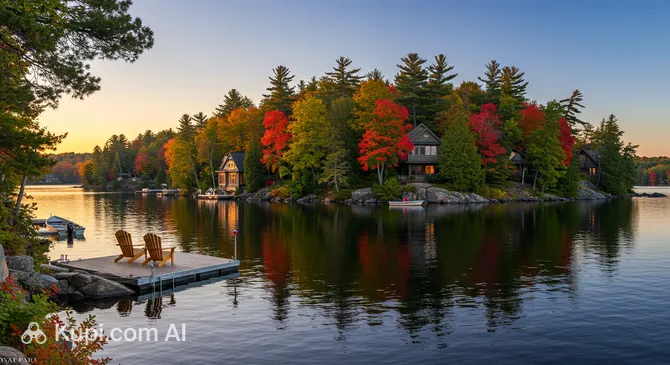
Muskoka. Illustration.
Source: Kupi.com AI

Geographically, Muskoka is not a single city but a vast area (the District of Muskoka) that brings together charming towns and villages such as Bracebridge, Gravenhurst, Huntsville, and the famous Muskoka Lakes. The district's permanent population is around 60,000, but this figure increases significantly during the summer season due to tourists and cottage owners who come here seeking peace, fresh air, and the unique atmosphere of the Canadian wilderness.

The key features that make Muskoka so attractive are its stunning natural landscapes and the variety of recreational opportunities. Here, you can hike along scenic trails, ride an antique steamship across one of the many lakes, have a picnic by a waterfall, or simply enjoy a peaceful evening on the veranda of a cozy cottage. The region's atmosphere is steeped in friendliness and tranquility, offering the perfect combination for recharging your batteries.

If you are looking for a place for a harmonious getaway in the lap of nature, wanting to escape the city bustle and enjoy the beauty of northern landscapes, Muskoka will be a true discovery and provide unforgettable memories.

You can find more interesting facts on the Muskoka history page.
Weather Overview

The weather in Muskoka is characterized by distinct seasons, offering a variety of experiences throughout the year. Summer, especially in July and August, is usually warm, with average temperatures around 19–21°C, sometimes reaching 23–25°C. Winters, by contrast, are cold and snowy, with average temperatures well below freezing, often dropping to -7°C in January, with lows reaching as far as -11°C. Expect warm summers with periodic rain and cold, snowy winters. Precipitation is fairly evenly distributed throughout the year, although winter months like November and December see a higher number of days with precipitation, primarily in the form of snow.

To get more detailed information about climate conditions and the current forecast, you can visit the weather in Muskoka page.

Average monthly temperature

Average monthly precipitation

Interesting Facts

Beyond its picturesque lakes and dense forests, Muskoka hides many amazing stories and unique features that not everyone knows about. Ready to discover a few secrets of this charming corner of Canada?

Port Carling Wall. Illustration.
Source: Kupi.com AI

Traveler photos:

  • Muskoka is often called "Canada's cottage country." This region became a favorite getaway for wealthy residents of Toronto and Montreal back in the 19th century. Even today, you can see charming old wooden cottages built in the Victorian style. Some of them now operate as cozy boutique hotels or museums preserving the spirit of the past, such as the famous Sherwood Inn.

  • It is home to a unique engineering feat—the Big Chute Marine Railway. This is the only operating system of its kind in North America that allows boats and yachts to "travel" over land on a special carriage, overcoming the elevation change between the lakes of the Trent–Severn Waterway.

  • Muskoka is home to the famous Santa's Village, which is open year-round! It’s a magical place where children and adults can meet Santa, ride the elf train, and dive into the atmosphere of a Christmas fairy tale even in the heat of summer.

  • The region is famous for its cranberry marshes. The family-run Johnston's Cranberry Marsh & Muskoka Lakes Winery, which has been growing cranberries for three generations, offers visitors a unique experience—the "cranberry plunge." It’s an opportunity to literally float in a sea of ripe berries during the harvest, which is accompanied by colorful festivals.

How to Get There

Muskoka is a vast and picturesque lake district where travelers come for privacy and natural beauty. Since it is a region rather than a single compact city, route planning has its own specifics. You can explore all the ways to get to the city and its surroundings in more detail on a separate page, while below we will look at the main transport hubs.

There are no major international airports within the Muskoka region itself, so most tourists arrive via the air gateways of nearby major cities. The most popular option is Toronto Pearson International Airport (IATA: YYZ). It is located in Toronto, approximately 159 km from the center of Muskoka. It is the country's largest hub, receiving flights from all over the world. The journey from the airport to your destination in a rental car will take roughly 2 hours with average traffic.

Another convenient option for those already in the region or flying on domestic airlines is Billy Bishop Toronto City Airport (IATA: YTZ). It is also located in Toronto, about 165 km from Muskoka. The drive from here takes approximately 2 hours and 15 minutes. It's also worth noting the regional North Bay Jack Garland Airport (IATA: YYB) in North Bay. It is even closer to the northern part of the region—just 140 km away—and the car trip takes about 1 hour and 45 minutes.

For clarity, here is a summary of the main airports used to reach the region:

AirportPassenger trafficDistance
Jack Garland Airport78 000140 km
Pearson International Airport44.8 mln159 km
Billy Bishop Toronto City Airport1.7 mln165 km
Sudbury Airport129 033193 km
Region of Waterloo International Airport523 210194 km

Rail service in this direction is less developed than road transport. There is no active passenger rail station for long-distance trains within the Muskoka district itself. The nearest major hub is Toronto Downtown Station (IATA: YBZ), located in the center of Toronto, 163.5 km from Muskoka. From here, travelers usually transfer to a bus or rent a car. Total travel time by car from the station to the lake district is about 2 hours and 30 minutes.

Below is a table of the nearest railway stations that can be used as transit points:

StationPassenger trafficDistance
Guildwood Railway Station242 000154 km
Toronto Downtown Station72 mln164 km
Sudbury Junction Station188 km
Buffalo Depew Station122 682252 km
Rochester NY Railway Station123 329269 km

Main Attractions

Muskoka, the picturesque lake country of Ontario, attracts travelers with its natural beauty and charming towns. There are several iconic spots that you should definitely include in your itinerary to fully experience the spirit of this region.

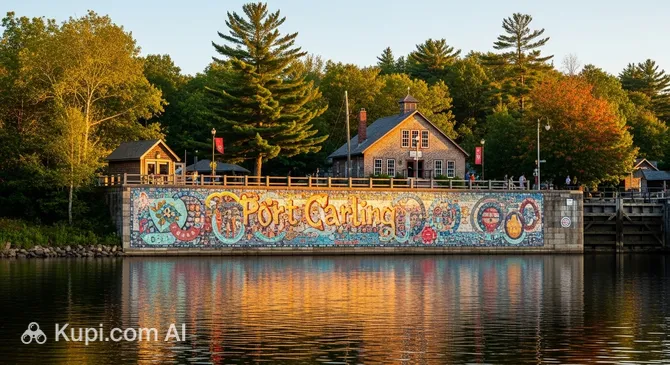
One of the most photographed landmarks is The Wall in Port Carling. It is not just a wall, but a giant photo mosaic consisting of thousands of individual pictures that together form an image of the historical steamship RMS Segwun. This impressive work of art pays tribute to the region's rich history and serves as a popular spot for commemorative photos.

Port Carling Wall. Illustration.
Source: Kupi.com AI

Traveler photos:

After a walk through Port Carling, it's nice to stop by the Port Carling Restaurant. This establishment offers guests the chance to enjoy a delicious meal in a cozy atmosphere, often with the waterfront views so characteristic of Muskoka. It's a great place to relax and share your impressions of the day.

Port Carling Restaurant. Illustration.
Source: Kupi.com AI

Traveler photos:

For those seeking an authentic Muskoka stay, the Sherwood Inn is an excellent choice. This historic resort hotel offers comfortable accommodation and immersion in the relaxing atmosphere of the lake district. Such places are often known for their hospitality and access to various outdoor activities, allowing guests to fully enjoy the beauty of Muskoka.

Sherwood Inn. Illustration.
Source: Kupi.com AI

Traveler photos:

Local Cuisine

The gastronomy of Muskoka is a delightful blend of traditional Canadian cuisine and unique local delicacies, where fresh seasonal products play the leading role. A trip here would not be complete without exploring the region's culinary delights, which reflect its natural wealth and hospitality.

One of the main culinary symbols of Muskoka is undoubtedly maple syrup. The region is home to many family farms where maple sap is collected and boiled into aromatic syrup in the spring. Be sure to try classic pancakes generously drizzled with fresh syrup, or even maple ice cream. Many farms, such as Sugarbush Hill Maple Farm, offer tastings and tours, allowing you to immerse yourself in the production process of this Canadian treat.

Another gastronomic pride of the region is the cranberry. Local chefs masterfully use it in a variety of dishes: from traditional cranberry sauce for meats and aromatic homemade pies to original cranberry bread. At Johnston's Cranberry Marsh & Muskoka Lakes Winery, you can not only taste these treats but also sample signature cranberry wines. In the summer, Muskoka's farmers' markets abound with fresh berries, local honey, artisanal cheeses, and fresh pastries.

Port Carling Restaurant. Illustration.
Source: Kupi.com AI

Traveler photos:

Dining culture in Muskoka is diverse. Locals and tourists enjoy meals both in cozy restaurants featuring local ingredients and in the great outdoors. For example, the Port Carling Restaurant is a popular spot to appreciate the local cuisine. During the summer season, picnics and barbecues on the shores of the lakes, as well as various food festivals, are particularly popular. At such events, you can taste freshly caught fish prepared on the grill, juicy corn, and other dishes perfect for a nature getaway. Don't miss the chance to try products from local breweries, such as craft beer from Sawdust City Brewing with its interesting flavor notes.

Travel Tips

Planning a trip to the picturesque region of Muskoka? Wonderful! To ensure your journey through this corner of Canada goes smoothly and leaves only pleasant impressions, we have prepared some practical tips.

  1. Clothing and Essentials:

    The climate in Muskoka is distinctly seasonal. In summer (June–August), bring light clothing, swimwear, sunscreen, and a hat. In spring and autumn, the weather is changeable, so layering is your best friend: sweaters, a light jacket, and a raincoat will come in handy. Winter (December–February) is snowy and frosty, so warm outerwear, a hat, gloves, a scarf, and waterproof winter boots are necessary. Be sure to bring comfortable walking shoes, as Muskoka is famous for its nature trails. Don't forget insect repellent, especially if you plan to spend time near water or in the forest. Electrical outlets in Canada are types A and B (120V), so you may need an adapter.

  2. Transportation:

    The best way to explore the expanses of Muskoka is to rent a car. Public transport is limited here and primarily connects major towns like Bracebridge, Gravenhurst, and Huntsville. With a car, you can easily reach the lakes, cottages, parks, and numerous natural attractions. Taxis and services like Uber may be available in the towns, but you shouldn't rely on them in more remote areas.

  3. Finances:

    The official currency is the Canadian Dollar (CAD). You can exchange money at banks in the region's towns. Credit and debit cards are accepted almost everywhere, especially Visa and Mastercard. ATMs are also easy to find in populated areas. International cards usually work without problems, but it's best to check with your bank before traveling. Tipping culture is widespread: in restaurants, it is customary to leave 15–20% of the bill, and it is also common to tip taxi drivers and other service personnel.

  4. Health and Safety:

    Muskoka is generally a very safe region. Pharmacies are available in towns, but not all are open 24 hours. Medical assistance can be obtained at hospitals located in major settlements. Be sure to get travel insurance before your trip. The main precautions are related to wildlife: stay alert on the roads for animals (moose, deer, bears) and do not leave food outside to avoid attracting them. When recreating on the water, follow all safety rules.

  5. Communication:

    The primary language of communication is English. French is also an official language of Canada, but it is spoken less frequently in Muskoka. Staff in the tourism industry generally speak English well. Wi-Fi is available in most hotels, cottages, cafes, and libraries. Mobile reception can be unstable in some remote areas or on the lakes. You can purchase a local SIM card at mobile shops in the towns.

  6. Local Etiquette:

    Canadians are known for their politeness and friendliness. Words like "please," "thank you," and "sorry" are used frequently. A nod or a smile is usually sufficient when meeting; a light handshake is common when being introduced. Respect private property, as there are many private cottages in Muskoka. Follow "Leave No Trace" principles during nature walks.

  7. What to Avoid:

    Do not feed wild animals. This can be dangerous for both you and them and disrupts their natural behavior. Also, avoid underestimating the weather, especially if you are heading out on the water or going for a hike—conditions can change rapidly.

  8. Additional Tip:

    Muskoka is a popular destination, especially in summer and during the autumn leaf-peeping period (late September to October). Book your accommodation (especially cottages) and popular excursions (such as lake cruises) well in advance. In summer, be sure to check information about local farmers' markets and festivals—it's a great way to experience local culture and products.

We hope these tips help you better prepare for your trip and get the most out of your stay in beautiful Muskoka. Enjoy the nature, the lakes, and the hospitality of this amazing region!

Entertainment & Nightlife

Evening and nightlife in Muskoka differs from the hustle and bustle of big cities with its own special, peaceful charm. You won't find noisy districts with neon club signs open until dawn here; instead, you can enjoy a cozy atmosphere, magnificent views, and high-quality relaxation. Evenings in Muskoka are a time for soulful conversations, delicious food, and enjoying nature even after the sun goes down.

The core of evening entertainment in Muskoka is its restaurants and pubs, many of which offer not only exquisite dishes but also stunning lake views. One such place is the Port Carling Restaurant, where you can spend a pleasant evening dining in an elegant setting. The atmosphere in most Muskoka establishments is quite relaxed and informal, with a generally casual dress code. Many restaurants feature outdoor terraces that are particularly popular during the summer season.

In addition to restaurants, a pleasant evening can be spent in the bars or lounges of hotels and resorts, such as the Sherwood Inn, which offer a cozy setting for drinks and socializing. During the summer months, in towns like Bracebridge, Gravenhurst, Huntsville, and Port Carling, you can find live music in local pubs or at outdoor venues. Keep an eye on local event listings, as seasonal festivals and events frequently add variety to the evening program.

When planning an evening out, especially during peak season or on weekends, it is recommended to book tables at popular restaurants in advance. Most establishments stay open until late evening but are not open 24/7. As for prices, the average restaurant bill in Muskoka can range from 50 to 100 Canadian dollars per person (excluding alcohol), depending on the level of the establishment. A glass of local beer or wine in a bar will cost approximately 8–15 Canadian dollars. The primary way to get around the Muskoka region is by car. Taxi services are available, but their numbers may be limited, especially in remote areas, so it's worth arranging transportation in advance or designating a sober driver.

Muskoka is generally a safe region for evening walks, particularly in resort areas and town centers. Nevertheless, it is always wise to follow standard safety precautions. At night, roads between settlements may be poorly lit, so be careful while driving.

During the day, Muskoka offers entirely different but equally exciting entertainment. This primarily involves relaxing on the numerous lakes: boating, kayaking, and swimming. Active travelers will appreciate the hiking and cycling trails. Be sure to visit the region's charming towns, such as Port Carling, where you can see interesting attractions like The Wall in Port Carling—a massive photo mosaic mural. The region also has several small museums that tell the story of the local history and culture.

Thus, while Muskoka is not a hub for wild nightlife, it offers unique opportunities for a calm and sophisticated evening, harmoniously blending with its natural beauty and hospitable atmosphere.

Parks & Museums

Muskoka is not just a land of picturesque lakes and dense forests, but also a region with a rich cultural heritage that can be explored through its diverse parks, museums, and unique attractions. Here, everyone will find something for themselves, whether it's peaceful walks in nature or diving into local history.

For nature lovers, Muskoka offers many options for relaxation. A prime example is Arrowhead Provincial Park, located near Huntsville. The park is famous for its scenic hiking trails, opportunities for kayaking and canoeing, and in winter, it transforms into a magical place with a forest skating trail and cross-country ski tracks. Another notable spot is Hardy Lake Provincial Park, which offers shorter but equally beautiful trails around Hardy Lake, perfect for family walks and wildlife viewing.

To better understand the region's history and culture, it's worth visiting the local museums. A key one is the Muskoka Steamships & Discovery Centre in Gravenhurst. Here, you can learn about the era of steamships, which played a huge role in Muskoka's development, and even take a cruise on one of the restored vessels. Additionally, in various Muskoka towns like Bracebridge and Port Carling, you can find small art galleries showcasing the work of local artists that capture the beauty and spirit of the area.

Among the unique cultural sites is The Wall in Port Carling. This is an impressive photo mosaic made up of thousands of individual photographs that together create an image of the steamship "Sagamo" at the Port Carling dock in the 1920s. The Wall is not only a work of art but also a kind of chronicle of the town's history and its residents.

Furthermore, the atmosphere of Muskoka itself, with its characteristic "cottage" architecture and historic buildings, creates a sense of traveling back in time. For a complete experience, stop by local farmers' markets to taste fresh produce or simply explore the charming small towns scattered along the lakeshores—each one holds its own unique story and traditions.

Getting Around

When planning your travel around Muskoka, it is important to keep in mind that this is a vast lake district consisting of several towns and many scattered natural attractions. Public transport here has its own characteristics, and for total freedom of movement, many tourists prefer to rent a car.

The main form of public transport in Muskoka is buses. There are routes connecting the key settlements of the region, such as Bracebridge, Gravenhurst, and Huntsville. For example, "The Corridor" service provides connections between these towns. However, the bus network may not cover all remote corners, lakeside cottages, or trailheads. Bus schedules, especially in the off-season or on weekends, may not be very frequent, so it is always recommended to check the latest information on the websites of local transport operators before your trip.

The fare payment system on Muskoka buses usually involves paying cash directly to the driver upon boarding. It is recommended to have the exact amount ready, as change may not be provided. Sometimes day passes or multi-trip passes may be available, which can be more cost-effective if you travel frequently. It is best to clarify information about fares and ticket types in advance on the official resources of the region's transport services.

Practical tips for tourists: Tickets are generally purchased when entering the bus. Validation occurs at the moment of payment. Pay attention to transport operating hours—they can be limited, especially in the evening and during non-peak tourist seasons. Always plan your routes in advance, taking into account potential intervals between buses.

Given the nature of the region, it's worth considering alternative ways to get around. Car rental is a very popular and often the most convenient option for exploring Muskoka, allowing you to reach the most scenic and secluded spots. Taxi services are available in the towns. For travel on the lakes and access to certain islands, you can use water taxi services or rent a boat. Bicycle rentals may also be interesting for short trips through scenic surroundings or on specially equipped trails, but as a primary method for traveling long distances, it is less practical.

Accommodation

In Muskoka, travelers will find a wide range of accommodation options to suit different preferences and budgets. This picturesque region of Ontario is famous for its lakes and nature, which is reflected in the character of the available housing. You can find everything here: from cozy cottages and bed-and-breakfasts (B&Bs) to mid-range hotels and luxury lakeside resorts. Private house and apartment rentals are also popular, especially for family vacations or extended stays.

Particularly popular with tourists are the areas located directly on the lakes, such as Lake Rosseau, Lake Joseph, and Lake Muskoka, as well as those near charming towns like Bracebridge, Gravenhurst, or Huntsville. Staying here provides easy access to beaches, water activities, hiking trails, and local attractions. Among the well-known accommodation options, for example, is the Sherwood Inn resort, which offers a comfortable getaway surrounded by nature.

When planning a trip to Muskoka, especially during peak season (the summer months and the autumn leaf-peeping period), it is highly recommended to book accommodation in advance. This will allow you to choose the best option in terms of location and price, and avoid the lack of availability. The price range varies from budget motels and campsites to luxury resort complexes. You can book accommodation through popular online platforms or directly on the websites of hotels and cottage resorts.

Nearby Cities

For those looking to explore the surroundings, Muskoka serves as an excellent starting point for day trips to several interesting nearby locations:

For instance, Barrie, located on the shores of Kempenfelt Bay, attracts visitors with its scenic waterfront, parks, and opportunities for water sports. It is a vibrant city with many festivals and cultural events. A bit closer is Orillia, a cozy town nestled between Lake Couchiching and Lake Simcoe, known for its historic downtown, the Casino Rama Resort, and beautiful beaches ideal for family vacations.

If you are looking for a combination of outdoor activities and small-town charm, Collingwood on the shores of Georgian Bay is an excellent choice. It is famous for the Blue Mountain Resort, which offers year-round entertainment—from skiing in winter to hiking in summer—as well as the picturesque Scenic Caves and a historic main street.

CityPopulationDistance
Bracebridge16 01023 km
Gravenhurst12 31127 km
Huntsville19 81638 km
Severn13 47740 km
Parry Sound6 40844 km

These nearby destinations provide a glimpse into the diverse culture and landscapes of the region.

Shopping & Souvenirs

Shopping in Muskoka is more of a pleasant addition to a nature getaway than an end in itself. You won't find giant malls here, but you can enjoy searching for unique items in charming boutiques, art galleries, and shops catering to the cottage lifestyle. Muskoka is famous for the works of local artisans, nature-inspired art, and high-quality gear for outdoor activities.

The main shopping opportunities are concentrated in the region's primary towns, such as Bracebridge, Gravenhurst, and Huntsville. Stroll down their main streets, where you will find many independent shops offering clothing, home decor, books, jewelry, and locally produced delicacies. For example, Port Carling also has interesting little shops, though it is better known for attractions like The Wall in Port Carling.

Large shopping centers in the traditional sense are not a characteristic feature of Muskoka. Instead, you will find small shopping plazas or open-air retail complexes. The focus here is on uniqueness and local character rather than mass-market brands, although essentials and popular labels are, of course, available.

A special place in Muskoka's shopping scene is held by farmers' markets, which are particularly lively in the summer and autumn months. Here you can buy fresh local produce, homemade pastries, cheeses, maple syrup, and handcrafted items from local makers. Visiting such a market is a great way to feel the region's atmosphere and purchase authentic souvenirs.

As souvenirs from Muskoka, tourists often choose woodwork, ceramics, paintings by local artists, clothing with regional symbols (the famous "Muskoka chairs" are especially popular), maple syrup, and other Canadian delicacies. Nature-related and outdoor gear—from fishing equipment to cozy blankets for evenings by the fireplace—are also popular.

Shop hours in Muskoka can vary depending on the season. In summer, during the peak tourist season, many shops stay open longer, including weekends. In the off-season, hours may be reduced. Standard payment methods are cash and bank cards (credit and debit), which are accepted almost everywhere. It is recommended to have some Canadian dollars on hand for small purchases, especially at markets.

Regarding Tax Free shopping for tourists, in Canada, the general VAT refund system (HST in Ontario) on most goods for tourists was largely abolished. Therefore, tax refunds are generally not available for standard retail purchases. However, it's always worth checking in larger stores or when buying high-value items, as special conditions or programs may exist.

Reached the end of the page?

That means the route is fully explored