Support

Nanaimo Museum

About

The Nanaimo Museum is a modern cultural center located in the heart of the city of Nanaimo on the traditional lands of the Snuneymuxw people. Established in 1967 as a Canadian Centennial project for Canada, it now occupies a stylish space within the Vancouver Island Conference Centre, inviting visitors on a fascinating journey through the history of Vancouver Island.
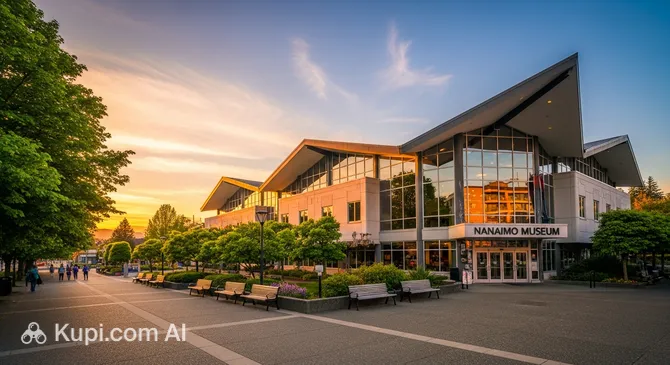
Nanaimo Museum. Source: Kupi.com AI

The museum's exhibits masterfully blend the past and present: here, you can see unique artifacts from early settlers and explore the rich traditions of Indigenous peoples. One of the collection's highlights is the realistic coal mine replica, which transports visitors back to the city's industrial boom and offers a glimpse into the life of underground labor.

The museum actively engages the community, offering both permanent displays and world-class temporary exhibitions. It is a vibrant and welcoming place where every exhibit tells its own unique story — from ancient times to the present day.

Contacts

To plan your visit to the Nanaimo Museum, it's helpful to have current contact information on hand. You can contact the staff directly for event details or browse the official website before heading out.

Below is the essential contact information for the museum administration:

Address 100 Museum Way, Nanaimo, BC V9R 2X1, Canada
Phone +1 250-753-1821
Website http://www.nanaimomuseum.ca/

What to Do

The highlight of any visit to the Nanaimo Museum is a walk through the coal mine replica. This award-winning interactive exhibit allows you to literally touch history and learn about the harsh daily lives of the miners who built this city. In the main gallery, you’ll find rare Snuneymuxw First Nation artifacts and Victorian-era household items.

For curious travelers, the museum regularly hosts temporary exhibitions, bringing in collections from the National Gallery of Canada and other leading museums across the country. Children and adults alike can join in fun scavenger hunts that start right at the entrance and lead through historical locations in the city center, revealing fun facts and local legends.

Be sure to end your visit at the gift shop, which features unique handmade souvenirs and books on local history. The museum also frequently hosts workshops and creative meetups, so it’s worth checking the event calendar before your visit — you might catch an Elder’s talk or an art showcase.

Getting There

The Nanaimo Museum is located at 100 Museum Way, in the very heart of the city's downtown business district. It is integrated into the Vancouver Island Conference Centre building, making it easily accessible for those already strolling through the bustling streets of downtown with its shops and cozy restaurants.

If you are arriving by car, you can use the coordinates POINT(-123.936467 49.165002). Public transport is well-developed in the harbor area, with bus routes connecting the center to other parts of the city and Nanaimo Airport. Additionally, the museum is within walking distance of the wharf where ferries and water taxis arrive.

A walk from the historic Old City Quarter to the museum entrance takes just a few minutes. Due to its central location, a museum visit is easy to combine with a stroll along the waterfront and Maffeo Sutton Park.

History & Facts

The history of the Nanaimo Museum began in 1964 with the founding of a historical society, and the building opened its doors in 1967 as part of the Canada Centennial legacy. In 2008, the exhibits moved to a modern space in the Vancouver Island Conference Centre, allowing for the introduction of interactive technologies and expanded gallery space.

The museum stands on the traditional and unceded territory of the Snuneymuxw people. Since 1991, the administration has actively collaborated with Indigenous residents, including Elders, to accurately and respectfully represent their rich cultural heritage, including findings from archaeological excavations in ancient settlements.

A significant portion of the archives is dedicated to the coal industry, which served as the engine of the local economy since the mid-19th century. Interestingly, it was the Indigenous people who first suggested trading coal to the settlers, shaping the region's destiny for decades to come.

Time Needed

Typically, visitors need 1 to 2 hours for a thoughtful tour of the Nanaimo Museum's main exhibits. This is plenty of time to explore the main gallery at a leisurely pace, head down into the simulated coal mine, and browse the gift shop.

Thanks to its compact layout and well-designed flow, the museum is not overwhelming, making it an excellent choice for families with children or travelers on a tight schedule. If you plan to participate in interactive programs or city scavenger hunts, consider setting aside a little more time.

Working Hours

The Nanaimo Museum is generally open to visitors from Tuesday to Saturday, 10:00 AM to 4:00 PM. The museum is closed on Mondays and Sundays during the standard season, which is worth keeping in mind when planning your city itinerary.

Please note that during the summer season, operating hours may expand, and the museum occasionally welcomes guests on Sundays. To avoid disappointment, we recommend checking the official website for the latest schedule, as hours may change during holidays.

Nearby

Exploring the surroundings of the Nanaimo Museum will help you dive deeper into the atmosphere of this port city. Nanaimo's central district is rich in historical sites and scenic walking routes, all located just steps away from each other.

Many interesting spots are within walking distance, allowing you to create a full itinerary for the day without needing transportation. The table below lists the closest attractions:

Name Distance (km)
China Steps 0.1
The Bastion 0.2
Colvilletown 0.2
Old City Quarter 0.4
Gallows Point Light House 1.5
Halliburton multi-use path 2.7
Protection & Nanaimo No. 1 Airshaft 3
REGHQ Nanaimo (Decomissioned "Diefenbunker") 3.1
Japanese Herring Salteries & Shipyard 3.6
Hamilton Black Powder Works 3.7

Reached the end of the page?

That means the route is fully explored