Support

Bank of Canada Museum

About

The Bank of Canada Museum is a fascinating destination in the heart of Ottawa, the capital of Canada, where visitors can dive into the world of money and finance. This modern museum is dedicated to the history of currency and financial institutions, not only in Canada but worldwide. It offers a unique opportunity to trace the evolution of the Canadian monetary system from its very beginnings, starting with the arrival of European colonists, up to the present day.
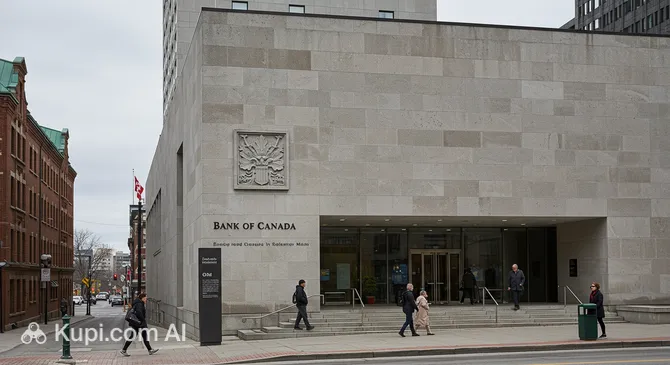
Bank of Canada Museum. Illustration.
Source: Kupi.com AI

Traveler photos:

The museum's exhibitions provide a detailed look at the history and key role of the Bank of Canada, as well as the evolution of currency and banking in a global context. Visitors can learn how the economy works, how money is created, and how technology is changing our interaction with finance. Interactive exhibits and multimedia installations make the learning process accessible and exciting for all ages.

Since 2017, the museum has been located in a new, specially designed underground building at the corner of Wellington and Sparks Streets, adjacent to the historic Bank of Canada headquarters. This modern space was designed to be as accessible and interesting as possible for a broad audience, including families with children and curious tourists wanting to better understand the country's economic history.

Contacts

Planning a visit to the Bank of Canada Museum? To get the latest information on opening hours and ticket prices, and to confirm contact details such as phone number or email, we recommend checking the museum's official website or visiting tourist information centers in Ottawa.

The museum is located at 245 Sparks Street, Ottawa, Ontario, Canada. This information will help you find your way on-site.

How to contactContact
Address30 Bank St, Ottawa, ON K1P 5B9, Canada
Phone number+1 613-782-8914
Websitewww.bankofcanadamuseum.ca

What to Do

At the Bank of Canada Museum in Ottawa, visitors embark on a fascinating journey through the history of money. Here, you can see and study a unique collection of currency, including ancient coins, historical and modern banknotes, and items related to early forms of trade and exchange. The exhibits vividly demonstrate the path from the earliest forms of currency, such as furs, beads, and the first metal money, to modern banknotes with complex security features, and even introduce the world of digital currencies.

A key feature of the museum is its interactive approach. Guests don't just observe the exhibits but are actively involved in the learning process. Multimedia installations and interactive displays explain in an accessible and engaging way how the economy works, how money is printed, and why financial literacy is important for everyone. This makes a visit to the museum not only interesting but truly educational for all ages.

For those looking to deepen their knowledge, the museum offers various opportunities. You can take part in educational programs or themed workshops, and join guided tours to ensure you don't miss the most interesting details of the exhibition. Special attention is paid to young visitors: there are dedicated play areas and exciting quests for children and teenagers, turning the study of finance into a thrilling adventure.

Getting There

The Bank of Canada Museum is conveniently located in the heart of Ottawa at 245 Sparks Street. Thanks to its central location, it is within walking distance of iconic sites like Parliament Hill and other key attractions in the capital of Canada. This makes it easily accessible for tourists exploring the city on foot or planning to combine their visit with other sights.

Getting to the museum by public transport is easy. Numerous bus stops are just a few minutes' walk away. Additionally, O-Train light rail stations are located nearby, providing convenient connections to various parts of Ottawa. This is an excellent option for those who prefer not to use a personal car in the city center.

If you do decide to arrive by car, there is paid parking available near the Bank of Canada Museum. Please keep in mind that, as in any large city center, parking spaces may be limited, especially during peak hours. For those who enjoy walking or cycling, the area around the museum is very accessible, with many pedestrian paths and bike racks available. The entrance to the museum is at the corner of Wellington and Sparks Streets; you will easily spot the well-marked entrance to this unique underground building.

Nearest city: Ottawa

History & Facts

The Bank of Canada Museum in Ottawa is more than just a repository of artifacts; it is a fascinating journey into the world of finance and economics. Founded in 1980 by the Bank of Canada itself, the museum was originally named the Currency Museum. Its first exhibitions were housed on the ground floor of the Bank of Canada's main building at the busy intersection of Sparks Street and Bank Street, introducing visitors to the history of Canadian money.

Over time, the museum required updating and expansion. In 2013, it was temporarily closed for a major renovation. This wasn't just a cosmetic change: the museum literally went underground. Four years later, in 2017, it reopened to the public in a completely new, modern underground building located at the corner of Wellington and Sparks Streets. This architectural design not only created more space for exhibits but also gave the museum a unique, modern look.

The collection of the Bank of Canada Museum has been built since its founding and is now an impressive assembly. It features thousands of exhibits that not only illustrate the history of currency in Canada in detail but also highlight significant milestones in global financial history. Visitors can trace the evolution of money from ancient forms to modern digital currencies, see rare banknotes and coins, and learn about the central bank's role in the national economy.

Beyond its primary exhibitions, the museum is actively involved in educational and cultural life. It collaborates with various institutions and participates in international exhibitions and conferences, making financial history accessible and interesting for a wide audience. It is a place where you can not only look at money but also understand its meaning and impact on society.

Time Needed

When planning a visit to the Bank of Canada Museum in Ottawa, you should allow 1-2 hours for a full exploration of the exhibits. This time is usually enough to immerse yourself in the world of Canadian economics and finance without feeling rushed.

During this time, you can browse the permanent exhibitions that tell the story of the history of money and the central bank's role in Canada's economy. You will also have the chance to engage with interactive exhibits that make learning fun and accessible for visitors of all ages. Don't forget to check if there are any temporary exhibitions—they might require extra time but will enrich your visit with new experiences.

If you have a particular interest in numismatics or economic history, you might want to stay longer. However, for most visitors, the 1-2 hours mentioned will be sufficient to get a good overview and gain memorable impressions from visiting the Bank of Canada Museum.

Working Hours

When planning a visit to the Bank of Canada Museum in Ottawa, it is important to check the current opening hours in advance. Typically, many museums have seasonal schedules that may change, as well as special hours on holidays. We recommend visiting the official Bank of Canada Museum website or contacting them directly for the most up-to-date information on schedules and any possible changes.

It's also worth checking if advance ticket booking is required, especially during peak tourist seasons or for visiting special exhibitions. On the official resource, you can find information about the need for online registration or purchasing tickets in advance, which will help you plan your visit without any hassle.

10:00 – 17:00

Nearby

Visiting the Bank of Canada Museum in Ottawa is undoubtedly an exciting experience. However, to make your trip even more rewarding and full of impressions, it is worth checking out the nearby attractions. Exploring the surroundings will allow you to immerse yourself deeper in the city's atmosphere, discover new interesting places, and get a more complete picture of the cultural and historical heritage of Canada's capital.

Many iconic sites are within walking distance of the museum, making them a convenient and pleasant addition to your itinerary. Below is a list of some of them, along with their distance.

NameDistance
Parliament Hill0.3 km
Art House0.9 km
National Gallery of Canada0.9 km
Rideau Centre0.9 km
Canadian Museum of History1.1 km
Royal Canadian Mint1.1 km
Canadian Children's Museum1.1 km

Have you reached the end of the page?

So the route has been studied inside and out