Support

Shamattawa Airport

About the Airport

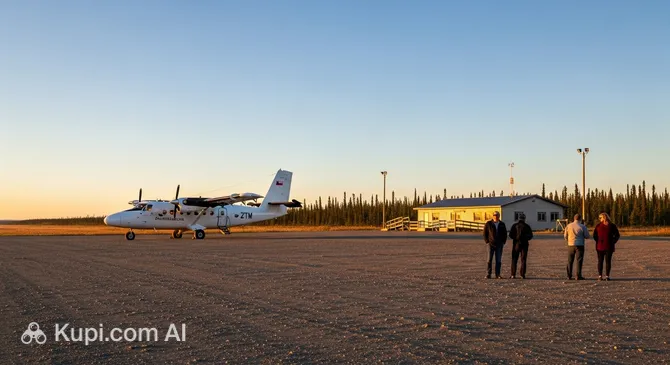
Shamattawa Airport. Source: Kupi.com Binoculars

Shamattawa Airport is not merely a transport hub, but a true "lifeline" for the remote community of the same name in northern Manitoba. Amidst endless forests and rivers, this small air terminal serves as the main link to the outside world, ensuring the delivery of everything necessary — from food supplies to medical aid. For travellers, this place becomes the starting point into the world of harsh and pristine Canadian nature, where aviation remains the most reliable, and at times the only, mode of transport.

IATA Code ZTM
ICAO Code CZTM
City Shamattawa
Distance to Centre 1 km (located within the settlement)
Status Regional
Annual Passengers Data pending
Schedule Check with the air carrier

Airport Features and Advantages:

The airport plays a critically important role in the life of the region, as there are no year-round roads to Shamattawa (land access is possible only via "winter roads" during the cold season). The runway here has a gravel surface about 1,200 metres long, which is typical for northern Canadian airfields but imposes restrictions on the types of aircraft it can accommodate.

The airport terminal is very compact and functional, eliminating long queues and complex security procedures common in major hubs. The main flights connect the settlement with the city of Thompson and Winnipeg, providing mobility for local residents and access for business travel.

Contact Information

Given that Shamattawa Airport (ZTM) is a small regional node serving a remote community, it does not have its own administrative press service or a separate web resource. The primary source of information and contact point for travellers is the airline operating flights to this region.

  • Official Airport Website: There is no dedicated website. Current schedules, flight status, and tickets should be sought on the website of the main carrier — Perimeter Aviation.
  • Inquiry Service Phone: +1 800-665-8986 (24-hour passenger support line for Perimeter Aviation). There is no direct public phone number for the terminal.
  • Airport Address: Shamattawa Airport, Shamattawa, Manitoba, R0B 1K0, Canada.
  • Email: A direct email for the airport administration is not provided. For written inquiries, it is recommended to use the feedback form on the airline's website.
  • Social Media: Official airport pages are absent. News can be tracked on Perimeter Aviation's social media channels.
  • Lost Luggage Information: The carrier handles lost items. You must contact an airline representative immediately upon arrival or call the baggage service department at +1 800-665-8986.
  • Passenger Support Contacts: All questions regarding special services, transport of animals, or changes to bookings are resolved through the Perimeter Aviation customer service centre.

How to Get to the Airport

Since Shamattawa is a small and isolated community, transport logistics here differ significantly from the usual urban environment. The distance from residential homes and administrative buildings to the runway is minimal, as the airport is effectively integrated into the settlement. There is no traditional public transport here, and ways to get to the terminal depend on the season and personal arrangements.

Transfers and Taxis

Official taxi services or apps like Uber do not exist in Shamattawa. Transport within the village is carried out exclusively privately.

  • Private Transport: Locals often give each other lifts. If you are arriving for a work visit (for example, to the medical centre, school, or store), the hosting party usually organises a pickup in a truck or SUV.
  • Seasonal Transport: In winter, snowmobiles are a popular means of transport, and in summer, quad bikes (ATVs). This is the most reliable way to traverse the path to the terminal, especially during the muddy season.

Walking Route

Given the compactness of the settlement, you can walk to the airport. The distance from most buildings is less than 1 km. The walk will take 10 to 15 minutes. However, weather conditions should be considered: in winter, temperatures can drop extremely low, so walking with heavy luggage is not recommended without appropriate gear.

Public Transport and Car Rental

There are absolutely no buses, trains, or metro systems in Shamattawa. Car rental services (Rent-a-Car) are also not available. The road network is local and not connected to the rest of the province by year-round highways, so it is impossible to drive in or rent a car here.

Parking

There is no specialised paid parking at the terminal. Next to the airport building, there is an open area where locals leave their vehicles (cars, snowmobiles) while meeting flights. Parking is free, but unguarded.

Nearest Transport Hubs

If a flight to Shamattawa is cancelled due to weather conditions or you need to construct a complex route across Northern Canada, you can consider other airports in the region. The nearest major settlement with an airport is Gillam, located approximately 170 km away.

Other airports within a 350 km radius:

Terminals and Map

The infrastructure of Shamattawa Airport (ZTM) differs strikingly from major international hubs. Here, travellers will not find confusing corridors, multi-level transitions, or a system of gates. The entire airport complex consists of one small single-story building, which performs all necessary functions for handling passengers and cargo.

Structure and Terminal Zones

The interior space of the terminal is organised on an open-plan principle, making navigation intuitive even for those here for the first time. The premises can be conditionally divided into several functional zones:

  • Check-in Counter: Located immediately at the entrance. Here, airline staff check documents, issue tickets, and accept luggage.
  • Waiting Area: A small zone with seats where passengers wait for the boarding call.
  • Baggage Claim Area: There is typically no separate baggage carousel. Baggage delivery upon arrival often happens manually: staff unload luggage from the aircraft and hand it to passengers either directly by the aircraft or bring it into a designated area of the terminal.

Service Features and Navigation

Since there is only one boarding exit in the airport, it is impossible to get lost. Boarding is carried out as follows:

  1. Passengers pass check-in.
  2. Wait for an announcement (a voice message from a staff member).
  3. Exit through the single door onto the airfield.
  4. Walk to the aircraft (the distance is a few dozen metres).

It is important to note that the airport lacks jet bridges ("airbridges"). Boarding the plane is always done from outside using the aircraft's built-in stairs. Given the harsh climate of northern Manitoba, it is recommended to have warm clothing at hand even for the short walk from the building to the plane.

Processing Times

The absence of long queues is the main advantage of flying through Shamattawa. Procedures here are quick but require discipline:

  • Check-in: Usually opens 45–60 minutes before departure. Airlines recommend arriving at the airport at least 30–40 minutes before the scheduled time.
  • Security Screening: Since flights are operated on small turboprop aircraft within the region, security screening procedures (CATSA) are simplified here compared to major airports, although basic safety requirements remain.
  • Boarding Closure: The check-in counter closes strictly on schedule (usually 15–20 minutes before departure), as pilots need time to calculate the aircraft's weight and balance.

Transit and Transfers

The concept of a transit zone in the classical sense is absent here. If your route involves a transfer (which happens extremely rarely, as flights are usually direct to major hubs), you will have to stay in the general waiting area. There are no dedicated mother and child rooms, business lounges, or Duty-Free shops in the terminal, so it is best to stock up on necessities (water, snacks, baby food) in advance.

Airport History

The history of Shamattawa Airport (ZTM) is inextricably linked with the history of the Cree First Nation community residing in this remote corner of Manitoba. Unlike capital hubs created for commerce and tourism, this air harbour emerged from the vital necessity to overcome isolation and ensure a stable connection with the "mainland".

Formation and Development

Before the appearance of a proper runway, transport communication with the settlement was seasonal and extremely unreliable. In the first half of the 20th century, the main routes were rivers (in summer) and dog sleds, and later snowmobiles (in winter). Aviation arrived here in the form of seaplanes landing on water or light aircraft using the ice of frozen lakes. The construction of a permanent gravel strip in the second half of the 20th century was a real breakthrough, allowing wheeled aircraft to be received year-round, regardless of the ice thickness on the rivers.

Modernisation Stages

Over the years, the airport has undergone changes aimed at improving flight safety in harsh subarctic conditions. Key stages of development included:

  • Installation of lighting equipment, allowing take-offs and landings in the dark, which is critical for a region where daylight hours are very short in winter.
  • Compacting and lengthening the gravel strip to accommodate larger turboprop aircraft (such as the Metroliner and Dash 8), which today form the backbone of the local airline fleet.
  • Construction and subsequent renovation of the terminal to provide passengers with warm shelter while waiting for flights in extremely low temperatures.

Role in Emergencies

The airport's history contains dramatic pages related to natural disasters. The forests of Northern Manitoba are prone to fires, and Shamattawa Airport has repeatedly become a centre for population evacuation. In moments when fire approached the village, it was the work of pilots and airport ground crews that allowed hundreds of residents (including children and the elderly) to be evacuated to safe areas in Thompson and Winnipeg in the shortest possible time.

Interesting Facts

  • School of Mastery: For many Canadian pilots, flying to Shamattawa becomes a true school of professionalism. Landing on a short gravel strip with crosswinds and temperatures below -30°C requires precise piloting technique.
  • Postal Hub: Historically, the airport serves as the main "postman" of the region. Almost all parcels, from household appliances to holiday gifts, arrive here by air.
  • Medical Bridge: The airport serves as a base for air ambulance services (Medevac). Over decades of operation, hundreds of lives have been saved thanks to the ability to urgently transport patients to major hospitals in the province.

Services and Facilities

Travellers heading to Shamattawa should prepare in advance for the fact that the level of service at the local airport (ZTM) corresponds to the standards of remote northern settlements, not typical city air terminals. The terminal provides basic shelter from the weather and the conduct of necessary pre-flight procedures; however, familiar commercial and entertainment infrastructure is completely absent here.

Dining and Shopping

There are no cafes, restaurants, vending machines, or shops in the airport building. It is impossible to buy water, food, or newspapers here. Passengers are strongly advised to:

  • Bring a supply of food and drinking water, especially if travelling with children.
  • Purchase all necessary goods (including essentials and souvenirs) at the point of departure (e.g., in Winnipeg or Thompson) before boarding the flight to Shamattawa.

Lounges and Business Services

The airport has one general waiting room. There is no separation into economy and business class, and VIP lounges are not provided. The terminal lacks conference rooms, business centres, or designated work areas. If you need to work while waiting, rely only on your own equipment and battery life.

Connectivity and Electricity

  • Wi-Fi: Public Wi-Fi is usually absent in the terminal. Mobile coverage may work intermittently depending on your operator and weather conditions.
  • Charging Devices: There are no specialised charging stations for gadgets. A few standard power outlets might be found in the waiting area, but their availability is not guaranteed, so having a fully charged power bank is a mandatory condition for a comfortable trip.

Financial Services

There are no ATMs or currency exchange points at the airport. Banking infrastructure in the settlement itself is also extremely limited. Travellers should carry a sufficient supply of cash (Canadian Dollars) in small denominations to pay for private transport services or purchases at the local community store.

Medical Services and Accessibility

There is no pharmacy or medical point in the terminal. The nearest qualified assistance is available at the settlement's Nursing Station, but you must get there on your own. A first aid kit with individual medications must be carried in your hand luggage.

For passengers with reduced mobility:

  • The building is single-story, which facilitates movement, but automatic doors and ramps may be absent.
  • Boarding the aircraft is done via the aircraft's built-in stairs. Airline staff provide assistance with boarding and disembarking, but the need for such help should be communicated to the carrier in advance when booking the ticket.

Passengers with Children

There are no mother and child rooms or play areas at the airport. Given the potential for long waits and spartan conditions, parents should take care of warm clothing, food, and entertainment for children themselves.

Accommodation (Hotels)

There are no hotels in the airport itself or in its immediate vicinity. Shamattawa is an isolated community with no commercial hotel chain.

  • Accommodation is possible only by prior arrangement with the hosting party (for example, in staff housing for teachers or doctors).
  • In emergency cases, accommodation issues may be handled by the Band Council.
  • It is not recommended for tourists to fly to Shamattawa without an invitation or booked accommodation, as finding a place to stay upon arrival may be impossible.
Where to Eat

For passengers planning travel through Shamattawa Airport (ZTM), it is important to adjust expectations regarding service in advance. Due to the remote location, low passenger flow, and modest size of the terminal, there are absolutely no food outlets in the airport building. There are no restaurants, cafes, bars, or even coffee points in either the general zone or the secure waiting area.

Dining Strategy for Travellers

Since it is impossible to buy food on-site, the only reliable option remains self-catering. Travellers are strongly advised to:

  • Have a substantial meal at the departure airport (usually Winnipeg or Thompson) before boarding the flight to Shamattawa.
  • Bring food with you in your hand luggage. The optimal choice for a quick snack would be products that do not require heating or refrigeration: nuts, energy bars, dried fruits, chocolate, or sandwiches in sealed packaging.

Drinks and Hydration

There are no vending machines with drinks or drinking fountains in the terminal. It is extremely important to have a supply of bottled water, especially if you are travelling with children or elderly people. You will not be able to purchase water inside the airport building.

Specialised Diets (Vegetarian, Halal, Gluten-Free)

As catering services are not provided at the airport, passengers with specific dietary needs (vegans, those with allergies, or those observing religious dietary laws such as Halal) must rely entirely on their own supplies. In the settlement's only store, the selection of specialised products (e.g., gluten-free pastries or plant-based milk) may be extremely limited or non-existent, so it is best to bring everything necessary from the "mainland".

Local Cuisine

Although you won't be able to taste local delicacies at the airport itself, the Shamattawa community preserves the culinary traditions of the Cree people. If your trip involves a visit to the settlement, you might be treated to dishes made from game, fresh northern fish, or traditional fried bread — bannock. However, this is possible exclusively within the framework of local hospitality, as there are no commercial restaurants serving national cuisine here.

Traveller Tips

Travelling to remote corners of the Canadian North is a unique experience requiring special preparation. Shamattawa Airport (ZTM) operates by its own rules, dictated by the harsh climate and isolation of the region. To ensure your trip goes smoothly, use the following practical recommendations.

Arrival Time and Check-in

Despite the diminutive size of the terminal, you should not appear at the last minute. Aircraft flying to Shamattawa have strict restrictions on take-off weight and balance.

  • Arrive 60 minutes early: It is recommended to arrive at the airport one hour before departure. Check-in counters usually close 45 minutes before departure.
  • "Closed Door" Rule: If you are late for check-in, you may not be allowed on the flight, even if the plane is still on the tarmac. Pilots need time for final fuel and cargo calculations.
  • Documents at Hand: Keep your identification (ID) in an easily accessible place. In northern airports, document checks are often conducted directly at the airline counter.

Luggage and Hand Luggage: Strict Rules

Flights are operated on turboprop aircraft (most often Fairchild Metroliner or De Havilland Dash 8), where space is limited.

  • Soft Bags: Instead of hard suitcases, it is better to use soft travel bags or backpacks — they are easier to stow in the luggage compartment of a small liner.
  • Minimum in Cabin: Overhead bins for hand luggage in such aircraft are very narrow. Take only the most valuable items into the cabin: documents, money, gadgets, and medication. A standard-sized backpack may not fit and will be sent to the hold upon boarding (Skycheck procedure).
  • Alcohol Ban: Shamattawa is a "dry community". The import of alcohol and narcotic substances is strictly prohibited. Luggage may be inspected upon arrival by local security services for prohibited substances. Violation of this rule entails serious consequences and confiscation.

Seat Selection and In-Flight Comfort

Small aircraft often have open seating, or seats are assigned by the agent at check-in to balance the vessel.

  • Noise and Vibration: Turboprop aircraft are quite noisy. If you are sensitive to sound, be sure to bring earplugs or noise-cancelling headphones.
  • Temperature Control: It can be cool in the cabin, especially by the window or emergency exit. Do not check your warm jacket into luggage — you will need it both on the plane and when stepping outside.
  • Views: Try to get a window seat. The flight over the endless forests, winding rivers, and lakes of Manitoba will offer you stunning shots that are impossible to take on large airliner flights.

Tips for Transit Passengers

If Shamattawa is just part of your route, and you are flying further through major hubs (Winnipeg or Thompson):

  • Allow Time for Connections: In major airports, flights from northern communities often arrive at separate terminals or remote stands. Allow at least 2–3 hours for the transfer, as you will have to go through security screening again and possibly change terminals.
  • Through Check-in: Clarify at departure whether your luggage will be checked through to the final destination. Most often, on flights from remote regions, luggage needs to be collected and re-checked at the transfer point.

Economy and Safety

  • Dress in Layers: There are no jet bridges at the airport. You will have to walk to the plane outdoors, where in winter the temperature can drop below -40°C, and strong winds can knock you off your feet. Thermal underwear and windproof clothing are mandatory.
  • Bring Food: Food prices in northern settlements are 2–3 times higher than on the "mainland". If you are flying to Shamattawa for a few days, bring basic groceries with you — this will significantly save your budget.
  • Cash: Always carry cash to pay for private transfers from the airport, as payment terminals may not work due to connectivity issues.

Actions During Flight Delays

Weather in the north changes rapidly, and flight delays here are common.

  • Patience and a Backup Plan: If a flight is cancelled due to a blizzard or fog, be prepared to stay in the village for another day. Find out the contact details of your host in advance so you have a place to return for the night.
  • Autonomy: Have a fully charged power bank, a book, or downloaded movies. There is nothing to do in the small waiting room, and there may not be enough power outlets for everyone.
  • Contact with the Airline: In case of flight cancellation, do not wait for automated notifications. Contact an airline representative right in the terminal or call the carrier's hotline to rebook your ticket for the next available flight.

Reached the end of the page?

That means the route is fully explored