Support

Gods River Airport

About the Airport

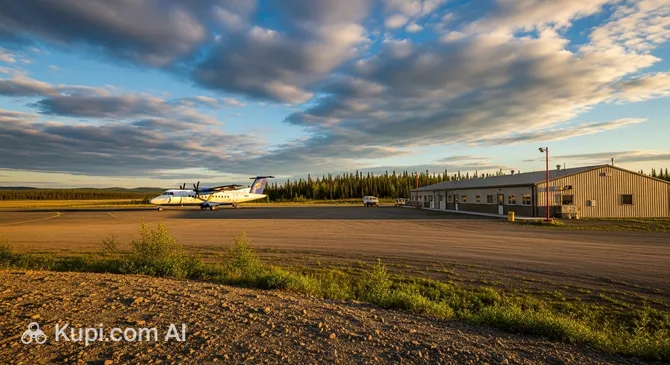
Gods River Airport. Source: Kupi.com Binoculars
Gods River Airport (ZGI) is not merely a transport hub; it is a vital lifeline connecting the secluded community of Manto Sipi in the wild Canadian taiga with the outside world. Here, amidst the endless forests and crystal-clear rivers of Manitoba, landing becomes the thrilling start of a true northern adventure. The airport serves as the main gateway for trophy fishing enthusiasts and those seeking solitude far from bustling metropolises.
IATA Code ZGI
ICAO Code CZGI
City Gods River (Manto Sipi)
Distance to Centre ~1.5 km
Status Regional
Annual Passengers No official data

Features and Highlights of the Airport:

Gods River is a typical northern airport where functionality comes first. Its gravel runway (made of crushed stone) is capable of accommodating small turboprop aircraft, which are the primary means of transport in this region.

The terminal is a small but warm building where passengers can take shelter from the harsh Manitoba winds while awaiting their flight. The main advantage of this air harbour is its location: immediately after stepping off the plane, you find yourself in the heart of pristine nature, just minutes away from famous fishing lodges where the legendary lake trout can be found.

Contact Information

  • Official Airport Website: There is no dedicated web resource. Up-to-date information on flights and schedules can be found on the website of the main carrier — Perimeter Aviation.
  • Inquiry Service Phone: +1 800-665-8986 (Perimeter Aviation 24/7 Contact Centre) or +1 888-341-1615 (extension 4469 — local office, limited hours).
  • Airport Address: Gods River Airport, Gods River, Manitoba, R0B 0N0, Canada.
  • Email: A direct email for the airport administration is not provided. For inquiries, it is recommended to use the feedback form on the carrier's website.
  • Airport Social Media: Official accounts are absent.
  • Lost Luggage Information: Luggage tracing and damage issues are handled by the airline. Please contact a Perimeter Aviation representative upon arrival or call +1 800-665-8986.
  • Passenger Support Contacts: Support is provided via the operating airline's call centre (+1 800-665-8986).

How to Get to the Airport

Transport logistics in Gods River (Manto Sipi) have unique specifics due to the remoteness of the region and the lack of a developed road network. Getting to the airport from the settlement is quick and traffic-free, but do not expect the transport options typical of major cities.

Transfers and Taxis

For most travellers arriving in this region for fishing or eco-tourism, transport is arranged in advance. Owners of fishing bases and lodges typically organise personal transfers for their guests. You will be met (or seen off) in an SUV or minibus. This is the most reliable and comfortable way to reach the terminal with luggage.

There are no official taxi services with meters in Gods River. However, local residents are often willing to give tourists a lift for a nominal fee. It is best to arrange a ride through the administration of your accommodation.

Public Transport

There is no public transport system in the settlement. There are no bus routes, let alone a metro or trains. Given that the distance from the community centre to the runway is only about 1.5 km, locals often traverse this path on quad bikes (ATVs), snowmobiles (in winter), or even on foot if the weather permits and luggage is not too heavy.

Car Rental

There are no international car rental counters at Gods River Airport. It is impossible to rent a car on-site. The road network in the settlement area is isolated from the rest of the province (except for seasonal winter roads), so having a rental car here is not practical.

Airport Parking

A parking zone is provided near the small terminal building. It is an open dirt lot. Generally, parking here is free and unguarded. It is used by local residents leaving their vehicles during short trips to neighbouring major hubs, such as Thompson or Winnipeg.

Travel Time and Recommendations

The trip from the residential area of the settlement to the airport takes 5 to 10 minutes. Despite the proximity, it is recommended to leave with a little extra time, especially during the winter period when weather conditions can be unpredictable.

Terminals and Map

Gods River Airport (ZGI) is a classic example of small regional aviation in the Canadian North. You will not find multi-level labyrinths, jet bridges, or confusing passageways here. The airport infrastructure is extremely concise and dedicated to a single goal — ensuring the quick and safe transport of passengers and cargo in harsh climatic conditions.

Number of Terminals and Their Purpose

The entire airport complex consists of one small single-storey building. This single terminal is multi-functional: it simultaneously serves both departing and arriving passengers for all flights. There is no division into international or domestic sectors, as all flights are conducted exclusively within the province of Manitoba.

Layout and Navigation

Navigating Gods River Airport is incredibly simple — it is literally impossible to get lost. The internal space is organised as a single hall, zoned functionally rather than by walls:

  • Check-in Zone: A small airline counter (usually Perimeter Aviation) is located right at the entrance. Ticket verification and luggage weighing take place here.
  • Waiting Area: Equipped with seats for passengers awaiting boarding. The windows offer a view of the apron and the runway.

Departure and Arrival Zones

Departure and arrival processes at ZGI have specific features characteristic of remote northern airports:

Departure: After a quick check-in, passengers wait for the boarding announcement in the common hall. The boarding gate is simply a regular door leading to the airfield. Passengers walk to the aircraft across the apron (a distance of just a few dozen metres).

Arrival: Arriving guests descend the aircraft stairs and head towards the terminal building or directly to meeting vehicles, which often pull up close to the airfield fence. There are no familiar luggage belts here: luggage is unloaded manually by staff from the aircraft and handed to passengers either at the stairs or at the building entrance.

Terminal Features

The terminal building is designed primarily as a shelter from the weather. It is heated, which is vital in winter. The comfort level is basic. Travellers should note that there are no cafés, shops, ATMs, or currency exchange points inside. It is recommended to ensure you have water and a light snack before arriving at the airport.

Processing Times

Thanks to the small size of the airport and the low number of passengers (planes usually seat between 9 and 50 people), all formalities take minimal time. Nevertheless, airlines ask that you adhere to the schedule:

Recommended arrival time at the airport is 45–60 minutes before the scheduled departure. This is necessary for staff to process cargo and prepare the aircraft load sheet, which is critical for flight safety on small vessels.

Airport History

The history of Gods River Airport (ZGI) is inextricably linked with the development of transport accessibility for remote regions of Manitoba and the life of the Manto Sipi community. Unlike major capital hubs, the chronicle of aviation here is not written in the construction years of glass terminals, but in stages of struggle against harsh nature to ensure a reliable connection with the outside world.

Foundation and Early Years

Before the appearance of a proper runway, aviation communication with the Gods River settlement was carried out primarily via floatplanes in summer and aircraft on ski landing gear in winter. The Gods River and nearby Gods Lake served as natural airfields for the first "bush pilots" who delivered mail, supplies, and the first tourist anglers in the mid-20th century.

The official establishment of the airport as an infrastructure facility began as part of a provincial programme to develop Northern Manitoba in the 1970s. The goal was to create an all-season landing site capable of accepting wheeled aircraft, which is critically important for the shoulder seasons when the ice is still thin but there is no open water.

Stages of Development and Modernisation

The main historical achievement was the construction of a gravel embankment runway, which allowed for regular passenger service. Over the years, the airport has gone through several important modernisation stages:

  • Surface Reinforcement: The runway (09/27) has been repeatedly reconstructed and compacted with a special gravel composition to withstand the landing of heavier twin-engine turboprop aircraft, such as the Fairchild Swearingen Metroliner, which became the "workhorses" of this region.
  • Installation of Navigation Equipment: A significant milestone was equipping the airfield with systems allowing flights in low visibility conditions and polar nights. Modern radio beacons and a high-intensity lighting system were installed on the runway.
  • Terminal Construction: Old wooden structures were replaced with a functional passenger terminal building, providing basic comfort and protection from the frost.

Significant Events and Role in the Region

The history of the airport is a history of saving lives. For decades, ZGI has served as a key hub for air ambulance services (Medevac). Pilots working here have often performed landings in the most difficult meteorological conditions to urgently transport patients to hospitals in Winnipeg or Thompson. These flights, though not recorded in the Guinness Book of Records, are the airport's greatest achievements.

Interesting Facts

  • A Tourist Legend: It is through this modest airport that world-renowned trophy anglers have been arriving for the past 50 years, dreaming of catching giant lake trout in the waters of Gods Lake. The walls of local lodges hold photos of celebrities whose journey began on this gravel strip.
  • Management: The airport is under the jurisdiction of the Northern Airports and Marine Operations department of the Government of Manitoba. This highlights its social rather than commercial significance.
  • Generational Connection: Many local residents working at the airport today or involved in its maintenance are descendants of those who met the first hydroplanes on the riverbank half a century ago.

Services and Amenities

Gods River Airport (ZGI) is a remote northern outpost where the concept of "service" has a completely different meaning than in major international hubs. The infrastructure here is minimalistic and oriented exclusively towards the basic needs of passengers awaiting departure or meeting flights in harsh climatic conditions. When planning a trip, it is important to prepare in advance for the absence of familiar urban conveniences.

Restaurants, Cafés, and Shops

Inside the terminal, there is a complete absence of catering outlets and shops. There are no cafeterias, vending machines with drinks, or newsstands. Travellers are strongly advised to arrange food and water in advance. If you are flying out of Gods River, be sure to take sandwiches, snacks, and a thermos with hot tea or coffee with you, as it will be impossible to buy them on-site.

Waiting Halls and VIP Services

The airport building consists of a single small space, so separate business lounges or VIP lounges are not provided. The general waiting hall serves as a shelter from the wind and cold. It is equipped with simple seating and is heated, which is the main "VIP service" in the conditions of a Canadian winter.

Wi-Fi and Charging Devices

There is no official public Wi-Fi network for passengers at the airport. Cellular service in the region may work intermittently or be absent depending on your operator. There are no specialised charging stations for gadgets, but if necessary, you can try using available wall sockets in the waiting hall (it is recommended to have an adapter for the North American standard if your devices are of a different type).

Banks and Financial Services

ATMs, currency exchange points, and bank branches are absent from the airport territory. Payment for services (e.g., for excess baggage) at the check-in counter may be limited, so passengers are strongly advised to carry a sufficient supply of cash (Canadian dollars) in small denominations for unforeseen expenses or to pay local residents for transfers.

Medical Services

There is no medical centre or pharmacy in the terminal. First aid kits are available with airline staff, but specialised medical assistance is available only in the settlement itself (Nursing Station). If you require specific medication, it must be in your carry-on luggage.

Services for Passengers with Children

There are no mother-and-child rooms or play areas at ZGI. Given the limited space and lack of entertainment, parents should independently plan activities for children during the wait. Staff are generally accommodating to families and try to provide priority boarding if possible.

Services for Passengers with Reduced Mobility

The terminal building is single-storey and at ground level, which facilitates access for passengers with reduced mobility — there are no stairs or escalators. However, it should be noted that the surface around the terminal and on the way to the aircraft is dirt or gravel, which may make movement in a wheelchair difficult without assistance. Airline staff are always ready to assist with boarding and disembarking, but special needs must be communicated to the carrier when booking the ticket.

Hotels and Accommodation

There are no hotels on the airport grounds. The nearest accommodation options are in the settlement or are fishing bases (Lodges) located on the lake shore. Typically, accommodation in such lodges is booked in advance as part of a tour, and they organise their own transfer for guests directly from the aircraft stairs. Sleeping in the terminal is not permitted, as the airport does not operate around the clock.

Business Services

Conference rooms or business centres are absent at Gods River Airport. This place is intended for transit, not for work. If you need to send an urgent message or make a call, it is better to do so before arriving at the airport or use satellite communication if you have it.
Where to Eat

Dining at the Airport: Important Information for Travellers

When planning a trip through Gods River Airport (ZGI), passengers should take into account a key feature of this air harbour: it is located in a remote area and possesses minimal infrastructure. Unlike familiar city airports, there are no restaurants, cafés, bars, or even vending machines here. The terminal is not designed for gastronomic leisure, and passenger nutrition falls entirely on their own shoulders.

Restaurants and Cafés

There are no catering outlets on the terminal premises (neither in the public nor the secure zones). You will not find chain coffee shops or fast food here. This is because the airport operates as a transit point with very short flight waiting times.

Recommendations for Food and Water

Since it is impossible to buy food or drinks on-site, experienced travellers to Northern Canada adhere to a strategy of complete self-sufficiency:

  • Water and Drinks: Be sure to take a supply of drinking water with you. There are no drinking fountains in the waiting hall. In winter, a thermos with hot tea or coffee is an excellent solution — it will help you keep warm if the wait for the plane drags on due to weather.
  • Snacks: It is recommended to prepare lunch boxes, sandwiches, energy bars, nuts, or fruit in advance. This is the only way to have a snack at the airport.
  • Full Meal: Plan your main meal before leaving for the airport. If you are leaving a fishing lodge, ask the staff to pack a "packed lunch" for your journey — this is standard hospitality practice at local recreation bases.

Specialised Diets (Vegetarian, Halal, Gluten-free)

Due to the absence of food vendors, the issue of adhering to a diet is solved exclusively by independent preparation. If you have specific dietary needs, Halal requirements, or allergies, it is critical to carry the necessary supply of products purchased in advance in Winnipeg or another major city before flying to Gods River, as even in the settlement's shops, the selection of specialised goods may be limited.

Local Cuisine

Although delicacies are not served in the airport itself, the gastronomic calling card of the region, which you will surely try (or have already tried) at the lodges, is the Shore Lunch. This is freshly caught lake trout or pike, fried over an open fire with potatoes and beans. At the airport, however, the "signature dish" can only be what you bring with you.

Advice for Travellers

Travelling through a small regional airport like Gods River (ZGI) is fundamentally different from the experience of flying through international hubs. There is no hustle, no queues for passport control, and no endless corridors, but there are strict rules dictated by flight safety in Northern conditions. To ensure your adventure in the Canadian taiga goes smoothly, we have compiled the most important practical tips.

Arrival Time and Check-in

Despite the miniature size of the terminal, do not arrive right at departure time. The optimal arrival time at the airport is 60 minutes before the flight. Check-in usually closes strictly 45 minutes prior.

  • Why this is important: On small aviation flights (Perimeter Aviation), pilots need to calculate the aircraft's centre of gravity and fuel weight in advance. Every minute and every kilogram counts.
  • Documents: Keep your identification (passport) at hand. Although the atmosphere here is almost home-like, document verification is a mandatory procedure.
  • Weighing: Be prepared for the fact that you may be asked to step on the scales, not just your luggage, but you yourself (with carry-on items). This is a standard safety procedure for small aircraft.

Safety Features and Hand Luggage

The screening procedure here is faster than in major cities, but Canadian Air Transport Security Authority (CATSA) rules apply in full.

  • Prohibited Items: It is strictly forbidden to carry knives, multi-tools, and any sharp or cutting objects in hand luggage (even if needed for fishing). Pay special attention to bear spray — carrying it in the aircraft cabin is strictly prohibited, and the possibility of carrying it in checked luggage must be checked with the airline in advance (often requires special packaging and declaration).
  • Hand Luggage Dimensions: Overhead bins in aircraft like the Metroliner are very narrow or non-existent. Take only soft backpacks or small bags into the cabin. Rigid "cabin size" suitcases will likely have to be checked in or left at the stairs (Valet Check / Sky Check procedure).

Seat Selection on the Plane

Small planes often operate on an "open seating" rule, but with one caveat: the crew may move you to ensure proper weight distribution (balancing the vessel).

  • Best Views: If there is a choice, sit by the window. Flying over the endless forests and lakes of Manitoba at a low altitude is a separate free excursion.
  • Comfort: If you are tall, try to take seats by the emergency exit or in the tail of the cabin (depending on the aircraft type), where there may be slightly more legroom.

Recommendations for Transit Passengers

Most flights from Gods River head to Winnipeg or Thompson. If you have a connection planned to a major airline flight (e.g., Air Canada or WestJet):

  • Allow Extra Time: Leave at least 2–3 hours for the connection in Winnipeg. Flights from northern settlements depend on the weather and may be delayed.
  • Luggage: Most often, luggage is not checked through to the final destination if you have separate tickets. You will have to collect your suitcases in the domestic arrivals area and go through check-in and screening again at the large airport.

Customs Control

Gods River Airport serves exclusively domestic flights. There is no customs or border control here. If you are an international tourist, you undergo all immigration formalities at the first airport of arrival in Canada (usually Toronto, Vancouver, or Winnipeg). No passport stamps are issued at ZGI.

Tips for Economy and Comfort

  • Book in Advance: Tickets to northern destinations are expensive. Buying a ticket several weeks ahead can save a significant amount compared to the "day of departure" fare.
  • Pay for Excess Weight Online: If you are bringing a lot of fishing gear or frozen fish back, check excess baggage rates in advance. Paying on-site can be technically difficult due to the lack of terminals.
  • Dress in Layers: The temperature in the cabin of a small plane can vary greatly (from heat while parked to cool at altitude). Furthermore, boarding often takes place outdoors, where there may be strong winds.

What to Do in Case of Flight Delay?

The weather in Northern Manitoba is changeable, and flight delays are not uncommon, especially in winter or the shoulder seasons.

  • Communication: Keep your phone charged and have a power bank (there may not be enough sockets for everyone). Write down the phone number of your lodge or host to warn them of a change in plans.
  • Patience and Food: Since there is no café at the airport, your personal supply of sandwiches and water will be a lifesaver during a long wait.
  • Alternatives: If a flight is cancelled, the airline usually reschedules the departure for the next day. Check accommodation issues with the carrier's representative, but be prepared for the fact that the choice of lodging in a small settlement is extremely limited.

Reached the end of the page?

That means the route is fully explored