Support

Yarmouth

About

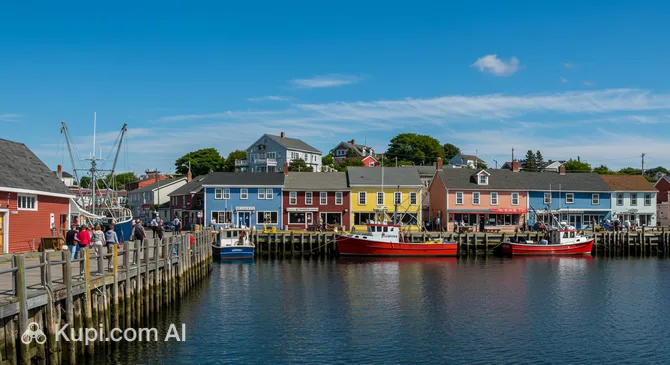
Yarmouth is a wonderfully picturesque town located on the southwestern coast of the province of Nova Scotia. Washed by the waters of the famous Bay of Fundy, it serves as an ideal starting point for exploring the Atlantic coast that Canada is so famous for. Here, rocky shores sit alongside cozy beaches and parks, and the air is filled with the freshness of the ocean and the spirit of maritime adventure.

Yarmouth. Illustration.
Source: Kupi.com AI

Despite its modest size and population of about 7,000, the town plays an important role as a cultural and tourist center for the region. Yarmouth charms visitors with its provincial flair and friendly atmosphere, allowing travelers to take a break from the hustle and bustle of major metropolises. The rich history of Yarmouth as a vital seaport is reflected in its architecture: old buildings and monuments have been preserved here, serving as reminders of a glorious past.

Visitors can expect a unique combination of natural beauty and modern comfort. You can stroll along the waterfront, admire the majestic lighthouses, or visit local museums to dive deeper into the region's culture. Foodies will certainly appreciate the freshest seafood in cozy restaurants, while nature lovers can go hiking or fishing. Yarmouth is a place where everyone will find something to their liking and can enjoy the tranquility of the seaside.

Weather Overview

Yarmouth's climate is heavily influenced by the Atlantic Ocean, which provides the town with temperate marine weather without sharp temperature swings. Summer here is mild and pleasant, ideal for those who dislike sweltering heat: in July and August, average temperatures stay around 17–18°C, and the maximum temperature rarely exceeds 20°C.

Winters in the region are relatively warm for Canadian latitudes but are characterized by high humidity. In January and February, the average temperature hovers around 0°C, only occasionally dropping to -3°C at night. Expect a comfortable, mild summer and a cool, rather damp winter with regular precipitation throughout the year.

The highest number of rainy days occurs in December and January (up to 16 days per month), while September is considered the driest month. To choose the best dates for your visit and prepare for nature's whims, a detailed guide on the weather in Yarmouth with a monthly forecast will be very helpful.

Average monthly temperature

Average monthly precipitation

Interesting Facts

In addition to its main attractions, Yarmouth holds many fascinating secrets and historical features that reveal the town from an unexpected perspective.

  • A Maritime Capital of the Past. During the "Golden Age" of sail, which lasted from 1830 to 1880, this small town was the second-largest port of registry in all of Canada. Ships from Yarmouth sailed oceans across the globe, and the legacy of those times is still clearly visible in the town's architecture.

  • A Uniquely Shaped Lighthouse. The symbol of the town, the Cape Forchu Lighthouse, is known for its unique design, often referred to as an "applecore." Thanks to its picturesque location and original look, it has become a favorite spot for walks and photos for tourists from around the world.

  • City of Legends. Yarmouth is often called the "city of lighthouses and legends." Local folklore is rich with gripping stories of shipwrecks and sea adventures, which locals pass down from generation to generation, creating a special mystical atmosphere.

  • A Unique Museum. Here you will find the Firefighters' Museum—a rare institution in the country dedicated entirely to the history of firefighting. It is a tribute not only to rescuers but also to the rich history of urban safety and mutual aid.

How to Get There

When planning a trip to this picturesque corner of Nova Scotia, it is worth thinking about logistics in advance, as the town is located far from major transport hubs. You can find out more about how to get to Yarmouth by studying various routes, but most often tourists choose a combined method: flying to a major airport followed by ground transportation.

There is no airport in Yarmouth itself that accepts regular passenger flights, but you can fly into Halifax Stanfield International Airport (IATA: YHZ). It is located in Halifax, approximately 238 km from Yarmouth. This is the largest air hub in the region, handling numerous flights. The trip from there by rental car or bus along a scenic highway takes about 3.5–4 hours.

Another option is Saint John Airport (IATA: YSJ), located in the city of Saint John. The distance in a straight line is about 166 km, but keep in mind that the cities are separated by the Bay of Fundy. Traveling through this airport usually involves using a ferry service or a long detour by land, which can increase travel time to 4–5 hours.

For clarity, here is a summary of the main airports used to reach the region:

AirportPassenger trafficDistance
Saint John Airport180 000167 km
Bar Harbor Airport16 500192 km
Fredericton International Airport377 346228 km
Halifax Stanfield International Airport4.0 mln238 km
Knox County Regional Airport34 266240 km

Rail service in this part of the country is less active, and there are no direct trains to the destination. There is no train station in Yarmouth itself, but you can arrive at the Halifax Railway Station in Halifax, which is about 222 km from Yarmouth. From the station, travelers will need to transfer to an intercity bus or take a taxi; the journey will take about 3–4 hours.

Below is information about the nearest railway stations:

StationPassenger trafficDistance
Halifax Railway Station222 km
Moncton Railway Station271 km

Main Attractions

Yarmouth is a town steeped in the spirit of sea voyages and history. The main attractions here are closely linked to the ocean and the region's rich heritage. A walk through the town and its surroundings will allow you to immerse yourself in the atmosphere of an old port city and see what coastal Canada is so proud of: the rugged beauty of the cliffs and the hospitality of the locals.

Cape Forchu Lighthouse
This is perhaps the most recognizable symbol of the region, located just a 15-minute drive from the town center. The lighthouse is famous for its unique "applecore" shape and towers over picturesque volcanic rocks. Tourists come here not only for photos of the lighthouse itself but also to walk through Leif Erikson Park with its winding trails and breathtaking views of the crashing ocean. It is an ideal spot to watch the sunset or have an outdoor picnic.

Firefighters' Museum of Nova Scotia
This museum will be of interest to visitors of all ages. It houses an impressive collection of vintage firefighting equipment, including hand-drawn pumps and vintage fire engines dating back to the 19th century. The exhibits tell the heroic story of the province's fire services. It is not just a display of machinery, but a tribute to the courage of the people who protect cities from fire, making a visit here both educational and emotional.

Yarmouth County Museum & Archives
To truly understand the soul of this town, it is worth stopping by its main historical museum. It houses one of the country's largest collections of ship portraits, as well as many artifacts from the "Golden Age of Sail," when Yarmouth was one of the most important ports in the world. Here you can see the personal belongings of captains, antique furniture, and costumes that transport guests back to the Victorian era.

Frost Park
A small but charming green oasis in the heart of the town, right by the waterfront. The park is known for its 150-year-old cast-iron fountain and beautiful gazebo. It is a great place for a quiet rest after exploring the town: you can sit in the shade of the trees while watching the boats in the harbor. In the summer, the park often hosts small concerts and community events.

Local Cuisine

The cuisine of Yarmouth is a true magnet for foodies, and the treasures of the Atlantic Ocean play the leading role here. Since the town is an important fishing port, the freshness of ingredients is guaranteed. The "calling card" of local gastronomy is lobster, prepared in dozens of ways: from simply boiled in seawater to exquisite creamy bisques and hearty sandwiches. Equally popular are succulent scallops, mussels, and oysters caught right off the coast.

The dining culture in the town is characterized by its casual and cozy nature. Locals and tourists often choose atmospheric establishments with harbor views where they can slowly enjoy their meal. One favorite is Rudder's Seafood Restaurant and Brew Pub, which serves signature fish dishes. For those looking for lighter or vegetarian options, the Shanty Cafe is a great fit, known for its healthy food and friendly environment.

Farmers' markets and street food hold a special place in the town's life. Here, the spirit of good old Nova Scotia reigns: stalls are bursting with fresh vegetables, homemade cheeses, and fruits. Be sure to try the local homemade baked goods—traditional pies and desserts, with recipes passed down through generations, are the perfect addition to lunch.

As for drinks, Yarmouth is proudly part of the famous "Good Cheer Trail." This unique route connects the region's best wineries, craft breweries, and cideries. Travelers can order tastings of local wines, ciders, or ales, discovering new flavor dimensions of this maritime region.

Travel Tips

Preparing for a trip to Yarmouth doesn't require excessive effort, but knowing the local quirks will make your stay much more comfortable. We've gathered some tried-and-tested recommendations to help you feel confident in this cozy seaside town.

  1. Clothing and Weather: The "Layering" Principle. The weather on the Nova Scotia coast is changeable: a sunny morning can turn into fog or wind in minutes. Be sure to bring a windbreaker and comfortable, preferably waterproof, walking shoes. Even in summer, evenings can be cool, so a warm sweater or fleece jacket will be very useful.
  2. The Transportation Issue. The town center is compact and pleasant to explore on foot. However, for trips to the Cape Forchu Lighthouse or around the scenic surroundings, it is better to rent a car—this will give you full freedom of movement. Public transport is modest, and familiar taxi apps may work with limitations, so write down the numbers of local taxi services in advance.
  3. Finances and Tipping. The official currency is the Canadian Dollar (CAD). Credit cards are accepted almost everywhere, but for purchases at the farmers' market or in small souvenir shops, it's worth having some cash. Remember that Canada has an established tipping culture: in restaurants, taxis, and pubs, it is customary to leave 15–20% of the bill.
  4. Health and Safety. Yarmouth is a quiet and safe town, but stay alert. The main danger is not people, but nature: be careful on slippery coastal rocks. Note that there may not be 24-hour pharmacies here, so carry a basic set of necessary medications, especially if you arrive late in the evening.
  5. Communication and Language. The main language of communication is English. Locals speak it with a distinct but quite understandable accent. Free Wi-Fi is available in many cafes, the library, and hotels. If you need constant mobile data, it's better to get a SIM card in a large city on your way or at the airport, as the selection of mobile shops in Yarmouth itself may be limited.
  6. Local Etiquette. Maritimers are famous for their friendliness. It is common here to say hello to bus drivers, shopkeepers, and even random passers-by on quiet streets. Following the queue is a sacred rule: never try to cut ahead, even if you are in a hurry. Politeness and a smile are the universal keys to any heart in Yarmouth.
  7. What to Avoid. Do not get too close to the water on rocky sections, especially if the rocks look wet or dark ("black rocks"). The Atlantic Ocean is unpredictable, and sudden waves can be dangerous. Also, do not count on a late dinner on weekdays: many restaurant kitchens close fairly early, around 8:00–9:00 PM.
  8. Watch the Tides. This is a unique feature of the region washed by the waters of the Bay of Fundy. Download a tide chart app: the same landscape can look completely different in the morning and evening. This is important not just for beautiful photos, but also for planning beach walks so you don't get cut off by the water.

Yarmouth is a place where time flows a little slower, allowing you to enjoy the moment without unnecessary fuss. By following these simple tips, you can avoid minor troubles and fully focus on the rugged beauty of the ocean and the hospitality of the locals.

Entertainment & Nightlife

Yarmouth is a town with a measured and calm pace of life, so don't expect to find noisy nightclubs with neon signs and parties until dawn. The nightlife of this seaside town is cozy, intimate, and filled with local character. The main focus of evening leisure is on socializing, music, and tasting local drinks in atmospheric pubs.

The center of evening activity is traditionally Main Street and the historic Water Street, located near the waterfront. It is here, among the ancient architecture, that you will find the establishments where life buzzes after sunset. The crowd here is diverse: from local fishermen and students to tourists from all over the world. The atmosphere is as casual as it gets: there is no strict dress code, and you will feel comfortable in any bar in convenient everyday clothes.

The undisputed flagship of the town's nightlife is Rudder's Seafood Restaurant and Brew Pub. In the evenings, this place transforms from a family restaurant into a lively pub with a unique energy. Local bands regularly perform here, playing everything from traditional Celtic folk to modern rock. Guests come here not only for the music but also to try the signature ales brewed right on the premises.

Craft culture lovers should check out Heritage Brewing Co. This establishment has become a popular meeting spot for young people and fans of quality beer. It has a more modern atmosphere, and evenings often feature entertainment events like Trivia Nights or board game nights, making it a great place to meet new people.

If you are looking for a cultural alternative to bars, keep an eye on the schedule at Th’YARC (The Yarmouth Arts Regional Centre). This is the region's main performing arts venue, where theatrical productions, concerts by touring artists, and film screenings take place in the evenings. Visiting the local theater is a wonderful way to spend an evening intellectually and get to know the creative side of life in Nova Scotia.

When planning an evening out, keep in mind local operating hours. Yarmouth "goes to sleep" quite early by big-city standards. Kitchens in many establishments close as early as 9:00 PM, although bars may stay open until midnight or 1:00 AM on weekends. The average check for an evening cocktail or a pint of beer is around 7–9 CAD.

In terms of safety, Yarmouth is a very quiet town, and night walks through the center are generally risk-free. However, it’s worth remembering that streets may not be very brightly lit. An important logistical detail: common ride-sharing apps may not work here or may have few cars available. It is best to save the numbers of local taxi dispatch services in advance or ask the staff at an establishment to call a car for you.

During the day, the town's entertainment program is more relaxed. Besides museums and ocean walks, you can visit Brunswick Lanes, a bowling center that remains a popular spot for active fun with friends or family in any weather.

Parks & Museums

The cultural and natural landscape of Yarmouth harmoniously complements its maritime history: here, travelers will find not only rugged cliffs but also well-maintained green oases and museums that preserve the memory of bygone times. The town offers excellent opportunities for those who want to alternate walks in the fresh air with immersion in the rich heritage that Atlantic Canada is famous for.

Leif Erikson Park
Although the Cape Forchu Lighthouse often overshadows everything else, the adjacent park deserves special attention. It is an ideal spot for hiking: winding trails lead along the coastline, offering breathtaking views of volcanic rocks and the crashing ocean. Excellent picnic areas are set up here, where you can have a snack with a view of the harbor, enjoying the salty sea breeze and the cries of seagulls.

Lake Milo
If the ocean water seems too cold for you, head to Lake Milo, located in the northern part of town. This is a popular recreation area for both locals and tourists. In the summer, a boat club operates here where you can rent a kayak or canoe, and the lake's beach is famous for its warm freshwater. Every year, dragon boat races are held here, turning the park into a center of sporting life.

W. Laurence Sweeney Fisheries Museum
This museum offers a unique interactive experience, transporting visitors into the atmosphere of an old fishing port. Unlike traditional exhibits behind glass, it recreates a real fishing wharf with wooden buildings, boats, and workshops. You can stroll along the "docks," look into net-repair shops, and learn how life was organized in the Sweeney family's fishing empire in the early 20th century.

Art Gallery of Nova Scotia (Western Branch)
Yarmouth is home to the western branch of the province's main gallery. This is a key art venue for the region, where works by talented local artists are exhibited alongside world-class temporary exhibitions. Special attention is given here to folk art and art inspired by the sea, providing a look at the region's culture through the lens of artistic perception.

Speaking of architecture, one cannot fail to mention the Collins Street Heritage District. A walk down this street is a true journey through time. Lavish mansions of Victorian-era captains and wealthy shipowners have been preserved here. Look for the "widow's walks" on the rooftops—small observation platforms from which sailors' families once watched for returning ships.

For those seeking solitude and a bit of birdwatching, we recommend visiting Broad Brook Wetland Park. This is a lesser-known tourist location featuring a system of boardwalks and trails through wetlands. This quiet and peaceful place is perfect for a leisurely morning walk away from the main tourist routes.

Getting Around

The public transport system in Yarmouth fully corresponds to the size and pace of life of this small port town. You won't find subways, trams, or trolleybuses here. The town is so compact that many tourists prefer to move around the historic center on foot, enjoying the architecture and sea views. Nevertheless, for trips to shopping centers or outlying areas, there is a municipal bus service that can be useful for travelers without a car.

The main and only form of public transport is Yarmouth Transit. This is a bus service that typically operates one or two routes covering key points in the town: Main Street, the hospital, large supermarkets, and the Yarmouth Mall. The buses run on a loop, making navigation quite simple even for first-time visitors.

The transport schedule has its quirks, which are important to consider when planning your day. Buses generally run from Monday to Saturday, starting around 8:00 AM and finishing around 5:00–6:00 PM. Public transport usually does not operate on Sundays and holidays. The frequency is about once per hour, so it is recommended to check the schedule on the town's website or at bus stops in advance.

Bus fare payment is as simplified as possible. The most common method is cash. You must give the driver the exact amount (in change), as the buses do not provide change. The fare is quite affordable, costing a few dollars. For those planning to stay in town for several days, it's more economical to buy a "sheet of tickets" or a monthly pass. These can be purchased at Town Hall and some pharmacies or stores in the town center.

Since the bus service is limited in time, taxis become the main alternative for tourists. Several local services operate in Yarmouth. The cars are clean and reliable, and the drivers often act as informal guides, sharing local news. It is important to note that ride-sharing apps or taxi aggregators (like Uber) popular in big cities may be unavailable here or have long wait times, so it’s more reliable to have the number of a local dispatch service handy.

For independent exploration of the surroundings, especially if you want to visit the famous Cape Forchu Lighthouse, renting a car is the best solution. Rental offices are located both in the town itself and near the ferry terminal. Bicycle rentals are also popular in the summer: the town's terrain is relatively manageable, and a bike ride along the waterfront will provide many pleasant impressions.

If you arrive in town on "The CAT" ferry from the USA, note that special shuttles are often organized to take passengers from the terminal to the town center. This is a convenient way to get right into the heart of things without worrying about finding a taxi with heavy luggage. In general, Yarmouth's transport logistics are simple and clear: comfortable shoes for the center, and a taxi or rental car for longer trips.

Accommodation

Where to stay:

The choice of accommodation in Yarmouth perfectly reflects the cozy and welcoming character of this seaside town. You won't find massive skyscrapers or pretentious luxury resorts here, but the town offers an excellent range of options: from reliable mid-range chain hotels to charming historic inns and budget-friendly motels. The main focus is on comfort, cleanliness, and a home-like atmosphere.

When choosing a place to stay, you should consider your plans and mode of transport. Downtown & the Waterfront is the ideal choice for those arriving by ferry or those who want to explore the sights on foot. Staying here puts you within walking distance of museums, restaurants, and souvenir shops. This is the historic part of town, where it is pleasant to stroll in the evenings.

Another popular area is Starrs Road. This is the town's commercial artery, where most large stores, supermarkets, and fast-food restaurants are concentrated. Accommodation here is usually represented by modern motels and hotels with spacious parking lots. This is a strategically convenient spot for road trippers planning excursions around the province.

A special highlight of Yarmouth is the traditional B&Bs (Bed & Breakfasts). Many of them are located in restored Victorian-era mansions that once belonged to wealthy sea captains. Staying in such a place is not just about a bed for the night, but an opportunity to touch history: high ceilings, antique furniture, and home-cooked breakfasts create a unique atmosphere of old Nova Scotia.

Booking Tips and Prices:

  • Seasonality: The peak tourist season is in the summer (July–August) when the ferry service from the USA is running. During this time, demand for accommodation spikes. It is highly recommended to book rooms 2–3 months in advance to guarantee availability and the best prices.
  • Price Range: In general, prices in Yarmouth are moderate compared to the large metropolises that Canada offers. Budget motels will be cheaper, while historic boutique hotels and rooms with a harbor view will cost more, especially on weekends.
  • How to Book: Large hotels are easily found on popular online aggregators. However, for booking small private guesthouses or B&Bs, it is sometimes better to use their own websites or even call directly—the hosts are often accommodating and may offer more flexible terms.

Nearby Cities

For those who want to explore the surrounding area, Yarmouth serves as an excellent starting point for day trips to several interesting nearby locations:

Halifax — the capital of Nova Scotia and the region's largest city, located about a three-hour drive away. It is a vibrant cultural center where historic architecture meets a modern pace of life. Tourists come here to stroll along one of the world's longest wooden boardwalks, visit the famous Citadel Hill fortress, and stop by the Maritime Museum of the Atlantic. A trip to Halifax allows you to experience a big-city atmosphere without leaving the province.

Saint John — a unique destination located on the opposite shore of the Bay of Fundy. While the direct path over water seems close, the most interesting way to get here is by ferry from the neighboring town of Digby. Saint John is famous for its natural phenomenon—the Reversing Falls, where tides change the direction of the river's flow—as well as its historic city market, which has been operating since the 19th century. This journey will be a true maritime adventure.

CityPopulationDistance
Fictional City (Weymont)64 km
Digby1 83792 km
Springfield15 342134 km
Bridgewater8 532141 km
Wilmot20 545152 km

These nearby destinations provide insight into the diverse culture and landscapes of the region, making your stay in Yarmouth even more fulfilling.

Shopping & Souvenirs

Shopping in Yarmouth is not about chasing global brands or high fashion, but rather a cozy exploration of local traditions and crafts. The town offers a pleasant balance between necessary modern stores and charming shops where you can find unique handmade items. The atmosphere is calm, and sellers are often ready to tell the story behind a product, turning shopping into a cultural experience.

The heart of commercial life in the historic center is Main Street. A walk along this street allows you to combine sightseeing with visits to small boutiques, souvenir shops, pharmacies, and bookstores. It is the perfect place for a leisurely stroll. If you need large chain stores, supermarkets, or outdoor gear, you should head to Starrs Road—the town's main commercial artery where most retail is concentrated.

For those who prefer to do all their shopping under one roof, there is the Yarmouth Mall located on Starrs Road. It is the only large indoor shopping center in the town. While it isn't massive, you can find clothing, shoes, home goods, and pharmacies here. It’s a convenient place to buy travel essentials or hide from the changeable coastal weather.

The true soul of local trade is the Yarmouth Farmers' Community Market. It operates year-round on Saturdays and is located in a historic barn-like building. Local farmers, artisans, and cooks gather here. Tourists come not just for fresh produce, but for the atmosphere: live music, the smell of fresh baked goods, and the chance to buy unique handmade crafts make this market a must-visit.

As for souvenirs from Yarmouth, it is worth bringing back something related to the sea and the region's history. Look for items made of Nova Scotia tartan, warm knitwear, and quilts made by local craftswomen. Gastronomic souvenirs are also popular: maple syrup, local berry jams, smoked fish, and, of course, themed merchandise featuring lobsters and lighthouses. Local galleries also offer paintings and ceramics inspired by ocean landscapes.

Shops in town are usually open from 9:00 or 10:00 AM until 5:00 or 6:00 PM. Large supermarkets and the mall may stay open until 9:00 PM, especially on Thursdays and Fridays. On Sundays, many small shops in the center may be closed or operate on a shortened schedule (from 12:00 PM to 5:00 PM). Canadian dollars in cash and credit cards (Visa, MasterCard) are accepted everywhere. Contactless payment is also widely used.

Tourists should remember that Canada does not have a Tax Free refund system for foreign visitors in the traditional European sense. Sales tax (HST) in Nova Scotia is 15% and is usually not included in the price on the tag, but is added at the register during checkout. Keep this in mind when planning your shopping budget.
Reached the end of the page?

That means the route is fully explored