Support

Lingshui

About

Lingshui is a picturesque and authentic county on the southeastern coast of Hainan Island. Unlike the bustling Sanya, this location offers a more secluded and tranquil getaway while retaining all the benefits of a tropical paradise. Here, the turquoise waters of the South China Sea meet green hills, creating a unique atmosphere of comfort and harmony with nature.

Geographically, the region is located in a tropical monsoon climate zone, which ensures warm and sunny weather almost year-round. With a population of about 500,000 people, the town is developed enough to offer comfortable infrastructure but is not overwhelmed by the bustle of a metropolis. Travelers discovering China as a resort destination often choose Lingshui for its pristine ecology and scenic bays.

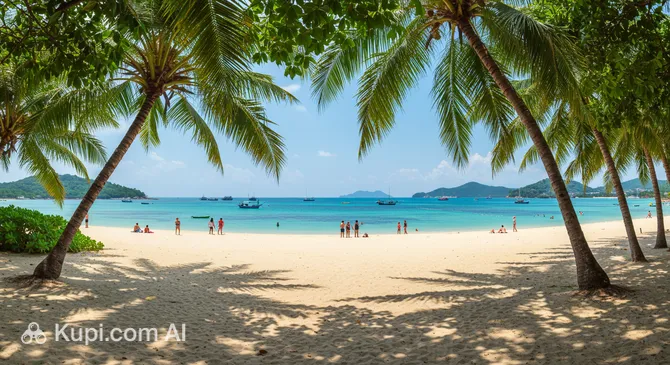
Lingshui. Illustration.
Source: Kupi.com AI

The local culture adds a special flavor to the region. This is an autonomous county of the Li people, whose traditions have been carefully preserved for centuries. The rich history of Lingshui is closely intertwined with the customs of the indigenous residents, their crafts, and festivals, making a trip here not just a beach holiday, but an educational ethnographic journey.

Among the main points of attraction, the famous Nanwan Monkey Island is worth highlighting—the world's only tropical island nature reserve for macaques, which can be reached via a breathtaking cable car over the sea. No less impressive is Qingshui Bay (Clear Water Bay), known for its unique "singing sand" and incredibly transparent water.

Lingshui is ideal for those seeking a balance between active adventure and serene relaxation. The hospitality of the locals and the stunning landscapes make this corner of Hainan a wonderful choice for your next vacation.

Weather Overview

The climate of this region largely defines the nature of your holiday: it is tropical and warm, but with clearly defined seasons. Winter in Lingshui is a time of mild coolness and clear skies. In December and January, the average temperature is about 19-20°C, and nights can be fresh (down to 16-17°C). There is practically no precipitation during this time, making the winter months ideal for excursions and cultural exploration without the exhausting heat.

Spring brings rapid warming: by May, the air warms up to an average of 27.5°C. The summer period, from June to September, is characterized by stable heat around 28°C (with peaks above 30°C) and high humidity. This is the tropical rain season: statistics show up to 24-25 "wet" days per month, so downpours, though often short-lived, become constant companions for travelers.

In general, expect a hot summer with periodic rain and cool, dry winters. To accurately plan your travel dates and pack a suitable wardrobe, we recommend checking in advance what the weather in Lingshui will be like during your vacation.

Average monthly temperature

Average monthly precipitation

Interesting Facts

Beyond its picturesque landscapes, Lingshui hides many fascinating details and cultural nuances that turn a trip here into a true discovery. Here are a few facts that will help you look at this region in a new way:

  • "Singing" Sand. The beach in Clear Water Bay (Qingshui Bay) possesses a rare natural phenomenon. The sand here is so fine and clean that it makes a melodic squeak or whistle when walked upon. It is believed that there are only a handful of such "singing beaches" in the world, and Lingshui shares this fame with resorts in Hawaii and Australia.

  • Life on the Water. In Xincun Port, you can see a unique settlement of "sea gypsies"—the Dan (Tanka) people. Hundreds of families live in floating raft-houses right in the middle of the bay, creating a literal city on the water with its own "streets" and restaurants. Many of the residents spend their entire lives on the water, rarely stepping onto dry land.

  • A Record-Breaking Crossing. To reach the famous Monkey Island, tourists are invited to use the longest trans-sea cable car in China (2,138 meters). The ride in the cabin offers not only an adrenaline rush but also the best view of the geometrically perfect rows of pearl farms below.

  • Living History in Fabric. Lingshui is one of the cultural centers for the Li people. Their traditional weaving and embroidery technique, which is more than 3,000 years old, is listed as a UNESCO Intangible Cultural Heritage. The patterns on Li clothing are not just decoration, but a complex symbolic system that served as a form of writing for these people.

How to Get There

Planning a trip to this scenic corner of Hainan begins with choosing a route. Although the county itself does not have its own airport, the island's well-developed transport network allows you to easily get here from nearby major cities. You can find all available options and logistics details on the page all ways to get to the city.

Most tourists prefer to fly into Sanya Phoenix International Airport (SYX). It is located not in Lingshui, but in the neighboring resort city of Sanya, about 70 km from the county center. This is the most convenient option: a transfer by taxi or bus takes about 1.5–2 hours, and the scenic road along the coast will be a great start to your vacation.

For those traveling from the north of the island or on international flights via the capital, Haikou Meilan International Airport (HAK) is suitable. It is located in the city of Haikou, approximately 164 km from Lingshui. A car journey from here will take significantly longer—about 3–4 hours; however, this airport often hosts more regular flights. You can also consider the regional Qionghai Boao Airport (BAR) in Qionghai city (about 83 km from Lingshui), which is convenient for domestic flights.

For clarity, here is a summary of the main airports:

AirportPassenger trafficDistance
Sanya Phoenix International Airport20.2 mln70 km
Qionghai Bo'ao951 27783 km
Haikou Airport26.9 mln164 km

Regarding rail connections, Lingshui is an important stop on Hainan Island's high-speed ring railway. High-speed trains regularly arrive here from Sanya (travel time is only 20–30 minutes) and Haikou (about 1.5 hours). The railway station is conveniently located relative to the tourist zones, and it is easy to reach hotels from there by taxi or local buses. This is one of the fastest and most comfortable ways to move around the island.

Main Attractions

Lingshui is a true treasure trove for travelers, where natural wonders sit alongside unique cultural sites. Unlike many popular resorts, the attractions here allow you not only to enjoy a beach holiday but also to immerse yourself in the world of wild nature and local traditions. Here are a few places that are definitely worth including in your travel itinerary for this part of the country.

The undisputed hallmark of the region is Nanwan Monkey Island. This is the world's only island-type nature reserve created specifically for macaques. Here, in their natural habitat, live thousands of monkeys who feel like the rightful masters of the territory. Tourists are attracted not only by the opportunity to observe the playful animals but also by the journey to the reserve: the longest trans-sea cable car in China offers breathtaking views of the ocean and the floating village of local fishermen.

For lovers of the underwater world and secluded relaxation, Boundary Island (Fenjiezhou) is the perfect destination. It is the first island resort in the country to receive the highest 5A rating. The water here is incredibly clear, making the island a mecca for divers: coral reefs have been preserved in their original form, and the marine fauna is impressively diverse. In addition to diving, you can visit an open-air oceanarium and enjoy dolphin shows, or simply relax on white sandy beaches surrounded by rocky landscapes.

Those seeking harmony with nature away from the coast should head to Diaoluoshan National Forest Park. This is one of the few remaining areas of true tropical rainforest on the island. The main gem of the park is the Fengguoshan Waterfall, the largest in Hainan, with cascades dropping from a height of over one hundred meters. A walk along the forest trails among ancient trees and mist provides cool relief even on the hottest day and allows you to see rare plant species.

The famous Clear Water Bay (Qingshui Bay) cannot be overlooked either. Although this place is often viewed simply as a beach area, it is a full-fledged natural attraction thanks to its unique "singing sand." A walk along the 12-kilometer beach is accompanied by a melodic sound produced by the tiny grains of sand underfoot. The combination of turquoise sea, clean sand, and picturesque cliffs makes this bay one of the most photogenic spots in Lingshui.

Local Cuisine

The cuisine of this region is a true feast for foodies, combining the freshness of tropical products with the unique traditions of local ethnic groups. The gastronomic scene here isn't limited to standard hotel menus: it's vibrant, colorful, and very accessible. Food in Lingshui is characterized by an abundance of seafood, the use of local fruits, and a special balance of sour and spicy flavors that is so refreshing in the hot climate.

The undisputed king of local culinary art is Lingshui Sour Noodles (Lingshui Suanfen). This dish is the county's signature, attracting visitors even from neighboring cities. Very thin rice noodles are served with a thick, viscous sauce whose flavor ranges from sweet-and-sour to spicy-tangy due to the addition of local yellow lantern chili and vinegar. The bowl is typically topped with dried beef, fish cakes, fried peanuts, and fresh herbs. You can try this delicacy almost everywhere: from modest street stalls to respectable restaurants.

The culture of seafood consumption deserves special attention. Thanks to the proximity to the sea and the traditions of the "sea gypsies" (Dan people), fish and shellfish here go literally from the water to the table. The most authentic experience is lunch in the floating restaurants in the Xincun Port area. It's customary to order a "steamboat" (hot pot) or simply steamed fish with soy sauce and ginger to preserve the natural taste of the fresh catch. Be sure to try the crab porridge—a hearty and delicate dish popular with locals.

Among drinks, the main savior from the heat is fresh coconut. Lingshui grows special varieties of coconuts whose juice is exceptionally sweet and aromatic. Regarding alcohol, Shanlan wine is worth mentioning. This is a traditional drink of the Li people, made from a special type of mountain glutinous rice. It has a mild, sweetish taste and low alcohol content, resembling a liqueur more than conventional wine.

In the evening, gastronomic life moves to the night markets and food streets. This is an ideal place for tourists wishing to immerse themselves in the atmosphere of real China. A noisy and friendly environment prevails here: squid skewers are grilled everywhere, tropical fruits are sold with salt and chili (a local delicacy), and "fried ice" dessert is made from fruit puree. Prices for street food are very democratic, and the taste often surpasses restaurant dishes.

Travel Tips

A trip to Lingshui promises to be vibrant and memorable if you prepare in advance for the specifics of this colorful Chinese county. To ensure your vacation is as comfortable and hassle-free as possible, we have compiled a list of useful recommendations based on the experience of seasoned travelers.

  1. Clothing and Sun Protection. The climate here is tropical and humid, so opt for loose clothing made from natural fabrics (cotton, linen). The sun in Hainan is very strong even in cloudy weather: SPF 50+ sunscreen, a hat, and sunglasses are mandatory. In the winter months, evenings can be cool, so a light windbreaker or hoodie won't go amiss.
  2. Transport Nuances. Renting a car in China is only possible with a local driver's license, so tourists are better off relying on taxis or public transport. The most convenient way to get around is using the DiDi app (the Chinese equivalent of Uber), which is integrated into the Alipay payment system and has an English interface. High-speed trains are ideal for traveling between cities.
  3. Digital Finance. Cash is being accepted less frequently in Lingshui, and change may simply not be available. We strongly recommend installing Alipay or WeChat Pay apps in advance and linking your bank card to them. This is the primary payment method everywhere: from upscale hotels to street fruit vendors. Tipping is not customary here.
  4. Health and First Aid Kit. Tap water is not potable; buy bottled water. Since Lingshui is a region with lush vegetation, be sure to bring or buy repellents for mosquitoes and midges, especially if you plan evening walks by the water or jungle excursions. Pharmacies are marked with a green cross, but finding an English-speaking pharmacist is difficult, so it's better to bring a basic set of medications with you.
  5. Overcoming the Language Barrier. Few people in Lingshui know English, mostly only staff at expensive hotels. It is vital to download an offline translator (such as Google Translate or Baidu Translate) with a Chinese dictionary to your smartphone. To access familiar social networks and messengers, arrange for roaming or buy a travel eSIM in advance.
  6. Local Etiquette. Be prepared for locals to speak loudly and emotionally—this is not a sign of aggression, but a trait of their temperament. When handing over money or a business card, use both hands as a sign of respect. In public places, it is not customary to openly show dissatisfaction or shout at service staff—this leads to a "loss of face" and will not help solve the problem.
  7. Caution with Animals. When visiting the famous Monkey Island or encountering macaques in parks, never tease the animals, do not look them directly in the eyes, and hold onto your belongings (phones, glasses, food) tightly. Local monkeys can be bold and aggressive if they sense food or see shiny objects.
  8. Daily Routine. Take the local "siesta" into account: during lunchtime (from 12:00 to 14:00), life in small shops and institutions may come to a standstill due to the heat. This is the best time for resting in your room or having lunch in an air-conditioned restaurant; save your activity for the morning or evening.

Following these simple rules will help you feel confident and enjoy every moment of your stay in Lingshui. Being open to new experiences and respecting local traditions is the main secret to an ideal journey through China!

Entertainment & Nightlife

Nightlife in Lingshui is noticeably different from the noisy and never-sleeping Sanya. You won't find massive mega-clubs with world-renowned DJs here; however, evening leisure has its own unique charm. This place is about "relaxed luxury" in resort zones and authentic fun in the town center. Main activity winds down by midnight, so adventure seekers should start their evening early, right after sunset.

The epicenter of tourist nightlife is the Clearwater Bay (Qingshui Bay) area. This is where, along the coastline and around large residential complexes, the most stylish venues are concentrated. The atmosphere here is resort-like and respectable: the dress code is usually "smart casual," and the crowd consists of five-star hotel guests and expats. Evenings here are spent in hotel lounge bars to the sounds of live jazz or light pop music, enjoying the sea breeze and signature cocktails.

If you want to dive into true local flavor, head to the administrative center of Lincheng or the lively quarters of Yingzhou town. Here, KTV (karaoke) culture—the primary Chinese entertainment—reigns supreme. Local KTV clubs are not just about singing, but entire entertainment complexes with private rooms where groups rent lounges with sofas, order drinks, and sing until morning. This is a great way to understand how local youth relax.

A special place in the evening program is occupied by night markets. These are not just shopping rows, but real open-air gastronomic hubs. The most popular dinner format here is shaokao (Chinese barbecue). The streets fill with the smell of charcoal-grilled seafood, oysters with garlic, and vegetables. It’s noisy, fun, safe, and very affordably priced. Plastic chairs, cold beer, and piles of delicious food are a must-try experience for any tourist visiting China.

Practical tips for night owls:

  • Transport: Public transport stops running early. The only reliable way to get to your hotel at night is via a taxi through the DiDi app. Be sure to have your hotel address in Chinese.
  • Safety: Lingshui is a very safe city. You can comfortably walk through well-lit streets and embankments even late at night.
  • Prices: In the hotel bars of Clearwater Bay, prices are comparable to those in major global cities. At night markets and local bars in the city center, the average bill will be 3–4 times lower.

As for daytime entertainment, in addition to the beaches, Lingshui offers cultural leisure. During the hottest hours, you can visit modern cinemas in large shopping centers, which often show world premieres (though usually in Chinese). It’s also worth stopping by the city museum to learn more about the region's history, or taking a walk through landscape parks that provide saving shade during the day and are beautifully illuminated in the evening.

Parks & Museums

Lingshui is not just about endless beaches and azure seas; it is also a region with a rich natural and cultural heritage. Here, amidst tropical greenery, lie ancient temples, unique nature reserves, and museums telling the story of this corner of Hainan Island's complex but fascinating fate. For those who want to vary their beach holiday with educational walks, the town and its surroundings have prepared several interesting locations.

Among the natural areas, the undisputed leader is Diaoluoshan National Forest Park. It is one of the few remaining tracts of primitive tropical forest in China. For tourists, it is primarily interesting for the opportunity to escape the coastal heat into the cool of the mountains. Comfortable wooden walkways lead through dense jungle to the majestic Fengguoshan Waterfall. The park is ideal for eco-tourism, meditative walks, and discovering rare plant species that are found nowhere else in the world.

Another important green zone is the Yezi Zhai Coconut Village. Although more of a natural-ethnographic area than a classic city park, it deserves attention. This is the oldest coconut plantation in the region, where palm trees grow along a winding river, creating picturesque postcard-like landscapes. Visitors come here for the rural idyllic atmosphere, fresh coconut juice, and beautiful photos against the backdrop of tropical nature.

The city's main historical and museum site is the Lingshui County Soviet Government Memorial Museum. The uniqueness of this place lies in its location: the museum is housed in the building of an ancient Confucian Temple (Wenmiao), built during the Ming Dynasty. This is a rare chance to see traditional Chinese architecture with curved roofs, red columns, and cozy courtyards. The exhibition tells of the revolutionary events of the 1920s, but for most foreign tourists, the main interest is the superbly preserved architectural ensemble of the temple itself.

Ethnography enthusiasts should check out the Lingshui City Museum. It houses collections reflecting the life and culture of the island's indigenous Li and Miao peoples. The halls display traditional costumes with unique embroidery, silver jewelry, weaving tools, and household items. Visiting this museum helps better understand the traditions of the locals, which you can observe on the city streets and in the villages.

Regarding architectural monuments, besides the Confucian Temple, the Wenfeng Pagoda is of interest. This elegant structure rising over the surroundings served as a sort of lighthouse of knowledge and spirituality. Climbing up to it, you can enjoy a panoramic view of the city and the river, which is especially impressive at sunset.

Insider Tip: If you want to see non-tourist Lingshui, go for a walk through the old alleys around Zhongshan Road. There are no museums in the usual sense here, but the atmosphere of the old town itself, with its weathered colonial buildings, tea houses, and elderly people playing mahjong, is a living illustration of history. This is the best place to feel the true rhythm of the county's life, hidden from the eyes of package tourists.

Getting Around

The public transport system in Lingshui differs significantly from metropolises like Beijing or Shanghai. There is no subway system, and the primary means of transport for locals and tourists are buses and taxis. The city infrastructure is quite simple; however, because resort zones (such as Clearwater Bay) are far from the administrative center and the railway station, you should plan your logistics in advance.

The bus network connects the county's key points: the railway station, the city center (Lincheng), and popular tourist locations like Monkey Island or Xincun village. Buses are generally modern and air-conditioned. Routes are often marked with numbers, but it's easier for tourists to navigate by the names of the final stops indicated on the windshield (often duplicated in Pinyin). Fares depend on the distance and range from 2 to 10 yuan.

Paying the fare is an important nuance for travelers in China. Lingshui buses have validators, but they are designed for local transport cards or QR codes from the Alipay and WeChat apps. If you haven't set up your electronic wallets yet, you can pay in cash by dropping the money into a special box next to the driver. Important: drivers do not give change, so always carry small bills and 1-yuan coins with you.

The most convenient and popular transport among tourists remains the taxi. Cars can be hailed on the street (usually green or blue), but it is much more reliable to use the DiDi app (similar to Uber), which is built into Alipay. This solves the language barrier: you simply indicate a point on the map, see a fixed price, and the car number. A trip from the station to coastal hotels takes about 20–30 minutes and costs a reasonable amount of money.

In resort areas like "Aloha" or "Agile," free shuttle buses for complex guests are widespread. They run between hotels, beaches, and nearby markets on a schedule. It's best to check information about them at your hotel reception immediately upon arrival, as this can help save significantly on taxis.

For those who prefer freedom of movement, renting an electric scooter (bike) is an excellent alternative. In Lingshui, this is a very popular mode of transport: rental points are available in many tourist areas. Driver's licenses are often not strictly required for low-power electric scooters, but a helmet is mandatory. This is the perfect way to explore the coast at your own pace while enjoying the sea views.

Accommodation

The choice of accommodation in Lingshui can satisfy the needs of various categories of tourists: from budget backpackers to connoisseurs of premium relaxation. A feature of the region is its clear zoning: the coastline is occupied by elite resort complexes, while the administrative center and villages are dominated by inexpensive city hotels and guesthouses. Here, you can rent both a luxury villa with a sea view and a modest room in a hostel for a nominal fee.

The most prestigious and popular area to stay is Clearwater Bay (Qingshui Bay). This is the county's true "golden mile," often compared to the world's best resorts. This is where flagship five-star hotels of international chains and large-scale residential complexes with apartments for rent are concentrated. Tourists choose this area for its developed infrastructure, well-maintained beaches, swimming pools, and proximity to golf courses. If your goal is a comfortable beach holiday with "all-inclusive" options or renting a modern apartment for a long term, this is the place for you.

For those who prefer seclusion, the Perfume Bay (Xiangshui Bay) area is suitable. There is less hustle and bustle here than in Clearwater Bay, and hotels often offer a private getaway concept with their own access to the sea. It is an excellent choice for romantic trips or a meditative vacation away from the crowds.

Budget travelers and those who want to immerse themselves in an authentic atmosphere should consider options in the city of Lincheng itself or in the fishing village of Xincun (near Monkey Island). There is no glitz of five-star lobbies here, but there are many small hotels and family guesthouses. Staying in these areas will significantly save money and provide the opportunity to try local street food every day, being in the thick of real life in China.

Booking Tips:

  • Seasonality: Peak demand occurs during the winter months (December to March) and especially during the Chinese New Year. At these times, prices for coastal hotels can increase 2–3 times, and the best options are booked months in advance. Plan your winter trip early.
  • Language: In large resort hotels, staff usually speak English, but in small city hotels, communication can be difficult. When booking budget accommodation, save the hotel name and address in Chinese characters for taxi drivers beforehand.
  • Deposit: Be prepared that upon check-in (even if the room is paid for), you may be asked for a deposit. It is most convenient to freeze the amount via the Alipay app to avoid exchanging unnecessary cash.

The price range in Lingshui is extremely wide. A night in a simple city hotel might cost the equivalent of $15–20, while luxury coastal resorts offer rooms starting from $150–200 and up. It is most reliable to book accommodation through major international or Chinese online platforms (such as Trip.com), as they provide support in English and guarantee that the hotel is licensed to host foreigners.

Nearby Cities

For those who want to explore the surroundings, Lingshui serves as an excellent starting point for day trips to several interesting nearby locations:

The most popular and convenient destination for a short trip is Haikou—the capital of Hainan Province. Thanks to the high-speed railway, you can get there in just an hour and a half. The city offers a unique contrast to the beachy south: here you should walk through the historic Qilou streets with their colonial architecture, visit the crater of the extinct Ma'an volcano, or enjoy shopping in large malls. Haikou is perfect for those who want to see "urban" Hainan and dive into the island's history.

If you are interested in mainland China, the closest major neighbor is Zhanjiang. It is located across the strait in Guangdong Province. Although the distance is greater and the trip will take more time, the city attracts gourmets with its famous seafood and interesting heritage of French presence in its architecture. This destination is suitable for those ready for a longer adventure to get acquainted with the culture of the southern mainland.

CityPopulationDistance
Baocheng37 49238 km
Wanning578 60049 km
Sanya1 031 39662 km
Yongyang60 55781 km
Boao27 15593 km

These nearby destinations provide insight into the diverse culture and landscapes of the region.

Shopping & Souvenirs

General Overview: Shopping in Lingshui is more of a pleasant addition to your holiday than the main goal of the trip. Unlike major metropolises, you won't find endless rows of high-fashion boutiques here; however, the town offers great opportunities for buying authentic local goods. The retail sphere here is clearly divided into two categories: modern complexes in resort areas (especially in Clearwater Bay) and colorful traditional shops in the administrative center and fishing villages. Lingshui is particularly famous for its pearls and the freshest seafood.

Main Shopping Areas: For real local flavor, head to the center of Lincheng. Central streets, such as Yelin Road, are filled with small clothing stores, traditional medicine pharmacies, and tea shops. Here, the life of ordinary townspeople is in full swing, and prices are significantly lower than on the coast. In the Clearwater Bay resort area, shopping is concentrated along the main avenues, where you'll find beach fashion boutiques, supermarkets with imported goods, and souvenir shops catering to tourists.

Shopping Centers: There are no giant malls of capital-city scale in Lingshui, but there are decent modern complexes. One of the most popular spots is the Agile Clearwater Bay shopping area. This is an entire open-air commercial quarter where you can find everything you need: from branded sportswear to quality groceries. It’s pleasant to stroll here in the evenings, combining shopping with dinner at one of the many restaurants.

Markets: Markets are the heart of trade in Lingshui. The most colorful and famous is the market at Xincun Port, located near the ferry to Monkey Island. People come here for dried seafood (squid, scallops, seahorses), which are considered the best in the region. You can also find rows of pearl jewelry, harvested right in the local waters. In the evening, night markets open in the city center, where in addition to food, they sell inexpensive clothing, accessories, and crafts by local artisans.

Souvenirs: The main souvenir from Lingshui is undoubtedly pearls. Thanks to the developed pearl-farming industry in Xincun, you can buy high-quality items at producer prices, but it’s important to know how to haggle. Also worth noting are items with traditional Li people embroidery (Li Brocade)—a unique craft with a thousand-year history. For edible souvenirs, tourists bring back coconut oil, tropical fruit candies, pepper (white and black), and the famous Hainan "Kuding" tea.

Opening Hours and Payment: Large shops and shopping centers usually operate from 10:00 to 22:00 every day. Private shops may close for a siesta during the hottest time of day (from 13:00 to 15:00). As in the rest of China, cash is rarely used here. The main payment methods are the mobile apps Alipay and WeChat Pay. International cards (Visa, Mastercard) are accepted only in large hotels and some supermarkets in tourist zones, so take care to link your card to Chinese payment systems in advance.

Tax Free: Hainan Island is a duty-free trade zone, which makes shopping here especially attractive. Although there are no large Duty Free (CDF) complexes in Lingshui itself yet, a convenient option is available to tourists: just a 20–30 minute drive from Clearwater Bay is the famous international duty-free shopping center in Haitang Bay (Sanya)—the largest in the world. You can make purchases there and pick up the goods at your departure airport. You will definitely need your passport and information about your return flight to process purchases.
Reached the end of the page?

That means the route is fully explored