Support

Wanning

About

Wanning is a true tropical oasis located on the picturesque eastern coast of Hainan Island. Washed by the warm waters of the South China Sea, the city offers travelers a unique blend of relaxed beach holidays and immersion into the authentic culture that China is famous for. With a population of approximately 578,600 people, Wanning serves as an important administrative center while maintaining a cozy atmosphere free from the hustle and bustle of megapolises.

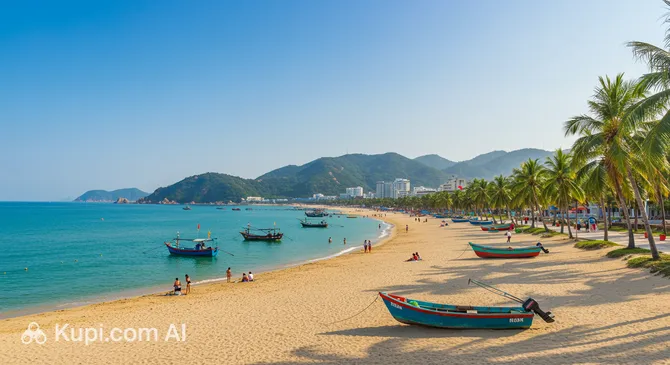
Wanning. Illustration.
Source: Kupi.com AI

Often called the "quiet alternative" to popular Sanya, this resort attracts those seeking seclusion and harmony with nature. Despite its modern resort appearance, the history of Wanning has filled the region with a special flavor and traditions. There are no massive crowds of tourists here, but there are endless white-sand beaches that transition smoothly into dense forests and picturesque bays perfect for watching sunsets.

Thanks to its location, the city is known for its mild climate, clean air, and abundance of sunny days. Wanning has become a true mecca for outdoor enthusiasts: there are excellent conditions for surfing, and nature lovers can enjoy walks through the famous botanical gardens featuring exotic plants. Wanning is worth visiting to discover the wonderful world of the southern coast — hospitable, green, and inspiring.

Weather Overview

Wanning's climate can be described as tropical monsoon, which makes this region attractive for visiting almost all year round. There are no extreme cold snaps here, and the proximity to the sea softens the summer heat. Those planning a trip should take seasonal characteristics into account to ensure the most comfortable holiday.

Winter in the region is mild and pleasant: in January and February, the average temperature is about 20°C, dropping at night to 17–18°C. This is a great time for excursions as there is no exhausting heat. Spring brings gradual warming: as early as March, the air warms up to 24°C, and by May, average figures reach 28°C. Detailed weather in Wanning will help you plan your wardrobe more accurately, but in general, the spring months are considered some of the most favorable for a beach holiday.

The summer season and early autumn are the hottest times of the year. From June to September, the average temperature stays around 28–29°C, with maximums exceeding 31°C. During this period, the highest number of humid days is observed (up to 23 days in September and October); however, rains are often brief and warm. Expect a hot summer with high humidity and periodic precipitation, followed by a mild and drier winter.

Average monthly temperature

Average monthly precipitation

Interesting Facts

Beyond the popular resort zones, Wanning holds many fascinating secrets and features that reveal themselves only to inquisitive travelers. Here are a few facts that will help you see this city from a new perspective:

  • China's Surfing Capital. Riyue Bay in Wanning is considered a true mecca for surfers. Prestigious international competitions are regularly held here, and the quality and consistency of the waves attract fans of the sport from all over the world, breaking stereotypes about beach holidays in the Middle Kingdom.

  • Coffee and Botanical Paradise. The unique Xinglong Tropical Botanical Garden is located in the vicinity of the city. It is not just a park, but an important scientific center where you can see cocoa, vanilla, and coffee growing in their natural environment. By the way, the local coffee is particularly popular and is considered the gastronomic pride of the region.

  • Source of Youth. The hot springs of Wanning are recognized as some of the best on the island. Locals are convinced that the mineral-rich water has a powerful healing effect, capable of not only healing the body but also restoring spirit and prolonging youth.

  • Secret of the Seafarers' Island. A beautiful legend is associated with Jiajing Island: it is said that in ancient times it served as a secret meeting place for seafarers. Today, this uninhabited islet attracts tourists not only with stories but also with crystal-clear water, ideal for snorkeling and diving.

How to Get There

When planning a trip to the eastern coast of Hainan, it is important to think through the logistics in advance, as there are usually no direct flights to the city itself. Most tourists arrive at the island's major international hubs and then transfer to ground transport. You can find out more about how to get to Wanning to choose the best route based on your budget and time.

There is no airport in the city of Wanning itself, but you can fly into Sanya Phoenix International Airport (SYX), which is about 117 km away. This is one of the most popular options for tourists. A trip from here to the resort by taxi or transfer will take approximately 1.5–2 hours. The airport accepts many international and domestic flights, ensuring convenient connections.

Another important transport hub is Haikou Meilan International Airport (HAK), located in the provincial capital. It is a bit further away, about 127 km from Wanning, but thanks to the developed road network, the travel time by car is also about 1.5–2 hours. If you want to minimize transfer time as much as possible, consider a flight to Qionghai Boao Airport (BAR). It is located only 39 km from the destination, and the road by taxi will take just 40–50 minutes.

For clarity, here is a summary of the main airports:

AirportPassenger trafficDistance
Qionghai Bo'ao951 27739 km
Sanya Phoenix International Airport20.2 mln117 km
Haikou Airport26.9 mln127 km
Zhanjiang Airport3.2 mln268 km

In addition to car transport, you can reach Wanning via the Hainan High-Speed Ring Railway. This is an excellent alternative to a taxi: a high-speed train from Sanya or Haikou airports reaches Wanning station faster — the trip takes only about 1 hour. The train stations are conveniently integrated with the airports, making the transfer quick and comfortable.

Main Attractions

Wanning offers tourists much more than just a lazy holiday by the sea. Here, natural beauty intertwines with cultural heritage, creating unique routes for travelers. From majestic mountain peaks to fragrant gardens, the city is ready to surprise its guests with a variety of locations.

One of the most significant attractions in the region is Dongshan Ridge (Dongshan Mountain). Locals often call it the "First Mountain of Hainan." This place attracts not only those seeking breathtaking panoramic views but also those interested in spiritual culture. The mountain slopes are home to ancient Buddhist temples and whimsical rock formations, many of which are adorned with calligraphic inscriptions. A climb to the summit will give you a sense of peace and the chance to touch the island's history.

For flora enthusiasts, a visit to the Xinglong Tropical Botanical Garden is a must. This is a massive park featuring thousands of species of exotic plants, from rare orchids to vanilla and chocolate trees. The garden is known not only for its visual beauty but also for its gastronomic traditions: it is here that the famous Hainan coffee is grown and processed. Visitors can not only stroll through shady alleys but also taste aromatic local drinks.

Fans of active recreation and coastal landscapes should head to Riyue Bay (Sun and Moon Bay). This place is famous for its consistent waves and is rightfully considered the center of surfing culture in all of China. Even if you don't plan on getting on a board, the atmosphere here is special: youthful, dynamic, and free. Many stylish cafes and lounge areas are located along the coast, where you can watch the athletes and enjoy the sound of the surf.

Another coastal gem is the picturesque Shimei Bay. Unlike the noisier beaches of the island, an atmosphere of tranquility and seclusion reigns here. The bay is surrounded by a unique relict forest that is thousands of years old, and the water is incredibly clear. Opposite the beach is the uninhabited Jiajing Island, popular with divers and snorkelers due to its rich underwater world. It is an ideal place for those who want to escape the hustle and bustle and enjoy untouched nature.

Local Cuisine

Wanning's gastronomy is a vibrant reflection of tropical abundance and the culinary traditions of southern China. The main pride of local chefs is seafood, which is incredibly fresh here. Shrimp, crabs, scallops, and various fish arrive in the kitchen literally "off the boat," so the flavor of the dishes is always rich and natural. Fans of spicy sensations should order the famous seafood soup with hot pepper — it is very invigorating and is considered a local hit.

It is impossible to visit the island without trying one of its main culinary treasures — Hainanese chicken (Wenchang). In Wanning, it is prepared with special care: the bird is boiled or steamed with aromatic herbs to keep the meat tender and juicy. This dish is traditionally served with rice cooked in chicken broth and a set of sauces. This is a true hallmark of the region, a must-try for every guest.

The tropical climate gives the region an abundance of exotic fruits, which make for the perfect dessert or snack. You can always find sweet mangoes, juicy lychees, dragon fruit, and, of course, coconuts, whose juice perfectly quenches thirst in the heat. Freshly squeezed juices and fruit sweets are sold everywhere on the city streets, and connoisseurs of hot drinks should pay attention to the aromatic Hainanese tea grown on local plantations.

Dining culture in Wanning goes far beyond restaurants. To feel the real rhythm of the city, head to the night markets. Life is in full swing here, the air is filled with the aromas of spices and grilled delicacies. In such a relaxed atmosphere, you can try everything from grilled squid on skewers to unusual local snacks. In addition, gastronomic festivals are regularly held in the city, turning food into a true celebration.

Travel Tips

Welcome to Wanning! To make your journey through this picturesque corner of Hainan Province as comfortable and carefree as possible, we have gathered the most important practical recommendations. These tips will help you easily adapt to local characteristics and get only positive emotions from your holiday.

  1. Clothing and Climate. Since Wanning is in a tropical zone, prioritize light clothing made of natural fabrics (cotton, linen). Be sure to bring high-quality sunscreen (SPF 50+), a hat, and sunglasses — the sun here is very active even in cloudy weather. If you are traveling in winter (December–February), pack a light windbreaker or sweater: evenings can be cool, and air conditioners in buildings are often running at full blast.

  2. Transport and Movement. There is no metro in the city, so the main means of transport is by taxi. We strongly recommend installing the Alipay or WeChat apps, which have built-in taxi booking services (Didi equivalent). This will save you from problems with explaining the address to the driver — just point to a spot on the map. For trips between bays or to neighboring cities, it is most convenient to use the high-speed train: Wanning's station is modern and easy to navigate.

  3. Finance and Payment. China is a country of victorious digital technologies. Cash is not accepted everywhere, and change can be a problem. Link your bank card to the Alipay or WeChat Pay system in advance — this is the main way to pay for everything: from a bottle of water at a kiosk to dinner at a restaurant. ATMs are available in major bank branches, but don't rely solely on cash or a plastic card. Tipping is not customary here.

  4. Communication and Internet. Familiar Western messengers and social networks (WhatsApp, Google, Instagram) are blocked here. To stay in touch, take care of roaming from your operator (it usually bypasses blocks) or install the necessary apps for network access in advance. For communicating with locals, download an offline translator with a photo translation function — it is an indispensable assistant for reading menus and signs.

  5. Health and Safety. Wanning is a safe city, but tropical nature requires attention. Be sure to use repellents, especially in the evening, to protect against mosquitoes. Drink only bottled water, as tap water is not potable. Pharmacies are marked with a green cross, but finding familiar medications there is difficult due to the language barrier, so assemble a basic first aid kit at home.

  6. Local Etiquette. Hainanese are friendly and relaxed, but observing basic norms of politeness is important. When entering Buddhist temples, be sure to remove your hat and cover your shoulders and knees. You should not walk around in swimsuits or trunks outside the beach area — in the city and shops, this is considered disrespectful.

  7. What to Avoid. Never stick your chopsticks vertically into a bowl of rice — it resembles a funeral ritual and is considered a bad omen. Also, try to avoid public displays of anger or loud arguments: in local culture, "losing face" (public humiliation or losing one's temper) is perceived very negatively. A smile and calmness will solve any issue faster.

  8. Extra Tip: Coffee Siesta. Wanning is the island's coffee capital. Don't be surprised if you see locals drinking coffee with butter and sugar, snacking on sweet pastries. Be sure to try this local ritual in one of the old coffee shops in Xinglong town — it's a unique gastronomic experience you won't find in other parts of the country.

By following these simple rules, you will feel like a fish in water in Wanning. Enjoy the warm sea, catch a wave, and discover the amazing culture of this tropical paradise!

Entertainment & Nightlife

Nightlife in Wanning differs significantly from the noisy parties of neighboring Sanya. You won't find massive metropolitan clubs with strict face control and expensive table deposits here. Evening Wanning is primarily about a relaxed atmosphere, the sound of the ocean, acoustic music, and "boho-style" parties that blend seamlessly into the tropical landscape. The main activity begins after sunset when the heat subsides and the city fills with the soft light of lanterns.

The epicenter of youth and tourist activity is rightfully considered Riyue Bay. This is where the entire surf community gathers, creating a unique vibe of freedom and friendliness. Many stylish open-air bars are located along the shoreline. The dress code here is as casual as it gets: shorts, t-shirts, and flip-flops are the perfect outfit. The music ranges from relaxed reggae and indie rock to energetic DJ sets closer to midnight. This is the best place to make new friends and dance right on the sand.

If you are looking for specific locations, check out these popular spots:

  • Grom — an iconic establishment in Riyue Bay that has become a hub for surfers and expats. It offers a great selection of craft beer, a casual atmosphere, and often hosts loud parties that last late into the night.
  • Corona Sunset Bar — the perfect location to watch the sunset, which smoothly transitions into a night lounge. The bar is famous for its cocktails and panoramic sea views, creating a romantic mood.
  • Xinglong Night Market — an option for those who prefer gastronomic entertainment. This is not just a place to eat, but a true cultural attraction where you can try local delicacies, buy souvenirs, and observe local life.

The Shenzhou Peninsula area offers a different format of relaxation. Here, nightlife is concentrated around major hotels and beach clubs. The atmosphere is more respectable and calm: live music in lobby bars, exquisite cocktails, and candlelit dinners. This is an excellent choice for couples and those who value comfort and high service. Prices here will be higher than the city average, but the level of service is worth it.

Practical tips:

The average bill in Wanning's bars is quite affordable: beer costs 20–40 yuan, and cocktails range from 40 to 70 yuan. The most active time is from 9:00 PM to 1:00 AM. The city is considered safe for night walks; however, road lighting between bays can be weak. For traveling at night, it is best to use official taxi apps (via Alipay or WeChat), as catching a car "by hand" in remote areas can be difficult.

While Wanning is famous for its evenings, the daytime program is no less busy. After a big night out, you can go shopping at the massive Wangfujing International Duty Free Port outlet, which features international brands. Culture lovers will appreciate local museums and exhibition halls telling the traditions of the Li and Miao people, while world-class golf courses and surf schools are always open for active tourists.

Parks & Museums

Wanning harmoniously combines the natural beauty of the tropics with a unique cultural heritage, offering tourists not only beach relaxation but also educational routes. The city is famous for its environmental initiatives and rich immigrant history, which is reflected in its parks and museum spaces. Here, you can stroll through fragrant gardens, learn the history of the Chinese coffee industry, and immerse yourself in the atmosphere of Southeast Asia without leaving China.

One of the main natural prides of the region is the Wanning Coastal Greenway. This is not just a road, but an extensive linear park about 35 kilometers long, connecting the city's most beautiful bays. On one side of the road, there is a view of the endless sea, and on the other — dense tropical forests and agricultural lands. It is an ideal place for cycling: comfortable paths, observation decks, and rest areas are equipped along the entire route, where you can take breathtaking photos.

Lovers of exotic flora should visit the Xinglong Asian Spice Garden. Unlike classic botanical gardens, this place specializes in plants used in cooking and medicine. Here you will see how black pepper, cocoa, vanilla, and rare species of fruit trees grow. A walk through the garden is accompanied by rich aromas, and tours often include tastings of local teas and sweets, making the visit interesting not only for the eyes but also for the taste buds.

The cultural life of Wanning cannot be imagined without the history of the "huaqiao" — ethnic Chinese who returned to their homeland from the countries of Southeast Asia. The Xinglong Overseas Chinese History Exhibition Hall is a key museum telling the stories of the settlers who, in the mid-20th century, turned wild jungles into thriving plantations. The exposition includes old photographs, household items, and documents that help explain why Wanning's culture is so different from the mainland: traditions from China, Indonesia, Malaysia, and Vietnam are intertwined here.

Given the city's status as a coffee capital, the Coffee Cultural Park (often represented by facilities like the M1 Coffee Fantasy Factory) deserves special attention. This is a modern space combining the functions of a museum and an interactive platform. Visitors can trace the entire journey of a coffee bean — from sprout to cup, see the roasting process, and, of course, learn how to taste the drink properly. This place will be of interest to those who want to learn the secrets of the famous Hainanese coffee and purchase high-quality souvenirs.

For those looking for authentic experiences, we suggest stopping by Bali Village. Although it is more of an open-air ethnographic complex, it perfectly complements the cultural picture of the region. The architecture, murals, and landscape design here completely recreate the atmosphere of the Indonesian island, reminding of the roots of many local residents. This is an excellent location for a quiet walk and getting to know the traditions of the diaspora away from noisy tourist centers.

Getting Around

The transportation system in Wanning is much simpler than in major cities: there is no metro or complex network of suburban trains, and the rhythm of life is more measured. To move around the city and between popular bays, tourists most often use buses, taxis, or rented transport. The city is quite geographically dispersed (the center, the Xinglong area, and the coastal zones are distant from each other), so it is worth planning logistics in advance.

The main form of public transport is buses. The route network connects the railway station, the city center, Xinglong village, and tourist zones such as Riyue and Shimei bays. Buses are generally modern and air-conditioned. Pay attention to special tourist routes that run between the main attractions; the windshield often indicates the final stops and key points in English or with clear pictures.

The bus fare payment system is fully digital, as it is elsewhere in the region. The most convenient way is to use the "Transport" QR code in the Alipay or WeChat apps. To do this, you need to activate the corresponding mini-app in advance (it usually finds the city automatically by geolocation). The fare depends on the distance and varies from 2 to 10 yuan. If you don't have the app set up, you can pay in cash, but drivers do not give change — prepare small bills and coins in advance and drop them into the transparent box at the entrance.

The most comfortable alternative to public transport remains the taxi. In Wanning, both regular city taxis (by meter) and popular aggregators available through built-in services in Alipay (the Didi equivalent) operate. Booking a car through the app is preferable for foreigners: it removes the language barrier as the destination is indicated on the map and the cost of the trip is fixed in advance. Trips between bays can cost from 30 to 100 yuan depending on the distance.

Renting electric scooters is particularly popular in resort areas, especially in the surfing hub of Riyue Bay. This is an ideal option for those who want freedom of movement and wish to explore the picturesque coastal road independently. Rental points can be found at hotels or in tourist centers. A driver's license is often not required for small electric bikes, but a helmet is mandatory. Be careful: traffic can be chaotic, and rules are followed by locals rather loosely.

For navigation, it is highly recommended to download Baidu Maps or Amap (Gaode). Even if the interface is in Chinese characters, they show current bus routes and arrival times more accurately than Western counterparts. Important tip: public transport in Wanning finishes work quite early; many bus routes stop running as early as 6:00 PM – 7:00 PM, so always rely on taxis for evening outings.

Accommodation

The choice of accommodation in Wanning will surprise even the most discerning travelers with its variety. Unlike the bustling Sanya, the tourist infrastructure here is more dispersed and harmoniously integrated into the natural landscape. The city offers options for every taste and budget: from budget-friendly surf camps and cozy guesthouses to luxury five-star world-class resorts and villas with private sea access.

When choosing a place to stay, it is important to focus on the purpose of your trip, as the resort zones are distant from each other:

  • Shenzhou Peninsula and Shimei Bay. These are areas for connoisseurs of premium and quiet holidays. The most prestigious chain hotels and resorts are concentrated here. The hotel grounds are vast, surrounded by greenery, and have their own equipped beaches. This is the best choice for families with children, honeymooners, and those seeking seclusion and high service.

  • Riyue Bay. The epicenter of youth culture and sports. Stylish hostels, boutique hotels, and homestays predominate here. Accommodation here is often budget-friendly but atmospheric: with common areas for socializing, rooftop parties, and surfboard rentals. It is worth staying here if you want to be in the thick of things and plan to conquer the waves.

  • Xinglong Town. Located slightly inland from the coast, this area is famous for its thermal springs. There are many sanatorium-type hotels and middle-class hotels offering spa treatments and baths with healing water. This is an excellent option for health tourism and budget travelers.

Price Range and Booking:

The cost of living in Wanning varies widely. A bed in a hostel or a simple room in a guesthouse can cost from 100–200 yuan per night. Mid-range hotels in Xinglong or the city will cost 300–600 yuan. Staying in branded beachfront resorts in Shimei or Shenzhou bays starts from 800–1000 yuan and can reach significant amounts during peak dates.

For booking, it is most convenient to use major international or Chinese online aggregators (Trip.com, Ctrip, Qunar). Travel tip: Wanning is becoming an increasingly popular destination, so if you plan a trip during the Chinese New Year (January–February) or national holidays, you should book accommodation at least 1–2 months in advance. At other times of the year, you can find a suitable option even a couple of days before arrival.

Nearby Cities

For those who want to explore the surrounding area, Wanning serves as an excellent starting point for day trips to several interesting nearby locations:

Just an hour away by high-speed train is Haikou — the capital of Hainan Province. It is a city of contrasts, where modern skyscrapers sit alongside the historic Qilou Old Street, known for its unique arcade architecture. A day trip here will allow you to visit the famous Ma'an Volcano Crater Park, enjoy shopping in major malls, and try authentic Hainanese snacks in the historic alleys.

Also worth noting is the neighboring city of Qionghai (and its famous Boao district), located very close by. This place attracts tourists with its picturesque "Jade Belt" beach, where the river meets the sea, and its calm, peaceful atmosphere. Thanks to the convenient railway connection along the eastern coast of the island, you can get here very quickly, making it an ideal option for a short excursion without a tiring journey.

CityPopulationDistance
Boao27 15545 km
Lingshui500 00049 km
Qionghai515 70052 km
Tuncheng86 47470 km
Baocheng37 49274 km

These nearby destinations provide insight into the diverse culture and landscapes of the region.

Shopping & Souvenirs

General Overview

Shopping in Wanning offers a unique combination of a relaxed atmosphere and great deals. Unlike the overcrowded shopping malls of megapolises, the selection process here takes place without any rush. The city is famous for two main directions: modern outlet shopping with international brands and a rich selection of local authentic products. It is the perfect place to purchase high-quality clothing at a discount and then go in search of the aromatic coffee and exotic fruits that this region is so proud of.

Main Shopping Areas and Streets

For true local flavor, head to the city's administrative center — the Wancheng district. The central streets here are filled with a series of small shops offering everything from beachwear and electronics to traditional tea and medicinal herbs. There are no glossy storefronts here, but real life is in full swing: prices are aimed at locals, and you can find interesting everyday goods without a tourist markup.

Shopping Centers

The main point of attraction for tourists is the Wangfujing International Duty Free Port (formerly known as Capital Outlets). This is a large-scale shopping complex with European-style architecture located near the high-speed highway. Dozens of boutiques of international sports and luxury brands are gathered under one roof here. The complex is popular due to regular sales and a wide range of products, making it an excellent place to update your wardrobe during your vacation.

Markets

The most colorful markets are located in the Xinglong area. Local farmers' markets are a paradise for lovers of tropical flavors. The stalls are overflowing with fresh mangoes, pineapples, jackfruits, lychees, and coconuts, which cost significantly less here than in resort areas. It is also worth checking out the shopping pavilions at the Xinglong Botanical Garden, where you can taste and buy products grown on local plantations.

Souvenirs

It is customary to bring back gastronomic gifts from Wanning. The region's main brand is the famous Xinglong coffee. You can find it in shops in many forms: beans, ground, instant "3-in-1," and even in the form of coffee candies. Another popular souvenir is Hainan pepper (white and black), which is grown in local spice gardens; it is distinguished by a bright aroma. Tourists also often buy coconut oil, coconut shell products, "Kuding" tea, and essential oils.

Opening Hours and Payment

Large shopping centers are usually open from 10:00 AM to 10:00 PM without breaks or weekends. Small private shops and markets start early in the morning but may close as early as 7:00 PM. The most convenient and common way to pay is through mobile apps Alipay or WeChat Pay. Cash is accepted everywhere, but change from large bills can be a problem. International bank cards (Visa, Mastercard) are accepted mainly only in large malls and duty-free shops.

Tax Free

Wanning is part of Hainan Island's offshore duty-free policy zone. At the Wangfujing International Duty Free Port complex, tourists planning to leave the island by plane, train, or ferry can purchase "duty-free" category goods (cosmetics, perfumes, bags, etc.) without paying taxes. To complete a purchase, you must present a passport and provide information about your departure ticket from the island.
Reached the end of the page?

That means the route is fully explored