Support

Montenegro

About

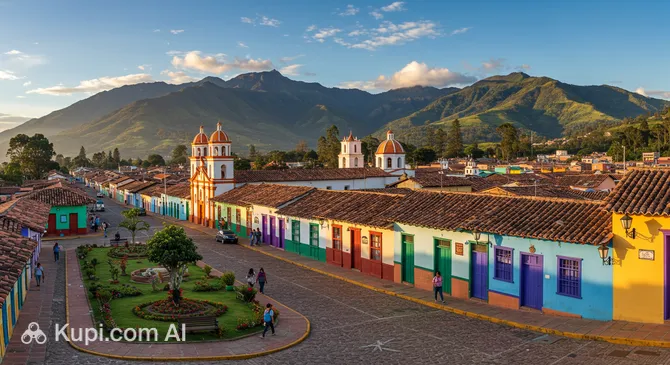
Montenegro is a charming town nestled in the heart of Colombia's famous coffee region, in the department of Quindío. It is literally steeped in the aroma of freshly harvested coffee beans and is famous for its authentic atmosphere, far from the hustle and bustle of big cities. Here, picturesque rolling landscapes, emerald coffee plantations, and the incredible hospitality of the locals await you.

Montenegro. Illustration.
Source: Kupi.com AI

The town, with a population of about 42,000, is considered the unofficial gateway to the famous Eje Cafetero (Coffee Axis). This makes Montenegro an excellent starting point for exploring the rich culture and traditions of this unique region. Despite its modest size, the town offers surprisingly green surroundings and cozy streets, perfect for leisurely walks.

Tourists are drawn to Montenegro not only by its breathtaking views and the chance to immerse themselves in coffee culture, but also by its proximity to national parks and themed coffee attractions. Here, you can enjoy eco-tourism, learn about the coffee production process from bean to cup, and discover local gastronomic delights.

If you dream of seeing the real, vibrant, and hospitable Colombia, full of aromas and impressions, be sure to include Montenegro in your itinerary. This town will give you unforgettable moments of peace and connection with nature, as well as the opportunity to enjoy a cup of excellent Colombian coffee on a terrace overlooking endless coffee hills.

You can find more interesting facts on the history of Montenegro page.

Weather Overview

The weather in Montenegro is characterized by amazing stability throughout the year. The average monthly temperature hovers around 20°C, with lows around 16°C and highs reaching 23-24°C. Expect a warm and humid climate with frequent but usually not overly heavy rainfall almost daily. Rainfall varies from 14 mm to 22 mm per month, making the weather quite predictable for planning activities.

To learn more about the weather conditions, you can view detailed information about the climate of Montenegro.

Average monthly temperature

Average monthly precipitation

Interesting Facts

In addition to its picturesque landscapes and the aroma of coffee, Montenegro in Colombia hides many curious details. This town, located in the heart of the Quindío coffee region, is full of stories and features that make it truly unique. Here are some interesting facts to help you see Montenegro from a new perspective:

  • The Mystery of the Name: Montenegro was founded in 1896, and its name, contrary to possible associations with the European country, has a completely different origin. It is related to the characteristic dark, almost black (Spanish "negro") color of the dense forests and coffee plantations that originally surrounded the settlement and gave the area a particularly rich palette.

  • The Coffee Capital of Entertainment: The town is rightfully considered one of the centers of Colombia's coffee culture and is famous for being home to one of the country's most famous theme parks—the National Coffee Park (Parque Nacional del Café). This is a unique place where visitors can not only immerse themselves in the world of coffee production from bean to cup but also enjoy various attractions, walk along picturesque botanical trails, and witness interactive shows dedicated to the region's rich culture.

  • Annual Fiesta of Aromas: Every year, Montenegro hosts a colorful and crowded Coffee Festival. This event attracts thousands of guests from all over Colombia and abroad. During the festival, you can enjoy tastings of the best local coffee varieties, watch exciting barista competitions, listen to lively concerts, and see traditional folklore dances—all of which create the unique atmosphere of a true Colombian fiesta.

  • Legends and Talents of the Coffee Hills: Montenegro is proud of its talented natives—athletes and artists who have made significant contributions to Colombian culture and sport. Additionally, a legend about the "spirit of the coffee hills" is passed down from generation to generation among local residents. It is believed that this mystical creature protects the harvest and guards the peace and prosperity of the coffee plantations.

How to Get There

When planning a trip to the heart of the coffee region, it is important to think about your route in advance. You can learn more about all the ways to get to the city of Montenegro on a separate page, and below we will look at the main transport hubs used by tourists.

Montenegro itself does not have its own airport, so travelers usually fly into neighboring large cities in the departments of Quindío or Risaralda. The closest and most convenient option is El Edén Airport (AXM), located in the city of Armenia. It is only 13 km from Montenegro, and the trip by taxi or bus takes about 20–30 minutes. This is an excellent choice for those who value saving time.

Another popular option is Matecaña International Airport (PEI) in the city of Pereira. It is located about 27 km from Montenegro and handles significantly more flights, being a major regional hub. The travel time from here is about 45–60 minutes. Also, for international flights, travelers often choose Alfonso Bonilla Aragón Airport (CLO) in the city of Cali. Although it is 133 km away (about 2.5–3 hours drive), it is one of the country's largest airports with a wide network of routes.

For clarity, here is a summary of the main airports through which you can reach the region:

AirportPassenger trafficDistance
El Eden Airport780 00013 km
Matecana International Airport2.8 mln27 km
La Nubia Airport223 05360 km
Ibague Airport160 00070 km
Alfonso B. Aragon Airport6.7 mln133 km

Regarding rail transport, it is practically not used for passenger travel in this region of Colombia. There are no active railway stations accepting tourist trains in Montenegro or its surroundings. The main passenger transport load falls on the well-developed network of bus routes and taxis.

Therefore, after arriving at any of the listed airports, tourists usually transfer to intercity buses or rent cars. The roads in the coffee region are picturesque and in good condition, making a bus or car trip a pleasant part of the journey.

Main Attractions

Montenegro, a charming town in the Colombian department of Quindío, attracts travelers with its authentic atmosphere and proximity to nature. Although the town is small, there are several attractions that will make your stay rich and interesting.

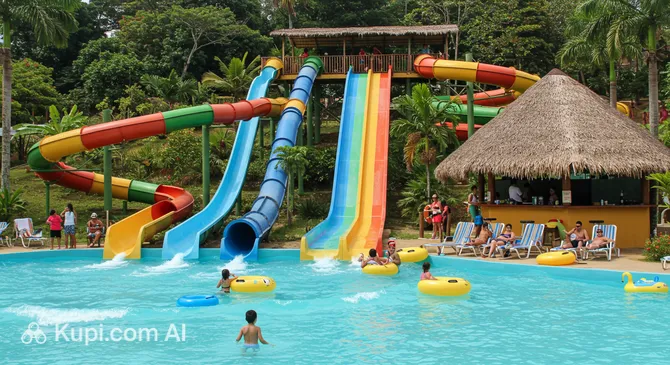
Montenegro Family Park is undoubtedly one of the main draws for tourists, especially those traveling with children. Imagine an oasis of fun with a variety of water slides, refreshing pools, and playgrounds. Here, you can not only have a great time on a hot day but also gain plenty of positive emotions for the whole family. The park offers entertainment for all tastes, from relaxing by the water to thrilling descents.

Montenegro Family Park. Illustration.
Source: Kupi.com AI

Traveler photos:

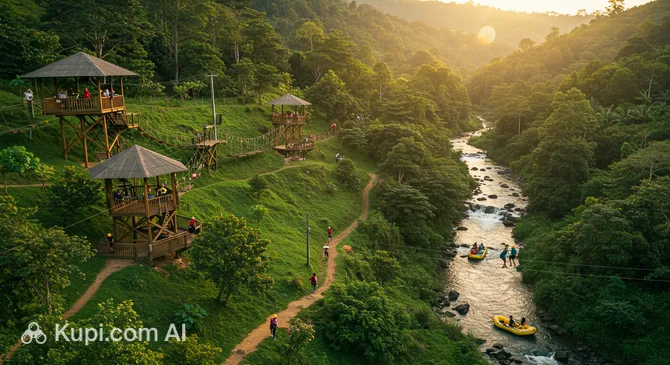
For adventure seekers and fans of active recreation, Balsaje and Adventures in Montenegro offers an unforgettable experience. This is not just entertainment, but a true immersion into the region's culture and nature through an exciting river rafting trip on traditional balsa rafts. Such a journey allows you to enjoy stunning views of Colombian nature, feel a slight adrenaline rush, and learn about ancient navigation methods still used in these parts. It is an ideal choice for those who want to add an element of authenticity and vivid impressions to their trip.

Balsaje and Adventure Montenegro. Illustration.
Source: Kupi.com AI

Traveler photos:

Local Cuisine

The gastronomy of Montenegro in Colombia is a true immersion into a world of vibrant flavors and aromas, where coffee undoubtedly takes center stage. As the heart of the coffee region, the town offers a chance to try the best varieties of Colombian coffee grown on the surrounding plantations. Particularly popular is "tinto"—a strong black coffee that locals drink at any time of day, enjoying its rich taste and invigorating effect.

Montenegro's culinary scene will delight travelers with authentic dishes. You must try "bandeja paisa"—an incredibly hearty and colorful assortment that is considered the region's signature dish. This meal typically includes beans, rice, fried meat (often pork or beef), chorizo, avocado, a fried egg, and sweet fried plantains. Another iconic dish is arepas, corn cakes served with various fillings, most often cheese. No less popular are empanadas—appetizing pastries filled with meat or potatoes, perfect for a quick snack.

Locals and tourists often enjoy meals in small family restaurants, cozy cafes, and busy street markets, where you can not only taste freshly prepared dishes but also feel the real atmosphere of Colombian hospitality. Farmers' markets and gastronomic festivals are also periodically held in Montenegro. This is a great opportunity to get acquainted with organic products, the exotic fruits that are in abundance here, and, of course, various ways of preparing coffee. Those with a sweet tooth will enjoy desserts based on cane sugar and caramelized fruits.

As for drinks, in addition to all kinds of coffee variations, it is worth paying attention to freshly squeezed juices from exotic fruits, which are excellent for quenching thirst. Although information on specific local alcoholic drinks for Montenegro is limited, aguardiente (anise-flavored spirit) and local beer are popular throughout Colombia.

Travel Tips

Welcome to Montenegro! This charming town in the heart of Colombia's coffee region will give you an unforgettable experience. To ensure your trip goes smoothly and leaves only warm memories, we have prepared some practical tips.

  1. Clothing and Essentials:

    The climate in Montenegro and the Quindío region is usually warm and humid, so bring light, breathable clothing made of natural fabrics. Don't forget a raincoat or umbrella, as rain is common here. Comfortable walking shoes are a must, especially if you plan to visit coffee plantations. Pack sunscreen, a hat, and insect repellent. For electrical appliances, you will need an adapter (in Colombia, Type A and B sockets are used, with 110V voltage). When visiting churches, choose modest clothing that covers shoulders and knees.

  2. Transportation in the City:

    Within Montenegro itself, given its size, it is convenient to get around on foot. For longer trips around the town or its surroundings, you can use local buses (busetas) or taxis. When using a taxi, it is recommended to agree on the price in advance or ensure the driver has turned on the meter. Taxi apps may not be as widespread as in large cities. Renting a car can be a good option if you plan to actively explore the picturesque Quindío region.

  3. Finances:

    The local currency is the Colombian Peso (COP). You can exchange currency at banks or exchange offices in larger cities along the way, or withdraw cash from ATMs (cajeros automáticos) once in Montenegro. Credit cards (Visa, Mastercard) are accepted in most hotels, restaurants, and large stores, but it is always useful to have cash for small purchases, fares, or at markets. International cards usually work, but it's best to check the terms with your bank. Tipping in restaurants is often 10% and may be included in the bill as "propina voluntaria" (voluntary tip).

  4. Health and Safety:

    In Montenegro, there are pharmacies (droguerías) where you can buy basic medications. If medical assistance is needed, there are medical centers in the town. It is recommended to have travel medical insurance. Montenegro, like the entire coffee region, is considered relatively safe for tourists. Nevertheless, follow standard precautions: keep an eye on your belongings, do not display expensive jewelry or gadgets, and be careful after dark.

  5. Communication:

    The official language is Spanish. In tourist areas, staff may speak English, but knowing a few basic phrases in Spanish will significantly facilitate communication and be warmly received by locals. For example: "Hola" (Hello), "Gracias" (Thank you), "Por favor" (Please), "¿Cuánto cuesta?" (How much does it cost?). You can buy a local SIM card (operators Claro, Movistar, Tigo) at specialized stores. Wi-Fi is available in most hotels and many cafes.

  6. Local Etiquette:

    Colombians are very friendly and polite. It is customary to greet people: "Buenos días" (Good morning), "Buenas tardes" (Good afternoon/evening), "Buenas noches" (Good night). A handshake is the standard form of greeting. Show respect for local traditions and be patient. A smile and polite address will always help establish contact.

  7. What to Avoid:

    Try not to take photos of people without their prior permission, especially members of indigenous communities if you encounter them. Avoid engaging in discussions on sensitive political topics or the country's past related to drug trafficking, unless locals initiate such a conversation themselves in a very trusting environment.

  8. Special Tip for Montenegro:

    Montenegro is located in the very heart of Colombia's famous coffee triangle. Don't miss the chance to visit one of the many coffee farms (fincas cafeteras) in the area. It is a unique opportunity to learn everything about the process of growing and producing coffee, from bean to cup, and of course, taste the freshest local drink. Also nearby is the famous National Coffee Park (Parque Nacional del Café)—a great place for entertainment and getting to know the coffee culture.

We hope these tips help you better prepare for your trip and enjoy every moment in hospitable Montenegro. We wish you vivid discoveries and a pleasant stay in the coffee heart of Colombia!

Entertainment & Nightlife

As the sun sets over the coffee plantations of Quindío, Montenegro offers its guests cozy and authentic ways to spend the evening. While the town is better known for its daytime activities and proximity to nature, there are places where you can relax after a busy day, enjoy the local atmosphere, and socialize.

Nightlife in Montenegro is mainly concentrated around the central streets, especially in the main square area. Instead of the noisy nightclubs of major metropolises, you will find traditional Colombian bars here, known as "tiendas" or "cantinas." In Montenegro, nightlife is represented mainly by these small local establishments. It is difficult to highlight specific, widely known bars or clubs; the best way to get to know the city's evening life is to walk through its central streets and drop into any place that catches your eye. This is where you can find authentic venues where locals relax, popular music—salsa, vallenato, or reggaeton—is played, and you can have a local beer or a shot of aguardiente. Some restaurants may also offer an evening program or stay open later, turning into spots for a pleasant dinner with friends.

The atmosphere in Montenegro's evening venues is usually very relaxed and welcoming. The crowd is predominantly local, providing a wonderful opportunity to dive into real Colombian culture. There is usually no specific dress code—comfortable casual clothing is perfectly appropriate. Establishments typically liven up closer to the weekend, and the best time to visit is from evening until about midnight, as many places may close relatively early, especially on weekdays.

Prices in Montenegro's bars and restaurants are generally quite moderate, especially compared to the major tourist centers of Colombia. Regarding getting around at night, the town is small, and if you are staying in the center, many places may be within walking distance. However, for longer trips or returning to your hotel late at night, it is recommended to use taxi services. It is safest to ask the establishment you are in to call a taxi for you or use well-known local services.

Overall, Montenegro is considered a relatively safe town, especially its central areas. Nevertheless, as in any other place, it is worth taking standard precautions after dark: avoid poorly lit and deserted streets, do not display valuables, and keep an eye on your drinks. Walking along the main, well-lit streets in the evening is usually safe.

During the day, Montenegro and its surroundings offer plenty of entertainment, even if the town is not famous for large theaters or world-class museums. Its charm lies elsewhere. The crown jewel for family vacations is the Montenegro Family Park, which offers water rides and fun for all ages. Nature lovers and seekers of authentic experiences will appreciate Balsaje and Adventures in Montenegro, where you can immerse yourself in the world of coffee plantations and enjoy active outdoor recreation. Additionally, you can stroll through local shops and markets in search of souvenirs and handicrafts that reflect the region's rich culture.
Parks & Museums

Montenegro, a charming town in the Colombian department of Quindío, offers its guests not only an immersion into the famous coffee region but also pleasant opportunities for outdoor recreation and getting to know the local culture. Here you can find both amusement parks and a touch of the authentic life of the coffee country.

For family vacations and water fun, the Montenegro Family Park is perfect. This water park offers a variety of slides and pools where you can cool off and have fun, especially on a hot Colombian day. It is a popular spot for both locals and tourists seeking active recreation.

Montenegro Family Park. Illustration.
Source: Kupi.com AI

Traveler photos:

If you prefer outdoor adventures and want to get closer to the region's nature, check out Balsaje and Adventures in Montenegro. This is an option for those seeking active recreation, perhaps including rafting or other outdoor activities characteristic of this picturesque corner of Colombia.

Balsaje and Adventure Montenegro. Illustration.
Source: Kupi.com AI

Traveler photos:

While Montenegro, as a small town, may not have large world-class museum complexes, its cultural heritage is closely linked to the region's coffee history. To better understand the local culture, you can visit small craft shops or look out for cultural events if any are taking place during your visit. The spirit of the Quindío coffee region is felt here at every step, from the aroma of freshly brewed coffee to the hospitality of the locals.

The architectural appearance of Montenegro, like many towns in the coffee triangle, likely preserves features of traditional colonial building. A walk through the central streets and the main square can provide pleasant impressions and a chance to see typical town life. Pay attention to the local church, which is often the architectural and spiritual center of such settlements.

For truly authentic experiences, head to one of the coffee farms (fincas) in the surroundings of Montenegro. Many of them offer tours where you can learn everything about the process of growing and processing coffee beans, from plantation to cup, and, of course, taste the freshest local coffee. This is a wonderful opportunity not only to enjoy the drink but also to understand why Colombian coffee is so valued worldwide.

Getting Around

When planning your movement around Montenegro, it is worth considering that, as in many small towns in Colombia, the public transport system has its own specifics. The main and most accessible way to get around is by buses and shared taxis (often called "colectivos" or "busetas"). They run along the city's main streets and connect it with nearby settlements. Schedules may be loose, and buses often depart as they fill up.

The fare payment system in Montenegro is generally quite simple. Most often, payment is made in cash directly to the driver or conductor upon entry. It is recommended to have small bills and coins, as the driver may not have change for large banknotes. The fare is usually low, but it is better to check current rates on the spot. Specialized transport cards or fare payment apps are rare in small towns like Montenegro.

Tourists planning to use public transport should be prepared for the fact that route information may be available mainly in Spanish. Stops are not always clearly marked, so don't hesitate to ask locals or the driver where it's best to get off. Buses usually start running early in the morning and stop in the evening; night services are generally absent or very rare.

As an alternative to public transport, taxis are always available in Montenegro. This is a more comfortable, though more expensive, way of moving around, especially convenient for trips with luggage or late at night. It is recommended to use official taxis or call a car through well-known local services. In some areas, motorcycle taxis may be popular for short trips, but safety concerns should be considered. Car-sharing options or a developed bike rental network are likely limited in a town of this size, although private bicycle rental points may be found, especially if the region is attractive for cycling.

Accommodation

In the town of Montenegro, located in Colombia's coffee region, tourists will find a variety of accommodation options for every taste and budget. Offers range from cozy guesthouses and budget hostels to more comfortable mid-range hotels and rental apartments. Here you can find both simple, functional options and accommodation with local flavor that allows you to dive deeper into the atmosphere of the Quindío region.

When choosing a place to stay in Montenegro, consider the proximity to the sites and transport hubs you are interested in. For example, if the main goal of your trip is to visit popular places like Montenegro Family Park, or if you are planning an active holiday including balsaje and adventures, it makes sense to look for accommodation nearby or with convenient access. Many lodging options offer easy access to major transport arteries, simplifying travel around the town and its surroundings.

Montenegro Family Park. Illustration.
Source: Kupi.com AI

Traveler photos:

To guarantee the best option and avoid a lack of availability, especially during peak tourist season or during local festivals, it is recommended to book your accommodation in advance. Early booking also often allows you to take advantage of better price offers.

The price range for accommodation in Montenegro is quite wide and can satisfy the needs of both budget travelers and those looking for a higher level of comfort. You can book a hotel, guesthouse, or apartment through popular international and local online booking platforms, or in some cases, by contacting the management of the chosen property directly.

Nearby Cities

For those who want to explore the surroundings, Montenegro serves as an excellent starting point for day trips to several interesting nearby places.

For example, Armenia, the capital of the Quindío department, is only 9 kilometers away and is the heart of the famous coffee region, offering visitors the chance to immerse themselves in the world of coffee and visit the Quimbaya Gold Museum. Another interesting option is Pereira (28 km), a vibrant city with developed infrastructure, known for its impressive César Gaviria Trujillo Viaduct and various shopping and leisure opportunities. Also noteworthy is Calarcá (13 km), home to the beautiful Quindío Botanical Garden, featuring hundreds of plant species and a famous butterfly pavilion.

CityPopulationDistance
Quimbaya35 2767 km
Armenia301 2269 km
Alcala23 19512 km
La Tebaida42 16313 km
Calarca79 56913 km

These nearby destinations provide a more complete picture of the diverse culture and landscapes of the Quindío region and neighboring areas, complementing your experience in Montenegro.

Shopping & Souvenirs

While Montenegro in Colombia may not be a major shopping hub like the capital cities, it offers unique opportunities to buy authentic goods that reflect the culture of the coffee region. Here, you won't find huge malls, but rather cozy little shops and stalls where you can purchase items made by local artisans and, of course, the famous Colombian coffee.

The main shopping points in Montenegro are generally concentrated in the central part of the town, around the main square and on the adjacent streets. This is where you can find most of the shops offering a variety of goods—from food to souvenirs and clothing. Strolling through these streets will allow you to soak up the local atmosphere and find something special.

In Montenegro, you are unlikely to find large modern shopping centers in the conventional sense. The town maintains its traditional way of life, and shopping here is mainly represented by small shops and family-run stalls. This gives it a special charm and allows you to focus on finding unique local products.

Local markets may operate in the town, especially on certain days of the week. At these markets, you can buy fresh fruits, vegetables, local delicacies, and sometimes handicrafts. Visiting the market is a great way to get to know the daily life of the townspeople and try authentic products from the Quindío region.

The main souvenir from Montenegro and the entire coffee region is undoubtedly coffee. You can find it in beans, ground, in various varieties and roasts. Hand-crafted items are also popular: ceramics, textiles (for example, traditional "ruana" cloaks), and souvenirs made of wood or bamboo (guadua). Look out for sweets based on coffee or local fruits—they make excellent tasty gifts.

Most shops in Montenegro are usually open from the morning, around 9:00-10:00, and stay open until the evening, around 18:00-19:00. Some small stalls may close for a lunch break. Regarding payment, it is preferable to have cash (Colombian Pesos, COP) in small shops and markets. In larger or tourist-oriented establishments, bank cards may be accepted, but it is better to check this in advance.

Foreign tourists in Colombia may be eligible for a VAT (IVA) refund on certain goods purchased in the country. It is recommended to check the possibility of Tax Free directly in stores when making purchases and keep all receipts. The refund procedure is usually carried out at the airport when departing the country.

Reached the end of the page?

That means the route is fully explored