Support

Museo Taminango

About

In the heart of the colonial center of Pasto lies a unique attraction — the Taminango Museum of Arts and Folk Traditions. It is housed in a majestic 17th-century manor known as Casa Taminango. This building is a historical monument in its own right: constructed from traditional rammed earth and plastered with a mixture of clay and straw, it became a national monument of Colombia in 1971.
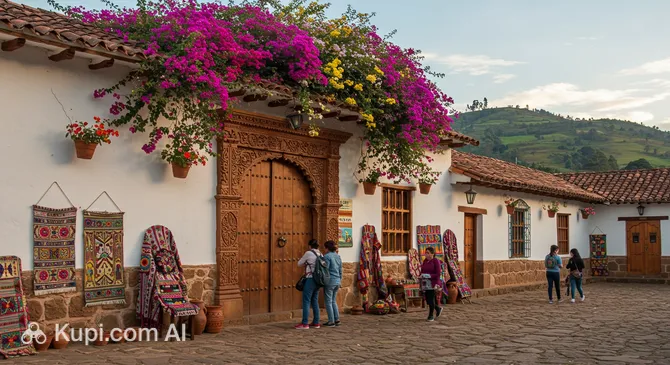
Taminango Museum of Arts and Popular Traditions
Taminango Museum of Arts and Popular Traditions. Иллюстрация. Источник: Kupi.com AI

The museum serves as a guardian of the rich cultural heritage of the Nariño Department. Its collection features about 860 artifacts that tell the story of local craftsmanship and folk art. This is a place where time seems to have stood still, allowing visitors to touch centuries-old traditions passed down from generation to generation.

The exhibition is striking in its diversity: it features masterpieces of the famous Pasto varnish (mopa-mopa), exquisite wood carvings, products made from totilla straw and wool, as well as items made of leather, bone, and stone. The Taminango Museum of Arts and Folk Traditions is a must-see stop for those who want to understand the true soul of southern Colombia through its crafts.

Contacts

To inquire about special exhibitions or group tours, you can use the official communication channels. The museum maintains up-to-date information for visitors:

How to contactContact
AddressCl. 13 #27-67, Pasto, Nariño, Colombia
Phone+57 602 7235539
Websitemuseotaminango.com

What to Do

A visit to the museum offers guests a deep dive into the world of folk crafts. You can see over 800 unique items, each handmade using ancient techniques. Special attention should be given to the halls dedicated to Pasto varnish (barniz de Pasto) — a rare technique of decorating with plant-based resin included in UNESCO's Intangible Cultural Heritage list. In addition, the displays showcase fine woodwork, cabuya weaving, and doll making that reflects the local flavor.

A walk through the museum grounds is not limited to the exhibition halls. Be sure to look into the inner courtyard, where a medicinal plant garden has been planted. Here they grow chamomile, oregano, mallow, and paico — plants that have been used by locals for healing for centuries. A traditional blacksmith shop and an old stone mill have also been recreated on the grounds, providing a vivid picture of the lifestyle of past centuries.

For those who want to take a piece of Colombian craftsmanship home, there is a souvenir shop at the museum. It sells authentic works by contemporary masters, made using the same techniques as the museum exhibits. Cultural events and temporary exhibitions often take place at the museum, so every visit can bring new discoveries.

Getting There

Finding this cultural treasure is quite easy, as it is located in the historical center of the city. The museum is at Cl. 13 #27-67, just a few minutes' walk from major city landmarks such as Cajorda Plaza or the majestic cathedral. A walk through the central streets allows you to slowly immerse yourself in the atmosphere of the old city before your museum visit.

If you are staying in outlying areas, it is most convenient to use a local taxi or public buses that regularly run through the center. For those arriving in the city via Antonio Nariño Airport, a taxi ride will take about 30–40 minutes depending on traffic.

For self-navigation, you can use Google Maps by entering the name of the site or its exact coordinates. Its proximity to major transport arteries makes the museum one of the most accessible attractions for tourists deciding to explore the southern regions of the country.

Ближайший город: Pasto

History & Facts

The history of this remarkable place began in the early 17th century. Casa Taminango, which houses the collection today, was built between 1603 and 1623. The building is a rare example of colonial architecture created using the tapia pisada (rammed earth) technique. In 1971, it rightfully earned the status of a national monument, having preserved the authentic spirit of the era thanks to a meticulous restoration in the 1970s.

The museum owes its creation to Dr. Pablo Morillo Cajiao, who founded the Fundación Museo Taminango Monasco Dachis in 1970. Interestingly, part of the foundation's name honors a Russian citizen, Monasco Dachis, whose generous donation helped purchase the historic building for cultural purposes. For his invaluable work in preserving traditions, Dr. Morillo was awarded the prestigious national prize from the Ministry of Culture in 2010.

The museum officially opened to the general public on July 14, 1989. The institution's main goal was to save the unique crafts of the Nariño region, which were under threat of extinction, from oblivion. Today, the museum's collection clearly demonstrates the evolution of folk art and the result of different cultures meeting during the colonial period, turning the historic manor into a living chronicle of craftsmanship.

Time Needed

To leisurely view all the exhibits, stroll through the inner courtyard, and stop by the souvenir shop, most visitors need between 1 and 2 hours. This is quite enough time to get acquainted with the main craft techniques and appreciate the architectural beauty of the colonial manor.

If you plan to study each craft process in detail or want to spend more time in the medicinal plant garden studying the local flora, it is worth setting aside a bit more time for your visit. The museum is not massive in size, but its intimate atmosphere encourages thoughtful and calm exploration.

Working Hours

The museum welcomes visitors on weekdays and Saturdays, with a break in the middle of the day. If you are planning your visit, please note the current schedule:

From Monday to Friday, the doors are open from 8:00 AM to 12:00 PM and from 2:00 PM to 5:30 PM. On Saturday, the museum operates on a shortened schedule — from 9:00 AM to 12:30 PM. Sunday is a day off, so plan your excursion in advance so as not to miss the opportunity to see the unique collections.

DayWorking hours
Понедельник8:00 – 12:00, 2:00 – 17:30
Вторник8:00 – 12:00, 2:00 – 17:30
Среда8:00 – 12:00, 2:00 – 17:30
Четверг8:00 – 12:00, 2:00 – 17:30
Пятница8:00 – 12:00, 2:00 – 17:30
Суббота9:00 – 12:30
ВоскресеньеЗакрыто

Nearby

After discovering the craft traditions at the museum, be sure to take some time to walk around the neighborhood. Its location in the central part of the city allows for quick access to other iconic spots, each revealing a new facet of regional life.

NameDistance
San Felipe Church0.2 km
Bomboná Park0.2 km
Unicentro Pasto0.5 km
Pasto Cathedral0.5 km
Black Sheep Pub0.6 km
Capitán Nirvana0.6 km
San Agustin Church0.6 km

Reached the end of the page?

That means the route is fully explored