Support

Museo del Oro

About

The Gold Museum in the city of Pasto is a unique cultural space that invites guests to look back through the centuries and discover the brilliant heritage of the pre-Columbian era. As an official branch of the famous Gold Museum of the Bank of the Republic, this institution houses an invaluable collection of artifacts created by the ancient peoples of southern Colombia.
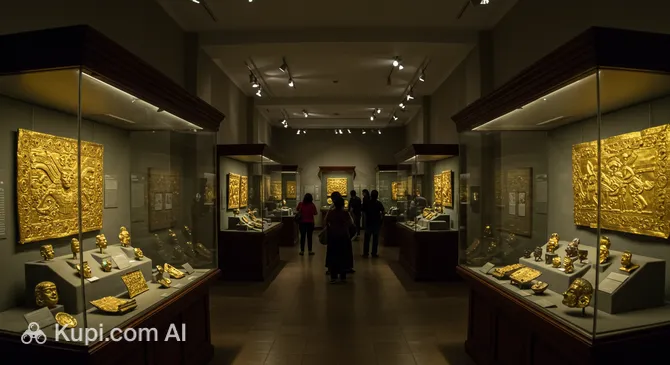
Gold Museum
Gold Museum. Иллюстрация. Источник: Kupi.com AI

The core of the exhibition consists of exquisite gold jewelry and tumbaga — a special alloy of gold and copper. Here you can see ritual objects, massive breastplates, and miniature figurines that demonstrate the incredible skill of ancient metallurgists. These treasures once served as symbols of power and spirituality for the cultures of the Nariño region.

Located in the historic center, the museum delights visitors not only with its exhibits but also with its calm, thoughtful atmosphere. It is an essential stop for those who want to understand the origins of Colombian history and see the legendary indigenous gold that has been preserved through the centuries.

Contacts

To inquire about special exhibitions or group visits, you can contact the museum administration directly. The Nariño Gold Museum is open to everyone wishing to experience the region's history.

How to contactContact
AddressCl 19 # 21-27, Pasto, Nariño, Colombia
Phone+57 601 3430602
Websitewww.banrepcultural.org

What to Do

The main activity at the museum is, of course, exploring the permanent exhibition. You will see stunning ritual masks, intricate earrings, nose ornaments, and breastplates. Notice the detailed craftsmanship of the animal and human figurines — each object encodes the legends and beliefs of the region's ancient inhabitants.

The museum halls often host temporary exhibitions dedicated to the latest archaeological finds, providing an opportunity to see new facets of the region's history. For a deeper immersion, you can use the information panels that explain in detail the meaning of symbols and jewelry-making techniques, such as false filigree.

Don't forget to stop by the small museum shop. Here you can purchase high-quality jewelry replicas, books on art history, and original souvenirs that will serve as a wonderful reminder of your trip. Thanks to its intimate feel and focus on local culture, a visit to this museum leaves a special impression, distinct from the large-scale galleries of the capital.

Getting There

Finding the museum is easy, as it is located in the very heart of the historic center at Cl 19 # 21-27. Most popular hotels are within walking distance, and a stroll from the central cathedral will take you less than 10 minutes through the city's vibrant streets.

If you are arriving from Antonio Nariño Airport (PAS), a taxi ride will take about 20–30 minutes (the distance is approximately 30 km). The trip will cost around 50,000–70,000 Colombian pesos. For convenient travel around the city, it is recommended to use mobile apps like InDriver or Uber, as parking in the center is very limited.

For those who prefer public transport, buses heading to the center of Pasto are a good option. The stop is just a few minutes' walk from the museum entrance. Nevertheless, walking is the best way to soak in the atmosphere of the area and avoid potential traffic on the narrow streets.

Ближайший город: Pasto

History & Facts

The Nariño Gold Museum was founded under the auspices of the Bank of the Republic of Colombia. Its primary mission is the preservation and study of the rich heritage of the pre-Columbian civilizations that once inhabited the territory of the modern Nariño Department. This region has been famous since ancient times for its master jewelers, who were creating masterpieces as early as the 16th century and before.

Historical chronicles show that local tribes possessed vast reserves of gold, which played a key role in their ritual life and trade relations. The finds presented in the halls include items from the Nariño and Quimbaya cultures. Special attention is given to metalworking techniques such as forging and casting, which reached incredible levels of perfection here.

The regional branch in Pasto highlights the uniqueness of local art, which is closely linked to the cults of natural forces and the sun. The museum's exhibits are more than just treasures; they are vital archaeological evidence of how ancient societies perceived the world and their place in it through the brilliance of noble metal.

Time Needed

To leisurely explore all the halls and delve into the details of the exhibition, most travelers find 1–2 hours sufficient. The main part of the collection is arranged compactly, allowing enough attention for each significant artifact.

If you are passionate about archaeology or jewelry making, allow for a bit more time — about an hour and a half to read the information plaques and study the casting techniques. For a standard introductory visit, 45–60 minutes is usually enough, including time to visit the souvenir shop.

Working Hours

When planning your visit, please note that the museum follows a traditional schedule for cultural institutions in the region. The doors are open to visitors from Tuesday to Saturday.

Opening Hours:
• Tuesday – Saturday: 10:00 – 17:00
• Monday and Sunday: Closed.

DayWorking hours
ПонедельникЗакрыто
Вторник10:00 – 17:00
Среда10:00 – 17:00
Четверг10:00 – 17:00
Пятница10:00 – 17:00
Суббота10:00 – 17:00
ВоскресеньеЗакрыто

Nearby

After immersing yourself in the world of ancient gold, it is worth spending time at other interesting sites nearby. Exploring the surroundings of Pasto will help you better understand the multifaceted culture and daily life of this Colombian region.

Near the museum, you will find both historical monuments and modern recreation areas for the whole family. Here is a list of nearby sites worth visiting:

NameDistance
Embrujo Andino Peña Bar0.2 km
Carnival Plaza0.2 km
Nariño Square0.4 km
Christ the King Temple0.4 km
San Agustin Church0.4 km
Capitán Nirvana0.6 km
Pasto Cathedral0.6 km

Reached the end of the page?

That means the route is fully explored