Support

Pandiaco cultural center The Carnaval Museum

About

Imagine a place where the atmosphere of a grand celebration remains all year round. The Pandiaco Cultural Center — Carnival Museum is an incredible space in the city of Pasto, dedicated to one of the most vibrant events in Colombia — the famous "Blacks and Whites' Carnival." It is not just a museum, but a true treasure trove of folk art and the skill of local artisans.
\n\n
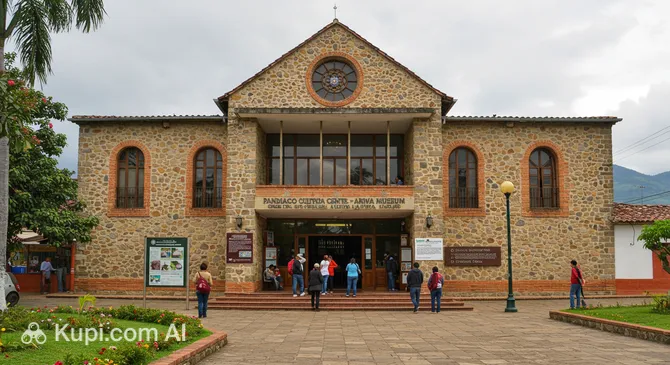
Pandiaco Cultural Center – Carnival Museum
Pandiaco Cultural Center – Carnival Museum. Иллюстрация. Источник: Kupi.com AI
\n\n

The museum is located in a unique historical building of a former slaughterhouse, which has been completely renovated to showcase large-scale exhibits. Here you will see giant colorful figures and detailed floats (carrozas) that once took part in the festive parades. The exhibition clearly demonstrates the incredible blend of African, Indigenous, and Spanish traditions that form the foundation of the Nariño region's culture.

\n\n

A visit to the museum allows you to appreciate the scale of the carnival, which is recognized by UNESCO as an Intangible Cultural Heritage of Humanity. Bright colors, expressive puppet forms, and miniature models of parade floats make this place ideal for family outings and experiencing the authentic spirit of South America. Importantly, admission to the museum is traditionally free, making it an accessible and essential stop on any traveler's itinerary.

Contacts

To confirm details before your visit or when planning a group tour, you can use the city's official resources. Although the museum does not have its own dedicated website, key information is published on the municipal administration portal.

\n\n
How to contactContact
AddressCl 19 #42-60, Pasto, Nariño, Colombia
Websitewww.pasto.gov.co

What to Do

Inside the museum walls, a visual explosion of colors and forms awaits you. The main activity here is examining the giant carnival sculptures, which are striking in their detail and the imagination of their creators. You can get a close-up look at the materials and techniques used by the artesanos masters to create these masterpieces from papier-mâché and polystyrene.

\n\n

Be sure to check out the collection of miniature models of the floats. They allow you to appreciate the overall composition of the parade entries, which can reach several stories high on the actual city streets. The walls of the halls are decorated with historical photographs telling the story of how the festival has changed over the decades, and information panels in Spanish and English will help you understand the symbolism of the characters.

\n\n

For fans of colorful content, the museum is the perfect backdrop for photo sessions. The massive heads of fantastic creatures, masks, and costumes serve as magnificent settings. If you're lucky, you might meet staff members who are happy to talk about the specifics of building structures for the next carnival. The best time to visit is January, when the festival itself takes place in the city, but in other months, the museum still allows you to fully immerse yourself in its vibrant atmosphere.

Getting There

The Pandiaco Cultural Center is located at Cl 19 #42-60 in the northern part of the city, in the Pandiaco neighborhood. This location is well-known to locals, so finding it is quite easy. If you are staying in the central part of Pasto, a taxi ride will take only about 10–15 minutes.

\n\n

For those who prefer public transport, city buses regularly run toward the museum. A good landmark for getting off is Pandiaco Park, located in the immediate vicinity. The area is considered safe and pleasant for walking, so in good weather, you can reach the museum on foot while enjoying the city views.

\n\n

If you are arriving in the region by plane, keep in mind that Antonio Nariño Airport is approximately a 45-minute drive from the city. From there, it is most convenient to take a licensed taxi or arrange a transfer directly to the museum or your hotel.

Ближайший город: Pasto

History & Facts

The history of this place began quite unusually: the Carnival Museum was opened on December 20, 2000, in a building that formerly served as the city slaughterhouse. Architectural transformation turned the industrial space into a vibrant cultural center, which today stands as the main guardian of the Nariño region's traditions.

\n\n

The centerpiece of the exhibition is the "Blacks and Whites' Carnival" (Carnaval de Negros y Blancos). In 2009, UNESCO included this unique celebration in the Representative List of the Intangible Cultural Heritage of Humanity. The museum was created specifically so that visitors to the city could experience the magic of the festival at any time of year, not just in early January.

\n\n

The museum's exhibits clearly demonstrate the evolution of local craftsmanship. It houses archival photographs, initial sketches of floats, and costume elements from past decades. This allows visitors to trace how the technology for creating giant figures has changed—from the use of simple materials to complex modern structures.

\n\n

Special attention is given to the contribution of local artists and artisans who pass their knowledge down through generations. The Pandiaco Cultural Center highlights the synthesis of Indigenous, African, and Spanish traditions that shaped the unique identity of Pasto residents and their distinctive artistic style.

Time Needed

For a thorough exploration of the Carnival Museum exhibits, most tourists need between 1 to 1.5 hours. This is usually enough time to leisurely examine the details of the giant figures, read the information boards, and take vibrant souvenir photos.

\n\n

If you plan to study the history of the festival in detail or spend time talking to the staff—who often share fascinating details about the float-making process—it is worth setting aside about 2 hours for your visit. The museum is compact but densely packed with visual details, so time passes quickly here.

Working Hours

The Pandiaco Cultural Center adheres to a traditional regional work schedule, including a siesta break. The museum is open to visitors daily, making it easy to include in your travel plans any day of the week.

\n\n

Working Hours:
\nMonday – Sunday: 08:00 – 12:00 and 14:00 – 18:00.

\n\n

Please note that entry to the museum is free, but it is best to arrive at least half an hour before the lunch break or evening closing time to ensure you can explore the entire exhibition without rushing.

8:00 – 12:00, 2:00 – 18:00

Nearby

A visit to the Carnival Museum in the Pandiaco district is an excellent reason to explore the northern and central parts of the city. There are many interesting spots nearby that offer a better look into the daily life and entertainment of the locals.

\n\n

A stroll through the surrounding area will allow you to see both historical monuments and modern entertainment venues for the whole family. Below is a list of nearby attractions you can visit after exploring the museum:

\n\n
NameDistance
Black Sheep Pub1.1 km
Unicentro Pasto1.5 km
Bomboná Park1.5 km
Capitán Nirvana1.7 km
Taminango Museum of Arts and Popular Traditions1.7 km
San Felipe Church1.8 km
Pasto Cathedral1.8 km

Reached the end of the page?

That means the route is fully explored