Support

Sabaneta

About

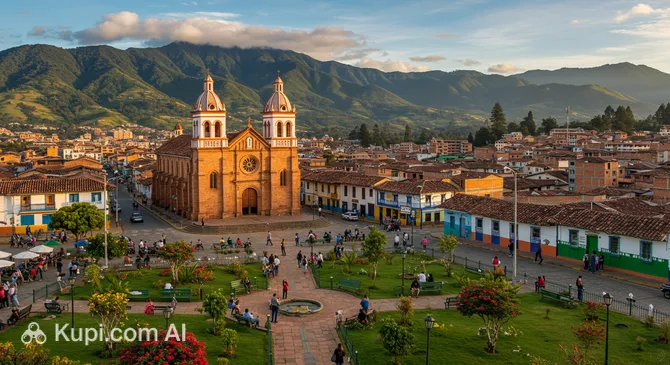
Sabaneta is a cozy and picturesque town located in the Antioquia Department, just a few kilometers from the major metropolis of Medellín. Thanks to its location in the Andean valley, this area enjoys a mild climate and beautiful landscapes, making it a popular destination for those seeking tranquility and authenticity. Despite its compact size, Sabaneta possesses a unique atmosphere where tradition and modern comfort are harmoniously intertwined.

Today, home to approximately 82,375 people, the town is renowned for its safety and hospitality. For many travelers, this municipality reveals the true, non-touristy side of Colombia. Here, you can feel the steady rhythm of the Paisa region’s life while enjoying walks through well-kept streets without unnecessary hustle and bustle.

Sabaneta. Illustration.
Source: Kupi.com AI

The town's cultural and architectural heritage deserves special attention. The fascinating history of Sabaneta is reflected in its preserved colonial buildings that stand alongside modern structures. The green parks and the main square, where life is in full swing and community events take place, serve as the center of attraction for locals and tourists alike.

Furthermore, Sabaneta is known as an excellent gastronomic destination. In the town's numerous cafes and restaurants, you can sample traditional local dishes prepared according to ancient recipes. It is an ideal place to get acquainted with the culinary traditions of Antioquia and relax surrounded by friendly people.

Weather Overview

The climate in Sabaneta is remarkably stable, making a visit to the town comfortable at any time of year. An atmosphere of "eternal spring" prevails here: the average air temperature hardly changes from month to month and stays at a level of **18–19°C**. During the day, the air usually warms up to a pleasant **23–25°C**, while the nights bring refreshing coolness as the thermometer drops to **13–14°C**.

A characteristic feature of the local weather is frequent precipitation. Rain is a regular occurrence here: even in January, which is considered one of the driest months, about 17 rainy days are recorded. During peak months such as May or October, an umbrella may be needed almost daily. To plan your walks and excursions with maximum comfort, we recommend checking the current weather in Sabaneta before your trip.

Expect moderately warm temperatures throughout the year with a high probability of precipitation, so a light waterproof jacket will be an indispensable item in your luggage.

Average monthly temperature

Average monthly precipitation

Interesting Facts

Beyond its main architectural monuments and cozy streets, Sabaneta holds many fascinating secrets and features that make this town unique even against the backdrop of the neighboring metropolis. Here are a few facts that will help you better understand the soul of this place:

  • The Heart of Paisa Culture. Sabaneta unofficially but proudly carries the title of the "Heart of the Paisa region." This means that it is here where travelers can observe the most authentic manifestations of ethnic traditions, local dialect, and customs that residents carefully pass down from generation to generation, preserving their flavor amidst modern urbanization.

  • City of Festivals. The town's event calendar is packed with vibrant activities. Sabaneta is famous for its celebrations, among which the Flower Festival and historical bullfighting festivals hold a special place. These events fill the streets with music and dancing, serving as a living reflection of the local temperament and love for holidays.

  • Colonial Heritage in the Center. The town's main park, Parque Bolívar, is not just a green zone but a real open-air museum. Here, next to the statue of national hero Simón Bolívar and the traditional church, rare architectural monuments of the colonial period have been preserved, providing a glimpse into the region's past.

  • Legends of Independence. Sabaneta's historical depth is revealed through local lore. Urban legends, which old-timers are happy to tell, recount the times of the struggle for independence and the lives of the first settlers, giving every old building a special mystical charm.

How to Get There

Sabaneta is part of the Aburrá Valley metropolitan area, so getting here is easy, especially if you are traveling through the neighboring metropolis. Thanks to the region's developed infrastructure, travelers can choose between various modes of transport. You can find more about how to get to Sabaneta on a separate page, and below we will look at the main air gateways welcoming tourists.

The main hub for most international travelers is José María Córdova International Airport (MDE). This is the region's largest airport, serving flights from many countries around the world. There is no airport in the town of Sabaneta itself, but you can fly into this hub, which is formally associated with the city of Medellín (Rionegro) and is located about 21.5 km from Sabaneta. The journey by taxi or transfer along winding mountain roads takes about 50–60 minutes, but the views along the way are stunning.

For domestic flights within the country, Enrique Olaya Herrera Airport (EOH) is often used. It is located much closer, directly within Medellín city limits, just 8.2 km from the center of Sabaneta. This is a regional airport with moderate passenger traffic, perfect for those flying from other Colombian cities. The trip from here to your hotel by taxi or bus takes only about 30–35 minutes.

For clarity, here is a summary of the main airports through which you can reach the region:

AirportPassenger trafficDistance
Enrique Olaya Herrera Airport1.2 mln8 km
Jose Maria Cordova International Airport11.8 mln22 km
El Carano Airport353 504124 km
La Nubia Airport223 053125 km
Matecana International Airport2.8 mln149 km

As for rail connections, they are not used for intercity passenger transport in this region. There are no major stations in Sabaneta or its surroundings that accept long-distance trains. Buses and cars remain the main land methods for reaching the town. Sabaneta is perfectly integrated into the Aburrá Valley transport network and is connected to Medellín by a modern metro line, making the trip from the heart of the metropolis fast and comfortable.

Main Attractions

Despite its modest size, Sabaneta offers travelers a rich itinerary. This town is often called the "Corner of Youth" of the Aburrá Valley, yet it also carefully preserves its traditions and religious heritage. Here are several places that are definitely worth including in your walking route.

The heart of the town is rightfully considered Parque Simón Bolívar. Unlike many noisy metropolitan squares, this park has maintained a cozy, almost homely atmosphere. It's pleasant to hide in the shade of the trees here, enjoy fresh-squeezed juice, or try the famous local buñuelos—the cheese fritters for which Sabaneta is famous. In the evenings, the park comes alive: locals gather to chat, and street performers put on small shows.

Right across from the park rises the main spiritual landmark—the Church of Saint Anne (Iglesia de Santa Ana). This temple is known far beyond the town boundaries thanks to the Sanctuary of Mary Help of Christians. The church gains particular popularity on Tuesdays, when thousands of pilgrims arrive for the weekly mass. The architecture of the building and its interior decorations impress even those far from religion, creating a sense of peace and solemnity.

For nature and outdoor activity lovers, the La Romera Ecological Reserve (Reserva Ecológica La Romera) is a real find. These are the "green lungs" of the municipality, located just a few kilometers from the urban area. There are scenic hiking trails winding through dense forests where you can spot rare bird species and enjoy panoramic views of the Aburrá Valley. It is an ideal place to escape the city rush and breathe clean mountain air.

Those interested in history and art should visit the La Barquereña House of Culture (Casa de la Cultura La Barquereña). This beautiful historical building, surrounded by gardens, serves as the center of Sabaneta's cultural life. It regularly hosts exhibitions, concerts, and workshops, and the architecture of the estate itself allows you to step back in time and imagine what the region looked like during the colonial era.

Local Cuisine

The gastronomic scene of Sabaneta is a vibrant reflection of the culinary traditions of the Antioquia region, where the food is hearty, simple, and full of flavor. The main dish that every guest must try is the famous Bandeja Paisa. It is a true "feast" consisting of beans, rice, ground meat, fried pork rind (chicharrón), an egg, avocado, and plantain. Portions here are typically very generous, so this dish is often ordered to share or when you are very hungry.

However, Sabaneta has its own unique "calling card" that brings in even residents of neighboring Medellín. These are the giant buñuelos. These fried balls made of corn flour and cheese reach the size of a grapefruit here and are served hot and crispy. The best accompaniment for them is considered to be Natilla—a sweet dessert resembling custard, which is particularly popular during the Christmas season but available year-round.

Regarding drinks, locals prefer traditional options. Be sure to try Mazamorra—a drink based on cooked corn served with milk and pieces of panela (unrefined cane sugar). Among alcoholic beverages, the king of the table is Aguardiente—an anise-flavored spirit that is drunk in small portions in Colombia during heartfelt conversations. Also popular is "refajo"—a refreshing cocktail made of beer and "Colombiana" soda.

The dining culture in Sabaneta is concentrated around the main park and adjacent streets. There is a festive atmosphere: tourists and locals eat right on the street or in open-air cafes, enjoying the cool evening air. A special charm is added to the town by traditional fondas—restaurants decorated in a rustic style where folk music plays and the interior is adorned with everyday items from old Antioquia. These are the best places to immerse yourself in the authentic atmosphere and have a delicious dinner.

Travel Tips

Sabaneta is an incredibly welcoming place where every traveler quickly begins to feel at home; however, knowing the local nuances will make your trip much more comfortable and peaceful. We have gathered the most relevant and proven recommendations to help you easily navigate the town and enjoy its unique atmosphere without extra hassle.

  1. Clothing and Climate. Since the town is in the zone of "eternal spring," the weather here is comfortable but changeable. Be sure to bring a light jacket or raincoat, as well as a folding umbrella — rain can start suddenly. For walking through Sabaneta's hilly streets, comfortable flat-soled shoes are ideal. If you plan to visit the Church of Saint Anne, observe a modest style: shoulders and knees should be covered.

  2. Transport Accessibility. The most convenient way to get around is the metro, which connects Sabaneta with Medellín (the nearest stations are Sabaneta and La Estrella). Green integrated buses run from the stations to the central square. Within the town, it is easy to catch a yellow taxi; always ask to turn on the taximeter ("taxímetro"). Renting a car is not recommended due to heavy traffic and narrow streets.

  3. Financial Matters. The official currency is the Colombian Peso (COP). Although credit cards are accepted in large shopping centers (like Mayorca Mall) and supermarkets, cash is preferred in small cafes, fondas, and buñuelo stalls. ATMs are widespread. Tips ("propina") in restaurants are often included voluntarily in the bill (usually 10%); check the receipt before paying.

  4. Safety and Health. Sabaneta is considered one of the safest municipalities in the region, but basic precautions are necessary: do not display expensive gadgets or jewelry on the street (the "don't give papaya" principle). Pharmacies ("Droguería") are common, and many stay open late. It is better to drink bottled or filtered water, although tap water in the region is considered drinkable.

  5. Communication and Language. The primary language is Spanish; English is not spoken everywhere, so download an offline translator and learn basic phrases. It is best to buy a SIM card from local operators (Claro, Tigo, Movistar) at official communication salons or large supermarkets; a passport will be required. Wi-Fi is available in many cafes and in the main park, but speed can vary.

  6. Local Etiquette. Residents of Sabaneta are very polite and friendly. It is customary to say hello ("Buenos días" or simply "Buenas") when entering a shop or an elevator. It is better to address strangers using the formal "You" (Usted), even if they are younger than you. Refusing food offered by locals from the bottom of their hearts might be perceived as impolite.

  7. What to Avoid. Categorically avoid conversations and jokes regarding drug trafficking or historical criminal figures. For Colombians, this is a painful page of history, and such topics are considered bad form and a sign of disrespect toward the country.

  8. Tip about "Tuesdays". Keep in mind that Tuesday is a special day in Sabaneta. On this day, thousands of pilgrims flock to the Church of Saint Anne. If you want a quiet walk and photos without crowds, plan your visit for any other day of the week. If you are interested in seeing religious fervor and local color in all its glory — come specifically on Tuesday, but be prepared for queues and traffic jams.

By following these simple tips, you can avoid awkward situations and focus on the main thing — enjoying the local flavor, delicious food, and warm interactions with the residents. Sabaneta is open to guests and ready to give you the warmest memories of your trip to Colombia!

Entertainment & Nightlife

Sabaneta's nightlife is a separate chapter in the book of traveling through Colombia. While neighboring Medellín is famous for its trendy clubs in the El Poblado district, Sabaneta offers a more authentic, folk, and heartfelt leisure format. Here, the atmosphere of a true "paisa" fiesta prevails: the music is loud, aguardiente flows freely, and locals welcome guests with open arms. Evenings here usually start slowly, but the fun reaches its peak by midnight.

The epicenter of evening activity invariably remains Parque Sabaneta (Parque Principal). As the sun sets, the square fills with people of all ages. It is the perfect spot for a "pre-party": you can sit at a table in one of the many open-air cafes, order a bottle of local rum or beer, and watch the city's life unfold. Numerous small bars and eateries are concentrated around the park, where prices are significantly lower than in the tourist zones of the Medellín metropolitan area.

However, for a real Colombian rumba (party), you should head to the La Doctora neighborhood and Avenida Las Vegas. This is the main artery of the town's nightlife, where the concentration of entertainment venues per square meter is sky-high. Here, "fondas" predominate—traditional bars decorated in a rustic style, with bright balconies, vintage utensils, and often live music. These places play "crossover"—an infectious mix of salsa, vallenato, merengue, and reggaeton.

Among the specific venues worth visiting to experience the local flavor are:

  • Fonda La Chismosa — one of the most popular spots in the La Doctora area. It is the quintessence of Colombian fun: vibrant interior, dancing until you drop, and an excellent drink menu. Large groups come here to celebrate holidays or simply welcome the weekend.
  • El Viejo Almacén — a venue with a more nostalgic atmosphere, where tango and bolero are often played, reminding guests of the times when this genre was the king of music in the region. It's a great place for those who want not only to dance but also to listen to soulful melodies.
  • Mayorca Mall (Centro Comercial Mayorca) — for those who prefer a more modern and calm format. In the shopping center's new tower, the upper floors house an area with restaurants and bars offering a nice view of the city at night.

Practical tips for night outings:

Parties in Sabaneta usually kick off on Thursday and last through Sunday, but the peak is on Friday and Saturday. Most bars are open until 2:00–4:00 AM. The dress code in most places is casual; "casual style" is appropriate everywhere, although local women often dress up very stylishly. The average check for a night (drinks and snacks) will be around 50,000 – 100,000 COP per person, which is quite budget-friendly.

In terms of safety, Sabaneta is considered a quiet place, but it is better to move around by taxi at night, especially if you have been drinking. Official yellow taxis or apps like Uber and DiDi work perfectly here. The park area and La Doctora are well-lit and patrolled, but wandering alone deep into dark residential blocks is not recommended.

If you are looking for daytime entertainment, Sabaneta offers more than just bars. During the day, you can visit modern cinemas in the Mayorca or Aves Maria malls, stroll through shopping galleries, or stop by small museums at the house of culture. But still, the main "daytime" attraction is the atmosphere of slow life itself, which is best absorbed with a cup of coffee in hand at the main square.

Parks & Museums

Sabaneta may seem like a densely built-up urban space, but this municipality carefully preserves its "green lungs" and cultural centers. For tourists, this is an excellent opportunity to see how modern public spaces sit alongside the untouched nature of the Andes, and historical estates are transformed into living art galleries.

Key Parks and Nature Zones

The undisputed gem for nature lovers is the La Romera Ecological Reserve (Reserva Ecológica La Romera). This is a vast protected area of over 200 hectares that towers over the town. For travelers, it is an ideal spot for ecotourism: there are trails of varying difficulty leading through dense cloud forests. La Romera is famous for its biodiversity—you can spot rare bird species here, including the famous Andean Motmot. A visit to the reserve allows you to escape the city noise and enjoy the cool mountain air and panoramic views of the Aburrá Valley.

In the heart of the urban area is Parque Simón Bolívar, which serves as the town's main "green living room." Although it is more of a town square, the abundance of tall trees creates pleasant shade even at noon. This place is interesting to tourists for its social dynamics: there are no fences or strict rules; it is a space for interaction where nature is integrated into the everyday life of the citizens.

Museums and Cultural Centers

The town's main cultural landmark is the La Barquereña House of Culture (Casa de la Cultura La Barquereña). This is not just an administrative building, but a magnificent example of traditional regional architecture, an old estate (finca) surrounded by gardens and water channels. Inside, art exhibitions, theatrical performances, and musical concerts are held regularly. For a tourist, it’s a chance to see how wealthy Antioquian families lived in the past and simultaneously get acquainted with the modern art of local masters.

Another important site is Finca La Doctora. This historical house has the status of a national monument. Legend has it that the Liberator Simón Bolívar stayed here, and another national hero, José María Córdova, lived here as well. Although access inside may be limited depending on restoration work or events, the architecture of the building itself, with its wide corridors and clay roof tiles, is of great interest to colonial history buffs.

Insider Tip

If you head to the La Romera reserve, try to find the trail leading to La Cañada (a small waterfall/stream). This place has a special energy and silence that is hard to find down in the town. The best time to visit is early on a weekday morning when the forest belongs only to you and the birds.

Getting Around

Sabaneta's transport system is a model of efficiency and convenience. Despite the municipality's small area, it is perfectly integrated into the extensive transport network of the Aburrá Valley. For a tourist, this means freedom of movement: you can live in a cozy and quiet suburb while reaching the heart of the metropolis quickly and comfortably.

The primary mode of transport connecting the town to the outside world is the Metro (Metro de Medellín). Sabaneta is served by the southern part of Line A. There are two key stations here: Sabaneta and La Estrella (the terminus). The trains are clean, safe, and run with high frequency. A trip from here to the central tourist locations of the region takes about 20–30 minutes, and the above-ground metro offers picturesque views of the mountains and urban landscape from the windows.

Within the town itself and for trips to metro stations, integrated buses (Rutas Integradas) are used. You can easily recognize them by their bright green color. These minibuses run through all neighborhoods of Sabaneta, dropping passengers off right at the metro turnstiles. This is very convenient, as the Sabaneta station is located some distance from the main square (Parque Sabaneta), and the bus eliminates the need for a 15–20 minute walk, especially if you have luggage.

The payment system is unified and as simple as possible. The traveler's main tool is the Cívica card. This is a rechargeable plastic card that works on the metro, integrated buses, as well as trams and cable cars (Metrocable) in neighboring districts. You can get a personalized card (Cívica Personalizada) for free at ticket offices in metro stations (a passport is required), and top it up there or through special machines. There is also a "Cívica Eventual" for one-off trips, but it is less economical as it does not provide a discount for transferring from the bus to the metro.

Recently, payment through the Cívica App mobile application, which generates a QR code for passage through the turnstile, has been gaining popularity. The fare is quite reasonable: a combined "bus + metro" trip will cost roughly the equivalent of 1 US dollar or slightly less, making public transport a very budget-friendly way to travel.

If you prefer individual comfort, the taxi service in the town is well-developed. Official yellow taxis are safe and required to use a taximeter (taxímetro). They can be hailed on the street or found at designated stands near shopping centers (for example, at Mayorca Mall). Popular ride-hailing apps (Uber, DiDi, InDriver) also work reliably here, often offering better rates and eliminating the language barrier when explaining the route.

For those who enjoy an active lifestyle, the EnCicla public bike-sharing system operates in the region. Automatic bike stations are located near the metro and at key points in the town. Using the bicycles is free, but to access the system, tourists must pre-register on the website and obtain a special card, which can take several days.

Practical Tips for Tourists:

The metro and buses operate from early morning (around 4:30 AM) until late evening (11:00 PM). During rush hours (from 6:00 to 8:00 AM and from 5:00 to 7:00 PM), cars can be overcrowded, so it is better to plan your route outside these intervals for a comfortable trip. And remember the local phenomenon called "Metro Culture" (Cultura Metro): it is customary to behave quietly, give up seats, not eat or drink in the cars, and maintain perfect cleanliness. Following these rules will earn you respect from the locals.
Accommodation

Sabaneta offers travelers an excellent alternative to staying in the noisy center of Medellín or the touristy El Poblado district. Accommodation options here generally feature more affordable prices and a quiet, almost family-like atmosphere. The mainstay of tourist housing consists of modern apartments for short-term rent, cozy boutique hotels, and small guest houses. You won't find giant luxury chain resorts here, but you can stay in places where you feel the authentic local flavor.

When choosing a location, you should focus on your plans. If you want to be in the thick of things, enjoying street food and evening strolls, choose accommodation within walking distance of Parque Sabaneta (Parque Principal). This is the heart of the town, where life is always bustling. For those planning active trips to Medellín or who value proximity to major shops, the area near the Mayorca shopping center and the border with the town of Envigado is ideal. This area is close to metro stations and features modern high-rise complexes with comfortable apartments.

The price range in the town varies from budget to mid-range. For quite reasonable money, you can rent a stylish studio in a new building with a pool and gym, or a room in a neat hotel. Booking is best done through popular international online platforms, as this guarantees a secure transaction, although many small family hotels also accept guests directly.

An important planning tip: although Sabaneta is not as crowded with tourists as neighboring areas, housing demand can spike during major events, such as the Flower Festival (in August) or during the Christmas lights period. Additionally, consider the weekly influx of pilgrims on Tuesdays. To guarantee the best view and a good price, we recommend booking your stay in advance, especially during peak seasons.

Nearby Cities

For those who want to explore the surroundings, Sabaneta serves as an excellent starting point for day trips to several interesting nearby places. Thanks to its integration into the Aburrá Valley transport system, travelers can easily reach neighboring towns, each possessing its own unique character.

Just a few minutes away by metro is Medellín—the capital of the department and one of the most innovative cities in the world. It’s worth heading there to see the famous sculptures by Fernando Botero, ride the Metrocable, or visit the botanical garden. It is the center of the region's cultural life with many museums and entertainment options.

Right next door, almost merging with Sabaneta, is Envigado. This town is famous for having preserved the atmosphere of a traditional Colombian town despite its development. Envigado is known as a gastronomic hub: be sure to visit the "Calle de la Buena Mesa" ("Street of the Good Table"), where the best restaurants with local and international cuisine are concentrated.

If you are ready to drive a bit further into the mountains, Rionegro is a great option. This historical town, known as the "Cradle of Liberty," attracts lovers of colonial architecture and history. Moreover, a trip here is a chance to enjoy a cooler climate and visit the famous San Antonio de Pereira district, renowned for its incredible desserts.

CityPopulationDistance
La Estrella71 5452 km
Itagui276 7442 km
Envigado228 8484 km
Angelopolis8 94611 km
Medellín2 529 40312 km

These nearby destinations provide an insight into the diverse culture and landscapes of the region, from urban centers to cozy historical corners.

Shopping & Souvenirs

Shopping in Sabaneta offers tourists an interesting combination of modern conveniences and traditional flavor. Unlike the noisy shopping districts of major metropolises, the process of buying here takes place in a calmer and more measured atmosphere. The town does not claim the title of high fashion capital but is famous for high-quality textiles, affordable clothing prices, and unique goods related to local religious traditions.

The main shopping streets are concentrated around the town's central park — Parque Sabaneta. Strolling through the surrounding blocks, you will find many small boutiques, family shops, and stalls. Here you can purchase inexpensive but high-quality everyday clothing and footwear made locally. Of particular interest are the shops with religious paraphernalia located near the Church of Saint Anne: pilgrims and tourists often buy rosaries, icons, and figurines here as a reminder of their trip.

For fans of large-scale shopping, the main point of attraction is Centro Comercial Mayorca Mega Plaza. Although it is located on the border with the neighboring municipality, Sabaneta residents consider it "theirs." It is a massive complex known for its outlet wing, where you can find branded items at significant discounts. Another popular shopping center located directly within the town limits is Centro Comercial Aves María. It is more compact and cozy, perfect for quiet family shopping and purchasing essential goods.

While Sabaneta has no large permanent markets in the traditional sense, the space around the central square often serves as an open-air trading platform. Here you can encounter street vendors offering handmade crafts, costume jewelry, and local delicacies. On weekends, farmers' markets ("Mercados Campesinos") are sometimes organized, where fresh fruit, coffee, and homemade preserves are sold directly by producers from rural Antioquia.

As souvenirs from Sabaneta, it’s worth bringing back not just standard magnets, but something more authentic. Look for leather goods (bags, wallets) that the region is famous for, as well as traditional sweets: panelitas (cane sugar candies) or kits for making natilla. Religious travelers often purchase blessed souvenirs from the Sanctuary of Mary Help of Christians, which is the spiritual symbol of the town.

Opening Hours and Payment. Large shopping centers are usually open from 10:00 AM to 8:00 PM or 9:00 PM, including Sundays. Small street shops may close earlier or take a break in the middle of the day. Credit cards are widely accepted in shopping centers and supermarkets, however, for purchases in small shops, kiosks, and from street vendors, you must have Colombian pesos in cash.

Tax Free. Colombia has a tax refund system (IVA) for foreign tourists on certain categories of goods, such as clothing, footwear, and perfumes. If you make large purchases in brand-name stores (for example, in the Mayorca mall), be sure to ask at the checkout about the "Tax Free" option and request the necessary documents for a subsequent refund at the airport when leaving the country.

Reached the end of the page?

That means the route is fully explored