Support

The Old Town

About

The "Old Town" (Den Gamle By) is not just an attraction in Aarhus, but a real portal to the past. This unique open-air museum is the Danish National Museum of Urban Culture and History, offering visitors an exciting immersion into the life of Danish towns from centuries gone by. If you want to take a trip back in time and see how Danes lived several centuries ago, this place is a must-visit.
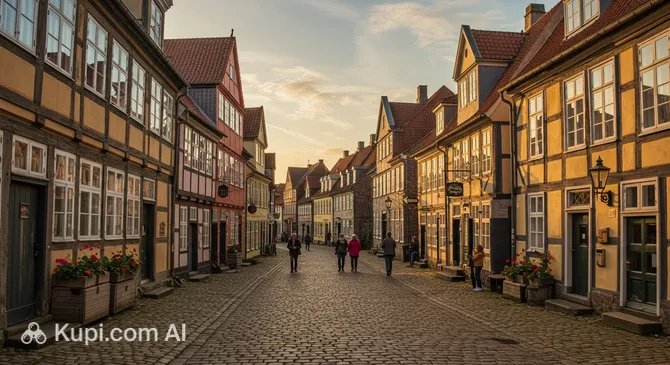
The Old Town. Illustration.
Source: Kupi.com AI

Traveler photos:

The main feature of the "Old Town" is its absolute authenticity. The museum is a carefully reconstructed town consisting of 75 genuine historical buildings dating from the 16th to the 19th centuries. It is important to understand that these are not copies, but original structures that were carefully dismantled in various parts of Denmark, transported to Aarhus, and meticulously restored to the smallest detail.

Walking through the cobblestone streets, you can look into craftsmen's homes, visit an old pharmacy, and see how a bakery or a printing house worked. The atmosphere is brought to life by museum staff in historical costumes who play the roles of townspeople: merchants, craftsmen, and ordinary residents. This creates the complete illusion of a living town and makes the visit a truly unforgettable experience.

Contacts

To plan your visit, check current opening hours, and view ticket prices, we recommend visiting the official website of the "Old Town" museum. All the necessary contact information is provided below.

How to contactContact
AddressViborgvej 2, 8000 Aarhus Centrum, Denmark
Phone number+45 86 12 31 88
Websitewww.dengamleby.dk

What to Do

A visit to the "Old Town" is an opportunity to fully immerse yourself in the atmosphere of past centuries. You can explore authentic residential buildings, peering into the dwellings of both ordinary townspeople and the wealthy bourgeoisie. Almost all buildings are open to the public, and their interiors have been scrupulously recreated in the style of the corresponding era. Special attention should be paid to the numerous workshops, where you can see the work of tailors, furriers, milliners, and shoemakers. Additionally, the museum grounds feature a historical school, pharmacy, post office, and even a cinema, providing a complete picture of urban daily life from days gone by.

The interactivity adds a special charm to the visit. The streets and houses of the "Old Town" are populated by actors in historical costumes who don't just provide a backdrop but actively interact with visitors, making the exhibition truly alive. You can chat with a merchant in a shop, watch a craftsman at work, or even participate in the daily affairs of the townspeople. Don't miss the chance to try a fresh, airy meringue from the old bakery or taste the local "smoky" beer brewed according to traditional recipes. This allows you not just to look at the exhibits, but literally feel the taste and aroma of the past.

In addition to residential houses and workshops, the "Old Town" is full of life. There is brisk trade in authentic shops where you can purchase unique souvenirs. For those who get hungry, there are cozy snack bars offering dishes made from old recipes. You will also see several watermills and a windmill on the museum grounds, which are an important part of the historical landscape. A walk through the gardens, laid out according to the fashions of past centuries, will be a wonderful conclusion to your journey through time.

Getting There

The "Old Town" open-air museum is conveniently located within the Botanical Garden of Aarhus, making it easily accessible for visitors. If you are traveling through Denmark from other cities, such as Copenhagen, the most convenient way to reach Aarhus is by train. The country's rail network is excellently developed, and the journey to Aarhus Central Station will be fast and comfortable. The city itself is situated on the picturesque Jutland peninsula, along the shores of the Aarhus Bay.

Once you are in Aarhus, getting to the museum is quite simple. The "Old Town" is within walking distance of the city center, and a leisurely stroll will take about 15-20 minutes, allowing you to explore the surroundings along the way. This is an excellent option for those who enjoy walking. Additionally, the Botanical Garden, where the museum is located, is easily reachable by one of the many city buses; public transport stops are situated right next to the entrance.

For maximum convenience, you can always use a taxi. The trip from the central station or any other point in the city center will be short and won't take much time. Since the "Old Town" is one of Aarhus's main attractions, any driver will easily take you right to the entrance of this unique museum.

Nearest city: Aarhus

History & Facts

The history of the "Old Town" began with a single building that sparked the creation of the entire museum. This was the "Old Mayor's House"—a magnificent example of Danish Renaissance architecture, built in Aarhus as far back as 1597. Initially, this structure belonged to wealthy local merchants, some of whom served as mayor at different times, giving the house its famous name.

Remarkably, this unique museum might never have existed. By 1908, the Mayor's mansion had fallen into disrepair, and the authorities decided to demolish it. The fate of the historical building was changed by Peter Holm, a local teacher and enthusiast, who suggested that instead of destroying the house, it should be carefully dismantled and moved to a new location. The idea was brilliant: the restored mansion, complete with furnished interiors, became a central exhibit at the 1909 Danish National Exhibition, and by 1914, the museum, named "The Old Town," officially opened its doors to visitors.

Since its founding, the museum has grown continuously. Following the Mayor's house, other historical buildings from all corners of Denmark began to be moved here: residential houses, workshops, grocery stores, a school, a theater, and even a post office. This painstaking work allowed for the creation of an entire town frozen in time. Today, the "Old Town" is rightfully considered Denmark's most popular museum outside of Copenhagen, attracting nearly 4 million tourists annually who wish to touch living history.

Time Needed

When planning a visit to the "Old Town," it is important to budget your time correctly to get the most out of the experience. For a brief look at the main exhibition and a stroll through the primary streets, a couple of hours might be enough. This will suffice for a general overview of this unique museum if, for example, you are in Aarhus for only one day and have a very tight schedule.

However, to truly feel the atmosphere of this place, it is highly recommended to set aside at least half a day, or ideally, a full day. This amount of time will allow you to leisurely explore all 75 historical buildings, peek into the workshops, chat with the "residents" in historical costumes, and participate in interactive activities. It is this deep immersion into the details, visiting the exhibitions, and the opportunity to enjoy the spirit of past eras without rushing that make a visit to the "Old Town" truly unforgettable.

Working Hours

The "Old Town" open-air museum is open to visitors year-round, including most holidays, making it accessible for a visit at any time. It is important to note that opening hours vary depending on the season. Generally, during the high season, which covers the spring and summer months, the museum is open longer, while during the winter period, hours may be reduced. Therefore, before your trip, it is highly recommended to check the current schedule on the official museum website.

Although tickets can be purchased on-site, the museum administration advises buying them online to avoid potential queues. This is particularly convenient during peak tourist seasons. For children and teenagers under 18, entry to the museum is free, making it a wonderful place for a family outing. It is also worth noting that to fully explore all the exhibits and districts representing different eras, it is recommended to set aside at least 4-5 hours.

10:00 – 17:00

Nearby

A visit to the "Old Town" is an adventure in itself, but you shouldn't stop there. The museum's surroundings offer many other interesting spots that will complement your impressions of Aarhus and all of Denmark. A stroll through the adjacent areas will show you how historical heritage blends harmoniously with the modern life of this dynamic city.

Exploring nearby attractions is an excellent way to gain a more complete understanding of Aarhus's cultural diversity. Just a few steps from the open-air museum, you will find both quiet green oases and impressive contemporary art centers. Below is a list of places located within walking distance that might interest you.

NameDistance
Botanical Garden Greenhouses0.3 km
All at LYNfabrikken0.4 km
Vesterlauget0.5 km
ARoS Aarhus Art Museum0.6 km
Kunsthal Aarhus0.6 km
Store Torv1 km
Steno Museum1 km

Have you reached the end of the page?

So the route has been studied inside and out