Support

Willy Brandt House, Lübeck

About

The Willy Brandt House in Lübeck is a modern memorial museum dedicated to the life and outstanding achievements of the Federal Chancellor and Nobel Peace Prize laureate. Located in the historical center of Lübeck, this museum is not just a repository of history, but a living space for dialogue on democracy and human rights.
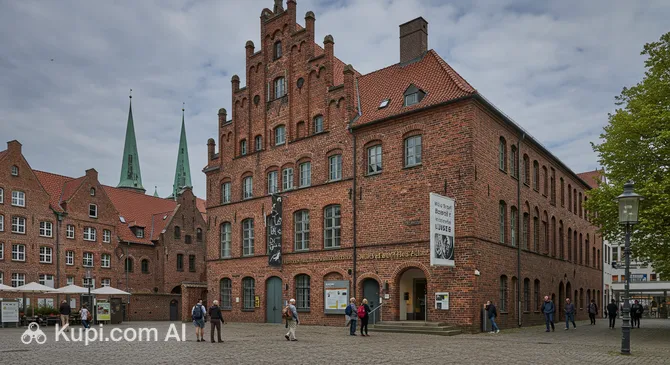
Willy Brandt House Lübeck
Willy Brandt House Lübeck. Иллюстрация. Источник: Kupi.com AI

The museum occupies a magnificent, bright 19th-century mansion on Königstraße. The building stands out with its architecture among the traditional red-brick houses of the old town in Germany, which is included in the UNESCO World Heritage List. Wealthy merchants used to settle here, but today the walls of the house preserve the memory of a man whose name is inextricably linked with world politics of the second half of the 20th century.

The museum's exhibition masterfully combines classic artifacts — personal items, letters, and photographs — with interactive elements. Visitors highly appreciate the museum's cozy atmosphere and the opportunity to learn about Willy Brandt not only as a politician but also as a journalist, writer, and a man whose roots go deep into the soil of the free Hanseatic city.

Contacts

To inquire about visit details or book a tour, you can use the museum's official contact information. The Willy Brandt House is always open to dialogue with visitors interested in the history of politics and democracy.

How to contactContact
AddressKönigstraße 21, 23552 Lübeck, Germany
Phone+49 451 1224250
Websitewww.willy-brandt.de

What to Do

At the Willy Brandt House museum, visitors can immerse themselves in an interactive journey through the pages of German history. It is worth carefully exploring the permanent exhibition, which brings key moments of the Chancellor's biography to life with the help of audio guides and multimedia installations. You will see unique archival documents and personal items that help explain the politician's journey from humble beginnings to international recognition.

Of particular interest are the thematic zones dedicated to Brandt's journalistic activities and his role in international reconciliation. It is also recommended to pay attention to the temporary exhibitions often held in the museum's halls. If you are traveling in the summer, don't forget to check out the inner courtyard — this cozy spot often serves as a venue for interesting cultural events and meetings.

For those who want to feel the spirit of the era more deeply, walking tours are offered to the sites of Brandt's youth in old Lübeck. And the proximity of the Günter Grass Center provides an excellent opportunity to combine visits and get a comprehensive impression of the cultural life of this amazing city.

Getting There

The museum is located in the very heart of the old town, making it extremely easy to reach. From major city landmarks such as the Holsten Gate or the Town Hall Square, you can reach it on foot in just 10–15 minutes by walking through picturesque medieval streets.

If you plan to use public transport, buses 1, 4, and 5 run regularly from the central station (Lübeck Hauptbahnhof) toward the historical center. You should get off at the Königstrasse stop, which is located in the immediate vicinity of the museum entrance.

For those who prefer a taxi, the ride from the station will take no more than 5–7 minutes. However, it is worth remembering that the old center of Lübeck is best explored on foot so as not to miss the architectural details and cozy cafes hidden in the courtyards.

Ближайший город: Lübeck

History & Facts

Willy Brandt was born in Lübeck in 1913. The spirit of this free Hanseatic city, steeped in the history of trade and Brick Gothic, largely shaped the future politician's worldview. Although he was born in a different building, the memorial museum was opened in this historic mansion to immortalize the Chancellor's connection with his hometown.

The museum opened its doors in 2007 at the initiative of another prominent figure — the writer and Nobel laureate Günter Grass. Grass, who lived nearby, sought to create a space in the city where history, literature, and politics would intersect, emphasizing the city's status as an important cultural center in Germany.

The museum's exhibition does not simply recount Brandt's biography; it links it to the most important milestones of the 20th century: from the struggle for freedom to the fall of the Berlin Wall. A special place is given to the story of his 1971 Nobel Peace Prize, which recognized his efforts in easing international tensions.

Time Needed

A standard tour of the Willy Brandt House museum usually takes about 1–2 hours. During this time, you can leisurely view the politician's personal belongings, study archival documents, and use the interactive terminals that tell the story of the key stages of his career.

If you decide to use an audio guide and study each display in detail, or plan to combine your visit with a walking tour of Brandt's childhood haunts in Lübeck, it is worth setting aside about 3 hours. This will allow you to enjoy the atmosphere and cultural context of this historical site without rushing.

Working Hours

The Willy Brandt House in Lübeck follows a convenient and steady schedule, making it easy to include in any travel itinerary. The museum is open to visitors daily, with no days off.

Museum opening hours: from 11:00 AM to 6:00 PM, Monday through Sunday. Nevertheless, it is recommended to check the current schedule on the official website before your visit, especially if your trip coincides with public holidays.

11:00 – 18:00

Nearby

Exploring the area around the Willy Brandt House will allow you to fully immerse yourself in the atmosphere of historical Lübeck. Since the museum is located in the heart of the Old Town, many iconic attractions are just a few steps away.

NameDistance
Günter Grass House0.1 km
Hospital of the Holy Spirit0.2 km
Buddenbrook House0.3 km
Marzipan Museum0.4 km
Niederegger Marzipan Museum0.4 km
Lübeck Town Hall0.4 km
Burgtor0.5 km

Reached the end of the page?

That means the route is fully explored