Support

Burgtor in Lübeck

About

A journey through the north of Germany is hard to imagine without visiting the ancient Hanseatic centers, and Burgtor is one of those gems that preserve the spirit of the Middle Ages. These monumental city gates, located in the city of Lübeck, are a striking example of Late Brick Gothic. Built as part of a powerful defensive system, they still impress with their austere beauty and massiveness.
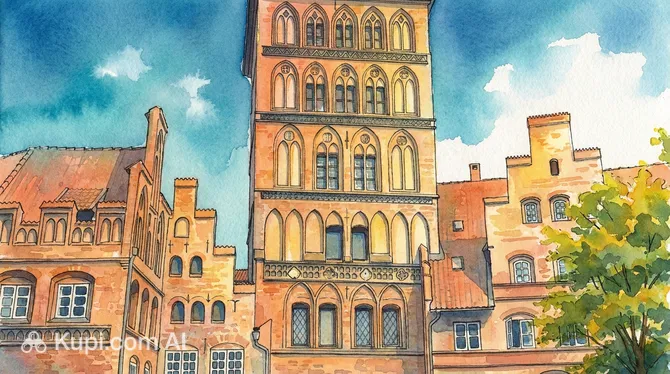
Burgtor
Burgtor. Иллюстрация. Источник: Kupi.com AI

Burgtor is a five-story brick structure that served as the northern outpost of the fortress city for centuries. The gate was named after Lübeck's old castle, on the site of which a Dominican monastery later grew. Today, it is one of two surviving gates of the old city; while the famous Holstentor is considered the symbol of the city, Burgtor is its no less grand and stern guardian.

This site will be of interest to all lovers of history and architecture. Although the gate has been rebuilt several times, it has retained the unique energy of a medieval fortress. Walking under its arches, it is easy to imagine how, hundreds of years ago, merchants' documents were checked here and important delegations arriving from the north were welcomed.

Contacts

For more details or to plan a group visit to this historical location, you can use the following contact information.

How to contactContact
AddressGroße Burgstraße 5, 23552 Lübeck, Germany
Phone+49 451 115

What to Do

Standing at the foot of the gate, your first priority should be to take some time to examine the brickwork and architectural details. Burgtor is a magnificent example of so-called North German Brick Gothic. Notice how the massive five-story tower harmonizes with the adjacent buildings of the former customs house and stables.

Visitors have the rare opportunity to climb the ancient spiral staircases inside the towers. From the upper levels, you get an interesting view of the gate's structural features, allowing you to appreciate the power of the defensive structure from the inside. This is a great chance to feel like a medieval watchman guarding the peace of the citizens.

For photography enthusiasts, Burgtor provides plenty of great angles. The gate looks particularly striking from the Trave River side, where the massive towers with their helmet-shaped roofs are picturesquely reflected in the water. After exploring the tower, be sure to walk through the adjacent squares and quiet streets that lead straight into the heart of old Lübeck.

Getting There

The landmark is located at Große Burgstraße 5, in the northern part of the historic island. If you are already walking through the city center, the easiest way to reach the gate is on foot—a walk from the central market square will take no more than 10–15 minutes. This is effectively where the core of the Old Town (Altstadt) ends.

For those who prefer public transport, Lübeck has an excellent bus network. Routes serving stops in the northern part of the island are your best bet. You can also always use a local taxi, which will take you directly to the foot of the towers from anywhere in the city or from the main train station.

If you are traveling by car, it is recommended to leave it at one of the parking lots in the central part of the city and continue on foot, as traffic in the historic zone can be restricted, and the narrow streets are best explored during a leisurely stroll.

Ближайший город: Lübeck

History & Facts

The history of these majestic gates began in 1444. They were built by the city architect Nicolas Peck on the site of an older Romanesque structure. Burgtor acquired its current recognizable appearance with its characteristic helmet-shaped roof much later—in 1685, which added a touch of Baroque elegance to the tower's silhouette.

In the Middle Ages, Burgtor did not stand alone: it was part of a complex system of three consecutive gates. A stone bridge across the moat was located between the outer and middle fortifications, which the townspeople ironically called the "Bear" (Bär). Unfortunately, the third part of the gate was demolished in 1622 for city needs, specifically to expand the hospital grounds.

Interestingly, in the 19th century, Burgtor almost disappeared from the city map. City authorities seriously considered a project for the complete demolition of the structure, but thanks to the determined protest of local residents, the gate was saved. To adapt the monument to the needs of growing traffic, additional passages for pedestrians and vehicles were cut into the wall in 1850 and 1875.

Important military events are also associated with this gate: it was through the northern entrance in 1806 that Napoleon's French troops entered the city after the Battle of Lübeck. Today, the gate peacefully stands alongside the former stables and the customs building, which is decorated with a magnificent Renaissance frieze.

Time Needed

To simply view the facade of the building and take a few souvenir photos, 15–20 minutes will be enough. However, if you decide to study the architectural details, the passages, and climb the spiral staircases (when access is open), you should set aside about 45–60 minutes for the visit.

Given that the site is located on the edge of the historic center, it is convenient to combine your visit with a trip to the nearby Burgkloster monastery complex or a walk along the Trave river embankment. Overall, an hour is quite enough to soak up the atmosphere of this place without rushing.

Working Hours

One of the main advantages of visiting this historic site is its accessibility. Exterior viewing of the gate and passing through its arches are possible 24 hours a day, as the structure is integrated into the urban environment and serves as an active pedestrian and transport hub.

According to official data, the site is open for viewing 24/7. This allows tourists to enjoy the view of Burgtor both in the morning sun and under evening illumination, when the ancient brick takes on a particularly deep hue.

Круглосуточно

Nearby

The gate's location in the northern part of the island makes it an ideal starting point for exploring the Old Town's sights. A walk from Burgtor deeper into the island will allow you to see unique monuments of Brick Gothic and cozy medieval courtyards.

Exploring the surrounding area will help you dive deeper into the atmosphere of the Hanseatic League, as UNESCO World Heritage sites are located just a few minutes' walk away.

NameDistance
European Hanseatic Museum0.1 km
Hospital of the Holy Spirit0.3 km
Strandsalon0.3 km
Günter Grass House0.5 km
Willy Brandt House Lübeck0.5 km
Museum Harbor Lübeck0.6 km
Sudden Death Brewing0.7 km

Reached the end of the page?

That means the route is fully explored