Support

European Hansemuseum

About

Your immersion into the atmosphere of medieval power and merchant secrets begins right here. The European Hansemuseum is the world's largest project dedicated to the history of the legendary Hanseatic League. Located in the ancient city of Lübeck, this museum complex combines ultra-modern architecture with the historic walls of a former Dominican monastery on Castle Hill.
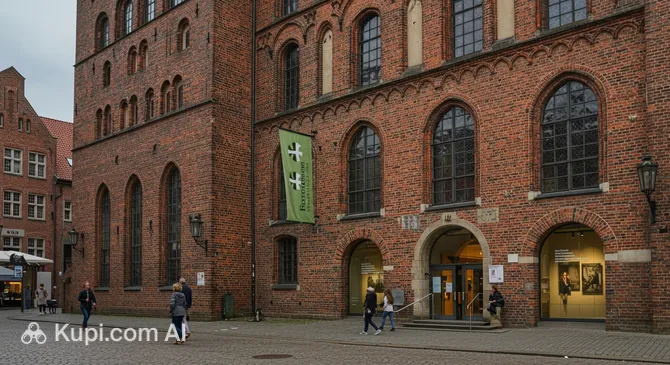
European Hanseatic Museum
European Hanseatic Museum. Иллюстрация. Источник: Kupi.com AI

In this part of Germany, the memory of the times when merchants ruled the seas is carefully preserved. The museum offers more than just display cases; it provides a true interactive journey through the centuries—from the rise of trade in the 12th century to the league's decline in the 17th century. Thanks to a combination of authentic artifacts and high-tech installations, history comes to life before the visitors' eyes.

The significance of this site is hard to overstate: the museum not only tells the story of the past but also explains how the Hansa laid the foundations for the modern European economy. It is an essential stop for anyone wanting to understand the true spirit of Northern Europe and see how the "Capital of the Hansa" flourished in its prime.

Contacts

For up-to-date information on events and special exhibitions, you can use the official communication channels. The museum staff speak several languages and are always ready to assist visitors.

How to contactContact
AddressAn d. Untertrave 1, 23552 Lübeck, Germany
Phone+49 451 8090990
Websitewww.hansemuseum.eu

What to Do

Inside the museum's halls, a fascinating exploration of trade routes and the daily lives of medieval merchants awaits you. You can see detailed reconstructions of market squares, ship decks, and even living quarters that allow you to literally experience the scent of spices and the bustle of a port city. Special attention is given to the league's connections with major partners, including Novgorod, Bruges, and London.

For the convenience of international guests, the museum is equipped with modern audio guides. Information stands and multimedia panels also allow for a detailed study of each exhibit, making a walk through the halls highly educational. Don't forget to look into the archaeological section, where the foundations of 14th–16th century houses, discovered right at the museum's construction site, are revealed under a glass floor.

Be sure to head up to the museum terrace, which offers a panoramic view of the port and the rooftops of the old town. After touring the main exhibition, you can browse the gift shop for unique Hanseatic-style goods or relax in the local café to discuss what you've seen over a cup of coffee.

Getting There

The museum is located in the very heart of Lübeck, on the picturesque Castle Hill (Burgkloster). Thanks to its central location, it is very easy to reach on foot from almost anywhere in the historic part of the city. If you arrive at the central railway station, the walk to the museum takes about 15 minutes, allowing you to enjoy the city's ancient architecture along the way.

For those who prefer public transport, there are bus stops served by major city routes within a few minutes' walk of the entrance. If you are traveling by taxi, the ride from the main tourist spots in the city center will take only 5–7 minutes.

Tourists traveling by car can use the nearby parking lots in the waterfront area. It is also worth noting that Lübeck is well-connected by rail to other major cities; for example, a trip from Hamburg takes less than an hour, making a museum visit an excellent option for a day trip.

Ближайший город: Lübeck

History & Facts

The history of the Hanseatic League began in the 12th century when German merchants united to protect their trade interests in the Baltic region. Over time, this alliance evolved into a powerful economic and political force, spanning vast territories from London to Novgorod. Lübeck became the recognized "capital" of the Hansa, where the most important decisions affecting the fate of Europe were made.

The European Hansemuseum itself is harmoniously integrated into the city's historical fabric. Part of its exhibition is located within the ancient Dominican monastery, which is a priceless architectural monument in its own right. During the construction of the museum complex, extensive archaeological excavations were carried out, the results of which are now part of the main exhibition.

Interestingly, the Hansa had its own representative offices, called Kontore, in key trading hubs around the world. The museum provides a detailed look at the lives of these "islands" of German culture in Bruges, Bergen, and other cities. The Hanseatic League lasted until the 17th century, leaving behind a rich cultural and architectural legacy that served as the foundation for this unique museum.

Time Needed

To fully appreciate the scale of the exhibition and immerse yourself in the atmosphere of medieval trade, we recommend setting aside at least 2–3 hours for your visit. This provides enough time to explore the main halls and engage with the multimedia installations at a relaxed pace.

If you plan to study the archaeological finds in the lower levels in detail or spend more time in the halls dedicated to the history of specific trading posts, your visit could last half a day. Given the cozy café and interesting temporary exhibitions, you certainly won't want to rush your departure.

Working Hours

The European Hansemuseum welcomes guests daily, making it very convenient for planning your travel itinerary. The museum doors are open from 10:00 to 18:00 every day.

The schedule is the same for all days of the week, including Saturday and Sunday. This makes it easy to fit a visit into any Lübeck travel plan, whether it's a weekday or a holiday weekend.

10:00 – 18:00

Nearby

A walk around the museum is a true journey through a UNESCO World Heritage site. Since the museum is located in the city's historical core, unique architectural and historical monuments await you at every turn.

Exploring the surroundings will help you better understand the context of the era when the Hansa flourished. Ancient gates, majestic hospitals, and town halls complete the picture of the city's medieval power seen within the museum's halls.

NameDistance
Burgtor0.1 km
Strandsalon0.2 km
Hospital of the Holy Spirit0.3 km
Günter Grass House0.5 km
Willy Brandt House Lübeck0.5 km
Museum Harbor Lübeck0.5 km
Sudden Death Brewing0.6 km

Reached the end of the page?

That means the route is fully explored