Support

Günter Grass House

About

In the heart of the historic center that graces Lübeck, lies a unique cultural space — the Günter Grass House. This is not just a classic museum, but a living tribute to the life and multifaceted talent of the outstanding writer, graphic artist, and sculptor, a Nobel laureate in literature. The building, located at Glockengießerstraße 21, is an architectural monument in its own right, carefully preserving the spirit of old Europe.
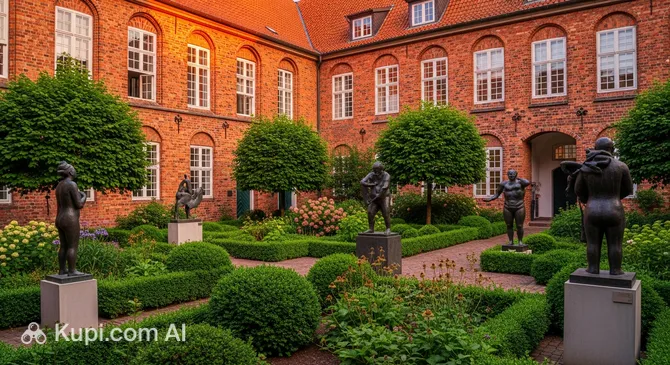
Günter Grass House
Günter Grass House. Иллюстрация. Источник: Kupi.com AI

This attraction, which Germany is justly proud of, offers visitors a unique exhibition format. Here, the authentic atmosphere of an old house harmoniously combines with modern multimedia technologies. One of the most striking features of the exhibition is the recreated colonial goods shop — the very place where the world of Oskar Matzerath, the famous protagonist of the legendary novel "The Tin Drum," comes to life.

A visit to the museum allows you to look at Grass's personality from different angles: not only as a master of the word but also as a talented artist whose graphic works and sculptures form an important part of the collection. This is a must-visit place for those who appreciate intellectual tourism and want to better understand the culture and history of the 20th century.

Contacts

To plan your visit and check for any updates, you can use the following contact information for the museum:

How to contactContact
AddressGlockengießerstraße 21, 23552 Lübeck, Германия
Phone+49 451 1224230
Websitegrass-haus.de

What to Do

In the museum's halls, a deep immersion into the world of Günter Grass's visual art awaits you. Here you can see his original graphic works and sketches, which reveal the writer as a talented artist. In the idyllic sculpture garden, hidden in the inner courtyard, his plastic works are displayed, creating an atmosphere of peace and contemplation.

Particular attention should be paid to the interactive stations, which literally allow you to touch the master's biography. Literature lovers will be delighted by the detailed recreation of settings from his works, while modern multimedia guides help you learn more about his philosophical views and observations of the world.

Special programs are available for young travelers at the museum. Children can explore the goods in the "Colonial Goods Shop" or take part in the interactive game "All Aboard?", where they must assemble a crew for the captain and play on a real wooden ship. Additionally, the museum's cozy garden connects it to the Willy Brandt House, allowing you to continue your cultural walk without leaving the atmospheric courtyards of the old town.

Getting There

The Günter Grass House is located in the heart of the old town at Glockengießerstraße 21, near St. Catherine's Church. If you arrive in the city by train, the journey from the central railway station can be a great introduction to the local architecture. A walk takes about 15–20 minutes through picturesque alleys and historic streets.

For those who prefer public transport, city buses running through the center stop within walking distance of the museum. You can also take a taxi, which will quickly take you from any point in the city to the pedestrian zone of old Lübeck. Its convenient location makes the museum an ideal stop during a walk through the Hanseatic quarters, recognized as a UNESCO World Heritage site.

Ближайший город: Lübeck

History & Facts

The walls of this museum preserve the memory of a man whose influence on world literature is hard to overestimate. The Günter Grass House is not just an exhibition space, but a complex of restored historic buildings where the outstanding writer, graphic artist, and sculptor worked for many years until his death in 2015.

Grass gained world fame with his monumental novel "The Tin Drum", for which he was awarded the Nobel Prize in Literature. It is here, in the atmosphere of the old city, that the images from his works come to life, intertwining with the real history of a master who saw the world simultaneously through the prism of the written word and visual art.

The city itself, where the museum is located, has an equally impressive past. Founded in 1143, it eventually became the powerful capital of the Hanseatic League. The historical backdrop of this Baltic trading and cultural hub served as an inexhaustible source of inspiration and an important context for Günter Grass's work.

Time Needed

To explore the main exhibition, appreciate the graphic works, and visit the sculpture garden without rushing, an average visitor will need about 1–2 hours. This is plenty of time to immerse yourself in the creative atmosphere and try out the museum's interactive features.

If you plan to study the multimedia archival materials in detail or are traveling with children who want to spend time in the play areas, it is worth allowing a bit more time. A leisurely stroll through the garden connecting the museum with neighboring historic buildings will be a pleasant conclusion to your visit.

Working Hours

The museum's doors are usually open to visitors daily from 10:00 to 17:00. This schedule is maintained throughout the week, including Saturday and Sunday, making it easy to fit a visit into a weekend itinerary.

Please note that due to restoration work or exhibition updates, the museum may be temporarily closed. Before your trip, we strongly recommend checking the current status on the official website to ensure your visit is as comfortable as possible.

10:00–17:00

Nearby

Exploring the surroundings of the Günter Grass House will allow you to dive deeper into the unique atmosphere of the old Hanseatic city and see other architectural gems of the region. Many iconic sites are within a few minutes' walk, making it easy to create a rich walking route through the historic center.

NameDistance
Willy Brandt House Lübeck0.1 km
Hospital of the Holy Spirit0.2 km
Buddenbrook House0.3 km
Marzipan Museum0.4 km
Niederegger Marzipan Museum0.4 km
Lübeck Town Hall0.4 km
Burgtor0.5 km

Reached the end of the page?

That means the route is fully explored