Support

Cathedral of Santa María la Menor

About

The Cathedral of Santa María la Menor, also known as the Santo Domingo Cathedral or the Primate Cathedral of America, is a jewel of colonial architecture and one of the main attractions of the capital of the Dominican Republic. This Catholic cathedral proudly holds the title of the oldest in the Americas, attracting pilgrims and tourists from all over the world with its rich history and unique atmosphere.
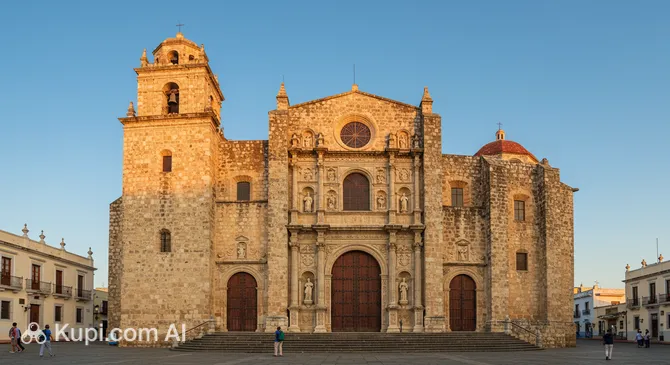
Cathedral of Santa María la Menor. Illustration.
Source: Kupi.com AI

Traveler photos:

Built from golden coral limestone, the cathedral is an impressive sight. Its architectural appearance harmoniously combines elements of the Gothic style, making it particularly interesting for architecture enthusiasts. The interior decoration is striking in its grandeur, and the height of the vaults, reaching 16 meters, creates a sense of space and light. The cathedral holds the honorary status of a "minor basilica," granted by the Pope.

The Cathedral of Santa María la Menor is not just a place of worship, but also an important cultural and historical site. It serves as the cathedral of the Archdiocese of Santo Domingo. Throughout its centuries-old history, the cathedral has witnessed many significant events. Its enduring value is confirmed by its inclusion in the UNESCO World Heritage list, emphasizing its outstanding universal significance for world culture.

Contacts

For the most up-to-date information regarding opening hours, services, and available guided tours at the Cathedral of Santa María la Menor, it is recommended to visit the official website or check the information boards on-site. Below are the available contact details:

How to contactContact
AddressF4F8+698, C. Isabel La Católica, Santo Domingo 10210, Dominican Republic
Phone number+1 809-682-3848
Websitecathedralofsantodomingo.com

What to Do

Visiting the Cathedral of Santa María la Menor is a unique opportunity to touch history and art. Inside, you can explore the impressive architecture, where the Gothic style harmoniously blends with elements of the colonial era. Pay attention to the historic religious artifacts and works of art, many of which date back to the early colonization of the Americas. These relics are silent witnesses to centuries of faith and cultural heritage carefully preserved within the cathedral walls.

One of the intriguing features of the cathedral is its connection to the name of Christopher Columbus. According to some accounts, the remains of the great navigator were laid to rest here, although there are other theories regarding his burial place (such as the Seville Cathedral in Spain or the Columbus Lighthouse — Faro a Colón in Santo Domingo). Regardless of historical accuracy, a monument to Christopher Columbus stands in the square in front of the cathedral, which also attracts tourist attention and serves as a reminder of the significant role this site plays in the history of the New World.

Getting There

The Cathedral of Santa María la Menor is conveniently located in the heart of Santo Domingo, within its famous Colonial Zone (Zona Colonial). This historic city center is recognized as a UNESCO World Heritage site, making the cathedral easily accessible for tourists exploring this part of the capital of the Dominican Republic.

You can reach the cathedral by public transport. Santo Domingo has a system of city buses known as "guaguas," with routes passing through the central districts. There is also a metro system in the city, although its stations may not be in the immediate vicinity of the Colonial Zone; a combination of the metro and a short taxi ride or walk may be required. For tourists unfamiliar with the local transport system, the bus routes can be a bit confusing, so it is worth researching your route in advance.

For many tourists, the most convenient and direct way to reach the Cathedral of Santa María la Menor is by taxi or ride-sharing services. Taxis are easy to find throughout the city, especially near hotels and tourist sites. It is recommended to agree on the fare in advance or ensure the meter is being used. If you are staying within or near the Colonial Zone, walking is a pleasant alternative. This will allow you to enjoy the atmosphere of the ancient streets and see other attractions along the way.

Nearest city: Santo Domingo

History & Facts

The history of the Cathedral of Santa María la Menor begins in the first half of the 16th century. Its construction was initiated with the blessing of Pope Julius III, granted as early as 1504, while the work itself began, according to various sources, in 1512 or 1514. The construction of this landmark structure took place under the leadership of Bishop Fray García Padilla, and the project was designed by the talented Spanish architect Alonso Rodríguez of Seville. The solemn consecration of the cathedral took place in 1541 (though some sources suggest construction was completed a year earlier, in 1540), marking the emergence of one of the first and most important Christian churches in the New World.

Just five years after its consecration, in 1546, a landmark event occurred: at the request of the Spanish King Charles V, Pope Paul III granted the church the status of a cathedral. Furthermore, it was designated as the seat of the Primate of the Americas—an honorary title held by the Catholic Bishop of Santo Domingo. An interesting and somewhat unexpected turn in the cathedral's history is linked to the name of the famous English privateer Francis Drake. In 1586, after capturing the city, Drake, despite his Protestant faith and hostility toward Catholics, not only spared the cathedral but also used it as his headquarters.

Further recognition of the cathedral's significance occurred in the 20th century. In 1920, Pope Benedict XV granted it the honorary status of a minor basilica. This title further emphasized its outstanding historical and religious importance not only for the Dominican Republic but for the entire Catholic world in the Americas. Every stone of this cathedral seems to hold echoes of past eras, from the first decades of colonization to the turbulent events of the 16th century and subsequent peaceful service, making it a must-see for anyone interested in history and culture.

Time Needed

For a tour of the Cathedral of Santa María la Menor in Santo Domingo, 1-2 hours is usually sufficient for most visitors. This time is enough to leisurely walk through the main hall, admire its majestic Gothic-style architecture, examine the interior details including the ancient vaults and altars, and see the most significant religious artifacts and works of art housed in the cathedral.

If you plan a more in-depth visit—for example, if you wish to study each chapel in detail, learn about the history of individual relics, or attend a service (if it coincides with your visit and is open to the public)—your stay may be longer. You should also consider potential wait times at the entrance if you are visiting during the peak tourist season. For those who simply want to get a general impression and take a few photos, one hour may be enough.

Overall, when planning a visit to the Cathedral of Santa María la Menor, aim for a couple of hours to enjoy the atmosphere of this historic site without rushing, as it is the oldest cathedral in the Americas and an important part of the cultural heritage of the Dominican Republic.

Working Hours

The Cathedral of Santa María la Menor is generally open to visitors during the day, though exact hours may vary depending on the day of the week, the season, and religious services. Typically, entry for individual visitors is free and does not require prior booking, but group tours or visits to specific parts of the cathedral may require prior arrangement.

As up-to-date information regarding opening hours and visiting conditions can change, it is highly recommended to check the schedule on the cathedral's official website (if available) or at local tourist information centers in Santo Domingo before your visit. This will help you plan your visit and avoid potential inconveniences. Generally, the cathedral is open to visitors year-round, serving as both an active religious site and a popular tourist attraction.

DayOpening hours
Monday8:00 – 17:00
Tuesday8:00 – 17:00
Wednesday8:00 – 17:00
Thursday8:00 – 17:00
Friday8:00 – 17:00
Saturday8:00 – 17:00
Sunday12:00 – 13:00, 5:00 – 18:00

Nearby

Visiting the Cathedral of Santa María la Menor is undoubtedly a highlight, but exploring its surroundings can significantly enrich your experience of Santo Domingo. The city's Colonial Zone, where the cathedral is located, is literally steeped in history, and every corner here holds its own secrets and interesting sites. A walk through the nearby streets will allow you to immerse yourself deeper into the atmosphere of the oldest European city in the Americas.

Near the cathedral, there are many other significant attractions that are easily reached on foot. This is an excellent opportunity to create a packed full-day itinerary, combining spiritual, cultural, and historical elements. Below is a list of some interesting places located in the immediate vicinity of the Cathedral of Santa María la Menor.

NameDistance
Columbus Park0.1 km
Ozama Fortress0.2 km
Pantheon of the Fatherland0.2 km
Museum of the Royal Houses0.3 km
Fortaleza Ozama0.5 km
Museum of Rum0.5 km
Juan Pablo Duarte Wax Museum0.5 km

Have you reached the end of the page?

So the route has been studied inside and out