Support

Pumapungo Museum

About

In the heart of the vibrant city of Cuenca lies a place where ancient legends come to life — the Pumapungo Museum. This is more than just a building filled with exhibits; it is a vast cultural complex that combines a modern artifact repository with a live open-air archaeological zone. Here, in Ecuador, the past and present meet in stunning harmony.
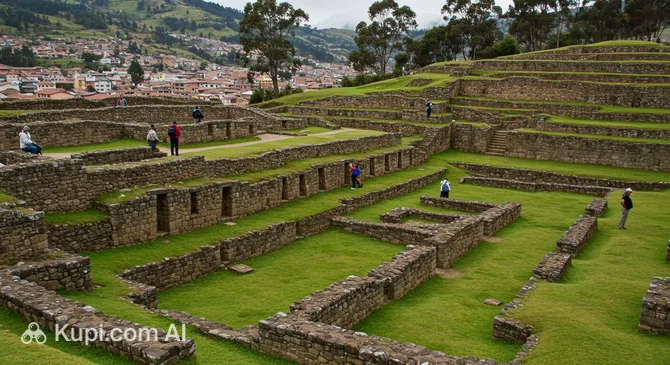
Pumapungo Museum
Pumapungo Museum. Иллюстрация. Источник: Kupi.com AI

The name of this site comes from the Quechua language and poetically translates to "Door of the Puma." Opened in 1985, the museum has become a vital center for preserving the region's heritage. Its grounds hold the traces of great civilizations, from the fierce Cañari to the powerful Incas, creating a unique panorama of the pre-Columbian era.

Visitors are drawn to the unusual blend of ethnographic collections, contemporary art galleries, and an authentic archaeological park featuring the ruins of ancient structures. This site is recognized as one of the country's most significant cultural landmarks, allowing every guest to feel the mystical energy of the ancient city of Tomebamba.

Contacts

To contact the administration or inquire about special events, you can use the official communication channels. The museum is a state-run institution, which ensures a high standard of organization for visitors.

How to contactContact
AddressCalle Larga 182, Cuenca 010107, Ecuador
Phone+593 7-283-1521
Websitewww.culturaypatrimonio.gob.ec

What to Do

An immersion into the world of ancient cultures begins in the museum's inner halls, which house an impressive collection of artifacts. You can see delicate ceramics, intricate textiles, ancient tools, and jewelry that belonged to the Cañari and Inca peoples. Of particular interest are the exhibits detailing the daily lives and religious rituals of the region's indigenous inhabitants.

A true adventure awaits outside in the archaeological park. Here, you can wander through the ruins of the ancient city of Tomebamba. You will see the foundations of the Temple of the Sun, the remains of residential quarters where priestesses once lived, and a system of terraces used for agriculture hundreds of years ago. It is the perfect place for those who want to literally touch the stones of history.

Don't forget to stop by the ethnobotanical garden located within the complex. It features over 200 species of plants that played a significant role in Inca medicine and nutrition. Additionally, the main building often hosts temporary exhibitions by modern Ecuadorian artists, lectures, and cultural festivals, making every visit to the museum unique.

Getting There

Thanks to its location in the historic center, reaching the site is quite easy. The Pumapungo Museum is located at Calle Larga 182, making it accessible for a pleasant stroll from the city's main square. Walking through the colonial streets, you can gradually immerse yourself in the atmosphere of the past even before stepping foot inside the museum.

For those who prefer transport, many city buses run nearby, and a taxi ride from central areas takes only a few minutes and is very affordable. If you are traveling by rental car, there are parking areas in the vicinity.

A pleasant bonus for travelers is the fact that entry to the complex is usually free. This makes visiting one of the region's top cultural locations not only educational but also accessible to every tourist.

Ближайший город: Cuenca

History & Facts

The history of this site began long before the arrival of the great Incas. Originally, the territory was settled by the Cañari people, who were renowned for their advanced farming methods and complex irrigation systems for the time. These lands were more than just a home to them; they were a vital cultural heartland.

In the late 15th century, the situation changed: the Incas, led by Pachacuti Inca Yupanqui, conquered the region and founded the city of Tomebamba here. It quickly grew into one of the empire's most significant administrative and religious centers, rivaling the status of a "second Cusco."

Unfortunately, this golden age was cut short by internal conflicts within the Inca Empire. The city was nearly destroyed shortly before the arrival of the Spanish conquistadors. After the founding of the modern city in 1557, the ruins remained silent witnesses to past greatness for a long time.

The modern chapter began in 1985, when the museum complex officially opened on this site. Today, it serves as a bridge between ancient civilizations and the modern world, allowing researchers and tourists to explore the rich heritage that has been rescued and preserved for future generations.

Time Needed

When planning your visit, keep in mind that the site includes both indoor galleries and an extensive open-air park area. To explore the main ethnographic collections and walk through the archaeological park without rushing, it is recommended to set aside 2 to 3 hours.

If you are a true history buff or plan to study the ethnobotanical garden and temporary art exhibitions in detail, your visit may extend to half a day. A morning walk through the park grounds is especially pleasant, as the sunlight softly illuminates the ancient foundations of Tomebamba.

Working Hours

While planning your cultural adventure, take note of the institution's operating schedule. The Pumapungo Museum is open to visitors from Tuesday to Sunday, providing plenty of time to explore the exhibits on both weekdays and weekends.

Operating Hours:

  • Monday: Closed
  • Tuesday – Friday: 08:00 – 17:00
  • Saturday – Sunday: 10:00 – 16:00
It is recommended to arrive at least an hour before closing to ensure you have enough time to see both the internal halls and the park area.

DayWorking hours
ПонедельникЗакрыто
Вторник8:00 – 17:00
Среда8:00 – 17:00
Четверг8:00 – 17:00
Пятница8:00 – 17:00
Суббота10:00 – 16:00
Воскресенье10:00 – 16:00

Nearby

A walk through the surrounding area will help you get an even better feel for the rhythm of life and the hospitality of this region. There are many interesting locations near the museum complex, and visiting them would be an excellent addition to your cultural itinerary.

Below are the nearest attractions that may interest nature and aquarium enthusiasts, as well as popular spots for relaxation:

NameDistance
Broken Bridge0.5 km
Millennium Plaza0.6 km
La Pizza de Juanja0.7 km
Tiesto's Café Restaurant0.8 km
San Blas Park0.8 km
Remigio Crespo Toral Municipal Museum0.9 km
Bistro Yaku1 km

Reached the end of the page?

That means the route is fully explored