Support

SanSalvador

About

San Salvador is more than just a capital; it is the true heart and soul of El Salvador, a city nestled at the foot of the majestic San Salvador Volcano and surrounded by picturesque green hills. Its unique atmosphere combines the dynamics of a modern metropolis with the charm of a colonial past, attracting travelers from all over the world.
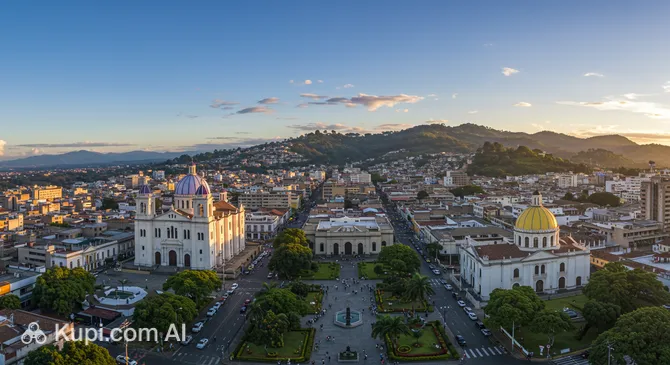
San Salvador. Illustration.
Source: Kupi.com AI

The city occupies a strategic position almost in the center of the country, making it a convenient starting point for exploring the entire region. San Salvador is the nation's most important administrative, economic, and cultural hub. The local hills offer impressive panoramas, and the proximity to the Pacific Ocean adds a special charm to its climate and overall vibe.

San Salvador enchants with its contrasts: modern buildings stand alongside ancient temples, bustling markets give way to quiet streets with colonial architecture, and colorful squares become magnets for both locals and tourists. Key highlights include the opportunity to hike the San Salvador Volcano, stroll through historic squares like Plaza Barrios, and immerse yourself in the city's rich cultural life by visiting the National Theater or numerous museums and galleries.

A visit to San Salvador is a chance to dive into a world of bright colors, experience the hospitality of the locals, enjoy stunning natural landscapes, and, of course, taste authentic Salvadoran cuisine. This city, full of history and energy, will undoubtedly leave you with unforgettable impressions and a desire to return.

You can find more interesting facts on the history of San Salvador page.
Weather Overview

San Salvador has a warm climate year-round. The average annual temperature hovers around 25-28°C, while maximum values can reach 31-34°C, especially from February to April. The city has a distinct dry season from January to March and in December, when precipitation is practically non-existent. The rainy season lasts roughly from May to October, bringing the highest amount of rainfall and rainy days, particularly in June and September. Expect warm, and at times hot, summers with frequent rain and drier but still warm winter months.

For more detailed information on weather conditions, you can check out the San Salvador climate page.

Average monthly temperature

Average monthly precipitation

Interesting Facts

Beyond its famous landmarks, San Salvador holds many surprising stories and features that make it truly unique. Here are just a few interesting facts that will help you see the capital of El Salvador from a new perspective:

  • The Amazing Architecture of El Rosario Church: One of the most unusual attractions is the El Rosario Church. From the outside, it may look like a fairly modest concrete structure, but its interior is breathtaking. There are no traditional columns inside, and the walls are decorated with unique rainbow stained glass that creates an incredible play of light and color, filling the space with an almost mystical atmosphere.

  • The "Pompeii of the New World" Nearby: Not far from San Salvador lies the archaeological site of Joya de Cerén, often called the "Pompeii of the New World." This ancient Mayan settlement was buried under a layer of volcanic ash around 600 AD and has been perfectly preserved to this day. Thanks to this unique set of circumstances, Joya de Cerén is a UNESCO World Heritage site and provides an invaluable insight into the daily life of ancient civilizations.

  • The Historic Stage of the National Theater: The city is proud of its National Theater, built in the early 20th century. This building is considered one of the most beautiful in the region, and its stage has seen performances by many world stars of opera and ballet, as well as significant national cultural events.

  • The Vibrant Spirit of Plaza Libertad: To feel the true rhythm of the city, head to Plaza Libertad (Liberty Square). This is not just a historical site but also a center of social life, where you can see street performers, artisans offering their wares, and taste local sweets right from the stalls. This is where you can experience the authentic atmosphere of San Salvador.

How to Get There

San Salvador, as the capital and economic heart of the country, has well-developed transport links. Most travelers arrive by air using the country's main airport, although alternative routes through neighboring countries also exist. You can find all the details and plan your journey by visiting the how to get to San Salvador page.

The main gateway for tourists is El Salvador International Airport (IATA: SAL), also known as Saint Oscar Arnulfo Romero y Galdámez International Airport. It is a major aviation hub receiving flights from around the world. The airport is located outside the city limits in the department of La Paz, approximately 40 km from downtown San Salvador. A taxi or transfer to the city takes about 1 hour and 20 minutes, depending on traffic. This is the most convenient and direct way to reach the capital.

Alternatively, you could consider flying into La Aurora International Airport (IATA: GUA). Please note that this large airport is located in Guatemala City (Guatemala), about 168 km from San Salvador. This option might be interesting if you are planning a trip across several Central American countries. The journey by bus or car from there to San Salvador takes roughly 4.5–5 hours, including border crossing.

For your convenience, here is summary information on the main airports used to reach the region:

AirportPassenger trafficDistance
Ilopango15 00013 km
El Salvador International Airport4.5 mln40 km
La Aurora International Airport4.7 mln168 km
Coronel Enrique Soto Cano Air Base854 990184 km
Toncontin Airport200 000218 km

Main Attractions

San Salvador, the dynamic capital of El Salvador, offers its guests not only historical and cultural sites but also modern centers for shopping and leisure. Among the places that may interest tourists looking to experience daily city life, buy souvenirs, or enjoy a pleasant dinner, several popular complexes and establishments stand out.

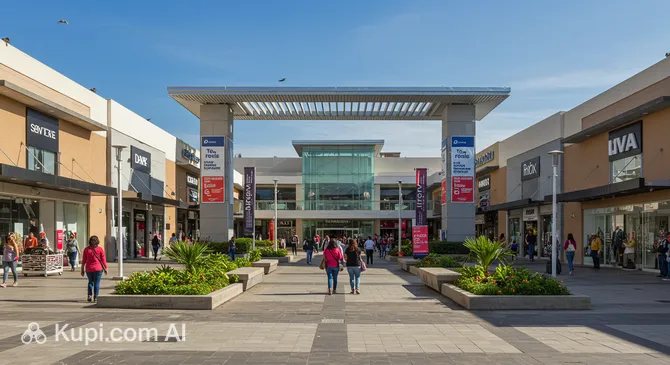
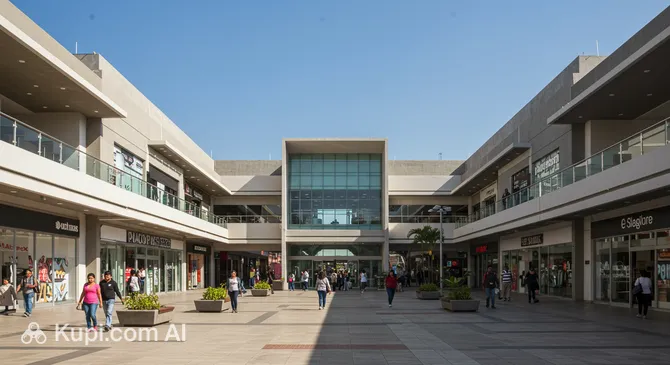
One such place is Plaza Mundo Apopa. This large shopping center attracts visitors with a variety of stores where you can find both local goods and well-known brands. Additionally, it often features food courts and entertainment zones, making it a convenient spot for family leisure or simply to spend time in a lively atmosphere while observing urban life.

Plaza Mundo Apopa. Illustration.
Source: Kupi.com AI

Traveler photos:

Another notable shopping complex in the city is the San Gabriel Shopping Center. It offers a wide range of goods and services, from clothing and electronics to cafes and restaurants. Visiting such centers provides an opportunity not only to make necessary purchases but also to feel the modern rhythm of San Salvador and find a place to rest and grab a snack.

San Gabriel Mall. Illustration.
Source: Kupi.com AI

Traveler photos:

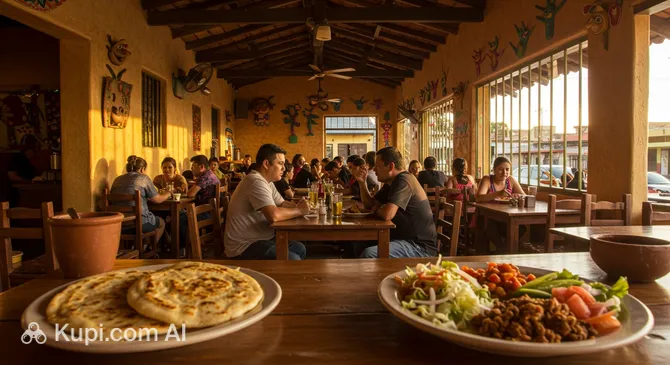
If you are looking for a place for dinner or lunch, consider the restaurant The Three Little Pigs (Los Tres Cerditos). While the name may seem unusual, such establishments often provide a chance to get acquainted with local cuisine or simply enjoy a delicious meal in a pleasant setting. Visiting local restaurants is always a great way to learn more about the city's culture through its gastronomic traditions.

The Three Little Pigs. Illustration.
Source: Kupi.com AI

Traveler photos:

Local Cuisine

The gastronomic scene in San Salvador is a true discovery for any traveler—a real paradise for foodies! The key dish that everyone must try is pupusas. These thick corn or rice flour tortillas with various fillings—from cheese and beans to meat (chicharrón) and vegetables (such as the loroco flower)—are not just food, but a symbol of Salvadoran hospitality and culinary pride. They can be found everywhere, from street vendors to specialized restaurants, and every pupusería offers its own unique flavor.

In addition to pupusas, be sure to try yuca fritas (fried cassava), often served with curtido (a spicy cabbage slaw) and salsa. In bustling markets and street stalls, Salvadoran tacos and an abundance of fresh tropical fruits like mango, papaya, and passion fruit also await you. Don't pass by the hearty soups—for example, the fragrant Salvadoran chicharrón, a soup with crispy pork skin and spices. For those with a sweet tooth, there are coconut-based desserts and other local treats.

To quench your thirst, try traditional non-alcoholic beverages. Horchata—a refreshing drink made from rice, milk, cinnamon, and sometimes other seeds—is very popular. Another favorite is fresco de ensalada, a vibrant fruit cocktail. And, of course, you cannot imagine El Salvador without coffee. Local coffee is famous for its rich flavor and aroma. Spending time in one of San Salvador's many coffee shops, enjoying a cup of freshly brewed coffee on a cozy terrace while watching city life, is a must-do.

The food culture in San Salvador is diverse: locals and tourists alike enjoy eating in simple street cafes as well as restaurants offering both traditional and international cuisine. For example, you can visit establishments like The Three Little Pigs to explore local gastronomic offerings. The city is also known for its food festivals, where you can sample signature dishes from local chefs and even participate in culinary masterclasses. It is a vibrant and dynamic gastronomic environment that offers authentic Central American flavors.

Travel Tips

Welcome to San Salvador, the dynamic capital of El Salvador! To make your journey through this colorful city as comfortable and safe as possible, we have prepared some practical tips to help you navigate and enjoy your stay.

  1. Clothing and Essentials: A tropical climate prevails in San Salvador, so choose light, breathable clothing made from natural fabrics (cotton, linen). T-shirts, shorts, skirts, and light trousers are ideal. Don't forget comfortable shoes for walking around the city and sightseeing. Sunscreen, a hat, and sunglasses are essential. A light jacket or wrap might be useful in the evening. If you plan to visit churches, choose more modest clothing that covers shoulders and knees. Bring an adapter for electrical appliances (El Salvador uses type A and B sockets, 115V voltage).
  2. Transport: To move around the city, you can use public buses, but they are often overcrowded and can be difficult for tourists to navigate. A more convenient option is taxis or ride-hailing services (e.g., Uber), which are widely available. Always agree on the taxi fare in advance or make sure the driver turns on the meter. Car rental is possible, but note that city traffic can be heavy and the local driving style can be aggressive. For short distances in safe areas, you can get around on foot.
  3. Finances: The official currency of El Salvador is the US Dollar (USD). Credit and debit cards (Visa, MasterCard) are accepted in most hotels, restaurants, and large stores. However, for purchases at markets, in small shops, and for public transport, it's better to have cash. ATMs are fairly common, especially in the city center and shopping malls. Tips in restaurants are usually 10% of the bill and are sometimes already included; in other cases, they are at your discretion but always welcomed for good service. A rough daily budget can vary from 30-50 USD for a budget traveler to 70-100 USD and up for a more comfortable stay.
  4. Health and Safety: Pharmacies ("farmacias") are easy to find throughout the city, and some are open 24 hours. For serious medical assistance, tourists are advised to visit private clinics. San Salvador, like any large city, has areas that are best avoided, especially after dark. Practice standard precautions: do not carry large sums of money, do not display expensive jewelry or gadgets, and watch your belongings in crowded places and on public transport. It is recommended to get travel insurance before your trip.
  5. Communication: The official language is Spanish. In tourist areas, hotels, and some restaurants, staff may speak English, but knowing a few basic Spanish phrases (e.g., "Hola" – hello, "Gracias" – thank you, "Por favor" – please, "¿Cuánto cuesta?" – how much does it cost?) will significantly ease your communication with locals and be appreciated by them. Local SIM cards with internet access can be purchased at mobile operator offices (Claro, Tigo). Wi-Fi is available in most hotels, cafes, and restaurants.
  6. Local Etiquette: Salvadorans are generally very friendly and hospitable. It is customary to greet people ("Buenos días" – good morning, "Buenas tardes" – good afternoon, "Buenas noches" – good evening/night). Politeness is valued: use "por favor" (please) and "gracias" (thank you). When photographing people, always ask for permission.
  7. What to Avoid: Try not to engage in discussions on political topics unless you are certain of the context. Avoid openly displaying large amounts of money or expensive items to avoid attracting unnecessary attention. Do not drink tap water; it is better to buy bottled water.
  8. Extra Tip: Be sure to try pupusas—the national dish of El Salvador! These are thick corn or rice tortillas with various fillings (cheese, beans, pork). They can be found everywhere, from street vendors to restaurants, and are a great way to experience local cuisine.

We hope these tips help you feel more confident and get the most out of your visit to San Salvador. Enjoy its culture, history, and the hospitality of its people!

Entertainment & Nightlife

San Salvador, the capital of El Salvador, offers its guests a variety of opportunities for evening and nighttime leisure. When the sun goes down, the city comes alive, revealing numerous bars, clubs, and restaurants where you can have a great time and enjoy the local atmosphere and music.

The main center of nightlife is considered to be the Zona Rosa district in Colonia San Benito. This is a prestigious neighborhood known for its high-end restaurants, stylish bars, and trendy nightclubs. It attracts both local youth and tourists. Another popular spot, although located in the neighboring city of Santa Tecla but closely linked to the capital's nightlife, is Paseo El Carmen—a charming street with colonial architecture where numerous bars and cafes with live music open in the evenings. Other parts of Colonia San Benito also offer quieter but equally interesting venues.

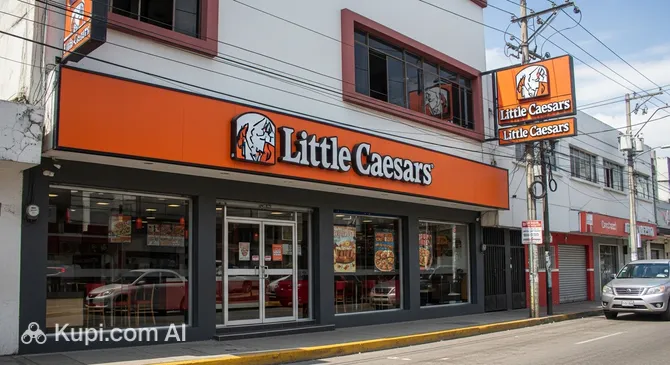
The choice of venues in San Salvador is quite broad: from cozy bars with craft beer and cocktails to noisy nightclubs where people dance to Latin American rhythms and electronic music. For a dinner in a pleasant setting, you can choose one of the many restaurants. For instance, you could visit The Three Little Pigs or stop by Little Caesars for a more informal meal. Many restaurants offer not only delicious food but also evening programs or live music.

Little Caesars. Illustration.
Source: Kupi.com AI

Traveler photos:

The atmosphere in San Salvador's nightlife venues is generally friendly and lively. The crowd is diverse, but youth and middle-aged people predominate in popular spots. Most bars and clubs start coming to life after 9-10 PM and stay open until the early morning, especially on weekends (Friday and Saturday). The dress code is usually smart casual, though some exclusive clubs may have stricter requirements. Prices vary: you can find both budget-friendly bars and more expensive establishments. On average, a cocktail in a popular bar will cost between 5-10 USD.

For getting around the city at night, it is recommended to use official taxis or popular ride-hailing apps (such as Uber). Try to call a taxi from your hotel or restaurant rather than hailing one on the street, especially late at night. The best time to visit nightlife venues is Friday and Saturday nights when the city is most vibrant.

Regarding safety, as in any large city, it is important to take precautions. It is recommended to spend time in well-known and well-lit areas like the Zona Rosa. Avoid walking alone on deserted streets after dark. Keep your valuables in a safe place and keep an eye on your drinks in bars and clubs.

During the day, San Salvador also offers plenty of interest. You can visit the Dr. David J. Guzmán National Museum of Anthropology to learn more about the country's culture and history, stroll through the historic center, and see the National Palace and the Metropolitan Cathedral. For family vacations, city parks are ideal, and shopping enthusiasts can check out malls like Plaza Mundo Apopa or the San Gabriel Shopping Center.

Parks & Museums

San Salvador, the capital of El Salvador, offers its guests a wonderful combination of green oases for relaxation and a rich cultural heritage reflected in numerous museums and historical monuments. The city provides many opportunities for nature lovers as well as history and art enthusiasts.

Among the city's green zones, Parque Cuscatlán stands out as one of the oldest and most significant parks in San Salvador. Recently renovated, it offers beautiful spaces for walking, sports, and cultural events. It is a true urban oasis where you can escape the hustle and bustle. Another notable spot is the La Laguna Botanical Garden (Jardín Botánico La Laguna), located in the crater of an extinct volcano. Here, visitors can enjoy a variety of local and exotic flora in a unique natural setting. For those seeking wilder nature, El Boquerón National Park (Parque Nacional El Boquerón), situated at the top of the San Salvador Volcano, offers breathtaking views of the crater and the surrounding area.

San Salvador's cultural life is centered around its museums. A key institution is the Dr. David J. Guzmán National Museum of Anthropology (MUNA). It houses a rich collection of artifacts telling the story of El Salvador's history and culture from pre-Columbian times. Art lovers should certainly visit the Museum of Art of El Salvador (MARTE), which displays works by Salvadoran artists from the 19th to the 21st centuries, providing insight into the development of national art. For families with children, a visit to the Tin Marín Children's Museum (Tin Marín Museo de los Niños), with its interactive exhibits, will be engaging.

The historic city center is also rich in landmarks. Take note of the majestic San Salvador Metropolitan Cathedral (Catedral Metropolitana), an important religious and architectural symbol. Nearby is the National Palace (Palacio Nacional), an impressive building that once served as the seat of government and is now open to visitors as a museum. Also worthy of attention is the National Theater of San Salvador (Teatro Nacional de San Salvador), the oldest operating theater in Central America and a true gem of neoclassical architecture.

For a more authentic experience, stroll through the Zona Rosa district, known for its restaurants, cafes, and small art galleries. It is also worth visiting local markets, such as Mercado Central or Mercado Ex-Cuartel, where you can find unique handmade souvenirs and feel the true spirit of the city.

Getting Around

Getting around San Salvador is possible in several ways, but the main emphasis of the public transport system is on buses and minibuses. Understanding how they work will help you save time and money during your visit.

The primary form of public transport in San Salvador is buses, locally called "rutas" or "colectivos," as well as smaller minibuses. They run throughout the city and its outskirts, connecting various districts. There is no metro, tram, or trolleybus system in the city. Bus routes are usually indicated by numbers and the names of the destination points written on the windshield or side of the bus.

The payment system for public transport in San Salvador is quite simple: payment is made in cash directly to the driver or conductor upon entering the bus. Fares are usually low but can vary depending on the route and the type of bus (standard buses are generally cheaper than air-conditioned minibuses, if available). It is recommended to carry small bills and coins for convenience. Generally, there are no specialized tourist passes or unified transport cards for all types of transport.

Practical tips for tourists: Tickets are not sold in advance; you pay as you board. Buses can be overcrowded, especially during peak hours (mornings and evenings on weekdays). Be mindful of your personal belongings. Stops are not always clearly marked, so don't hesitate to ask the driver or other passengers where it's best to get off. Buses start running early in the morning and end in the evening, usually by 8:00–9:00 PM, but schedules vary by route.

As an alternative to public transport, taxis are widely available in San Salvador. It is recommended to use official taxis or call a car through ride-hailing apps if they are available and popular in the city, which increases safety and fare transparency. Agree on the fare before the journey begins if the taxi is not equipped with a meter, or ensure the meter is turned on. Car-sharing and city bike rental systems are less developed or non-existent.

Accommodation

In San Salvador, travelers will find a wide range of accommodation options to suit various preferences and budgets. The city offers everything from budget hostels and guesthouses to comfortable mid-range hotels, as well as more luxurious hotels and rental apartments.

When choosing a place to stay in San Salvador, look for areas that offer convenient access to main attractions, shopping centers, and transport hubs. Popular choices for tourists include the Zona Rosa, known for its restaurants, bars, and boutique hotels, as well as the Escalón and San Benito districts, which host many high-end hotels and embassies. These areas are considered relatively safe and convenient for exploring the city.

While specific hotel examples aren't provided in the data, San Salvador features many international hotel chains as well as well-regarded local hotels. It is recommended to book accommodation in advance, especially if your trip coincides with the peak tourist season or major events, to ensure the best choice and prices.

The price range for accommodation in San Salvador varies from budget to luxury. You can find and book a suitable option through popular online booking platforms, travel agencies, or directly on hotel websites. Comparing offers across several resources will help you choose the best value for your money.

Nearby Cities

For those looking to explore the surroundings, San Salvador serves as an excellent starting point for day trips to several interesting nearby locations.

One popular option is a trip to Santa Tecla (Nueva San Salvador), located about 14 km from San Salvador. This city attracts visitors with its cooler climate, numerous cafes and restaurants, and its proximity to El Boquerón National Park, where you can walk along the edge of an impressive volcanic crater. Other nearby cities, such as Mejicanos and Apopa, located just a few kilometers away, allow for a closer look at the daily life and dynamics of the Salvadoran capital metropolitan area.

Below is a table with some of these and other nearby cities where you can take a short trip:

CityPopulationDistance
Cuscatancingo66 4003 km
Apopa131 2864 km
Ayutuxtepeque34 7104 km
Mejicanos140 7514 km
Delgado120 2007 km

These nearby destinations offer the chance to dive deeper into El Salvador's diverse culture, history, and natural beauty, complementing the experience of staying in San Salvador and its outskirts.

Shopping & Souvenirs

San Salvador offers diverse shopping opportunities, combining modern shopping centers with international brands and colorful local markets where you can dive into an authentic atmosphere and find unique goods. The city and El Salvador as a whole are famous for handmade crafts, high-quality coffee, and traditional textiles.

One of the key shopping areas is Colonia Escalón, especially the Paseo General Escalón street. Numerous boutiques, stores of famous brands, as well as restaurants and cafes where you can rest between purchases, are concentrated here. This area attracts both locals and tourists with its variety and pleasant atmosphere.

Several large shopping centers operate in San Salvador, offering a wide range of goods and services. Among them is Plaza Mundo Apopa, where you can find clothing stores, electronics, home goods, as well as a food court and entertainment zones. Another popular shopping destination is the San Gabriel Shopping Center, which also offers a large selection of shops and services for visitors.

Plaza Mundo Apopa. Illustration.
Source: Kupi.com AI

Traveler photos:

San Gabriel Mall. Illustration.
Source: Kupi.com AI

Traveler photos:

For those looking for a more authentic experience and local goods, Mercado Central is a must-visit. It is a huge and lively market where you can find everything from fresh fruits, vegetables, and local delicacies to clothing, shoes, and household goods at affordable prices. For handmade souvenirs, it is best to go to the Mercado de Artesanías (Crafts Market), where local artisans offer ceramics, textiles, wood products, and other unique crafts.

As souvenirs from San Salvador, tourists often choose local coffee, which is valued worldwide for its aroma and taste. Also popular are textile products, especially blouses and dresses with traditional embroidery, colorful hammocks, ceramic and wooden items, as well as paintings in the naïve art style reflecting the local flavor.

Most shops in San Salvador are open from Monday to Saturday, usually from 9:00 or 10:00 AM to 6:00 or 7:00 PM. Large shopping centers are generally open longer, often until 8:00 or 9:00 PM, and may operate on Sundays. The official currency of El Salvador is the US Dollar. Credit cards (Visa, MasterCard) are widely accepted in shopping centers and large stores. However, in markets and small souvenir shops, it is preferable to have cash on hand.

Regarding the Tax Free system for tourists, it is not as common in El Salvador as in some European or Asian countries. VAT refunds are unlikely for most purchases. When making very large purchases in specialized stores, you can clarify this issue with the seller, but do not count on it too much.

Reached the end of the page?

That means the route is fully explored