Support

Kadriorg Park

About

Kadriorg Park is one of the most magnificent historical parks not only in Tallinn but in all of Northern Europe. Founded in the 18th century, this grand palace and park ensemble remains a favorite spot for walks and cultural leisure for both residents of the Estonian capital and numerous tourists. The park is a harmonious blend of well-kept nature and elegant architecture, making it a must-see on any travel itinerary.
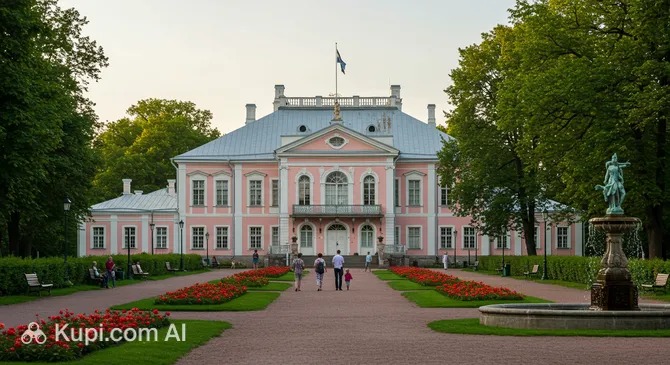
Kadriorg Park. Illustration.
Source: Kupi.com AI

Traveler photos:

The heart of the ensemble is the majestic Baroque-style Kadriorg Palace, which now houses an art museum featuring a collection of foreign art. Around the palace lie picturesque gardens with fountains, neat alleys, and the famous Swan Pond, where graceful birds can be seen during the warmer months. The park's territory is so diverse that you can find corners designed in styles of different eras — from 18th-century formal gardens to a modern Japanese Garden.

Beyond the palace, Kadriorg Park is a true cultural hub. Several more museums are located within its vast territory, including the renowned KUMU Museum, monuments to prominent cultural figures, cozy cafes, and playgrounds for children. This is a place where history meets modernity, offering visitors more than just a walk in the fresh air, but a full immersion into a world of art and beauty.

Contacts

For the most up-to-date information on events, opening hours, or to contact the Kadriorg Park administration, you can use the following contact details. It is recommended to check the details on the official website before visiting.

How to contactContact
AddressA. Weizenbergi tn 26, 10127 Tallinn, Estonia
Phone number+372 601 4548
Websitekadriorupark.ee

What to Do

A visit to Kadriorg Park offers many options for relaxation and leisure. Here, you can simply enjoy leisurely walks along the well-kept paths, admiring neat flowerbeds and resting on benches in the shade of ancient trees. For those who enjoy active pastimes, there's the possibility of having a picnic on the grass, cycling, or exercising in the fresh air. A walk around the ponds to watch the birds or exploring the architectural details of the magnificent palace is a particular delight.

Kadriorg is a true cultural oasis. Several significant museums are located on the park grounds, including the famous KUMU Art Museum and the Mikkel Museum, where art lovers will find much of interest. Families with children will appreciate the modern and well-equipped children's park, which offers entertainment for the youngest visitors. For those seeking tranquility, the quiet and harmonious Japanese Garden, designed for contemplation and peaceful rest, is the ideal spot.

The park leads a vibrant life and regularly serves as a venue for various cultural events. During the warmer months, open-air concerts, art exhibitions, and festivals are frequently held here, attracting both locals and tourists. It's also worth paying attention to the Italian-style formal garden designed by architect Niccolo Michetti — it's a beautiful example of 18th-century landscape art that impresses with its symmetry and elegance.

Getting There

Getting to Kadriorg Park from central Tallinn is quite simple, as it is one of the most popular destinations for both locals and tourists. The most convenient and scenic way is to use public transport. Trams No. 1 and No. 3 go directly to the park. You will need to get off at the final stop, which is appropriately named "Kadriorg". After getting off, just walk slightly forward in the direction of travel, and you will find yourself at the entrance to this magnificent park ensemble.

Additionally, the park can be reached by numerous buses. The "Kadriorg" stop is nearby, served by routes No. 1A, 5, 8, 34A, 35, 38, 60, and 63. This makes it easy to reach the site from various parts of the city. Of particular interest to travelers are the special retro trams, which also run on this route and are decorated in a consistent historical style, adding a special charm to the trip.

Nearest city: Tallinn

History & Facts

The history of Kadriorg Park is inextricably linked with the name of the Russian Emperor Peter the Great. It was by his order in 1718 that the creation of this magnificent ensemble began, intended as a summer residence. Initially, the park and palace were named Katharinenthal, which translates from German as "Catherine's Valley" — in honor of the Emperor's wife, Catherine I. From its very foundation, this place was imbued with a spirit of European luxury and grandeur, which defined its future as one of the main gems of Tallinn.

To realize such an ambitious project, the famous Italian architect Niccolo Michetti was invited. He developed the complex three-level structure of the park, including formal gardens, cascades, and ponds, characteristic of the best examples of landscape art of that time. Construction of the Baroque-style palace lasted nearly ten years and was completed after the death of Peter the Great, by 1727. This architectural masterpiece remains the centerpiece of the entire ensemble today.

Over its three-century history, the park has changed its appearance several times. New buildings appeared, and landscape elements were modified, adding new features to the ensemble. Despite all the renovations, Kadriorg Park has managed to preserve its historical uniqueness and atmosphere. It has become more than just a park; it is a true symbol of Estonia's cultural heritage, where every alley and every building tells its own story.

Time Needed

When planning a visit to Kadriorg Park, it is worth considering that the time needed to see it largely depends on your interests. If you just want a leisurely stroll along the main paths, to admire the famous Swan Pond, the exterior of Kadriorg Palace, and enjoy the general atmosphere, then 1.5-2 hours will be quite sufficient. This is enough time to get a general impression of the beauty and scale of this historical site.

For a more thorough acquaintance with the park, including a walk to remote corners such as the Japanese Garden or the ancient oak grove, it is recommended to set aside 2 to 4 hours. This will allow you to explore the entire extensive territory without rushing, find the best angles for photos, and perhaps relax in one of the cozy cafes. This format is suitable for those who want to dive deeper into the peaceful nature of Kadriorg.

If your plans include not only a walk but also visiting the cultural sites the park is so rich in, feel free to allocate half a day or even a full day. Several significant museums are located on the grounds, including the Kadriorg Art Museum in the palace and the KUMU museum. Exploring their exhibitions will take considerable time, so for a full cultural experience, it is better not to limit yourself to a couple of hours.

Working Hours

One of the main advantages of Kadriorg Park is its exceptional accessibility. The park grounds themselves are open to visitors 24/7, year-round, and entry is absolutely free for everyone. This allows guests of Tallinn and locals to enjoy walks along picturesque alleys, relax by the Swan Pond, or explore quiet corners of the park at any convenient time, whether early morning or late evening.

However, it is worth remembering that free 24-hour access applies specifically to the landscape part of the park. All museums located on its territory, including Kadriorg Palace, the KUMU Art Museum, and the Peter the Great House Museum, operate according to their own schedules and require entrance tickets. Their opening hours may change depending on the season, so it is highly recommended to check the current information on the official websites of these cultural institutions before planning your visit. Generally, no advance booking is required for individual museum visits, but it may be necessary for group tours.

Open 24 hours

Nearby

Visiting Kadriorg Park is just the beginning of your acquaintance with one of Tallinn's most picturesque districts. A walk through its surroundings will allow you to discover even more cultural and historical treasures located literally just a few steps away. Every path here can lead to a new discovery, whether it's a famous museum or a secluded monument with a rich history.

The Kadriorg district is full of attractions, making it an ideal place for leisurely exploration. Art galleries, historic buildings, and other iconic sites are located near the park, harmoniously complementing the impressions of your visit. Exploring the surroundings will enrich your trip and provide a more complete picture of Estonia's cultural heritage.

NameDistance
Kadriorg Art Museum0.1 km
Kumu Art Museum0.4 km
Tallinn Song Festival Grounds1.2 km
Tallinn Skywheel1.5 km
Super Skypark Ferris Wheel1.5 km
iNGAME1.7 km
Horisont Restaurant1.7 km

Have you reached the end of the page?

So the route has been studied inside and out