Support

Kadriorg Art Museum

About

The Kadriorg Art Museum, also known as the Kadriorg Art Museum, is a gem of the cultural life of Tallinn, the capital of Estonia. Located in the magnificent historical building of Kadriorg Palace, the museum is a branch of the Art Museum of Estonia. Its exhibition is primarily dedicated to Western European and Russian classical art, offering visitors a unique immersion into the world of masterpieces from past eras.
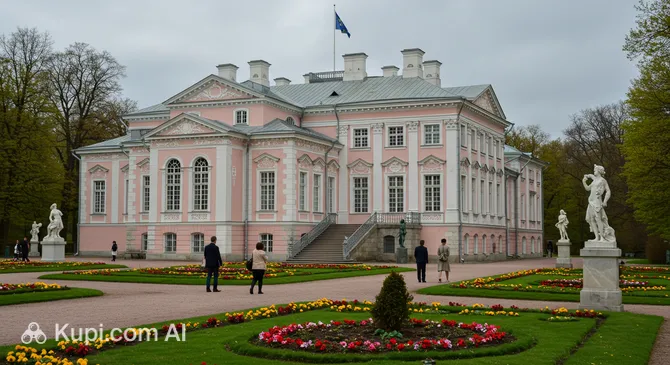
Kadriorg Art Museum. Illustration.
Source: Kupi.com AI

Traveler photos:

Walking through the palace halls, you can enjoy a rich collection of paintings, sculptures, and applied arts. These exhibits not only hold artistic value but also lend a special grandeur and brilliance to the former imperial residence, even in the absence of original interiors. Each piece is carefully selected to complement the atmosphere of this historic site.

It is important to note that Kadriorg Palace itself, with its rich history, is no less significant an exhibit than the collections it houses. Built for Peter I, it is an architectural monument and a witness to many historical events. A visit to the museum provides an opportunity not only to appreciate art but also to touch upon the history of Estonia and Imperial Russia, feeling the spirit of the time within the walls of this majestic building.

Contacts

For the most up-to-date information on opening hours, ticket prices, and potential schedule changes at the Kadriorg Art Museum, it is recommended to visit the official museum website or contact local tourist information centers in Tallinn. There, you can also find contact phone numbers and email addresses to reach the museum administration.

How to contactContact
AddressA. Weizenbergi tn 37, 10127 Tallinn, Estonia
Phone number+372 606 6400
Websitekadriorumuuseum.ekm.ee

What to Do

Visitors to the Kadriorg Art Museum can expect an exciting journey through halls featuring an extensive collection of early Western European and Russian art. You can closely examine canvases by Old Masters, elegant sculptures, and unique pieces of applied art. Each work reflects the artistic trends of its era, allowing you to trace the development of art over the centuries and appreciate the richness of the traditions on display.

Beyond admiring the artistic masterpieces, do not miss the chance to enjoy the architecture of the palace itself, which is a significant historical monument. One unique feature to look out for is a section of brickwork on one of the palace walls. According to historical records, this masonry was laid personally by Emperor Peter I and was intentionally left unplastered, put on public display as a testament to the era.

Getting There

Getting to the Kadriorg Art Museum, located in the park of the same name in Tallinn, is quite simple thanks to the city's well-developed public transport system. This is a popular destination, so there are several convenient routes that make it easy to reach this cultural gem.

The most common way is to use public transport. From the center of Tallinn, trams and buses run regularly to Kadriorg Park and, consequently, to the museum. For example, tram routes No. 1 and No. 3 are often a convenient choice, stopping in the immediate vicinity of the park entrance. You can also take buses heading towards Kadriorg. It is recommended to check the current route numbers and schedules on the official Tallinn public transport website or via mobile apps.

For those who prefer a more comfortable and faster way to travel, a taxi is always an option. A taxi ride from the city center to the Kadriorg Art Museum takes very little time and is moderately priced, depending on the starting point and traffic conditions. Taxis can be ordered through popular mobile apps or found at designated taxi stands in the city.

If you are traveling by car, there are usually parking spaces near Kadriorg Park, although they may be limited during peak hours or events. A walk from the nearest public transport stops through the picturesque Kadriorg Park is a pleasant addition to the museum visit in itself.

Nearest city: Tallinn

History & Facts

The history of the Kadriorg Art Museum is inextricably linked with one of the most prominent figures in Russian history—Emperor Peter I. It was by his order in 1718, even before the end of the Northern War, that the construction of this magnificent palace and park ensemble began. Confident in his position on the conquered Baltic lands, Peter I planned to create a summer residence in the vicinity of what was then Reval (now Tallinn), worthy of the power and grandeur of the Russian Empire. This place was to become a symbol of new horizons and European ambitions.

To realize this grand vision, the best masters from all over Europe were invited. The chief architect of the project was the Italian Nicola Michetti, but a whole galaxy of talented Italian, German, Swedish, and Russian architects and sculptors worked on the palace. The origin of the name "Kadriorg" is also interesting. Initially, the palace was named Ekaterinenthal in honor of Peter I's wife, Catherine I. Over time, this German name transformed into the Estonian "Kadriorg," which poetically translates as "Kadri's Valley" (Kadri is the Estonian version of the name Catherine).

Throughout its history, Kadriorg Palace has changed its purpose several times, but art has always remained an important part of it. It first served as the main building of the Art Museum of Estonia from 1921 to 1929. Later, from 1946 to 1991, the museum was once again housed within its walls. After a large-scale restoration, on July 22, 2000, the palace solemnly opened its doors as the Kadriorg Art Museum—a branch of the Art Museum of Estonia specializing in foreign art.

Time Needed

To view the main exhibition of the Kadriorg Art Museum, a typical visitor usually needs about 1.5–2 hours. This is enough time to walk leisurely through the halls, get acquainted with the works of Western European and Russian art, and appreciate the architecture of the palace itself.

However, if you are a great art lover or want to study individual works in more detail, as well as enjoy the atmosphere of the palace and perhaps the adjacent park, you should set aside more time. For example, if you plan to read the exhibit descriptions carefully, listen to the audio guide, or simply sit and reflect in one of the halls, your visit could last 3–4 hours.

You should also consider a possible visit to temporary exhibitions that may be held at the museum and will require additional time. Overall, for a comfortable and full acquaintance with the Kadriorg Art Museum, it is recommended to plan at least half a day, especially if you want to combine it with a walk through the beautiful Kadriorg Park.

Working Hours

Exact opening hours for the Kadriorg Art Museum may vary depending on the season and the day of the week. Generally, museums of this level have a standard schedule, but for the most up-to-date information, it is recommended to visit the official museum website or contact them directly. The website usually lists opening hours, information on closing days, and potential schedule changes related to holidays or special events.

Regarding ticket bookings, it is usually not mandatory for individual visitors; however, for groups or during periods of high tourist activity, purchasing tickets online in advance can save time and guarantee entry. It is also worth checking whether the museum is open year-round or has seasonal restrictions. Since specific data on hours and booking requirements is not provided, we strongly advise checking official sources before planning your visit to the Kadriorg Art Museum in Tallinn.

DayOpening hours
MondayClosed
Tuesday10:00 – 18:00
Wednesday10:00 – 20:00
Thursday10:00 – 18:00
Friday10:00 – 18:00
Saturday10:00 – 18:00
Sunday10:00 – 18:00

Nearby

A visit to the Kadriorg Art Museum is a wonderful opportunity to experience the world of art, but you shouldn't stop there. Exploring the museum's surroundings can significantly enrich your impressions and allow for a deeper understanding of the cultural and historical context of this unique place in Tallinn.

Often, iconic landmarks like the Kadriorg Art Museum are part of a larger ensemble or are located in close proximity to other interesting sites. A short walk around the area will allow you to discover new facets of the city and make your trip even more fulfilling. Near the museum, you will find several notable places that are also worth your attention.

NameDistance
Kumu Art Museum0.4 km
Tallinn Song Festival Grounds1.1 km
Tallinn Skywheel1.6 km
Super Skypark Ferris Wheel1.6 km
iNGAME1.7 km
Kolm Sibulat1.8 km
Horisont Restaurant1.8 km

Have you reached the end of the page?

So the route has been studied inside and out